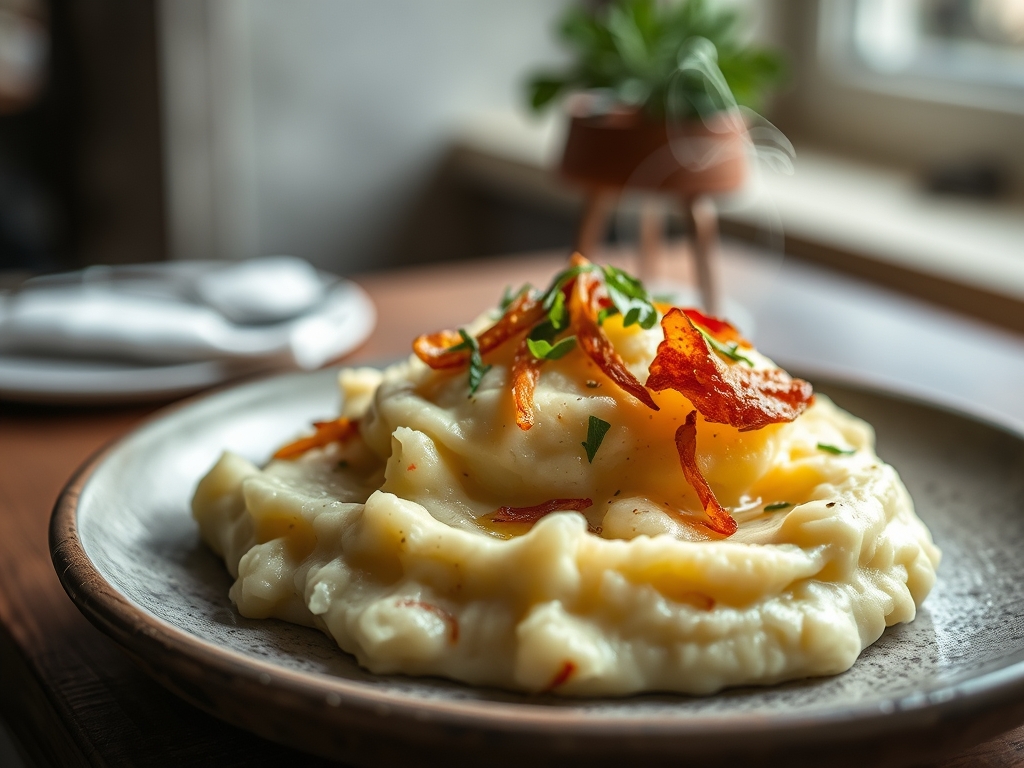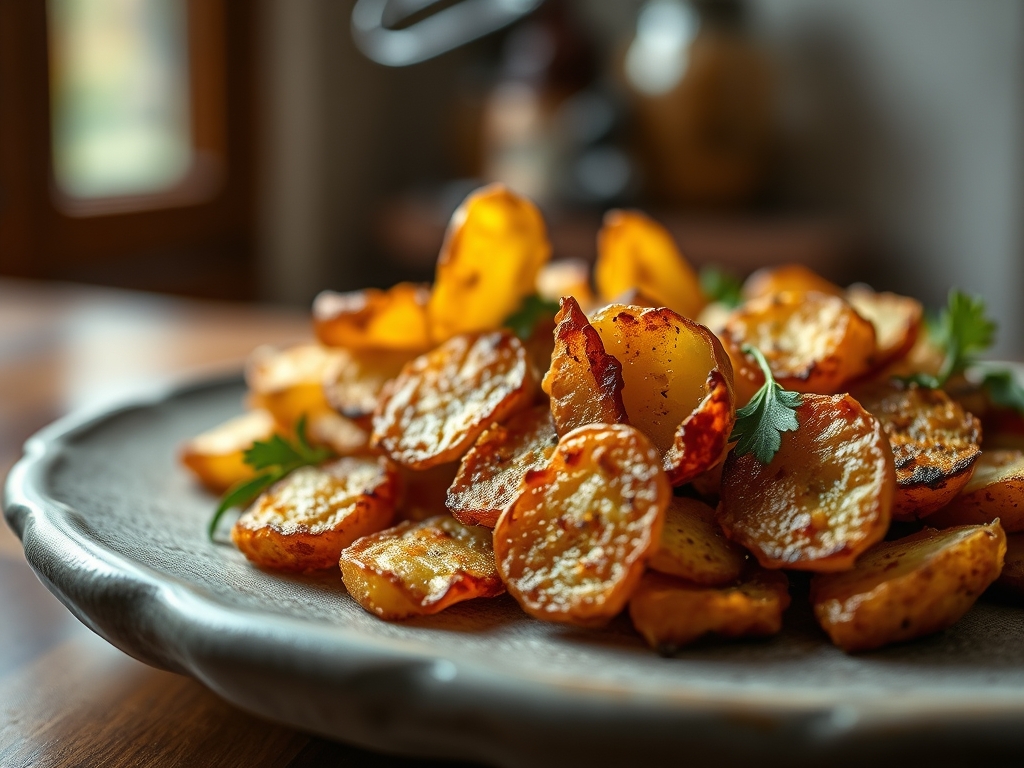
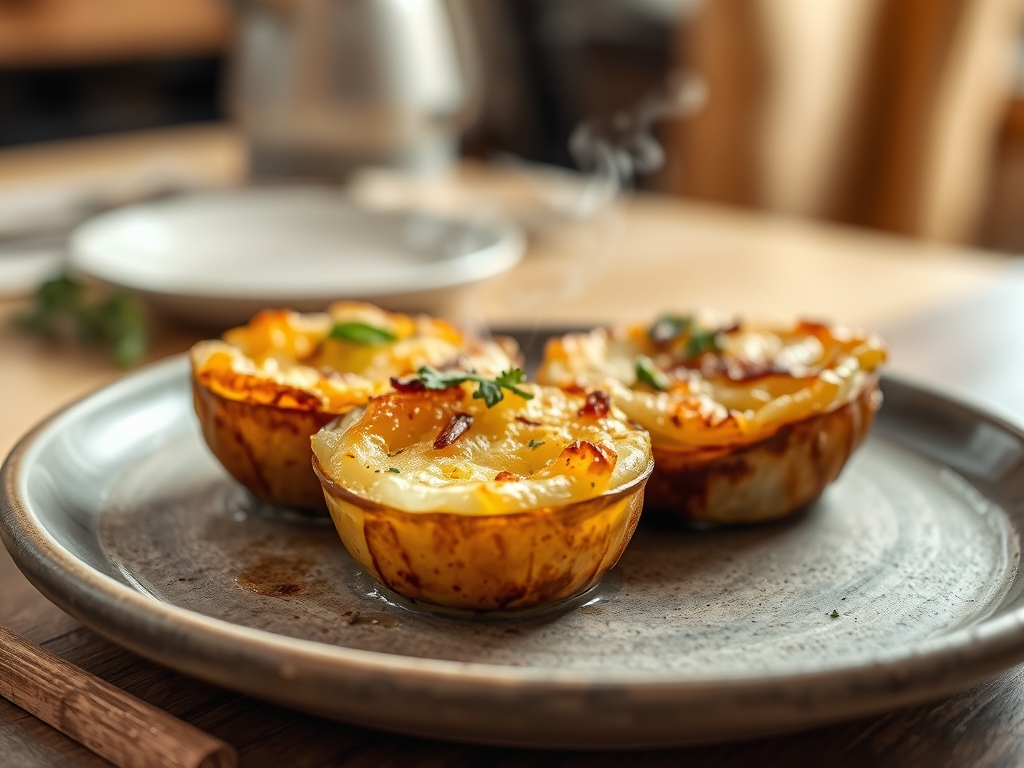
Listen up. If your idea of a potato side dish is a watery, translucent mess of starch drowning in a broken sauce, you are currently failing the most basic test of culinary structural engineering. We are here to conduct a comprehensive Potato Gratin Audit to transform those humble tubers into a stratified masterpiece of dairy and earth. Imagine the scent of garlic-infused cream hitting a 400-degree oven; the sound of a serrated knife shattering a golden, caramelized crust; the sight of perfectly aligned, mandoline-thin slices held together by a viscous, velvety emulsion. This is not just dinner; it is a high-stakes construction project where the mortar is heavy cream and the bricks are high-starch Yukon Golds. We are looking for structural integrity, deep Maillard browning, and a flavor profile that is as piquant as it is comforting. If you are ready to stop guessing and start measuring, let us break down the physics of the perfect bake.
THE DATA MATRIX
| Metric | Specification |
|---|---|
| Prep Time | 25 minutes |
| Execution Time | 75 minutes |
| Yield | 8 Servings |
| Complexity (1-10) | 4 |
| Estimated Cost per Serving | $1.15 |
THE GATHERS
Ingredient Protocol:
- 1.5 kg / 3.3 lbs Yukon Gold Potatoes
- 750 ml / 3 cups Heavy Cream (36% fat minimum)
- 4 cloves Garlic, smashed and peeled
- 15 g / 1 tbsp Kosher Salt
- 2 g / 1 tsp Freshly cracked Black Pepper
- 5 g / 1 tbsp Fresh Thyme leaves
- 200 g / 2 cups Gruyere cheese, freshly grated
- 50 g / 3.5 tbsp Unsalted Butter, chilled
Section A: Ingredient Quality Audit:
The most common failure point is the potato variety. Using a waxy red potato will result in a structural collapse; the slices will slide apart because they lack the necessary starch to thicken the cream. If you only have waxy potatoes, you must infuse the cream with a teaspoon of cornstarch to compensate. Furthermore, pre-shredded cheese is a non-starter. It is coated in cellulose to prevent clumping, which inhibits a smooth melt and creates a gritty mouthfeel. Always grate your Gruyere from a block to ensure a superior melt. If your cream smells even slightly acidic, discard it. The high heat of the oven will cause marginal dairy to curdle instantly.
THE MASTERCLASS
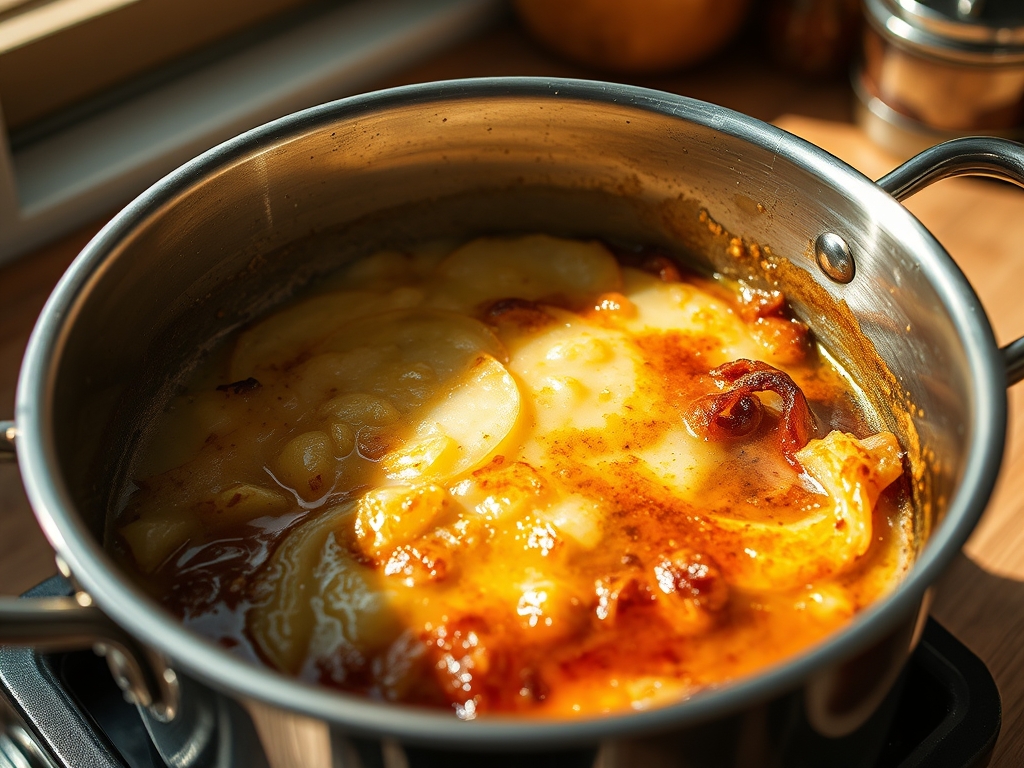
Step 1: The Infusion Phase
Place your heavy cream, smashed garlic, and thyme into a stainless steel saucier. Bring the mixture to a gentle simmer over medium heat. Do not boil. Once it reaches a simmer, remove from heat and let it steep for 15 minutes.
Pro Tip: This step allows the essential oils of the herbs to infuse the fat molecules in the cream. Using a digital scale to measure your salt ensures perfect seasoning throughout the entire stack, preventing the dreaded "bland center" syndrome.
Step 2: Precision Slicing
Peel your potatoes and use a Japanese mandoline to slice them into 3mm rounds. Do not soak these in water. We need every milligram of surface starch to act as a natural thickener for the sauce.
Pro Tip: Consistency is king. If your slices vary in thickness, the structural integrity of the dish fails. Use a bench scraper to neatly move your potato stacks and keep your workstation organized.
Step 3: The Assembly Architecture
Butter a heavy ceramic baking dish. Arrange the potato slices in overlapping rows, seasoning every two layers with a pinch of salt and pepper. Pour the strained, garlic-infused cream over the top until it reaches just below the top layer of potatoes.
Pro Tip: This is about fluid dynamics. The cream must be able to circulate between the layers to render the starch into a cohesive gel. Press down firmly on the stacks to eliminate air pockets.
Step 4: The Thermal Descent
Cover the dish tightly with foil and bake at 190C / 375F for 45 minutes. Remove the foil, scatter the grated Gruyere and small knobs of butter over the top, and bake for another 20 to 30 minutes until the top is deeply bronzed.
Pro Tip: Removing the foil allows moisture to evaporate, concentrating the flavors. Use an instant-read thermometer to ensure the center has reached 98C / 208F, which is the temperature at which potato starches fully hydrate.
Section B: Prep & Timing Fault-Lines:
If your gratin is ready before the rest of the meal, do not leave it in the oven. The residual heat will continue to cook the potatoes, turning them into mush. A gratin needs at least 15 minutes of rest time on the counter to allow the sauce to set. If you pull it too early and cut into it immediately, the cream will run to the corners of the dish, leaving the potatoes dry and exposed.
THE VISUAL SPECTRUM
Section C: Thermal & Visual Troubleshooting:
Look at the Masterclass photo above. Notice the "leopard spotting" on the cheese; this is the result of the proteins in the Gruyere undergoing the Maillard reaction. If your cheese is pale, your oven temperature is too low or your rack is too low in the oven. If the cream looks broken or oily, you likely used a low-fat "half and half" substitute which cannot withstand the thermal stress. If the edges are burnt but the center is hard, your baking dish is likely too thin. Use heavy stoneware to ensure even heat distribution across the entire horizontal plane of the dish.
THE DEEP DIVE
Macro Nutrition Profile:
This is a calorie-dense, high-fat celebratory dish. A standard serving contains approximately 450 calories, 32g of fat, 28g of carbohydrates, and 12g of protein. It is a powerhouse of potassium and calcium, but it is certainly not "light" fare.
Dietary Swaps:
- Vegan: Replace heavy cream with full-fat coconut milk and use nutritional yeast or a vegan cashew-based melt in place of Gruyere.
- Keto: Replace potatoes with sliced daikon radish or cauliflower florets. Note that daikon releases more water, so reduce the cream volume by 20 percent.
- GF: This dish is naturally gluten-free as long as you avoid using flour as a thickener.
Meal Prep & Reheating Science:
To maintain the molecular structure when reheating, avoid the microwave. The rapid agitation of water molecules will break the fat-starch emulsion. Instead, reheat in a 325F oven covered with foil to gently aerate the sauce without scorching the top.
THE KITCHEN TABLE
Why is my sauce curdled?
Curdling usually happens if the heat is too high or the cream is too low in fat. Always use heavy cream and avoid boiling the dish aggressively. Acidic additions like wine can also cause the dairy to break.
Can I make this ahead of time?
Yes. Bake it fully, cool it, and refrigerate. The starch will fully set, making it easier to cut into perfect squares. Reheat individual portions in the oven to restore the piquant, crispy topping.
Do I have to peel the potatoes?
For a formal Potato Gratin Audit, yes. The skins interfere with the textural uniformity and prevent the slices from nesting tightly. If you insist on skins, use thin-skinned Yukon Golds and wash them thoroughly.
What is the best cheese to use?
Gruyere is the gold standard for its melting point and nutty profile. However, a sharp white cheddar or a blend of Comte and Parmesan can also provide a sophisticated flavor profile.
How do I prevent the potatoes from turning brown?
Work quickly once the potatoes are sliced. The cream bath prevents oxidation, so submerge your slices as soon as they are cut to maintain a clean, ivory aesthetic.