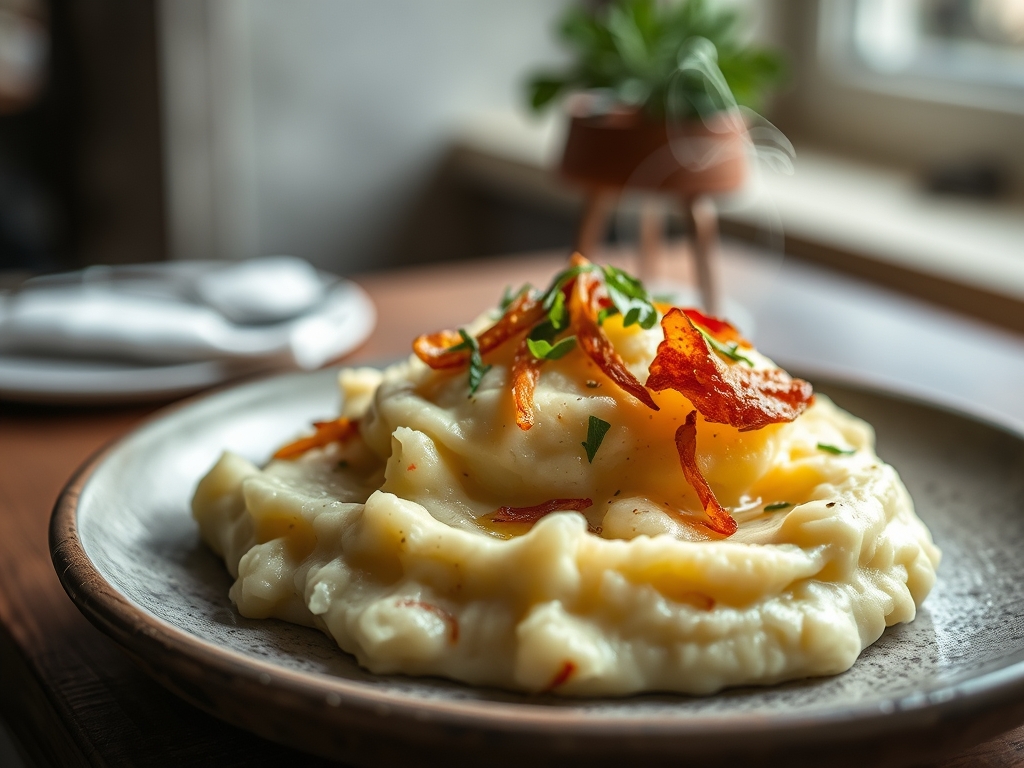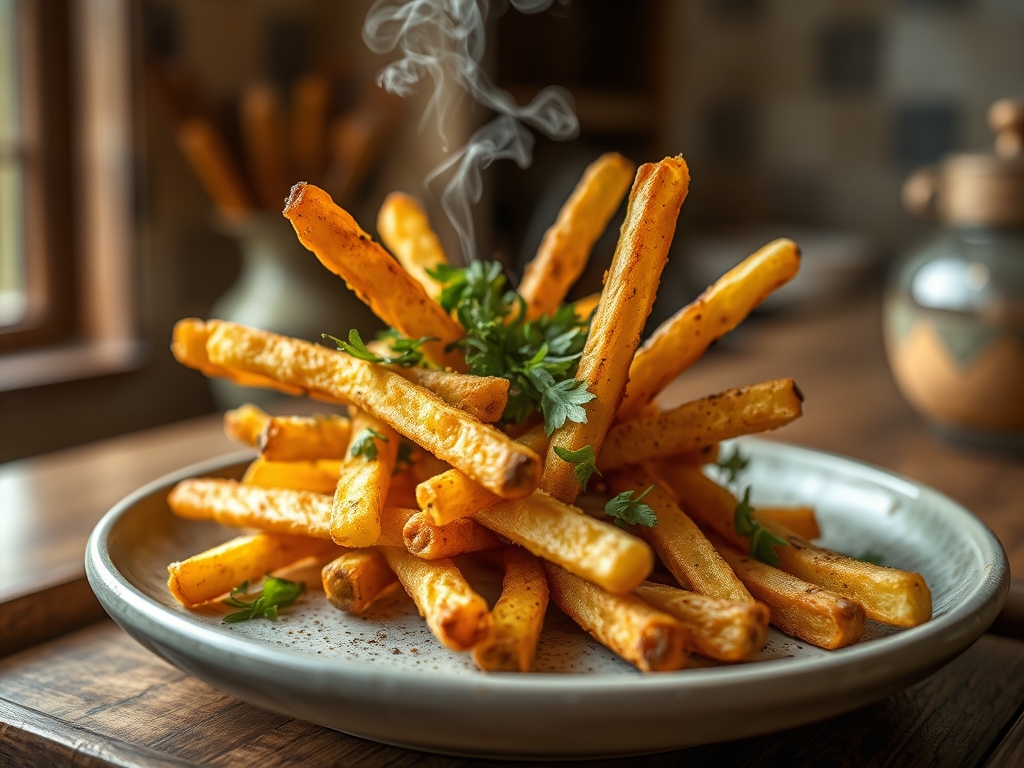
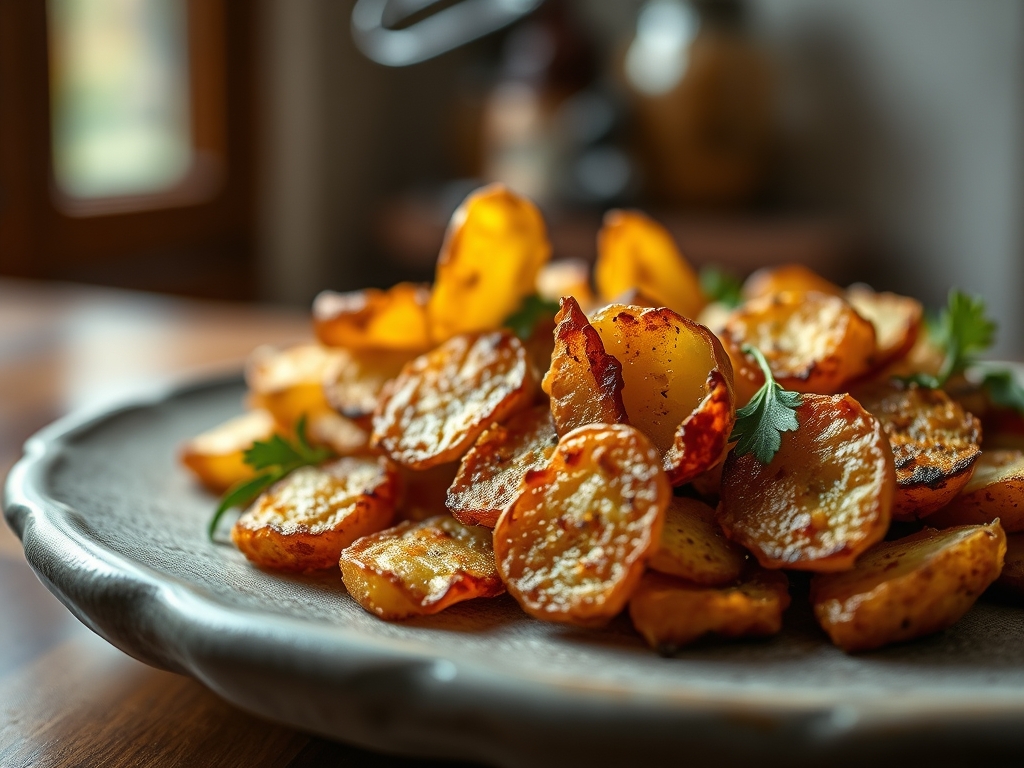
Listen to that sound. It is the tectonic shift of a glass-shattering crust yielding to a cloud of pressurized steam. If your Sunday roast does not sound like a gravel driveway under a heavy boot, you have failed the audit. We are not here to discuss limp, oily wedges or the sad, grey tubers found in a school cafeteria. We are here to engineer the ultimate Crispy Roast Potatoes. This is a high-stakes mechanical operation involving surface area maximization and the strategic dehydration of the starch matrix. When you bite into a potato executed with this level of precision, you experience a violent contrast of textures. The exterior is a jagged landscape of Maillard-induced gold, while the interior is a pillowy, aerated dream. Achieving this requires more than just heat; it requires an understanding of cellular breakdown and the chemistry of saturated fats. Strap in, sharpen your peeler, and prepare your kitchen for a thermal event that will redefine your standards for root vegetables.
THE DATA MATRIX
| Metric | Specification |
|---|---|
| Prep Time | 25 Minutes |
| Execution Time | 90 Minutes |
| Yield | 4 to 6 Servings |
| Complexity | 7/10 |
| Estimated Cost per Serving | $0.85 / 0.65 GBP |
THE GATHERS
Ingredient Protocol:
- 2kg / 4.4lbs High-starch potatoes (Maris Piper, King Edward, or Russet).
- 200g / 7oz Duck fat or Beef tallow (highly recommended for high smoke point).
- 15g / 1 tbsp Kosher salt (for the parboil).
- 5g / 1 tsp Baking soda (the secret catalyst).
- 4 cloves Garlic, smashed.
- 3 sprigs Fresh rosemary.
- Sea salt flakes for the final finish.
Section A: Ingredient Quality Audit:
The most common point of failure is selecting a waxy potato. Red Bliss or New Potatoes contain too much moisture and insufficient starch to create a thick crust. If you are stuck with sub-par tubers, you must increase your parboil time and use a bench scraper to aggressively roughen the edges. If your fat is rancid or has a low smoke point, like unrefined butter, the potatoes will acridly scorch before they crisp. Always audit your fat source for clarity and neutral aroma. If the potatoes appear sprouted or green, discard them; the solanine content creates a bitter profile that no amount of duck fat can mask.
THE MASTERCLASS
Step-by-Step Execution:
1. The Precision Cut and Soak
Peel your potatoes and cut them into large, irregular chunks. Aim for maximum surface area by using oblique cuts. Submerge them in cold water for ten minutes to remove excess surface starch that can cause sticking.
Pro Tip: Use a digital scale to ensure uniform sizing. Uniformity ensures that every piece reaches the thermal finish line at the exact same second. Smaller shards will over-caramelize and provide the "chef's treat" snacks.
2. The Alkaline Parboil
Place the potatoes in a large pot of cold water. Add your kosher salt and the baking soda. Bring to a boil and then simmer until the edges are softening and starting to fray.
Pro Tip: The baking soda breaks down the potato's pectin more effectively. This creates a starchy slurry on the surface that, once roasted, transforms into the signature "glass" crust. Monitor this with a paring knife; the potato should offer no resistance.
3. Surface Area Aeration
Drain the potatoes in a colander and let them steam-dry for five minutes. This is the most critical stage of dehydration. Once dry, shake the colander violently to "chuff" the edges.
Pro Tip: Use a bench scraper to toss the potatoes if they are too hot to handle. You want a thick layer of mashed-potato-like paste clinging to the outside of each chunk. This paste is what will eventually render into the crispy shell.
4. The Fat Infusion
While the potatoes dry, place your roasting tray in a 220C / 425F oven with the duck fat. Once the fat is shimmering and wisps of smoke appear, carefully add the potatoes.
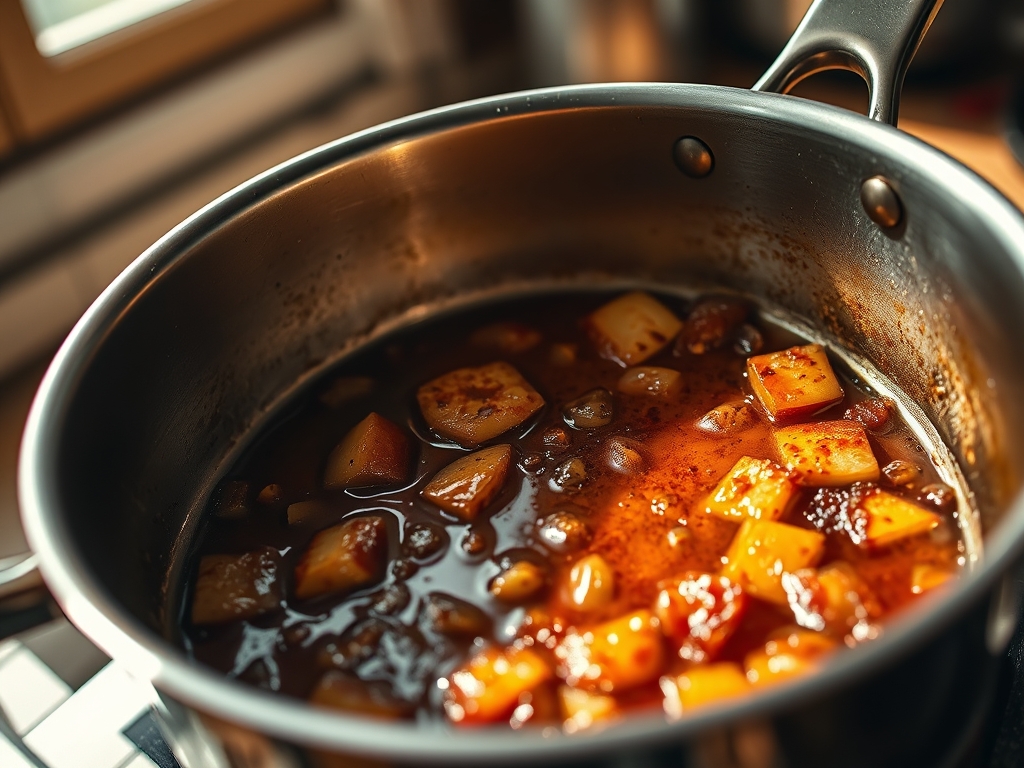
Pro Tip: Use a saucier to pre-melt your fat if you are adding aromatics like garlic or rosemary early. However, for maximum flavor, save the aromatics for the final ten minutes to prevent the bitter compounds of burnt herbs from ruining the batch.
5. The Thermal Transformation
Roast for 50 to 60 minutes, turning every 20 minutes. Use a metal spatula to ensure you are not tearing the developing crust. The potatoes are done when they are deep mahogany and sound hollow when tapped.
Pro Tip: Do not crowd the pan. If the potatoes are touching, they will steam rather than roast. Use two trays if necessary to ensure proper airflow and heat distribution around every millimeter of surface area.
Section B: Prep & Timing Fault-Lines:
The primary human error in this protocol is impatience during the parboil. If the potatoes are under-boiled, the starch slurry never forms, resulting in a smooth, tough skin rather than a crunch. Conversely, if you fail to let the potatoes steam-dry before hitting the hot fat, the residual water will drop the oil temperature instantly. This leads to a viscous, greasy potato that lacks structural integrity. Always use an oven thermometer to verify your appliance's accuracy; many domestic ovens fluctuate by up to 20 degrees, which can stall the Maillard reaction.
THE VISUAL SPECTRUM
Section C: Thermal & Visual Troubleshooting:
Look closely at the Masterclass photo. Notice the "nooks and crannies" on the surface. If your potatoes look smooth and shiny, you did not agitate them enough in the colander. If the color is pale yellow rather than deep amber, your oven temperature was too low or you did not roast them long enough. If you see black, carbonized spots, your aromatics were added too early. The goal is a monochromatic gold-to-brown gradient. If the potatoes appear "wet" or shrunken, they have sat too long in a humid environment. Serve them immediately to maintain the molecular tension of the crust.
THE DEEP DIVE
Macro Nutrition Profile
A standard serving (approx. 200g) contains roughly 320 calories, 15g of fat (mostly from the roasting medium), 42g of carbohydrates, and 4g of protein. While not a "diet" food, the satiety levels are immense.
Dietary Swaps
- Vegan: Swap duck fat for avocado oil or refined coconut oil. Both have high smoke points.
- Keto: This is a starch-heavy dish; there is no direct potato substitute that behaves this way. Consider roasted cauliflower, though it will never achieve this specific crystalline structure.
- Gluten-Free: Naturally GF, provided your baking soda is uncontaminated.
Meal Prep & Reheating Science
To reheat, avoid the microwave at all costs. The microwave agitates water molecules, which will migrate from the center to the crust, turning it into a rubbery mess. Reheat in a 200C / 400F oven for 10 minutes to re-dehydrate the exterior and restore the crunch.
THE KITCHEN TABLE
Why use baking soda in the water?
Baking soda raises the pH of the water, which breaks down the potato's pectin. This creates more surface starch, which leads to a thicker, crunchier crust during the roasting phase.
Can I use olive oil instead of duck fat?
You can, but the flavor profile will change. Use "light" olive oil rather than Extra Virgin, as EVOO has a low smoke point and will burn, creating a piquant but bitter aftertaste.
My potatoes stuck to the tray. What happened?
The fat wasn't hot enough when you added the potatoes, or the tray wasn't non-stick. Always pre-heat the fat until it is shimmering to create an immediate sear upon contact.
How do I get them extra salty?
Salt the water heavily during the parboil so the salt penetrates the center. Finish with high-quality sea salt flakes immediately after they exit the oven so the salt clings to the residual surface fat.