Imagine the sharp, peppery bite of raw greens colliding with the velvet luxury of high-quality lipids. This is not just a condiment; it is a structural marvel of culinary engineering. When we discuss Arugula Pesto Physics, we are analyzing the precise intersection of cellular breakdown and lipid suspension. Most home cooks produce a gritty, oxidized sludge that separates within minutes. You, however, are an architect of flavor. You are here to build a stable, vibrant, and viscous emulsion that clings to pasta with the tenacity of a structural adhesive. We are leveraging the piquant power of Eruca sativa to create a sauce that sings with high-frequency herbal notes while maintaining a deep, nutty bassline. By manipulating the shear force of your blades and controlling the thermal environment of your ingredients, you will transform volatile aromatics into a permanent suspension. This is about more than taste. It is about the infrastructure of the palate; the way a perfectly emulsified oil carries capsaicin and chlorophyll across the tongue in a seamless, unbroken wave of sensory data.
THE DATA MATRIX
| Metric | Specification |
|---|---|
| Prep Time | 12 Minutes |
| Execution Time | 8 Minutes |
| Yield | 350ml / 1.5 Cups |
| Complexity (1-10) | 4 |
| Estimated Cost per Serving | $1.15 |
THE GATHERS
Ingredient Protocol:
- 200g / 4 cups Baby Arugula (packed)
- 60g / 0.5 cup Toasted Pine Nuts (or Walnuts)
- 50g / 0.5 cup Pecorino Romano, freshly grated
- 2 large Garlic Cloves, germ removed
- 180ml / 0.75 cup Extra Virgin Olive Oil (High Polyphenol)
- 15ml / 1 tbsp Lemon Juice, fresh
- 5g / 1 tsp Diamond Crystal Kosher Salt
- 2g / 0.5 tsp Freshly Cracked Black Pepper
Section A: Ingredient Quality Audit:
The primary failure point in Arugula Pesto Physics is the moisture content of the greens. If your arugula is damp, you are introducing water into a lipid-heavy environment without a sufficient emulsifier, leading to a broken, weeping sauce. Solution: Use a salad spinner followed by a manual pat-down with lint-free towels to ensure 100% surface dryness. If your nuts taste "dusty," they have oxidized. Solution: Flash-toast them in a stainless steel saucier for 90 seconds to reactivate the oils and trigger the Maillard reaction. Finally, if using pre-grated cheese, the anti-caking agents (cellulose) will prevent a smooth mouthfeel. Solution: Grate your Pecorino micro-plane style to ensure the surface area allows for immediate integration into the emulsion.
THE MASTERCLASS
Step 1: The Thermal Pre-Conditioning
Place your stainless steel food processor bowl and the metal blade into the freezer for 10 minutes prior to assembly. High-speed blades generate friction, and friction generates heat. Heat is the enemy of chlorophyll; it causes the vibrant green to dull into a muddy brown. By starting with chilled equipment, you create a thermal buffer that preserves the piquant brightness of the arugula.
Pro Tip: Use a digital scale to measure ingredients by weight rather than volume. Volumetric measurements of greens are notoriously inaccurate due to varying leaf density. Precision is the bedrock of consistency.
Step 2: The Aromatic Foundation
Add the garlic, toasted nuts, and salt to the chilled bowl. Pulse until the mixture resembles coarse sand. Do not over-process at this stage; we are looking to increase surface area, not create a paste. The salt acts as an abrasive, helping to mechanically break down the garlic cell walls to release allicin.
Pro Tip: Use a bench scraper to gather any stray nut fragments from your cutting board to ensure no loss of material. The grit of the nuts provides the "skeleton" of the sauce.
Step 3: The Chlorophyll Integration
Add the dried arugula in three batches. Pulse 5 to 7 times per batch. You want to aerate the greens as they break down. If you run the motor continuously, you will bruise the leaves rather than cutting them, resulting in a bitter, metallic aftertaste.
Pro Tip: If the greens are not catching the blade, do not add oil yet. Use a silicone spatula to push the greens down. Adding oil too early prevents the blades from properly chopping the fiber.
Step 4: The Lipid Stream
With the motor running on a low setting, begin to infuse the olive oil in a slow, steady stream. This is where the Arugula Pesto Physics truly take over. You are creating a "water-in-oil" emulsion where the tiny amount of moisture in the greens and lemon juice is suspended within the olive oil.
Pro Tip: Watch the vortex in the center of the processor. When the oil disappears and the mixture looks matte rather than shiny, the emulsion is holding. This is the moment to stop.
Step 5: The Final Binding
Add the grated Pecorino and lemon juice. Pulse only 3 times to incorporate. The cheese contains proteins and fats that act as secondary stabilizers. Over-processing the cheese can cause the proteins to tighten and the fats to leak, which will break your beautiful emulsion.
Pro Tip: Taste for seasoning immediately. The saltiness of the Pecorino varies wildly by age. Use your palate as the final auditor of the salt-acid balance.
Section B: Prep & Timing Fault-Lines:
The most common timing error is "The Oxidation Gap." If you prep your ingredients but wait an hour to blend, the cut garlic and bruised arugula begin to degrade. Solution: Execute the blend immediately after prepping the greens. Another fault-line is temperature control during service. Never toss pesto into a screaming hot pan; the heat will "cook" the sauce and separate the oil. Solution: Temper the pesto in a room-temperature bowl with a splash of starchy pasta water before combining with the noodles.
THE VISUAL SPECTRUM
Section C: Thermal & Visual Troubleshooting:
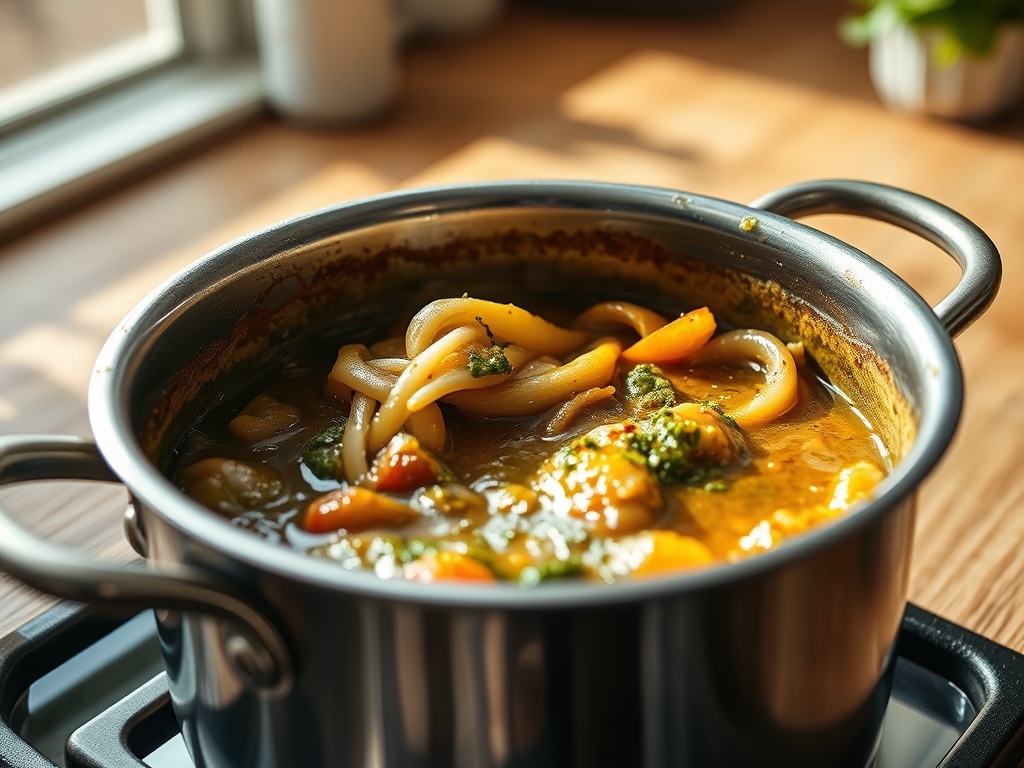
Referencing the Masterclass photo, your pesto should exhibit a "Electric Moss" hue. If your sauce looks pale or yellowish, your oil-to-green ratio is too high, or your arugula was past its prime. If you see "beading" (droplets of oil sitting on top), your emulsion has failed. To fix a broken pesto, whisk in a teaspoon of warm water or a pinch more cheese to re-bind the fats. If the texture is "stringy," the arugula stems were too mature; next time, opt for baby arugula or perform a more aggressive stem-trim during prep. The final product should be viscous enough to hold a soft peak but fluid enough to coat a spoon evenly.
THE DEEP DIVE
Macro Nutrition Profile
A single 60ml serving provides approximately 280 calories, 26g of healthy monounsaturated fats, 4g of protein, and 2g of fiber. It is a micronutrient powerhouse, rich in Vitamin K and calcium.
Dietary Swaps
- Vegan: Replace Pecorino with 2 tbsp of nutritional yeast and 1 tsp of white miso paste for that fermented umami hit.
- Keto: This recipe is naturally keto-compliant. Increase the pine nuts for higher fat density.
- Nut-Free: Substitute pine nuts with toasted sunflower seeds or toasted hemp hearts to maintain the structural integrity.
Meal Prep & Reheating Science
To maintain the molecular structure, store pesto in a glass jar with a thin layer of olive oil poured over the top to create an oxygen barrier. Do not freeze if you want to maintain the emulsion; freezing causes water crystals to puncture the fat globules, leading to separation upon thawing. If you must freeze, do so in ice cube trays and accept that a quick whisk will be required after melting.
THE KITCHEN TABLE
Why is my arugula pesto bitter?
Arugula contains glucosinolates that release bitterness when crushed. Over-processing with a hot blade intensifies this. Ensure your equipment is cold and your arugula is "baby" grade to minimize the bitter profile.
Can I use a blender instead of a food processor?
Yes, but be cautious. Blenders use higher RPMs which generate more heat. Use the "pulse" function exclusively and add a single ice cube to the mix to keep the temperature down during the emulsion phase.
How long does the emulsion stay stable?
A properly built emulsion using this protocol will stay stable in the refrigerator for 3 to 5 days. If you see oil separation, simply stir it vigorously with a spoon to re-incorporate the lipids.
Why use Pecorino instead of Parmesan?
Pecorino Romano is made from sheep's milk, offering a higher fat content and a sharper, saltier profile that stands up better to the aggressive "peppery" notes of the arugula. It provides a superior structural bind.