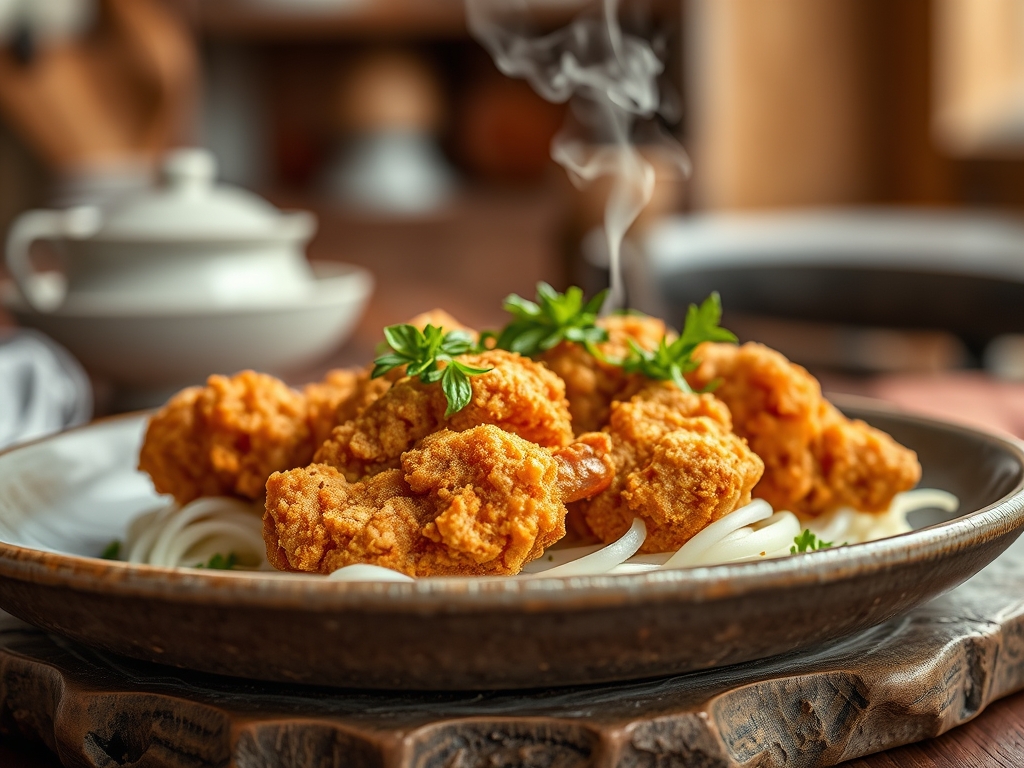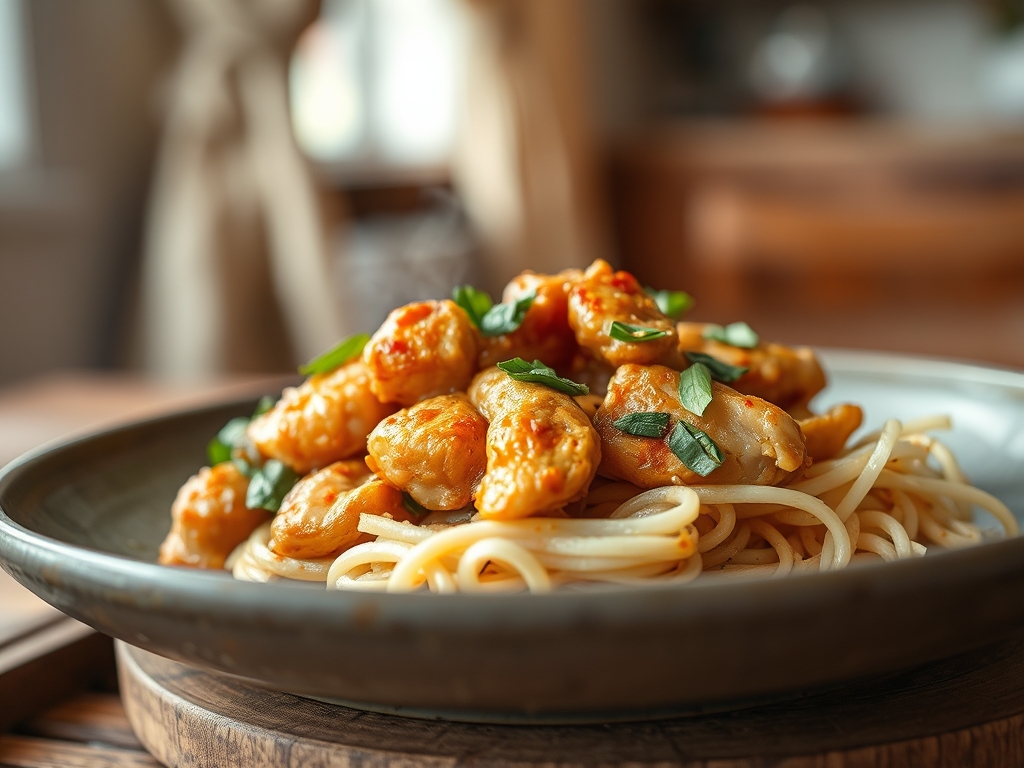
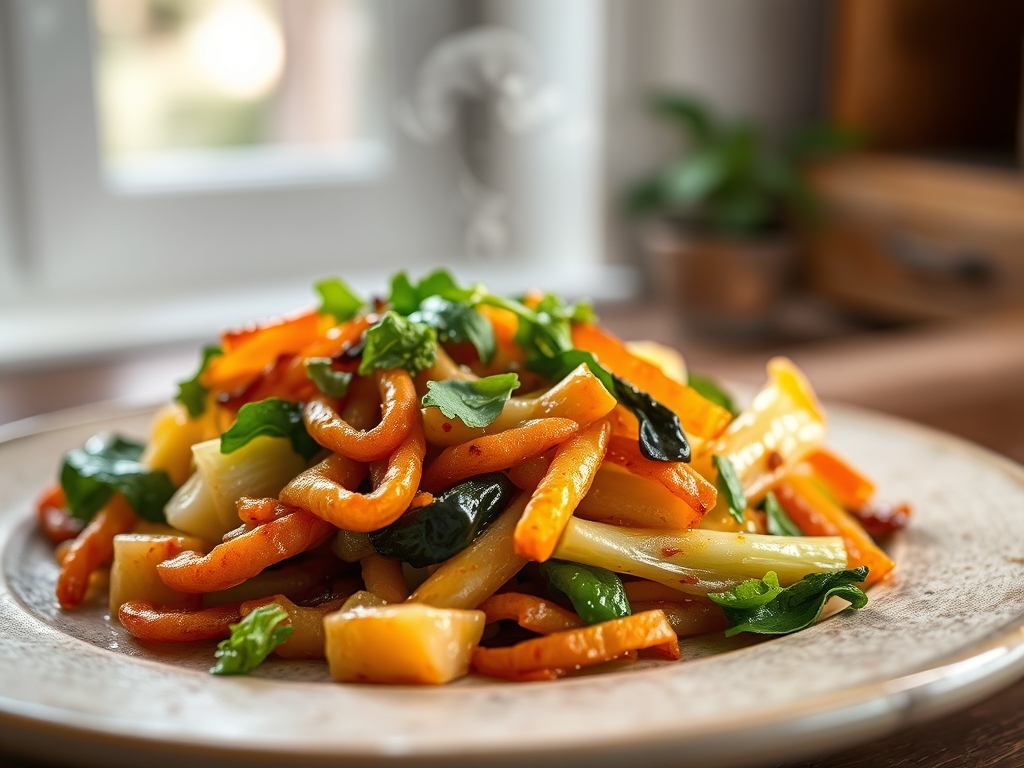
Stop treating your vegetables like a soft-boiled afterthought. If your greens emerge from the pan as a limp, greyish heap of sadness, you are not cooking; you are committing a botanical tragedy. We are here to master the Bok Choy Stir Fry through the lens of high-velocity thermal dynamics. This is about the intersection of high heat and moisture control. We want the stalks to retain a structural snap that echoes through the cranium while the leaves undergo a rapid, emerald transformation. The secret lies in the "Wok Hei" or the breath of the wok. It is a volatile dance where oil reaches its smoke point and water vaporizes instantly to create a localized steam jacket. This process preserves the cellular integrity of the plant while infusing it with a piquant, smoky essence. We are auditing your kitchen infrastructure today to ensure your burners can handle the load. Put down the tongs and pick up the precision. It is time to engineer a plate that vibrates with color and texture.
THE DATA MATRIX
| Metric | Specification |
|---|---|
| Prep Time | 12 Minutes |
| Execution Time | 4 Minutes |
| Yield | 2 Servings |
| Complexity | 4 / 10 |
| Estimated Cost per Serving | $2.45 USD |
THE GATHERS
Ingredient Protocol:
- 450g / 1 lb Baby Bok Choy (trimmed and halved lengthwise)
- 30ml / 2 tbsp Neutral High-Smoke Point Oil (Grapeseed or Avocado)
- 15ml / 1 tbsp Toasted Sesame Oil
- 20g / 4 cloves Garlic (microplaned)
- 15g / 1 inch Fresh Ginger (finely julienned)
- 30ml / 2 tbsp Premium Soy Sauce (or Tamari for GF)
- 5ml / 1 tsp Granulated Sugar (to facilitate carmelization)
- 2g / 0.5 tsp Toasted Sesame Seeds (for garnish)
- 1g / 0.25 tsp Red Chili Flakes (optional for heat)
Section A: Ingredient Quality Audit:
If your Bok Choy feels rubbery or shows yellowing at the leaf tips, the cellular structure is already compromised. Sub-par greens lack the turgor pressure necessary to withstand high-velocity searing. To fix this, submerge the trimmed greens in an ice-water bath for ten minutes prior to cooking. This rehydrates the vacuoles and restores the "snap." If your ginger is fibrous and woody, do not attempt to mince it with a dull blade. Use a microplane to create a paste; this ensures the aromatics infuse the oil evenly without leaving behind unpleasant, woody shards. Finally, check your soy sauce. If it is "chemically hydrolyzed," discard it. You require a naturally brewed sauce to provide the complex amino acids necessary for a deep, savory profile.
THE MASTERCLASS
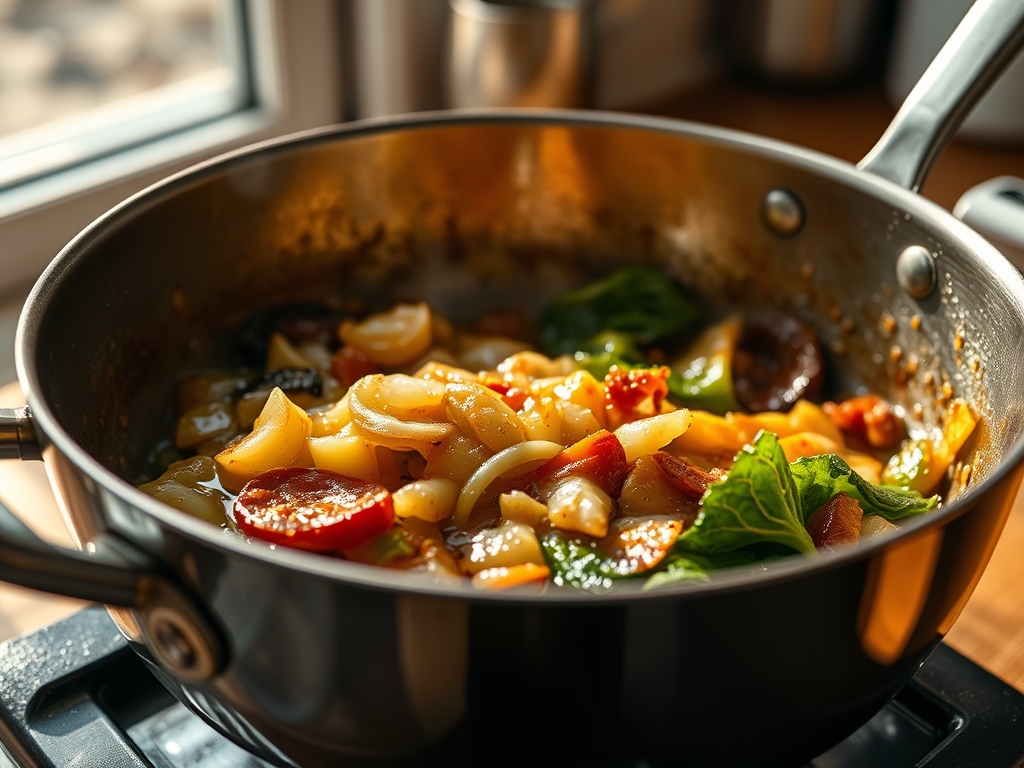
Step 1: Thermal Calibration and Mise en Place
Before the first drop of oil hits the pan, your station must be flawless. Use a digital scale to measure your aromatics and place them in small ramekins. Dry the Bok Choy aggressively. Any surface moisture will turn your sear into a soggy braise. Heat your wok or heavy-bottomed stainless steel pan over maximum flame until a drop of water "dances" and evaporates instantly.
Pro Tip: This is the Leidenfrost effect. If the water simply sits and boils, your pan is too cold. Wait for the molecular agitation that signals the metal is ready to render the oil into a shimmering, low-viscosity state.
Step 2: The Aromatic Infusion
Add the neutral oil to the pan, swirling to coat the sides. Immediately introduce the ginger and garlic. You have approximately 15 seconds before the sugars in the garlic burn. Use a silicone spatula or a traditional wok spatula to keep the aromatics in constant motion.
Pro Tip: We are performing a rapid fat-soluble extraction. The heat allows the essential oils in the ginger to infuse the cooking medium, creating a flavor base that will coat every square millimeter of the greens.
Step 3: High-Velocity Searing
Launch the Bok Choy into the pan. You should hear a violent hiss. Do not crowd the pan; if necessary, work in batches. Press the cut sides of the stalks against the hot metal for 60 seconds to achieve a golden-brown char. This is the Maillard reaction in action, creating complex flavor compounds that raw greens lack.
Pro Tip: Use a bench scraper to quickly clear any stray garlic bits that might be browning too fast. Professional chefs use the weight of the pan to toss the vegetables, ensuring they aerate and cook evenly through convection.
Step 4: Deglazing and Emulsification
Whisk the soy sauce and sugar together in a small saucier. Pour the mixture around the perimeter of the pan, not directly onto the vegetables. The liquid will flash-boil as it runs down the sides, creating a concentrated steam that wilts the leaves in seconds while the sugars deglaze the flavorful browned bits from the bottom of the pan.
Pro Tip: The sugar acts as a bridge between the salt of the soy and the bitterness of the greens. It also increases the viscous quality of the sauce, allowing it to cling to the smooth stalks rather than pooling at the bottom.
Step 5: The Final Finish
Remove from heat immediately. Drizzle with toasted sesame oil and toss one last time. The residual heat is sufficient to "cook" the sesame oil without scorching its delicate volatile compounds. Transfer to a chilled plate to stop the cooking process instantly.
Pro Tip: Use precision plating tongs to stack the Bok Choy with the charred faces upward. This preserves the visual integrity and prevents the leaves from becoming trapped under the stalks where they would continue to steam and lose their vibrant color.
Section B: Prep & Timing Fault-Lines:
The most common human error is "The Crowd." Overloading the pan drops the surface temperature below the threshold for searing, resulting in boiled greens. If you see liquid pooling in the bottom of the wok, you have failed the thermal audit. Drain the liquid immediately, crank the heat, and finish with a splash of high-quality oil. Another fault-line is the "Garlic Burn." If your garlic turns black, it becomes acrid. If this happens, wipe the pan and start over; there is no chemical fix for carbonized garlic.
THE VISUAL SPECTRUM
Section C: Thermal & Visual Troubleshooting:
Referencing the Masterclass photo, notice the high-contrast "char" on the white stalks. This is the hallmark of a successful sear. If your stalks are uniform white with no browning, your pan temperature was insufficient. If the leaves appear dull olive-green rather than the vibrant emerald seen in the image, you have overcooked them. The goal is a "gradient of texture." The base of the stalk should be firm, the middle tender, and the leaves barely wilted. If your sauce appears thin and watery rather than the glossy, viscous sheen in the photo, ensure you are using the sugar-soy ratio correctly to facilitate a rapid reduction.
THE DEEP DIVE
Macro Nutrition Profile:
A standard serving provides approximately 140 calories, 11g of healthy fats (primarily monounsaturated from the avocado oil), 6g of carbohydrates, and 3g of protein. It is a micronutrient powerhouse, delivering over 100% of your daily Vitamin K and Vitamin A requirements.
Dietary Swaps:
- Vegan: Already compliant. Ensure your sugar is bone-char free.
- Keto: Eliminate the granulated sugar. Use a drop of liquid monk fruit or simply rely on the natural sweetness of the scorched garlic.
- GF: Replace standard soy sauce with liquid aminos or certified Gluten-Free Tamari.
Meal Prep & Reheating Science:
Bok Choy is notoriously difficult to reheat because the microwave destroys the delicate cellular walls. To maintain molecular structure, reheat in a hot pan with a teaspoon of water and a lid for 45 seconds. This "re-steams" the dish without making it mushy.
THE KITCHEN TABLE
Why is my Bok Choy bitter?
Bitterness usually stems from undercooking the stalks or using older, larger plants. Smaller "baby" varieties are naturally sweeter. Ensure you use a pinch of sugar to chemically balance the natural alkaloids found in cruciferous vegetables.
Can I use Olive Oil?
Negative. Extra virgin olive oil has a low smoke point and will break down into acrid compounds at the temperatures required for a proper stir fry. Stick to avocado, grapeseed, or refined peanut oil for high-velocity thermal work.
How do I get that restaurant gloss?
The gloss is a result of a rapid emulsion between the oils and the soy-sugar reduction. If it looks dull, add a teaspoon of cornstarch slurry (1 part starch, 2 parts water) during the final 30 seconds of execution.
Should I wash it before or after cutting?
Wash it after cutting. Dirt often hides in the base of the stalks. Halve them first, then submerge in cold water. Crucially, spin them dry in a salad spinner to ensure no surface water interferes with the sear.