Forget the wallpaper paste that masquerades as a side dish at your local diner; we are here to discuss the structural integrity of the king of starches. When we talk about Mashed Potato Density, we are not just discussing how much butter you can fold into a bowl before it collapses. We are analyzing the specific gravity of the Russet versus the Yukon Gold. We are auditing the cellular breakdown of the tuber. Imagine the sensation of a cloud that has been reinforced with the velvet richness of high-fat dairy. It should be light enough to aerate on the tongue yet substantial enough to hold a well of liquid gold gravy without breaching the perimeter. This is culinary infrastructure. We are building a foundation of starch gelatinization where every granule of amylose is perfectly hydrated and every fat globule is suspended in a stable emulsion. If your current output is gummy, translucent, or weeping water, your infrastructure is failing. It is time to tear down the old methods and rebuild with precision.
THE DATA MATRIX
| Metric | Specification |
|---|---|
| Prep Time | 20 Minutes |
| Execution Time | 30 Minutes |
| Yield | 4 Standard Servings |
| Complexity | 4 / 10 |
| Estimated Cost per Serving | $1.15 USD |
THE GATHERS
Ingredient Protocol:
- 1 kg / 2.2 lbs High-Starch Potatoes (Russet or Idaho)
- 250 ml / 1 cup Heavy Cream (Minimum 36% Milkfat)
- 115 g / 1 stick Unsalted European-Style Butter (High butterfat content)
- 15 g / 1 tbsp Diamond Crystal Kosher Salt
- 2 g / 0.5 tsp Freshly Cracked White Pepper
- 10 g / 2 tsp Chives (Finely minced for garnish)
Section A: Ingredient Quality Audit:
If you find yourself holding a bag of waxy Red Bliss potatoes, stop immediately. Waxy potatoes have low Mashed Potato Density and high moisture content; they will turn into a gluey, cohesive mess if overworked. If you are stuck with them, do not use a mixer. Use a hand masher and accept a rustic texture. If your butter smells "refrigerator-stale," it will ruin the delicate profile of the potato. Always use unsalted butter to maintain total control over the sodium levels. If your cream is too thin, the emulsion will break, leading to a greasy pool at the bottom of the bowl. Ensure your dairy is fresh and high-fat to provide the necessary viscosity for a stable starch-fat matrix.
THE MASTERCLASS
1. The Precision Cube and Cold Start
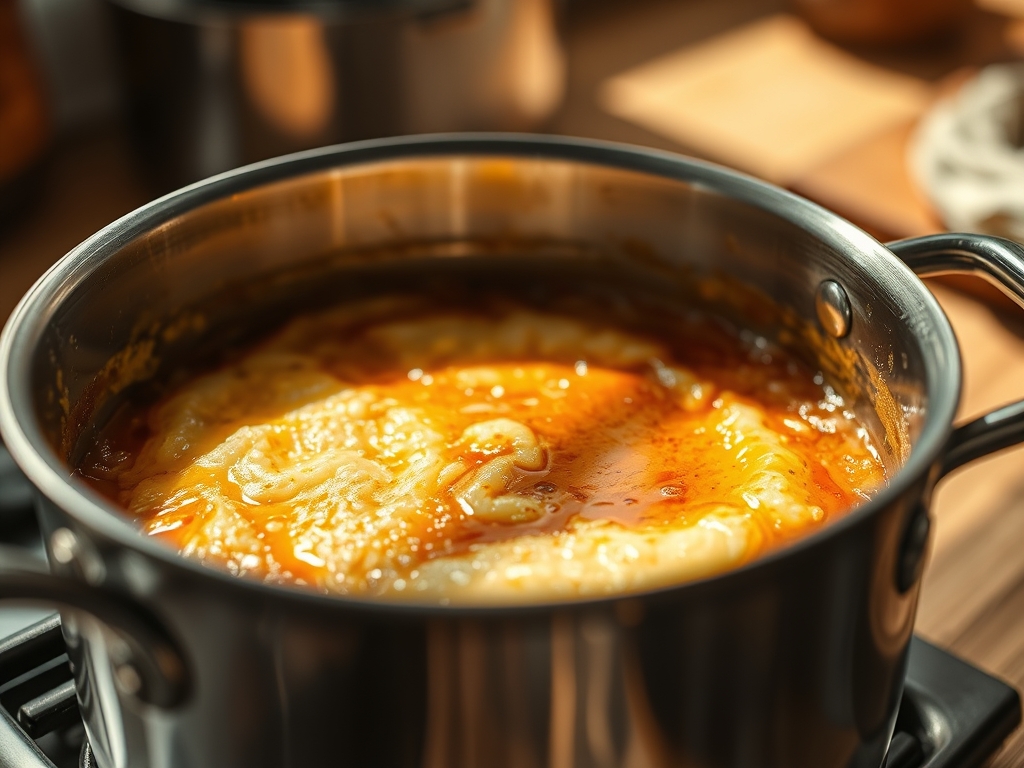
Peel your tubers and cube them into uniform 2.5 cm / 1 inch pieces using a sharp chef knife. Place them in a heavy-bottomed saucier and cover with cold, heavily salted water. Starting with cold water ensures the exterior of the potato doesn't overcook and slough off before the center reaches the gelatinization point.
Pro Tip: Use a digital scale to measure your salt. Water should be as salty as the sea. This seasons the starch from the inside out, which is chemically impossible to achieve once the starch has already set.
2. The Controlled Simmer
Bring the water to a boil, then immediately reduce to a steady simmer. Do not allow a rolling boil to beat the potatoes into submission; this ruptures the starch cells prematurely. Cook until a paring knife slides in and out with zero resistance.
Pro Tip: Use a thermometer to check the internal temperature. Starch gelatinization occurs between 60C and 70C (140F to 158F). We are aiming for a final internal temp of 95C (203F) to ensure total cellular breakdown without disintegration.
3. The Dehydration Phase
Drain the potatoes thoroughly. Return them to the warm saucier over low heat for 60 seconds. Shake the pan constantly. You will see a white film of starch form on the bottom. This is the moisture leaving the building.
Pro Tip: Removing excess water is the secret to high Mashed Potato Density. By eliminating H2O, you create "room" in the cellular structure to infuse fat and cream.
4. The Mechanical Breakdown
Pass the hot potatoes through a fine-mesh ricer or a food mill directly into a clean bowl. Do not use a food processor. The high-speed blades will shear the starch molecules, releasing amylose and turning your masterpiece into library paste.
Pro Tip: Use a bench scraper to clear the bottom of the ricer. This ensures every gram of potato is utilized and keeps your workstation clean, preventing dried starch flakes from falling into the smooth mix.
5. The Emulsion Integration
In a separate small pot, heat your cream and butter until the butter is fully rendered and the liquid is steaming. Slowly fold this hot mixture into the riced potatoes using a silicone spatula. Do not whip; fold until just combined.
Pro Tip: Adding cold dairy to hot potatoes shocks the starch and causes it to tighten. By matching the temperatures, you create a seamless, viscous emulsion that feels like silk on the palate.
Section B: Prep & Timing Fault-Lines:
The biggest failure in potato infrastructure is the "Wait Time." If you let riced potatoes sit and cool before adding your fats, the starch begins to retrogress. This makes it impossible to achieve a smooth texture. Always have your dairy hot and ready the moment the potatoes are riced. If your timing is off, keep the riced potatoes in a warm oven (covered) for no more than ten minutes. Any longer and they will lose their aromatic volatile compounds.
THE VISUAL SPECTRUM
Section C: Thermal & Visual Troubleshooting:
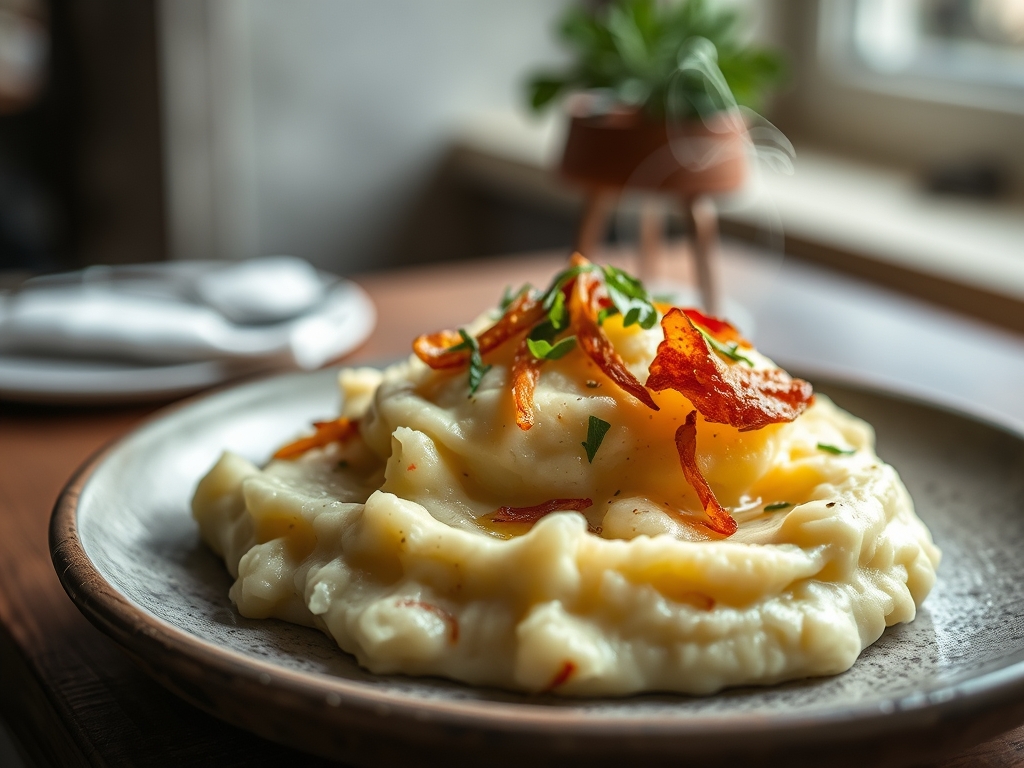
Look at the Masterclass photo above. Notice the matte finish with a slight sheen; this indicates a perfect fat-to-starch ratio. If your potatoes look dull and chalky, you have under-hydrated the starch; add more warm cream. If they look shiny and translucent, you have overworked the starch and released too much amylose. If the color is greyish, you likely used a reactive aluminum pot; always use stainless steel or enameled cast iron. The garnish of chives should be vibrant green; if they look dark or wilted, they were added to potatoes that were too hot or they were cut with a dull knife, bruising the cell walls.
THE DEEP DIVE
Macro Nutrition Profile:
A standard serving (approx. 200g) contains roughly 320 calories, 18g of fat, 35g of carbohydrates, and 4g of protein. While starch-heavy, the high-quality fats provide satiety.
Dietary Swaps:
- Vegan: Replace butter with a high-quality vegan block (oil-based) and use full-fat oat milk or cashew cream to maintain the viscous mouthfeel.
- Keto: This is a starch-heavy dish; however, you can swap 50% of the potato for steamed cauliflower to lower the net carbs while maintaining the structural integrity.
- GF: Naturally gluten-free, but ensure your salt and spices are not processed in a facility with wheat cross-contamination.
Meal Prep & Reheating Science:
To reheat, do not use a microwave; it creates hot spots that break the emulsion. Use a double boiler (bain-marie) and add a splash of warm milk. This gently relaxes the starch molecules without separating the fats, maintaining the original Mashed Potato Density.
THE KITCHEN TABLE
Why are my potatoes gluey?
You likely over-agitated the starch. Using a blender or over-mixing releases too much amylose. Once the starch cells rupture and link together, the texture becomes elastic and gummy. Stick to a ricer or food mill for a clean break.
Can I peel the potatoes after boiling?
Yes, this is the "French Method." Boiling in the skins protects the starch from excess water absorption. However, it requires handling scorching hot tubers, which can be inefficient for high-volume production.
Should I add garlic to the water?
Absolutely. To infuse a subtle flavor, boil smashed garlic cloves with the potatoes. When you rice the potatoes, the garlic will be pulverized and distributed evenly throughout the matrix without leaving piquant chunks.
How much salt is too much?
Potatoes are starch sponges. You need more salt than you think. If the water tastes like a well-seasoned soup, you are on the right track. Always taste the final product before the final fold.