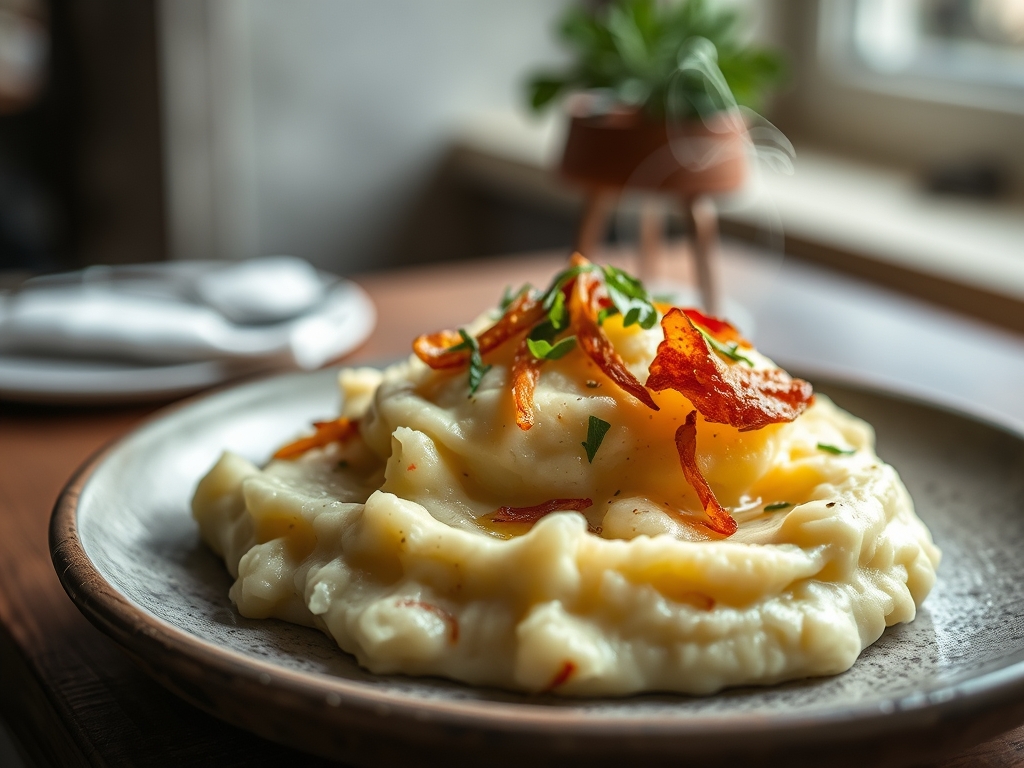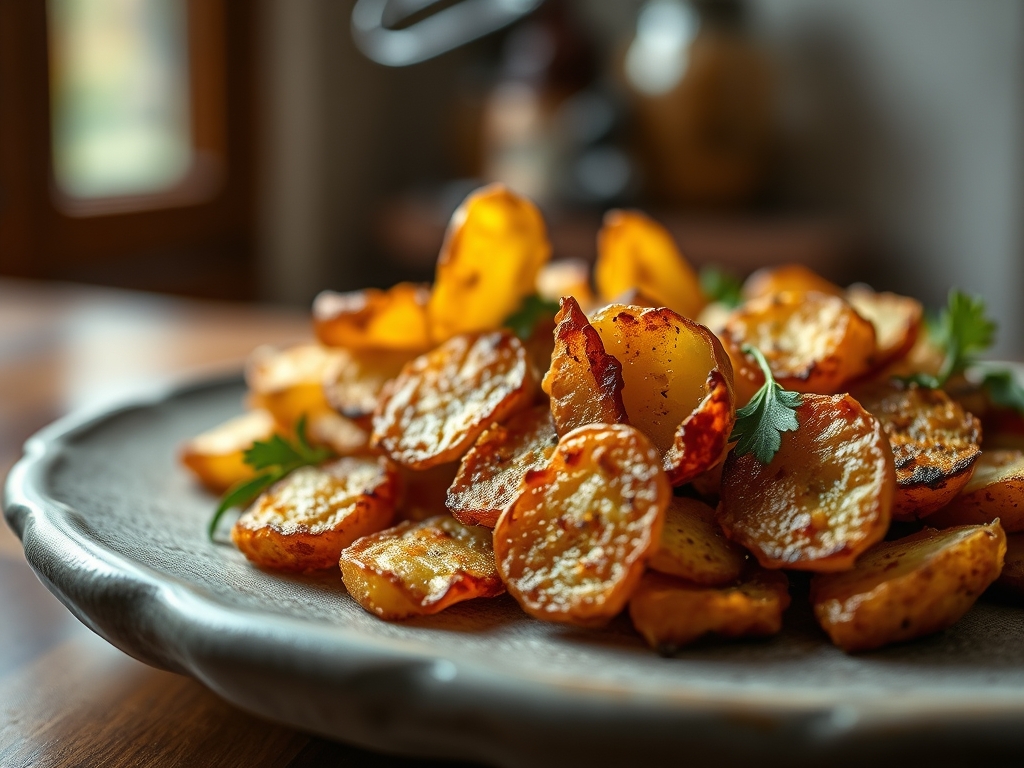
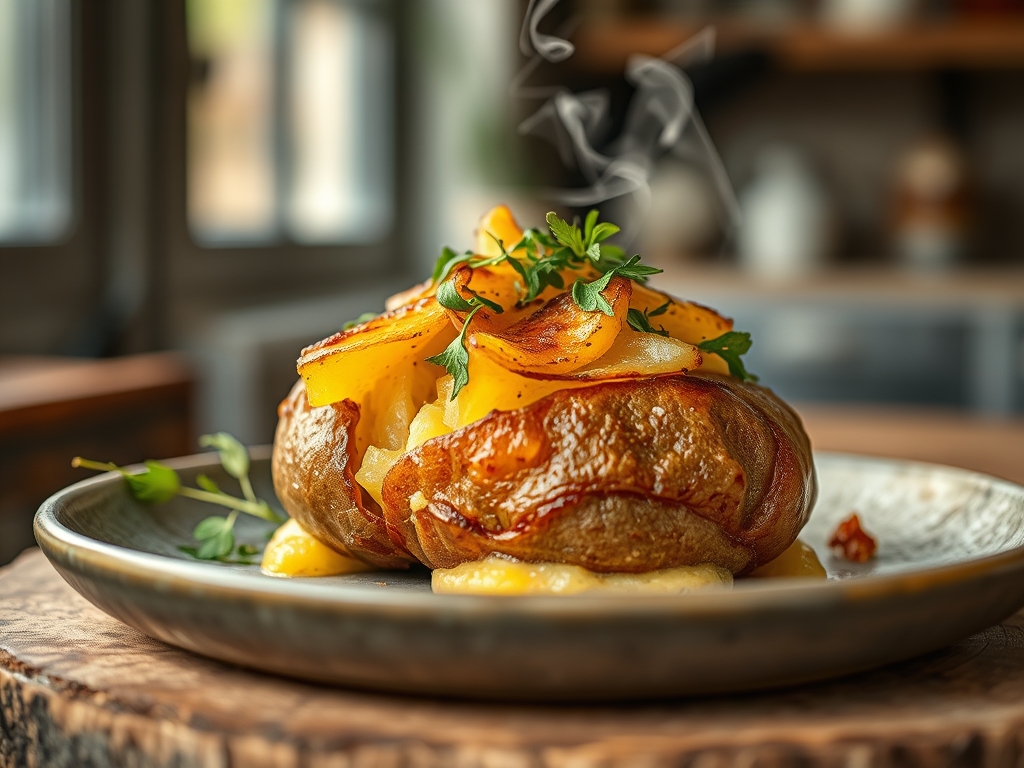
The humble Russet potato is not merely a side dish; it is a pressurized thermal vessel waiting to undergo a phase change. When you slide that starch-heavy tuber into a 400-degree environment, you are initiating a masterclass in Baked Potato Physics. We are talking about the internal migration of moisture as it battles against a lignin-reinforced skin. The goal is a total cellular collapse of the internal starch granules, transforming a dense, earthy rock into a cloud of crystalline fluff. If you fail to respect the steam pressure, you end up with a gummy, waterlogged disaster that lacks the structural integrity to hold a dollop of butter. We demand more from our carbohydrates. We want a skin that shatters like parchment and an interior so aerated it practically defies gravity. This is about the intersection of thermodynamics and horticulture. We are auditing the very infrastructure of the potato to ensure that every forkful is a triumph of engineering. Grab your digital scale and prepare for a molecular overhaul of the classic baked potato.
THE DATA MATRIX
| Metric | Specification |
|---|---|
| Prep Time | 10 Minutes |
| Execution Time | 65 Minutes |
| Yield | 4 Servings |
| Complexity (1-10) | 3 |
| Estimated Cost per Serving | $0.85 USD |
THE GATHERS
Ingredient Protocol:
- 4 Large Russet Potatoes (approx. 340g / 12oz each)
- 30ml / 2 tbsp Extra Virgin Olive Oil
- 15g / 1 tbsp Flaky Sea Salt
- 60g / 4 tbsp Unsalted Butter (high fat content)
- 60ml / 0.25 cup Sour Cream or Creme Fraiche
- 5g / 1 tsp Fresh Chives (finely minced)
Section A: Ingredient Quality Audit:
The most common failure point is selecting a waxy potato like a Yukon Gold for a high-pressure bake. Waxy potatoes have low starch and high moisture; they will never aerate properly. You must use Russets for their high amylose content. If your potatoes feel soft or have sprouted, the sugars have already begun to convert, which will lead to uneven browning and a sickly sweet aftertaste. To fix sub-par, older tubers, soak them in an ice bath for thirty minutes to rehydrate the cellular walls before drying them aggressively. Ensure your salt is flaky; table salt is too dense and will not provide the textural contrast required for a superior crust.
THE MASTERCLASS
1. The Surface Dehydration Phase
Scrub your tubers under cold water to remove debris. Use a lint-free kitchen towel to bone-dry the skin. Moisture is the enemy of the Maillard reaction. If the skin is damp, the oven's energy will be wasted evaporating surface water rather than crisping the epidermis.
Pro Tip: Use a digital scale to ensure all potatoes are within 20 grams of each other. This ensures uniform thermal penetration across the entire batch. If they are mismatched, your timing will be catastrophic.
2. The Ventilation Protocol
Prick the skin 6 to 8 times with a fork, penetrating at least 1cm deep. This is the "pressure relief valve" of Baked Potato Physics. Without these vents, the internal steam builds up to a critical point, often resulting in a dense, gummy interior or, in extreme cases, a structural rupture.
Pro Tip: Use a bench scraper to clear your station of any potato debris. Keeping a clean workspace prevents cross-contamination of grit onto the finished, oiled skins.
3. The Lipid Barrier Application
Massage the olive oil into the skin until every pore is coated. This viscous layer conducts heat more efficiently than air alone. Immediately follow with a generous dusting of flaky salt. The salt acts as a desiccant, drawing out the final remnants of moisture from the skin to create a "shatter-effect" texture.
Pro Tip: Apply the oil using a silicone pastry brush or your hands to ensure an even render of the skin's natural fats during the high-heat phase.
4. The Thermal Saturation
Place the potatoes directly on the oven rack at 204C / 400F. Do not use aluminum foil. Wrapping a potato in foil is not baking; it is steaming. Steaming results in a wet, papery skin and a heavy interior. We want the hot air to circulate 360 degrees around the tuber.
Pro Tip: Place a baking sheet on the rack below to catch any oil drips. This prevents smoke and keeps the oven's internal atmosphere clean for an untainted infuse of heat.
5. The Internal Rupture
Once the internal temperature reaches 96C / 205F, remove the potatoes. Immediately slice a longitudinal line down the center. Use a clean towel to "smash" the ends toward the center. This mechanical action forces the steam to escape instantly, preventing it from reabsorbing into the starch and turning it into a paste.
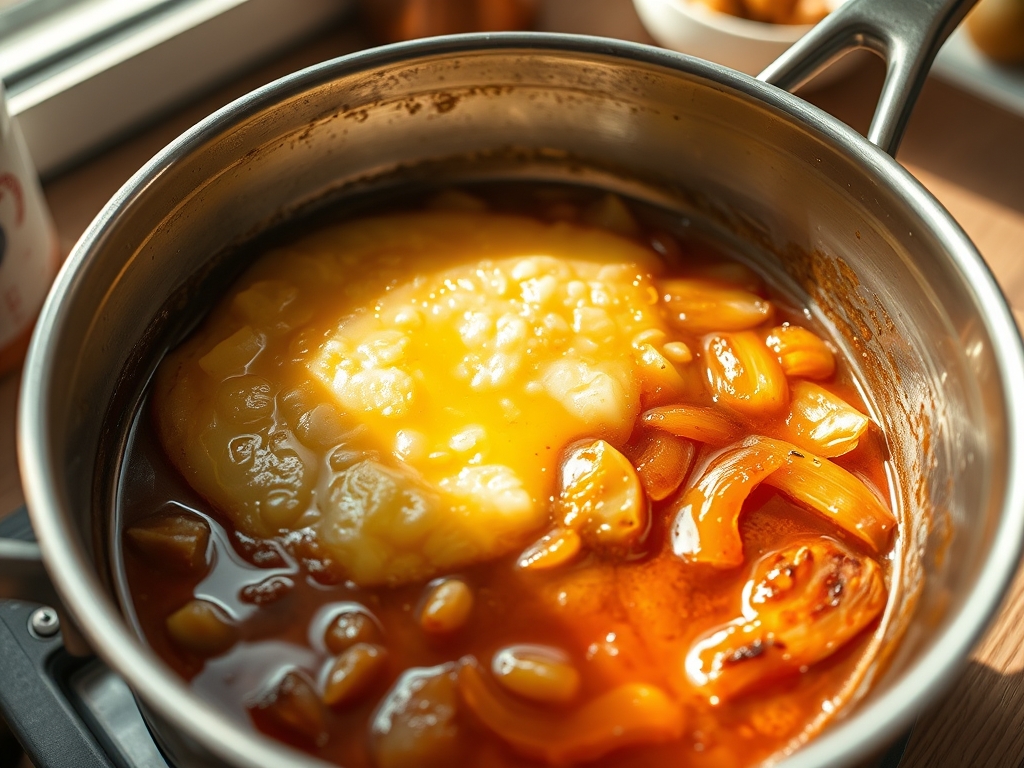
Pro Tip: Use a saucier to melt your butter with a pinch of salt before pouring it into the opening. This ensures the fat penetrates the crystalline starch structures immediately.
Section B: Prep & Timing Fault-Lines:
The biggest human error is the "wait time." If you let a baked potato sit for ten minutes before cutting it open, the internal steam cools and condenses. This turns your fluffy masterpiece into a soggy weight. If your timing is off and the rest of the meal isn't ready, keep the potatoes in a turned-off oven with the door cracked. Never, under any circumstances, refrigerate a potato before the final bake; the cold temperature converts starch to sugar, ruining the fluff factor.
THE VISUAL SPECTRUM
Section C: Thermal & Visual Troubleshooting:
Referencing the Masterclass photo, you are looking for a "matte-to-shimmer" transition on the skin. If the skin looks dull and grey, you lacked sufficient lipid coverage or the oven temperature was too low. If the interior is yellow rather than snowy white, the potato was likely a low-starch variety or undercooked. Uneven browning usually indicates poor airflow; ensure you aren't crowding the rack. The "fluff" should look like individual granules of salt, not a cohesive mash. If it looks like paste, you failed to "vent" the potato immediately upon removal from the heat.
THE DEEP DIVE
Macro Nutrition Profile:
A standard 340g Russet provides approximately 290 calories, 64g of complex carbohydrates, and 7g of protein. It is a potassium powerhouse, containing more than a banana. The addition of lipids (butter/sour cream) increases the caloric density but lowers the overall Glycemic Index by slowing glucose absorption.
Dietary Swaps:
- Vegan: Replace butter with a high-quality avocado oil or a cashew-based cultured cream to maintain the piquant tang of traditional sour cream.
- Keto: This is a high-carb infrastructure. For a keto alternative, apply the same thermal principles to a head of cauliflower, though the Baked Potato Physics will differ significantly.
- GF: Naturally gluten-free. Ensure your sour cream does not contain modified food starch thickeners.
Meal Prep & Reheating Science:
To maintain the molecular structure when reheating, avoid the microwave. The microwave agitates water molecules, which collapses the starch cells. Instead, use an air fryer or oven at 175C / 350F to re-crisp the skin and gently aerate the interior.
THE KITCHEN TABLE
Why is my potato skin soft instead of crispy?
You likely wrapped it in foil or didn't use enough salt. Foil traps steam, which hydrates the skin. Salt acts as a desiccant to pull moisture out, allowing the skin to crisp in the oil.
Can I bake potatoes at a higher temperature to save time?
You can go up to 218C / 425F, but you risk burning the skin before the center reaches the critical 96C for starch gelatinization. Lower and slower (within reason) ensures a more uniform cellular breakdown.
Do I really need to poke holes in the potato?
Yes. Without ventilation, the internal pressure can cause the potato to split unevenly or even explode. More importantly, it allows the first stage of steam to escape, preventing a gummy texture.
What is the best way to fluff the inside?
Use a fork to cross-hatch the interior starch immediately after the initial "smash." This increases the surface area, allowing the butter to infuse every single starch granule rather than just sitting on top.