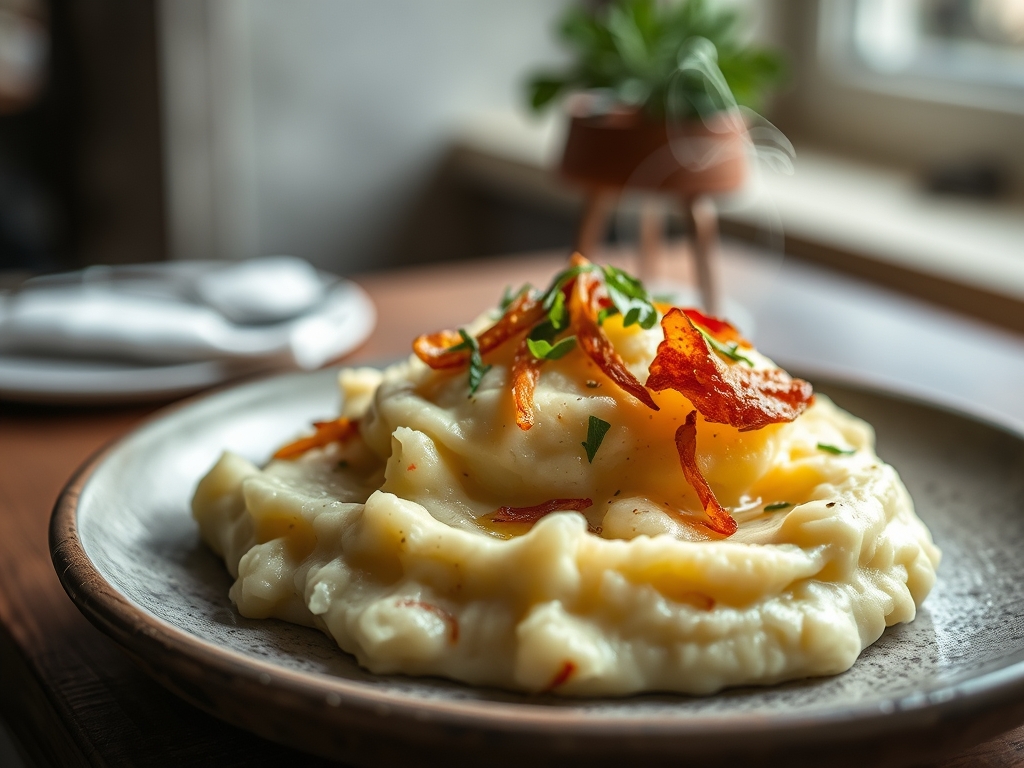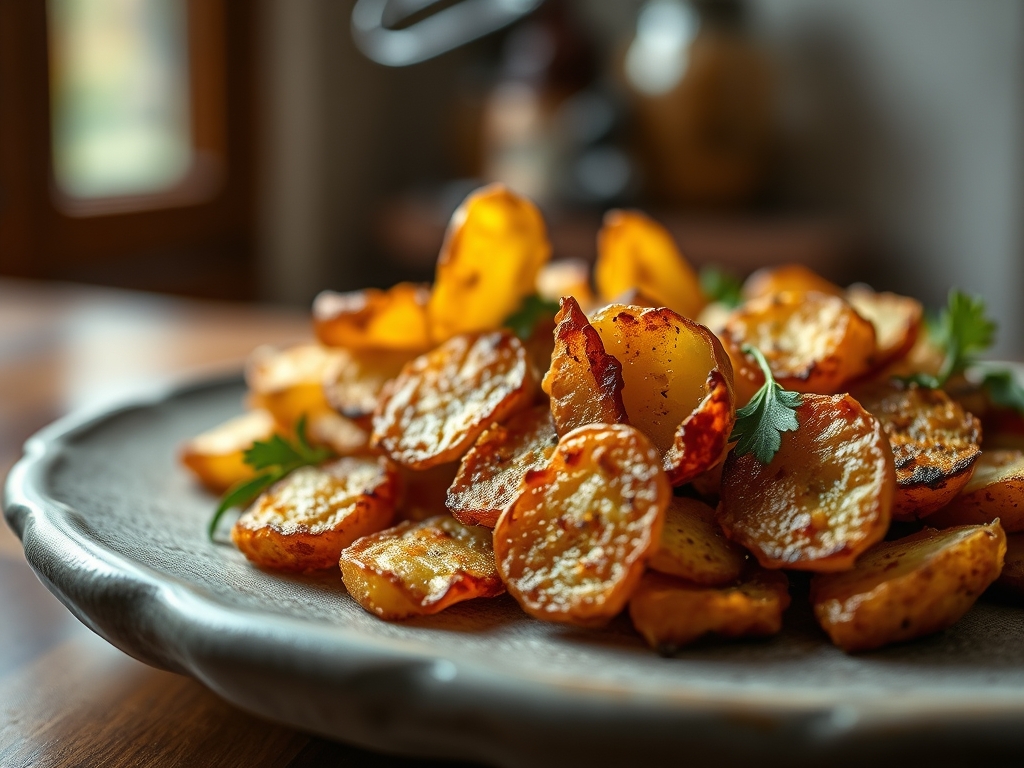
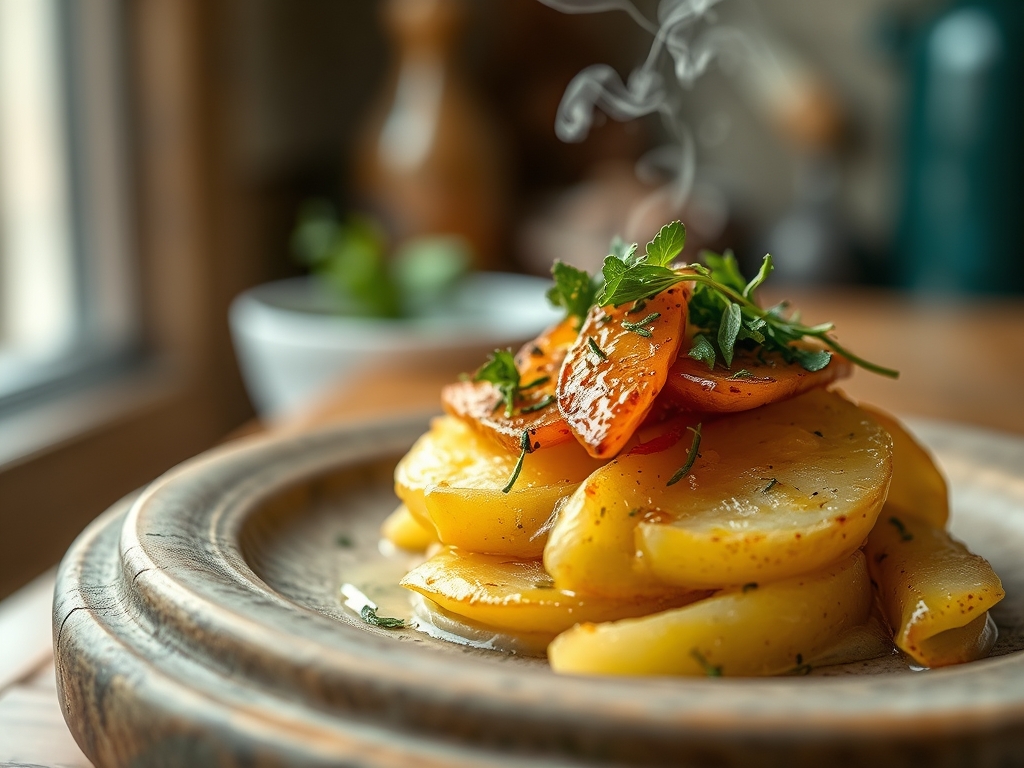
Welcome to the front lines of the Maillard frontline; a place where starch meets fat in a high stakes dance of thermal conductivity. We are not just making dinner here. We are conducting a comprehensive Lyonnaise Potato Audit to ensure your kitchen infrastructure can handle the rigorous demands of sugar-amino acid transformations. If you think this is a simple side dish; you are mistaken. This is a structural engineering project involving the caramelization of Allium cepa and the crisping of Solanum tuberosum. We are hunting for that perfect intersection of a creamy interior and a shattered glass exterior. The air should smell of nutty butter and the sharp; piquant aroma of softened onions. If your potatoes are mushy or your onions are charred into bitter carbon sticks; your system has failed the inspection. Prepare to recalibrate your sensors and sharpen your knives. We are diving deep into the molecular mechanics of the classic Lyonnaise potato to ensure every bite delivers maximum savory impact and structural integrity.
THE DATA MATRIX
| Metric | Specification |
|---|---|
| Prep Time | 20 Minutes |
| Execution Time | 35 Minutes |
| Yield | 4 Servings |
| Complexity (1-10) | 6 |
| Estimated Cost per Serving | $1.25 |
THE GATHERS
Ingredient Protocol:
- 1 kg / 2.2 lbs Yukon Gold Potatoes (Waxy variety required)
- 300g / 2 Large Yellow Onions (High sugar content for Maillard)
- 60g / 4 tbsp Unsalted Butter (High milk solid content)
- 30ml / 2 tbsp Neutral Oil (High smoke point for searing)
- 15ml / 1 tbsp Fresh Parsley (Minced for aromatic lift)
- 5g / 1 tsp Flaky Sea Salt
- 2g / 0.5 tsp Freshly Cracked Black Pepper
Section A: Ingredient Quality Audit:
The primary failure point in a Lyonnaise Potato Audit is selecting the wrong potato cultivar. If you use a starchy Russet; the internal structure will collapse into mash before the exterior achieves a golden hue. You must utilize a waxy or all purpose potato like the Yukon Gold to maintain cellular rigidity during the parboiling phase. If your onions are sprouting; their sugar levels have depleted; resulting in a dull flavor profile rather than a deep; viscous caramelization. To fix sub-par onions; add a pinch of granulated sugar during the render phase to jumpstart the browning process. If your butter smells "refrigerator-stale;" the fats have oxidized. Always use fresh; high quality butter to ensure the infuse stage provides that signature nutty aroma.
THE MASTERCLASS
1. Precision Slicing and Parboiling
Peel your potatoes and slice them into uniform 6mm rounds using a mandoline or a sharp chef knife. Place them in a large pot of cold salted water. Bring to a boil and simmer for 5 to 7 minutes until just tender but not falling apart. Drain and let them air dry on a wire rack.
Pro Tip: Air drying is critical for the Lyonnaise Potato Audit. Excess surface moisture consumes thermal energy through evaporation; delaying the Maillard reaction. Use a digital scale to ensure your potato slices are uniform in weight for even cooking.
2. The Onion Caramelization Protocol
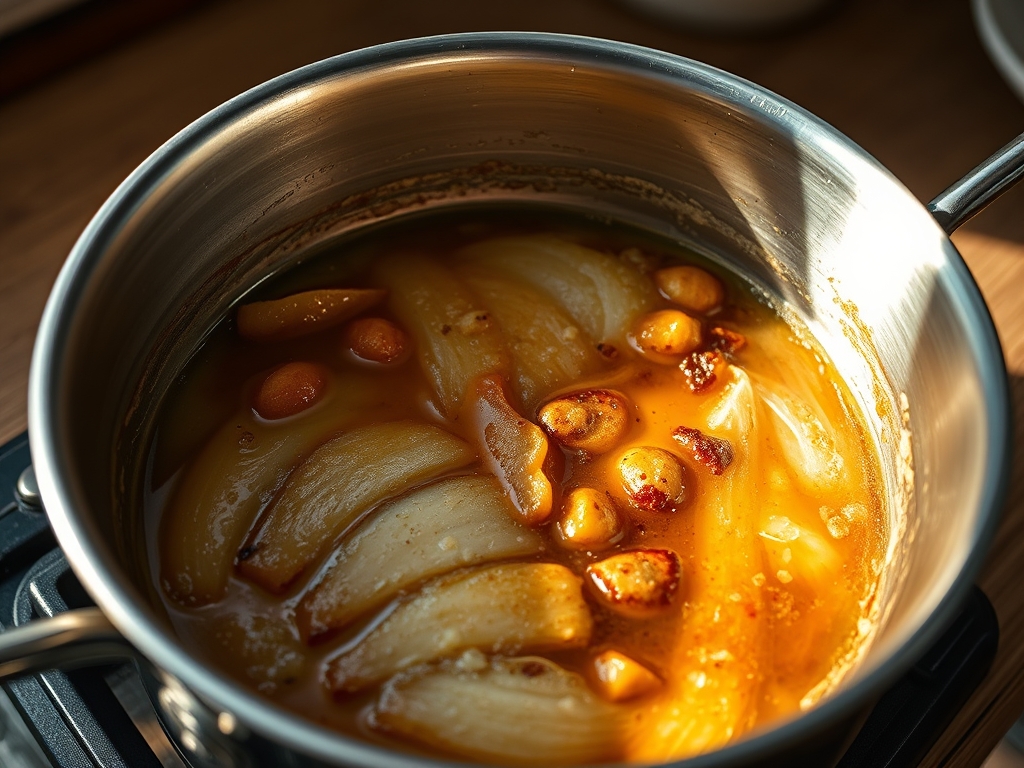
While the potatoes dry; thinly slice your onions. In a wide saucier or heavy skillet; melt half the butter over medium heat. Add the onions and a pinch of salt. Cook slowly; stirring frequently with a bench scraper or heat resistant spatula; until they reach a deep mahogany color.
Pro Tip: Salt draws out moisture via osmosis; allowing the onions to soften and brown evenly without burning. This creates a viscous onion jam that will eventually coat the potatoes.
3. The High Heat Sear
Remove the onions from the pan and set aside. Increase the heat to medium high and add the remaining butter and neutral oil. Once the butter stops foaming; indicating the water has evaporated; add the potato slices in a single layer. Do not crowd the pan.
Pro Tip: Crowding the pan drops the surface temperature and causes the potatoes to steam rather than fry. Use a heavy cast iron skillet for its superior heat retention properties to ensure a consistent render of the potato skins.
4. The Final Integration
Once the potatoes are golden brown on both sides; return the caramelized onions to the pan. Toss gently to combine; allowing the onion oils to infuse the potato surfaces. Season with salt; pepper; and fresh parsley. Use a bench scraper to ensure no fond is left on the bottom of the pan.
Pro Tip: This is the deglaze phase where the residual moisture from the onions lifts the flavorful browned bits from the pan; bonding them to the potatoes for a concentrated flavor profile.
Section B: Prep & Timing Fault-Lines:
Human error often manifests in the "rush to brown." If you crank the heat too high early on; you will achieve surface charring while the interior remains raw and chalky. This is a thermal gradient failure. Conversely; if you parboil the potatoes for too long; they will disintegrate when you attempt to flip them in the skillet. Use a timer and a fork to test for "knife-tender" status. If the potatoes are breaking; you have over-hydrated the starch granules. The fix is to let them cool completely in the fridge before frying; which allows the starches to retrogress and firm up.
THE VISUAL SPECTRUM
Section C: Thermal & Visual Troubleshooting:
Referencing the Masterclass photo above; the ideal visual output features distinct potato rounds with a "halo" of golden brown crispness. If your dish looks grey or pale; your pan temperature was too low; failing to trigger the Maillard reaction. If the onions look like black threads; you failed to manage the sugar breakdown; resulting in carbonization. The parsley should be vibrant green; providing a color contrast against the warm browns of the starch. If the parsley is dark and wilted; it was added too early. Always add aromatics at the very end of the thermal cycle to preserve their volatile oils and visual pop. Uneven browning usually indicates a warped pan or poor oil distribution. Ensure your fat layer is even across the entire cooking surface.
THE DEEP DIVE
Macro Nutrition Profile:
A standard serving contains approximately 280 calories; 35g of carbohydrates; 14g of fat; and 4g of protein. The high fat content comes from the butter; which is essential for the flavor profile but can be moderated.
Dietary Swaps:
For a Vegan audit; replace butter with a high quality avocado oil or vegan butter alternative that contains lecithin for better browning. For Keto; this dish is fundamentally incompatible due to the starch content of potatoes; though radishes can be substituted as a low carb structural proxy. This dish is naturally Gluten-Free; provided no flour is used for dusting.
Meal Prep & Reheating Science:
To maintain the molecular structure during reheating; avoid the microwave. Microwaves vibrate water molecules; turning your crispy potatoes into a soggy mess. Instead; use an air fryer or a hot oven (200C / 400F) for 5 minutes. This re-crisps the exterior through rapid dehydration while keeping the interior moist.
THE KITCHEN TABLE
Why are my potatoes sticking to the pan?
This usually happens if the pan wasn't hot enough before adding the fat; or if you tried to flip the potatoes before the Maillard crust had fully formed. Patience is a technical requirement for a successful Lyonnaise Potato Audit.
Can I use red potatoes instead?
Red potatoes are waxy and will hold their shape well; making them an acceptable substitute. However; they have a thinner skin which may not provide the same textural contrast as the robust Yukon Gold.
What is the best onion for this?
Yellow onions are the industry standard due to their balanced sugar and sulfur content. Red onions can turn an unappealing greyish blue when cooked for long periods; which fails the visual audit.
Should I peel the potatoes?
For a formal Lyonnaise Potato Audit; peeling is mandatory. The skin can interfere with the uniform browning of the starch and creates an inconsistent mouthfeel that detracts from the creamy interior.