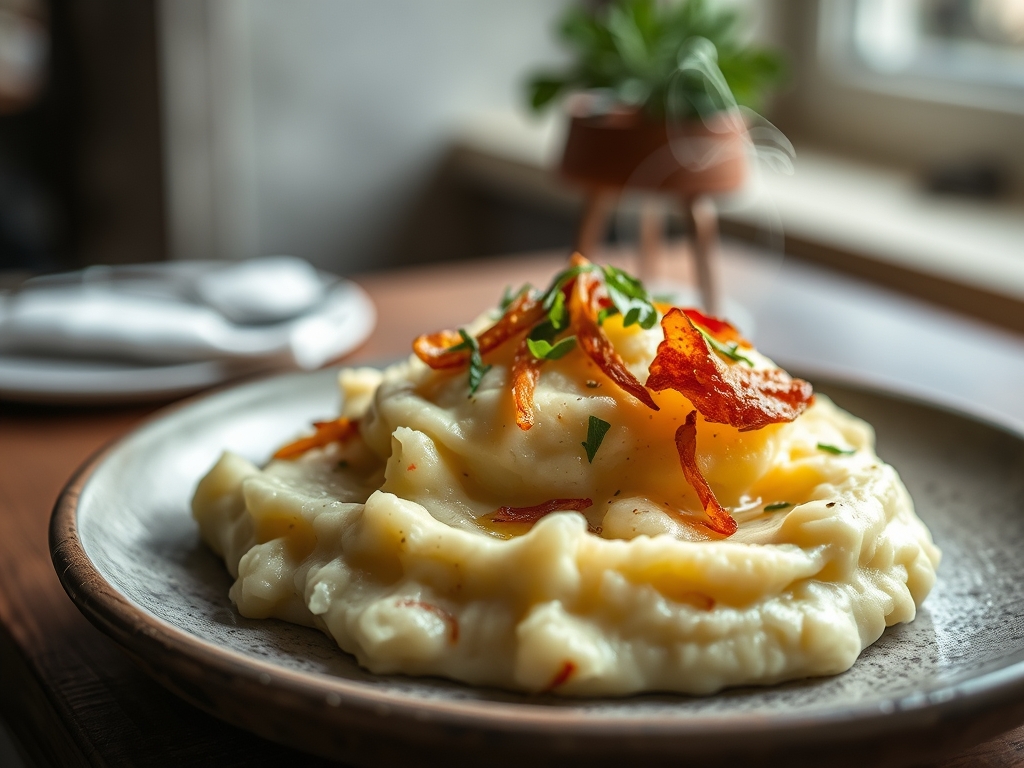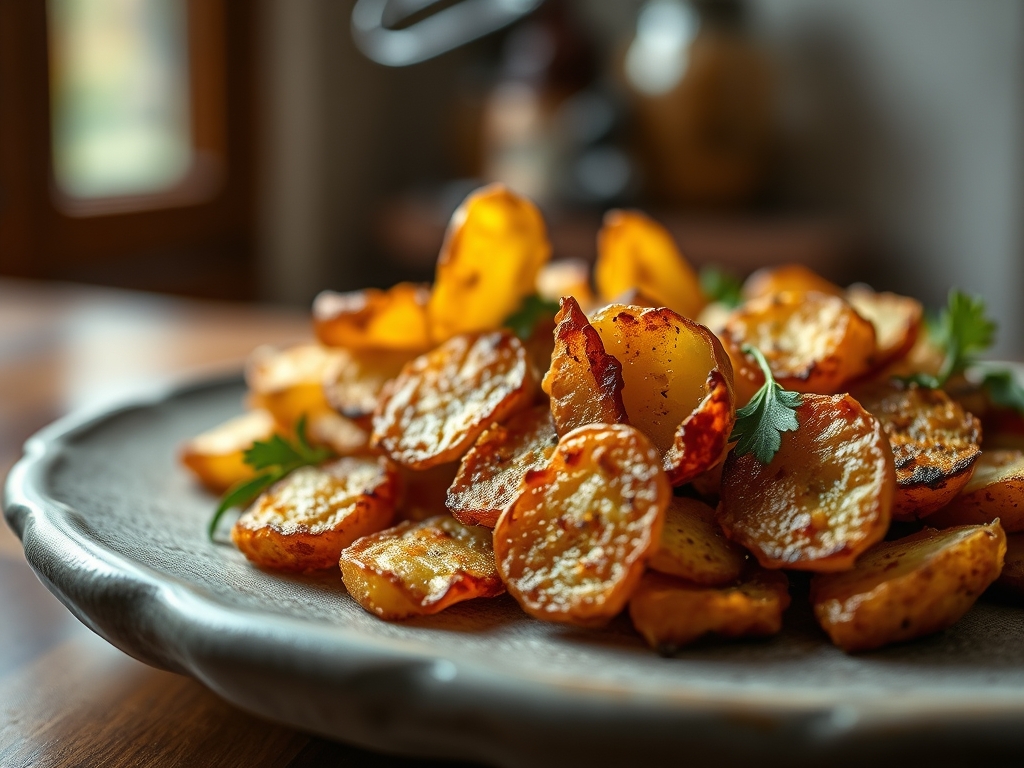
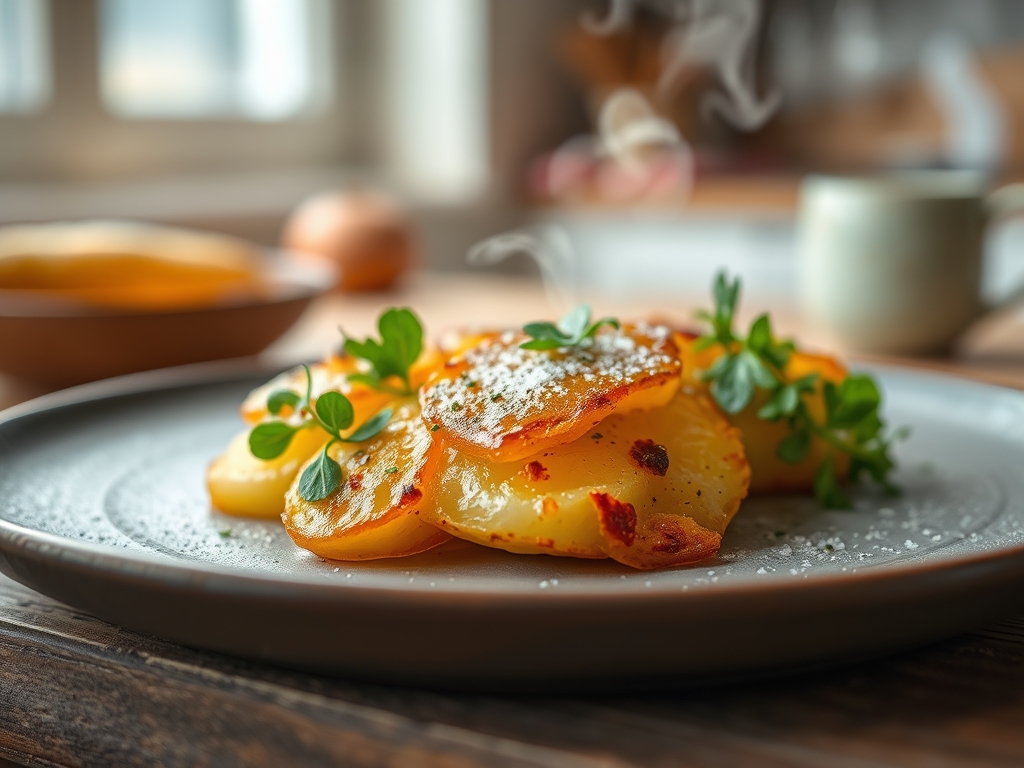
Imagine a world where the humble tuber undergoes a structural metamorphosis; it is no longer a lumpy side dish but a refined architectural marvel of golden ridges and velvet interiors. We are talking about the high stakes world of Duchess Potato Tech. This is not merely mashing; it is an exercise in protein stabilization and moisture management. When the piping bag exerts pressure, the potato starch must be perfectly hydrated to flow through a star tip without shearing, yet rigid enough to maintain its structural integrity under the intense thermal radiation of a convection oven. The goal is a delicate balance of a crisp, Maillard-reactive exterior and a center that feels like silk on the palate. If you fail the emulsification phase, you end up with a weeping pile of starch. If you nail the technique, you produce a side dish that commands respect at any high-end banquet. We are auditing the very foundation of classic French starch engineering to ensure your swirls never slump and your crust never fails to shatter.
THE DATA MATRIX
| Metric | Specification |
|---|---|
| Prep Time | 25 mins |
| Execution Time | 20 mins |
| Yield | 12-15 Swirls |
| Complexity (1-10) | 6 |
| Estimated Cost per Serving | $0.45 |
THE GATHERS
Ingredient Protocol:
- 1 kg / 2.2 lbs Yukon Gold or Russet Potatoes (High starch content is mandatory).
- 60g / 4 tbsp Unsalted Butter (High butterfat content preferred).
- 3 Large Egg Yolks (The primary emulsifying agent).
- 60ml / 1/4 cup Heavy Cream (To infuse richness and adjust viscosity).
- 5g / 1 tsp Fine Sea Salt.
- 1g / 1/4 tsp Nutmeg (Freshly grated for a piquant finish).
- 0.5g / 1/8 tsp White Pepper.
Section A: Ingredient Quality Audit:
Sub-par raw materials are the primary cause of structural collapse in Duchess Potato Tech. If your potatoes are "waxy" (like red skins), the starch granules will not burst correctly; this results in a gummy, translucent paste rather than a fluffy cloud. To fix this, always opt for high-gravity Russets. If your butter has too much water content, the steam will blow the swirls apart from the inside. Technical fix: Use European-style butter with at least 82 percent butterfat to ensure the fat-to-water ratio favors a crisp exterior. If the egg yolks are pale and watery, the "lift" will be nonexistent. Source pasture-raised eggs for a deep golden hue and superior lecithin content to aerate the mixture effectively.
THE MASTERCLASS
Step-by-Step Execution:
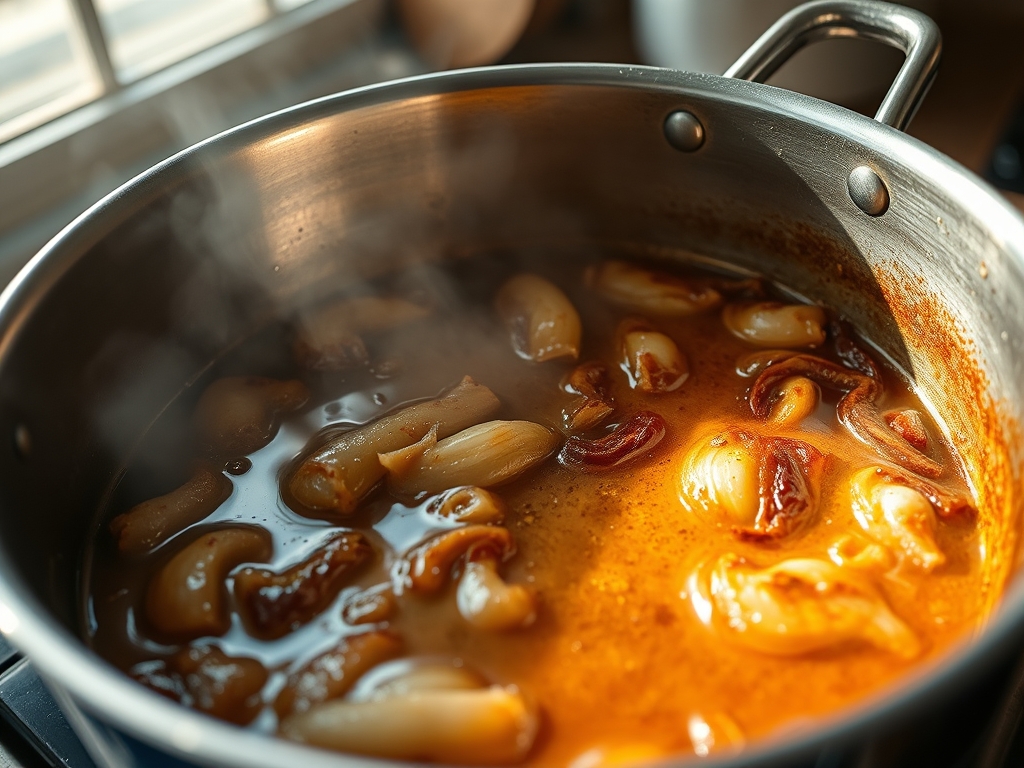
1. Thermal Starch Extraction
Peel and cube the potatoes into uniform 2cm pieces. Place them in a heavy-bottomed pot with cold salted water. Bring to a boil and then simmer until a paring knife slides in with zero resistance.
Pro Tip: Start with cold water on a digital scale to ensure even heat penetration. If you drop potatoes into boiling water, the outside overcooks and sloughs off while the core remains raw; this creates "lumpy starch syndrome."
2. Moisture Dehydration Phase
Drain the potatoes and return them to the hot pot for 60 seconds over low heat. Shake the pot constantly to render out excess steam.
Pro Tip: Moisture is the enemy of the swirl. Use a bench scraper to move the potatoes around; you want the surface of the potato to look dusty and dry. This ensures that the cream and butter you add later are absorbed into the starch cells rather than sitting on the surface.
3. Mechanical Refinement
Pass the hot potatoes through a ricer or a fine-mesh tamis. Do not use a food processor; the high-speed blades will shatter the starch molecules and turn your masterpiece into wallpaper paste.
Pro Tip: Speed is essential here. Work while the potatoes are hot to maintain a viscous but workable texture. A professional saucier whisk can be used afterward to fold in the butter without overworking the proteins.
4. The Emulsion Matrix
Fold in the butter, salt, pepper, and nutmeg until fully incorporated. Once the mixture has cooled slightly (below 60C / 140F), vigorously whisk in the egg yolks and heavy cream.
Pro Tip: If the potatoes are too hot, you will scramble the eggs. Use an infrared thermometer to verify the temperature. The egg yolks provide the protein structure that allows the starch to stand tall during the piping process.
5. Architectural Deployment
Transfer the mixture to a heavy-duty piping bag fitted with a large star tip. Pipe 3-inch concentric circles onto a parchment-lined baking sheet, pulling upward at the end to create a sharp peak.
Pro Tip: Consistency is key for even browning. If your swirls vary in height, the peaks of the tall ones will char before the bases of the small ones are set. Use a steady, even pressure from the top of the bag.
6. Thermal Transformation
Brush the swirls lightly with melted butter or an extra egg wash. Bake at 200C / 400F for 15 to 20 minutes until the ridges are deeply bronzed and the edges are crisp.
Pro Tip: Use the convection setting if available. The moving air accelerates the Maillard reaction on the ridges while keeping the interior moist.
Section B: Prep & Timing Fault-Lines:
The most common timing error is letting the mash cool completely before piping. Once the starch retrogrades, it becomes stiff and "short," leading to jagged, broken lines when extruded. If you are interrupted, keep the mixture in a warm bowl covered with plastic wrap. Another fault-line is the "over-mixing" trap. If you whip the potatoes for too long, you develop a gluey texture that will never crisp up. Stop as soon as the ingredients are homogenous.
THE VISUAL SPECTRUM
Section C: Thermal & Visual Troubleshooting:
The Masterclass photo illustrates the ideal "Golden Ratio" of browning. Notice the deep mahogany on the very tips of the ridges; this provides the bitter-sweet contrast to the salty interior. If your swirls look pale and "sweaty," your oven temperature was too low, causing the fat to leak out before the proteins could set. If the swirls have slumped into flat discs, your mixture was too wet. You can rescue a wet mixture by folding in a tablespoon of dehydrated potato flakes as a stabilizer. If the color is uneven, rotate your tray halfway through the bake to compensate for oven hot spots.
THE DEEP DIVE
Macro Nutrition Profile:
A standard serving of two swirls contains approximately 180 calories, 12g of fat, 18g of carbohydrates, and 3g of protein. The high fat content comes primarily from the butter and egg yolks, which are necessary for the structural integrity of the dish.
Dietary Swaps:
For a Vegan audit, replace butter with a high-fat plant-based block and use aquafaba (chickpea liquid) in place of egg yolks. Note that the structure will be less rigid. For Keto, this dish is fundamentally incompatible due to the starch; however, a cauliflower puree stabilized with xanthan gum and extra egg yolks can mimic the visual effect. This dish is naturally Gluten-Free.
Meal Prep & Reheating Science:
To maintain the molecular structure, do not microwave. Reheat in a 175C / 350F oven for 8 minutes. This re-crisps the exterior through dry heat. You can pipe these ahead of time and refrigerate the raw swirls for up to 24 hours before baking; this actually helps the starch set and results in even better ridge definition.
THE KITCHEN TABLE
Why do my potato swirls collapse in the oven?
Collapse is usually caused by excess moisture or insufficient egg yolk. Ensure you "steam dry" the potatoes after boiling and use the correct ratio of yolks to provide a protein scaffold that hardens during the baking process.
Can I use a hand mixer for the potatoes?
Avoid hand mixers at all costs. The high-speed aeration breaks the starch granules and releases amylose, which turns the mixture gummy. A ricer or food mill is the only way to achieve the required professional texture.
What is the best potato variety for Duchess Tech?
Russets are the gold standard due to their high starch and low moisture content. Yukon Golds are a secondary choice; they offer a buttery flavor and color but require more careful "steam drying" to avoid a soft structure.
How do I get those perfect sharp ridges?
Use a large "closed star" piping tip and ensure the mixture is still warm when piping. If the mixture is too cold, it will resist the tip and create ragged, unattractive edges instead of clean architectural lines.