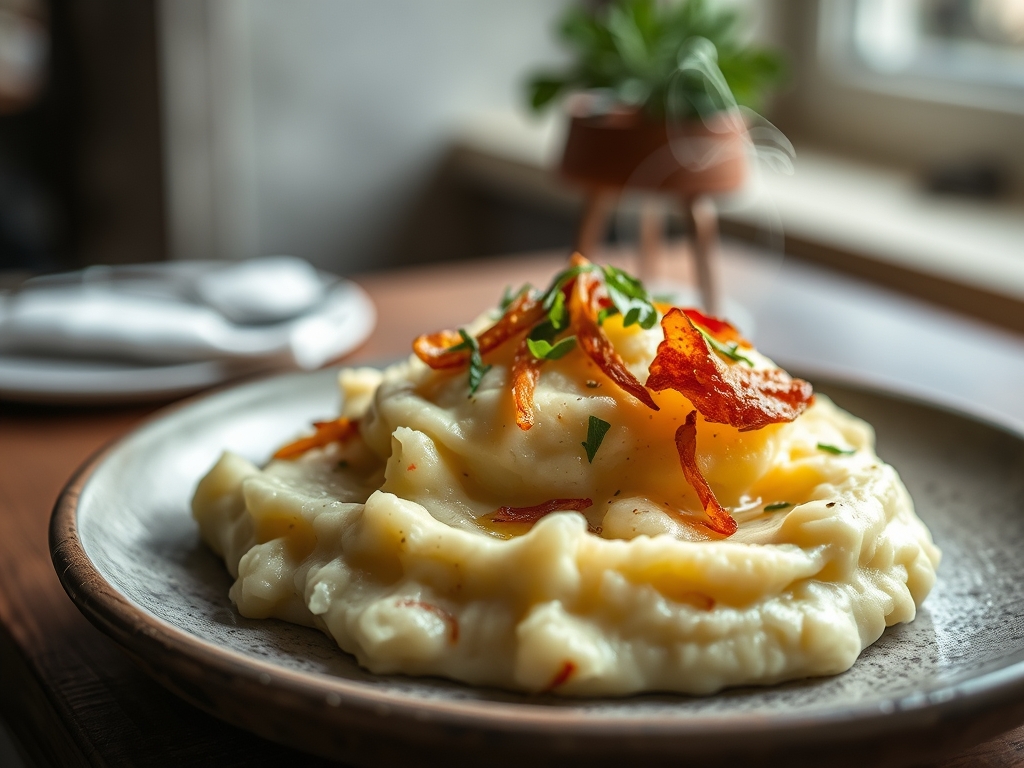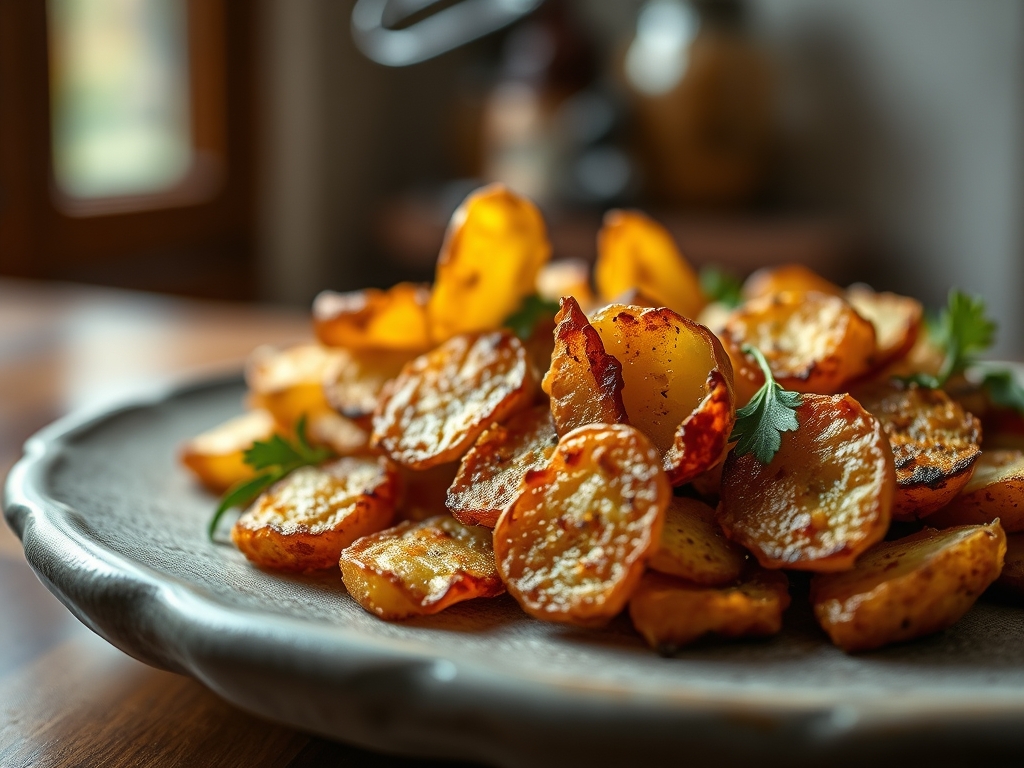
Welcome to the high stakes theater of tuber architecture. If you think a potato is just a humble root, you are operating on outdated firmware. In the professional kitchen, we do not just cook; we audit structural integrity. We are looking for the precise moment of cell wall degradation where pectin dissolves and starch granules swell to their maximum capacity without catastrophic collapse. This is the realm of Boiled Potato Data. Whether you are chasing the creamy, cohesive waxiness of a French fingerling or the explosive, floury fluff of a Russet, the variables remain the same: time, temperature, and salinity. Imagine the scent of earthy steam rising from a heavy bottomed pot as the water begins to infuse with the mineral essence of the skin. This is not a side dish; it is an engineering feat. If you fail to respect the starch-to-water ratio, you end up with a gummy, translucent mess that offends the palate. Today, we recalibrate your culinary sensors to achieve the perfect textural equilibrium.
THE DATA MATRIX
| Metric | Floury (Russet) Audit | Waxy (Yukon) Audit |
|---|---|---|
| Prep Time | 10 Minutes | 10 Minutes |
| Execution Time | 25 Minutes | 20 Minutes |
| Yield | 4 Servings | 4 Servings |
| Complexity (1-10) | 4 | 3 |
| Estimated Cost per Serving | $0.45 | $0.65 |
THE GATHERS
Ingredient Protocol:
- 1 kg / 2.2 lbs High-Starch or Low-Starch Potatoes (Variety specific)
- 2.5 L / 10.5 cups Cold Filtered Water
- 30g / 2 tbsp Sea Salt (Fine grain)
- 50g / 3.5 tbsp Unsalted European Butter
- 5g / 1 tsp Fresh Chives (Finely minced)
Section A: Ingredient Quality Audit:
Sub-par raw materials are the primary cause of structural failure. If your potatoes feel soft or display a green tint, they have been compromised by light exposure and solanine development. Technical fix: Always store tubers in a cool, dark, and well ventilated environment. If the potato is "sprouting," the starch has begun converting to sugar, which will result in an uneven, viscous texture during the boil. To salvage older potatoes, add a teaspoon of lemon juice to the water; the acidity helps reinforce the pectin bonds, preventing the exterior from disintegrating before the core reaches thermal equilibrium.
THE MASTERCLASS
1. The Cold Start Protocol
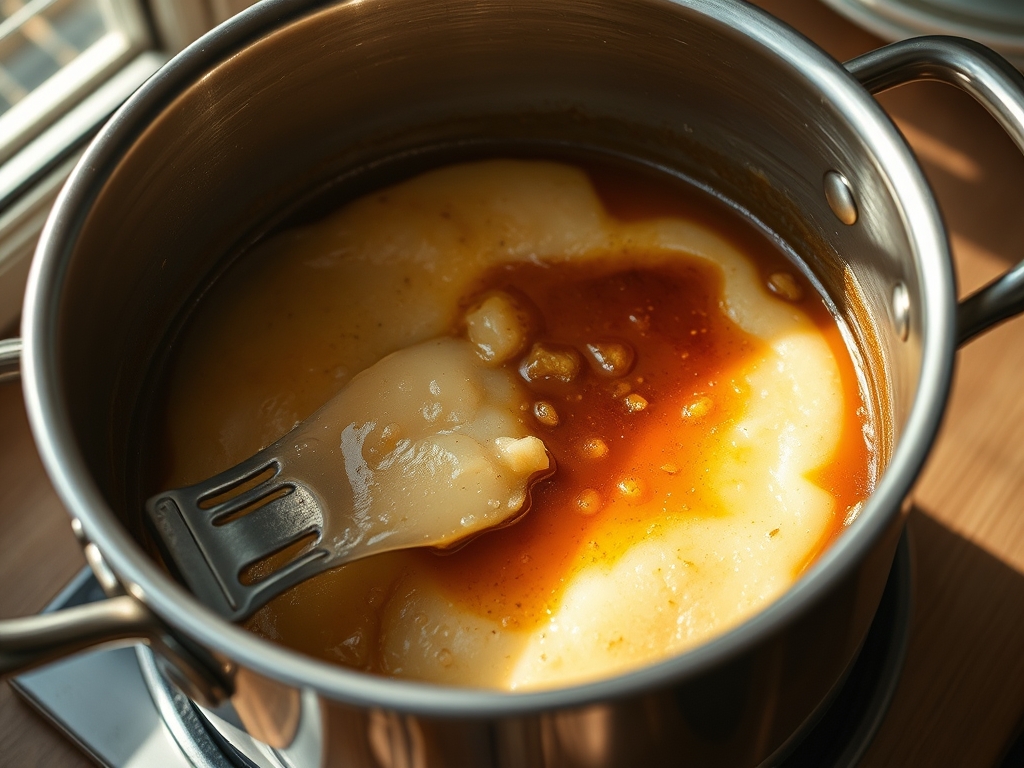
Begin by scrubbing the tubers and placing them into a wide saucier or stockpot. Cover with cold water by at least two inches. Starting with hot water is a rookie error that causes the exterior to overcook while the center remains raw.
Pro Tip: Use a digital scale to measure your salt precisely. A 1.5 percent salinity level ensures the seasoning penetrates the cellular structure of the potato rather than just sitting on the surface.
2. Achieving the Simmer
Bring the water to a boil, then immediately reduce to a gentle simmer. Aggressive boiling causes the potatoes to knock against one another, leading to mechanical damage and loss of surface integrity.
Pro Tip: Maintain a temperature of 95 degrees Celsius. This allows the starch granules to aerate and expand without rupturing the delicate cell walls.
3. The Puncture Test
Use a paring knife or a cake tester to check for resistance. The tool should slide in and out with zero friction. If the potato clings to the knife, the starch hasn't fully gelatinized.
Pro Tip: A bench scraper is the ideal tool for lifting fragile, cooked potatoes out of the pot without crushing them. Avoid using tongs, which apply localized pressure and cause bruising.
4. The Steam Dry Phase
Drain the water and return the potatoes to the hot pot for sixty seconds. This allows residual moisture to evaporate, concentrating the potato flavor and ensuring the butter will render and coat the surface rather than sliding off.
Pro Tip: This phase is critical for Boiled Potato Data accuracy. Excess moisture is the enemy of flavor. Use a clean kitchen towel to gently toss the potatoes, creating a slightly roughened surface that will better capture seasonings.
Section B: Prep & Timing Fault-Lines:
Timing errors are usually the result of inconsistent sizing. If one potato is the size of a baseball and another is the size of a golf ball, your audit will fail. Technical fix: Use your bench scraper to ensure all pieces are uniform in volume. If you notice the water becoming excessively cloudy, your heat is too high; the starch is leaching out prematurely. Lower the flame and add a splash of cold water to stabilize the temperature.
THE VISUAL SPECTRUM
Section C: Thermal & Visual Troubleshooting:
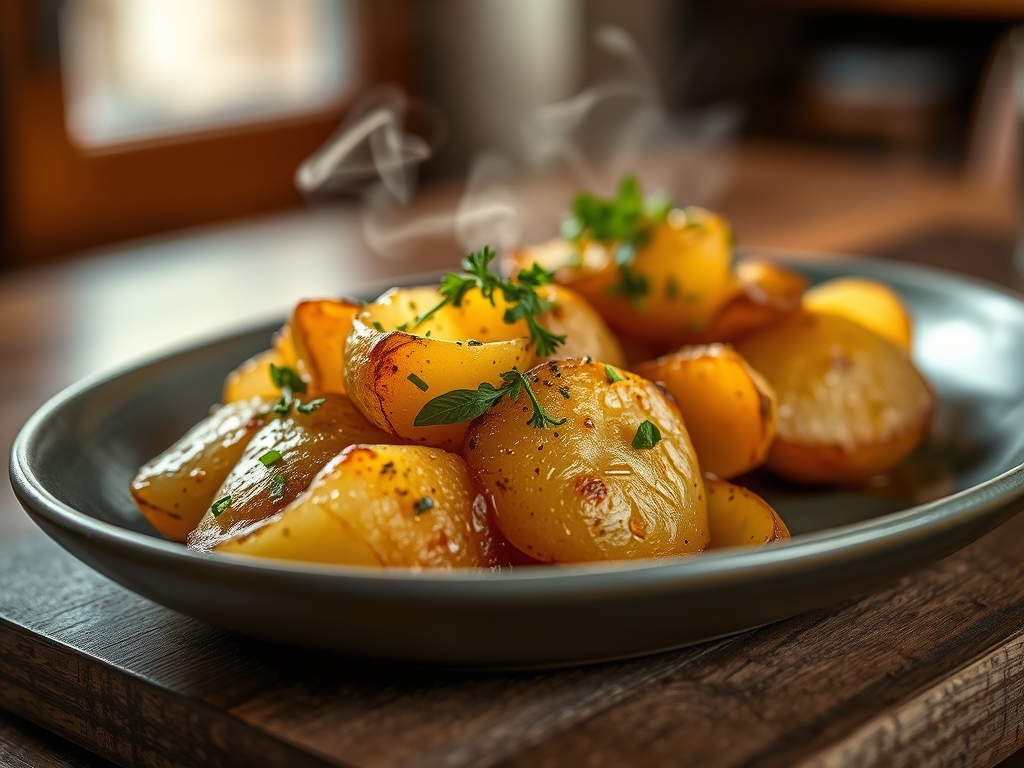
Referencing the Masterclass photo, the ideal boiled potato should possess a matte finish with a slight crystalline shimmer on the surface. If your potatoes look dull or grey, they were likely overcooked or sat in the water too long after the heat was cut. If you see uneven browning, it indicates that the sugars have begun to deglaze on the bottom of the pot during the steam-dry phase. To fix a "gummy" look, rinse the cooked potatoes briefly in hot water to remove excess surface starch, then dry thoroughly. The goal is a clean, distinct edge on every piece, signifying that the cell wall degradation was controlled and deliberate.
THE DEEP DIVE
Macro Nutrition Profile:
A standard 150g serving of boiled potatoes provides approximately 110 calories, 2 grams of protein, and 26 grams of complex carbohydrates. It is a powerhouse of potassium and Vitamin C, provided the skins are kept intact during the initial boil to prevent nutrient leaching.
Dietary Swaps:
- Vegan: Replace European butter with a high-quality extra virgin olive oil to infuse the tubers with a piquant, peppery finish.
- Keto: This is a high-carb audit; swap potatoes for cauliflower florets, reducing boil time to 6 minutes.
- GF: Naturally gluten-free, but ensure any added seasonings are certified.
Meal Prep & Reheating Science:
To maintain molecular structure during reheating, avoid the microwave. The rapid agitation of water molecules causes the starch to become rubbery. Instead, slice the cold potatoes and sear them in a pan to render any remaining fats. This creates a secondary Maillard reaction, adding a crisp texture to the creamy interior.
THE KITCHEN TABLE
Why do my potatoes fall apart?
This is a symptom of "sloughing," caused by rapid boiling or using floury potatoes for a waxy application. Start with cold water and keep the heat at a gentle simmer to preserve the structural pectin.
Can I boil potatoes ahead of time?
Yes. Store them in their cooking liquid to prevent oxidation and browning. When ready to serve, reheat gently in a saucier with a touch of butter to restore the viscous mouthfeel and sheen.
Should I peel them before or after?
Boiling with the skin on protects the interior from waterlogging and preserves the Boiled Potato Data integrity. The skins will slip off effortlessly once the potatoes have undergone the steam dry phase.
What is the best salt for boiling?
Use a clean sea salt or kosher salt. Avoid iodized table salt, which can impart a metallic, bitter note to the delicate starch. The salt should infuse the potato, not overwhelm it.