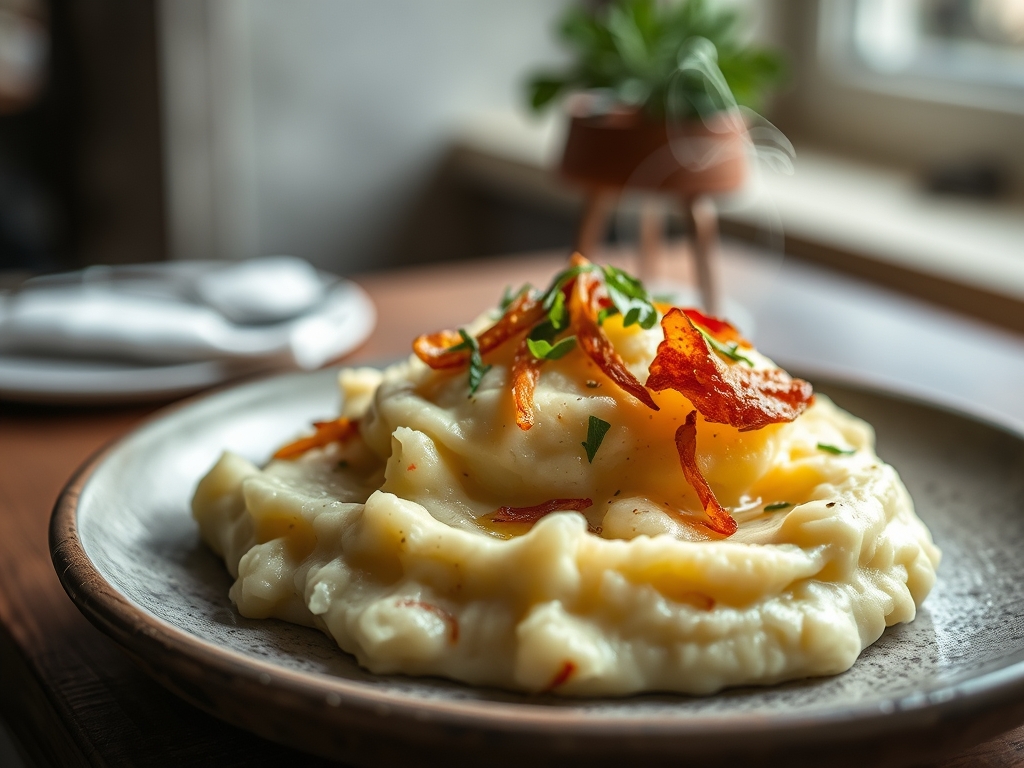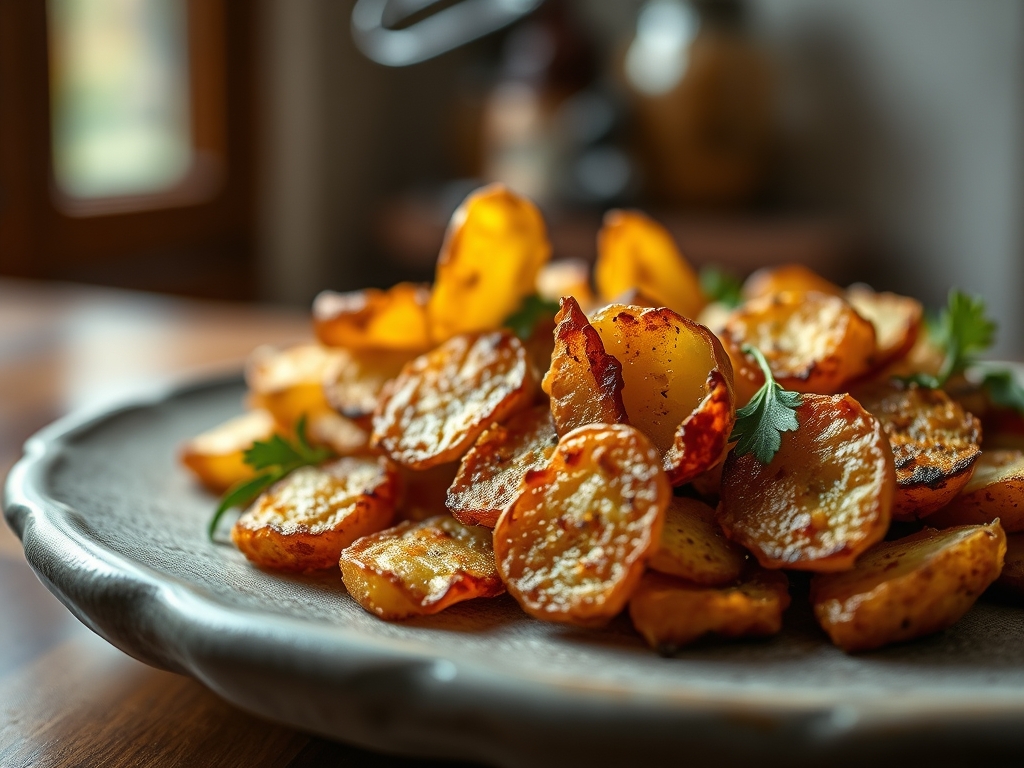
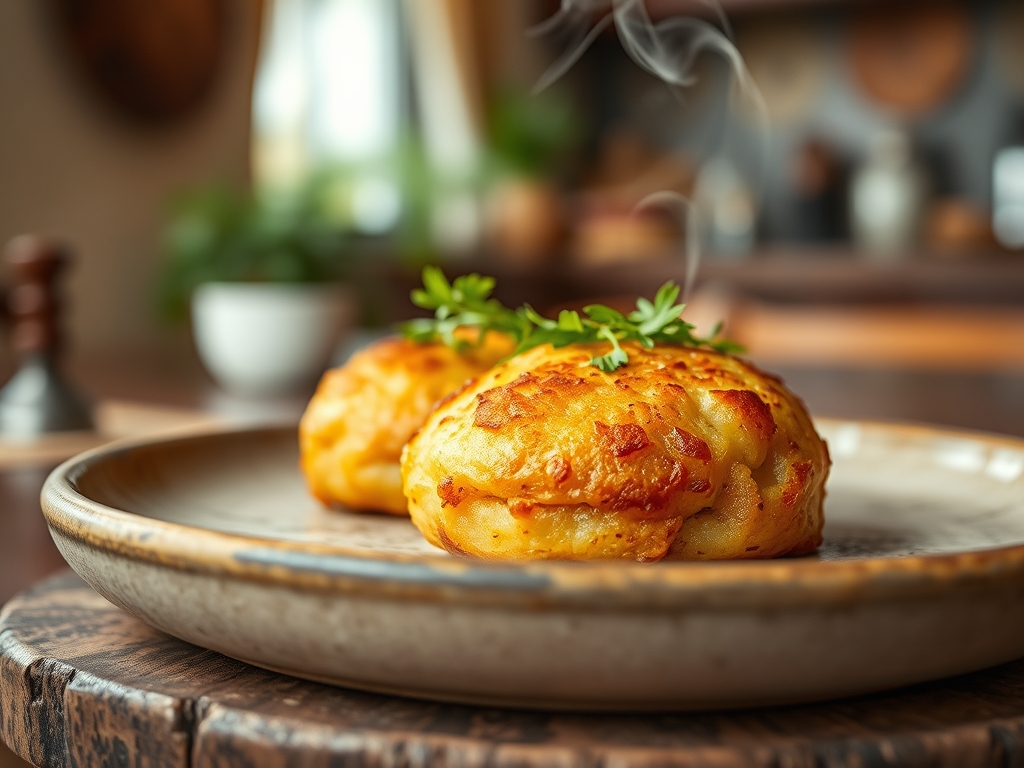
Stop thinking about the humble spud as a side dish and start treating it like a structural engineering project. We are here to talk about the Potato Croquette Study; a rigorous examination of how starch, moisture, and protein collide in a vat of bubbling oil to create the ultimate textural contrast. You want that shatter-crisp exterior that gives way to a cloud of aerated, buttery mash. If your breading is sloughing off like a cheap suit or your centers are leaking water, you have failed the audit. We are looking for structural integrity. We are looking for the perfect golden-ratio crust. We are looking for a bite so piquant and satisfying it renders all other appetizers obsolete. This is not a casual Sunday fry-up. This is a high-stakes technical audit of deep-fried potato rolls, where every gram of moisture and every degree of temperature determines whether you achieve culinary glory or a soggy, oil-logged catastrophe. Grab your digital scale and your bench scraper. It is time to optimize your starch.
THE DATA MATRIX
| Metric | Specification |
|---|---|
| Prep Time | 45 Minutes |
| Execution Time | 15 Minutes |
| Yield | 12-15 Croquettes |
| Complexity (1-10) | 7 |
| Estimated Cost per Serving | $1.25 |
THE GATHERS
Ingredient Protocol:
- 500g / 1.1 lbs Russet Potatoes (Peeled and cubed)
- 50g / 3.5 tbsp Unsalted Butter (High fat content preferred)
- 60ml / 1/4 cup Heavy Cream
- 2 Large Egg Yolks (Room temperature)
- 100g / 3.5 oz Gruyere or Sharp Cheddar (Finely grated)
- 5g / 1 tsp Fine Sea Salt
- 2g / 1/2 tsp White Pepper
- 100g / 3/4 cup All-Purpose Flour (For dredging)
- 2 Large Eggs (Beaten for egg wash)
- 150g / 2 cups Panko Breadcrumbs
- 1L / 4 cups Neutral Oil (Grapeseed or Peanut)
Section A: Ingredient Quality Audit:
If your potatoes are waxy (like Red Bliss or Yukon Gold), your interior will be viscous and gluey rather than fluffy. Stick to Russets for their high starch content. If your butter has too much water, the steam will blow the breading off during frying. Use European-style butter to ensure a higher fat-to-water ratio. If the breadcrumbs feel soft, toast them in a dry pan for two minutes to infuse them with extra crunch before the dredging process begins.
THE MASTERCLASS
1. Starch Dehydration and Milling
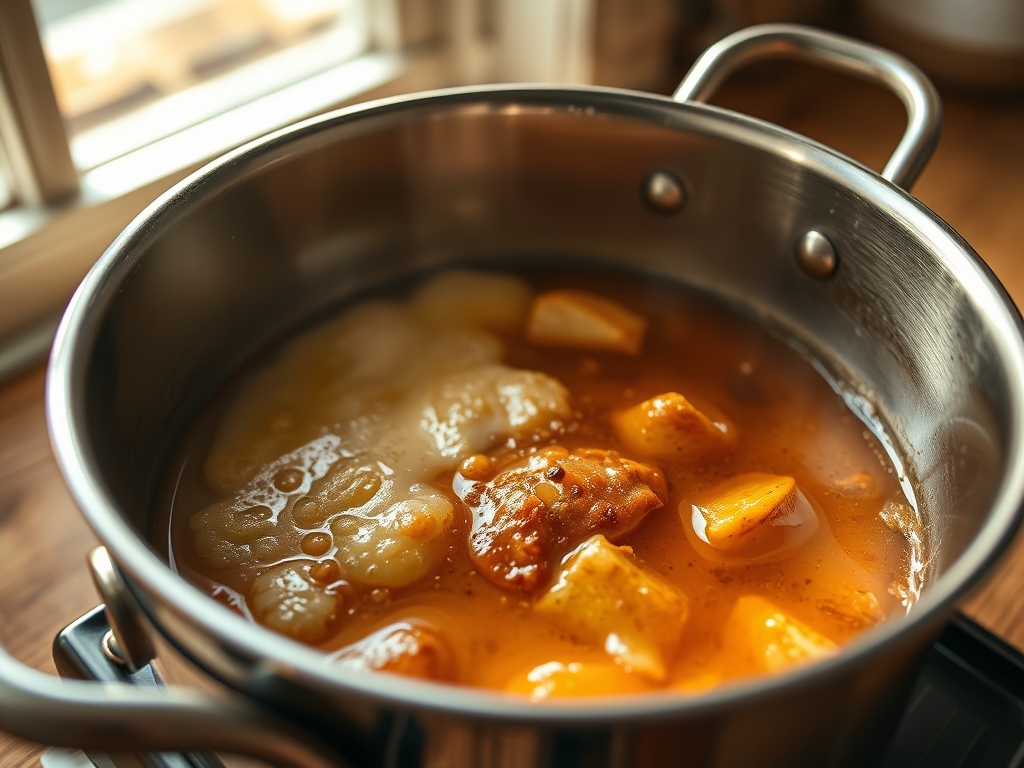
Boil the potatoes in salted water until tender, then drain them immediately. Return them to the hot pot for sixty seconds to evaporate residual moisture. Pass them through a ricer into a stainless steel bowl.
Pro Tip: Using a ricer instead of a masher ensures you aerate the starch granules without overworking them. Overworking leads to a gummy texture that ruins the Potato Croquette Study parameters. Use a bench scraper to clean the ricer efficiently.
2. The Emulsification Phase
While the potatoes are hot, fold in the butter, cream, and egg yolks using a silicone spatula. Incorporate the cheese and seasoning until the mixture is a cohesive, silky mass.
Pro Tip: The egg yolks act as a binder and an emulsifier. Adding them while the potatoes are too hot will scramble them; ensure the temperature is below 145 degrees Fahrenheit (63 degrees Celsius) using a digital thermometer.
3. Structural Chilling
Spread the mixture onto a parchment-lined sheet pan and refrigerate for at least two hours. This firms up the fats and allows the starch to retrogress, making the rolls easier to handle.
Pro Tip: Speed up the cooling process by using a baking sheet instead of a deep bowl. This increases the surface area and ensures even cooling, preventing a "warm core" that could cause the croquette to explode in the fryer.
4. The Standard Breading Procedure
Shape the chilled potato mixture into uniform cylinders. Dredge each in flour, dip in the egg wash, and roll in panko. Ensure total coverage with no bald spots.
Pro Tip: Use the "dry hand, wet hand" technique to keep your workspace clean. A digital scale should be used here to ensure each roll is exactly 40 grams for uniform cooking times.
5. Thermal Execution
Heat your oil in a heavy-bottomed saucier or Dutch oven to 350 degrees Fahrenheit (175 degrees Celsius). Fry the croquettes in small batches until they achieve a deep mahogany hue.
Pro Tip: Do not overcrowd the pan. Dropping too many croquettes at once will cause the oil temperature to plummet, leading to oil absorption rather than a crisp sear. Use a spider skimmer for safe removal.
Section B: Prep & Timing Fault-Lines:
Timing is the silent killer. If you fry the croquettes straight from the freezer, the exterior will burn before the cheese in the center has a chance to render into a molten state. Conversely, if the potato mixture sits at room temperature for too long before frying, it becomes too soft to hold its shape. Aim for a "cool but firm" internal temperature of 45 degrees Fahrenheit before they hit the oil.
THE VISUAL SPECTRUM
Section C: Thermal & Visual Troubleshooting:
Look closely at the Masterclass photo. You should see a uniform, jagged topography of panko crumbs with no visible potato peeking through. If your croquettes look "patchy," your egg wash was too thin; add a teaspoon of water or milk to improve its viscous cling. If the color is a dull tan rather than gold, your oil temperature was too low. If you see "blowouts" (potato filling leaking out), it means there was an air pocket trapped during the breading phase or the moisture content of the mash was too high. Ensure the seal is airtight.
THE DEEP DIVE
Macro Nutrition Profile
Each croquette contains approximately 180 calories, 12g of carbohydrates, 14g of fat, and 4g of protein. While they are starch-heavy, the addition of egg yolks and cheese provides a necessary hit of lipids to balance the glycemic load.
Dietary Swaps (Vegan/Keto/GF)
- Vegan: Replace butter with coconut oil, cream with cashew milk, and egg yolks with a flax-slurry. Use nutritional yeast for that piquant cheese flavor.
- Keto: This is a challenge given the potato base. Substitute mashed cauliflower (squeezed bone-dry) for the potato and use crushed pork rinds instead of panko.
- GF: Simply swap the all-purpose flour for rice flour and use certified gluten-free panko or crushed cornflakes.
Meal Prep & Reheating Science
To maintain molecular structure, never microwave a croquette. The waves vibrate water molecules, turning the crisp crust into a soggy mess. Instead, use an air fryer or oven at 375 degrees Fahrenheit for 8 minutes. This re-activates the fats in the crust to restore the crunch.
THE KITCHEN TABLE
Why do my croquettes always fall apart?
Usually, this is due to excess moisture in the potatoes or skipping the chilling step. Ensure you dry the potatoes after boiling and let the shaped rolls firm up in the fridge before dredging.
Can I use leftover mashed potatoes?
Yes, but you must "fix" them. Leftover mash often has too much milk. Add an extra egg yolk or a tablespoon of flour to the cold mash to restore structural integrity before shaping.
What is the best oil for frying?
Peanut oil is the gold standard due to its high smoke point and neutral profile. If allergies are a concern, grapeseed oil or refined avocado oil are excellent high-heat alternatives.
How do I get that perfectly even golden color?
Agitate the oil slightly as you fry. This ensures the hot oil reaches every crevice of the panko. Also, ensure your oil is deep enough so the croquettes do not touch the bottom of the pan.