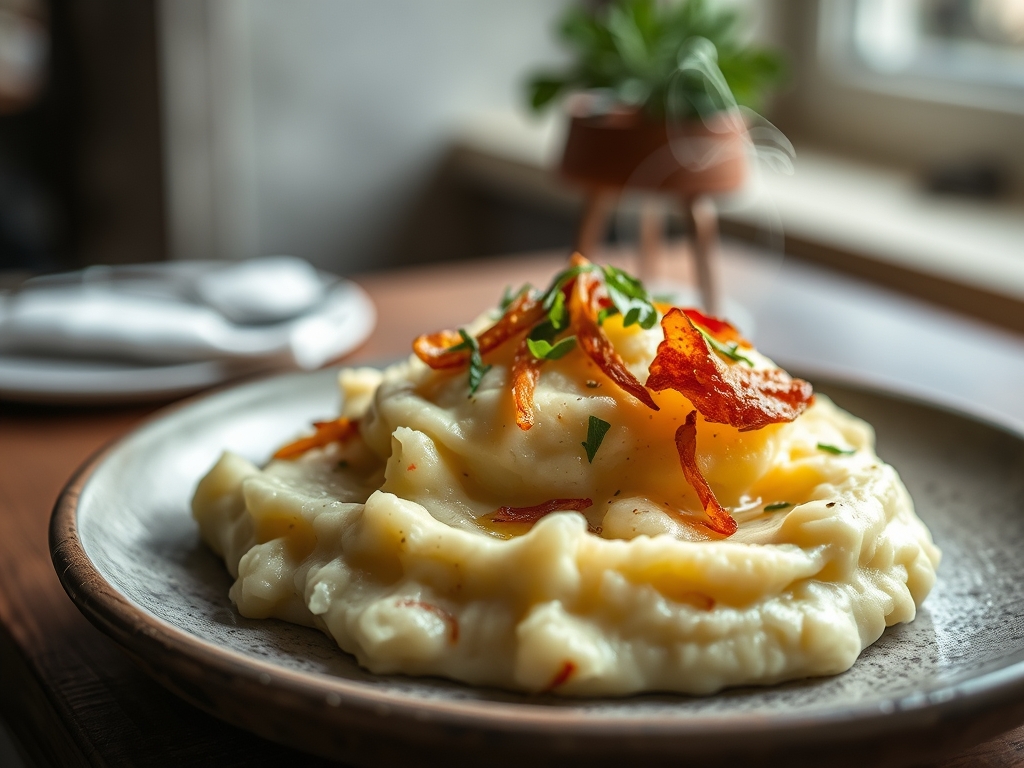
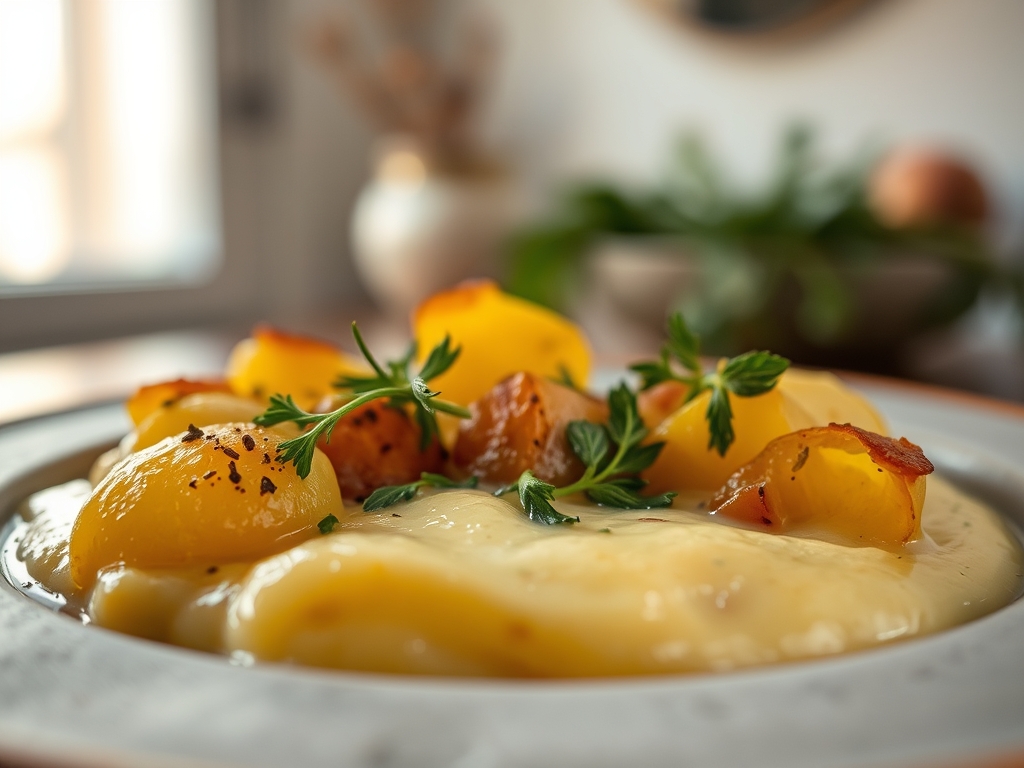
Imagine a world where the humble tuber transforms into a liquid velvet so dense it defies the laws of standard broth. This is not a mere meal; it is a structural achievement in culinary engineering. When you dip a spoon into a masterfully executed leek and potato soup, you are interacting with a complex starch suspension that balances on the edge of perfection. The secret lies in Potato Soup Viscosity. If the texture is too thin, it feels like a missed opportunity; if it is too thick, it resembles wallpaper paste. We are aiming for that glorious middle ground where the starch granules have swelled to their maximum capacity without rupturing into a gummy mess. The scent of butter-rendered leeks should hit your olfactory receptors like a warm embrace, while the visual sheen of the soup promises a mouthfeel that is both rich and ethereal. This is the infrastructure of comfort, built from the ground up with precision, heat, and the right ratio of amylose to amylopectin.
THE DATA MATRIX
| Metric | Specification |
|---|---|
| Prep Time | 20 Minutes |
| Execution Time | 40 Minutes |
| Yield | 4 – 6 Servings |
| Complexity (1-10) | 4 |
| Estimated Cost per Serving | $1.25 |
THE GATHERS
Ingredient Protocol:
- Yukon Gold Potatoes: 900g / 2 lbs (Peeled and cubed).
- Leeks: 450g / 3 large (White and light green parts only; cleaned and sliced).
- Unsalted High-Fat Butter: 56g / 4 tbsp.
- Chicken or Vegetable Stock: 1.2L / 5 cups (Low sodium).
- Heavy Cream: 120ml / 0.5 cup.
- Kosher Salt: 10g / 2 tsp (Adjust to taste).
- White Pepper: 2g / 0.5 tsp.
- Fresh Chives: 15g / 0.25 cup (Finely minced).
- Bay Leaf: 1 piece.
Section A: Ingredient Quality Audit:
The most common failure point in this infrastructure is the potato choice. If you use a waxy red potato, your Potato Soup Viscosity will be thin and watery because the starch content is too low. Conversely, if your potatoes have sprouted or feel soft, the starch has begun converting to sugar, which will result in a piquant, unpleasantly sweet aftertaste. Technical Fix: If you only have waxy potatoes on hand, you must render a small amount of flour with your butter to create a roux, providing the structural support the potatoes lack. If your leeks are woody or overly fibrous, ensure you slice them into paper-thin rounds to break down the cellulose walls during the initial sweat.
THE MASTERCLASS
Step-by-Step Execution:
1. The Aromatics Infrastructure
Start by melting your high-fat butter in a heavy-bottomed saucier or Dutch oven over medium-low heat. Add the cleaned, sliced leeks and a pinch of salt. Sweat them slowly until they are translucent and soft. Do not allow them to brown; we are looking for a gentle infuse of flavor, not the bitterness of Maillard reactions.
Pro Tip: Use a bench scraper to efficiently transfer your sliced leeks from the cutting board to the pot. Keeping the heat low prevents the butter from breaking, ensuring a stable fat-to-veg emulsion from the start.
2. Starch Integration
Add the cubed Yukon Gold potatoes to the pot. Stir them constantly for 3 minutes to coat every surface in the leek-infused butter. This "toasting" phase helps stabilize the starch granules before the liquid is introduced.
Pro Tip: Use a digital scale to ensure your potato-to-liquid ratio is exact. Precision here is the difference between a soup that pours and a soup that stands.
3. The Liquid Phase
Pour in your stock and add the bay leaf. Bring the mixture to a gentle simmer. Do not boil aggressively; high turbulence can cause the potato starch to become "gluey" by shearing the starch molecules too violently.
Pro Tip: A saucier with rounded bottom edges is superior here, as it prevents starch from "settling" and scorching in the corners of the pan.
4. Softening the Matrix
Simmer for 20 to 25 minutes until the potatoes are completely tender and fall apart when pressed against the side of the pot with a spoon. Remove the bay leaf before proceeding to the mechanical phase.
Pro Tip: Test the tenderness with a paring knife; if there is any resistance at the core of the potato, the resulting puree will be grainy.
5. Aeration and Emulsification
Use a high-powered immersion blender to process the soup until completely smooth. While the motor is running, slowly stream in the heavy cream. This will aerate the mixture, giving it a lighter, more sophisticated profile.
Pro Tip: For a restaurant-grade finish, pass the soup through a chinois or fine-mesh sieve. This removes any remaining fibrous leek bits and guarantees a flawless Potato Soup Viscosity.
Section B: Prep & Timing Fault-Lines:
The primary human error in this protocol is rushing the "sweat" phase of the leeks. If the heat is too high, the leeks will brown and turn the soup a muddy tan color rather than a vibrant, creamy ivory. Another critical fault-line is the temperature of the cream. Adding ice-cold cream to a boiling soup can cause the proteins to seize or the fat to separate. Technical Fix: Always temper your cream by mixing a small amount of hot soup into the cream before adding the whole volume back into the pot.
THE VISUAL SPECTRUM
Section C: Thermal & Visual Troubleshooting:
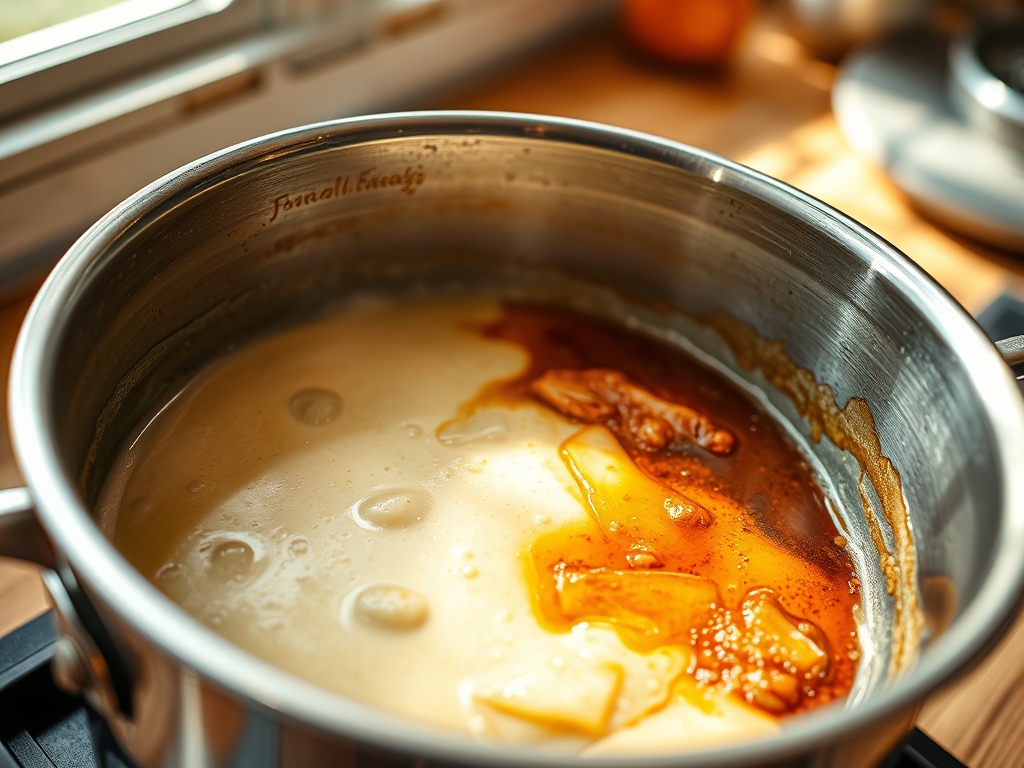
Referencing the Masterclass photo, notice the glossy, reflective surface of the broth. This indicates a successful fat-in-water emulsion. If your soup looks dull or matte, it lacks sufficient fat or has been over-boiled, causing the emulsion to collapse. If you see small green flecks that look "stringy," your immersion blender technique was too brief; you must process until the leeks are microscopic. For uneven browning that has occurred despite your best efforts, a tiny pinch of turmeric can sometimes correct the hue, though it is better to avoid the browning entirely through diligent heat management.
THE DEEP DIVE
Macro Nutrition Profile
A standard serving of this liquid starch suspension provides approximately 280 calories. It is high in potassium from the potatoes and Vitamin A from the leeks. The fat content is significant due to the butter and cream, which provides the satiety needed for a standalone meal.
Dietary Swaps (Vegan/Keto/GF)
- Vegan: Replace butter with olive oil and heavy cream with full-fat coconut milk or a cashew-based cream.
- Keto: This dish is naturally high-carb; however, you can swap 70% of the potatoes for cauliflower to reduce the glycemic load while maintaining a similar texture.
- GF: This recipe is naturally gluten-free as it relies on potato starch for thickness rather than a flour roux.
Meal Prep & Reheating Science
When reheating, the starch will have "set" into a gel-like state. Do not microwave on high power. Instead, reheat on the stovetop over low heat, adding a splash of stock or milk to loosen the molecular bonds and restore the original viscosity.
THE KITCHEN TABLE
Why is my soup gummy?
You likely over-processed the potatoes in a high-speed upright blender or used russet potatoes. Over-working the starch shears the molecules, creating a sticky, glue-like texture. Use an immersion blender and pulse gently for the best results.
Can I use milk instead of heavy cream?
Yes, but the Potato Soup Viscosity will be significantly thinner. Milk lacks the fat content to create a stable, velvety emulsion. If using milk, you may need to simmer the soup longer to reduce and thicken it.
How do I clean leeks properly?
Leeks grow in sandy soil and trap grit between their layers. Slice them first, then submerge the slices in a bowl of cold water. Agitate them to let the dirt sink to the bottom, then lift the leeks out.
Is it possible to freeze this soup?
Potatoes and cream do not freeze perfectly; the texture can become grainy upon thawing. If you must freeze it, do so before adding the cream. Add the fresh cream during the reheating process to restore the emulsion.