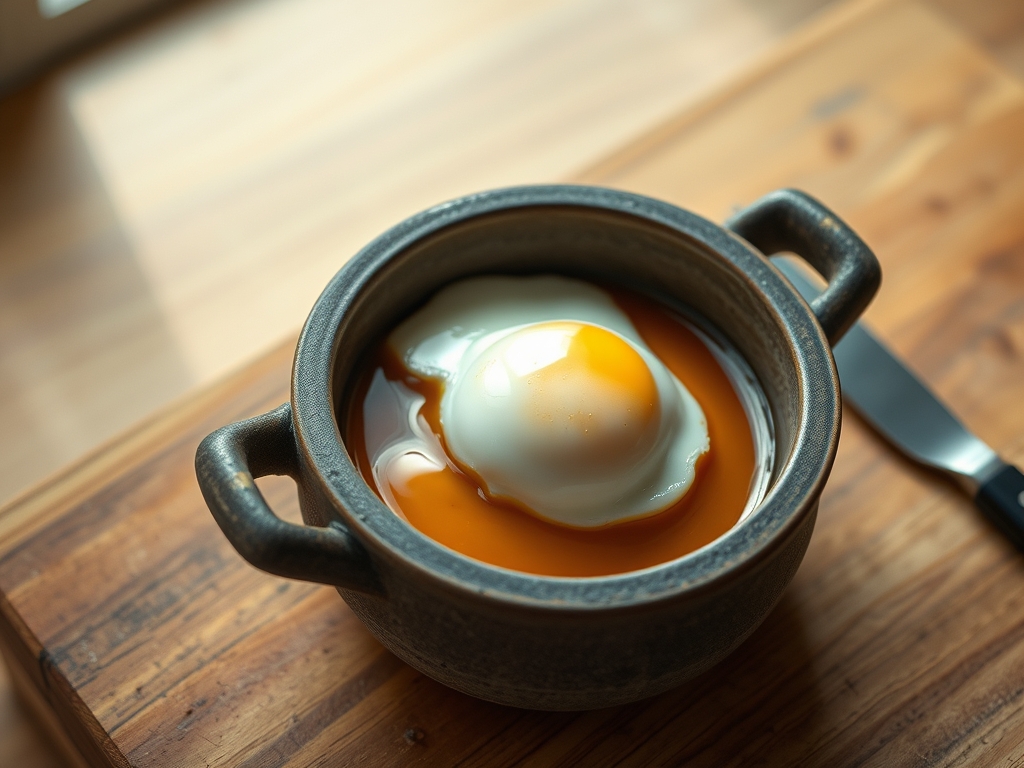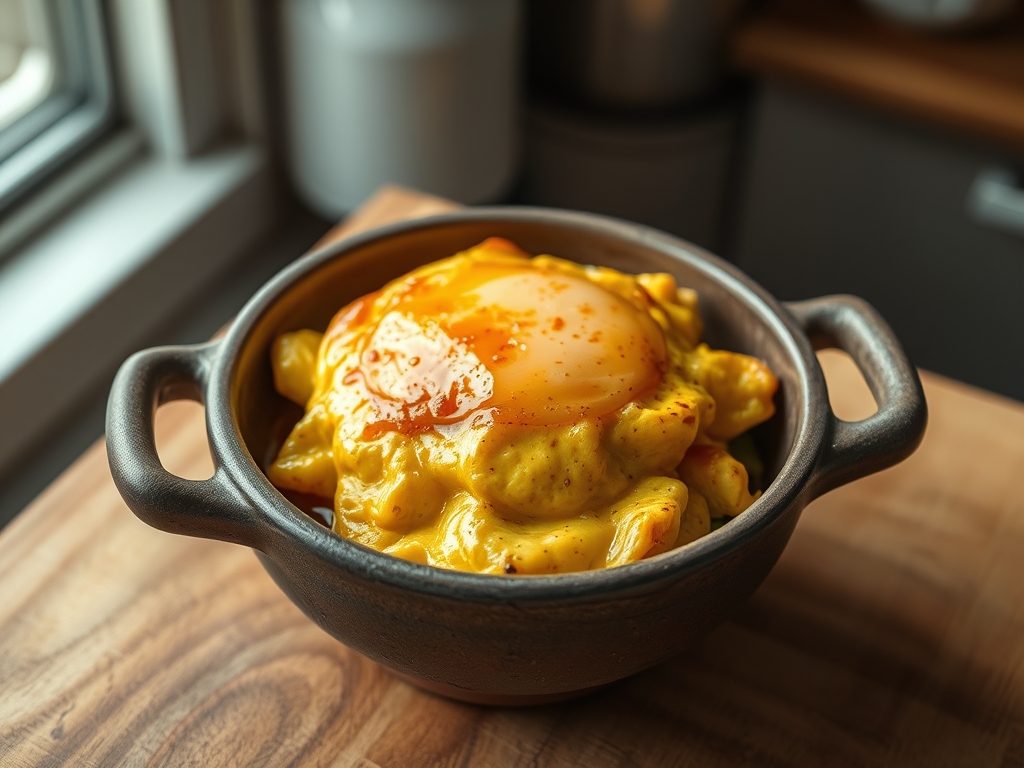
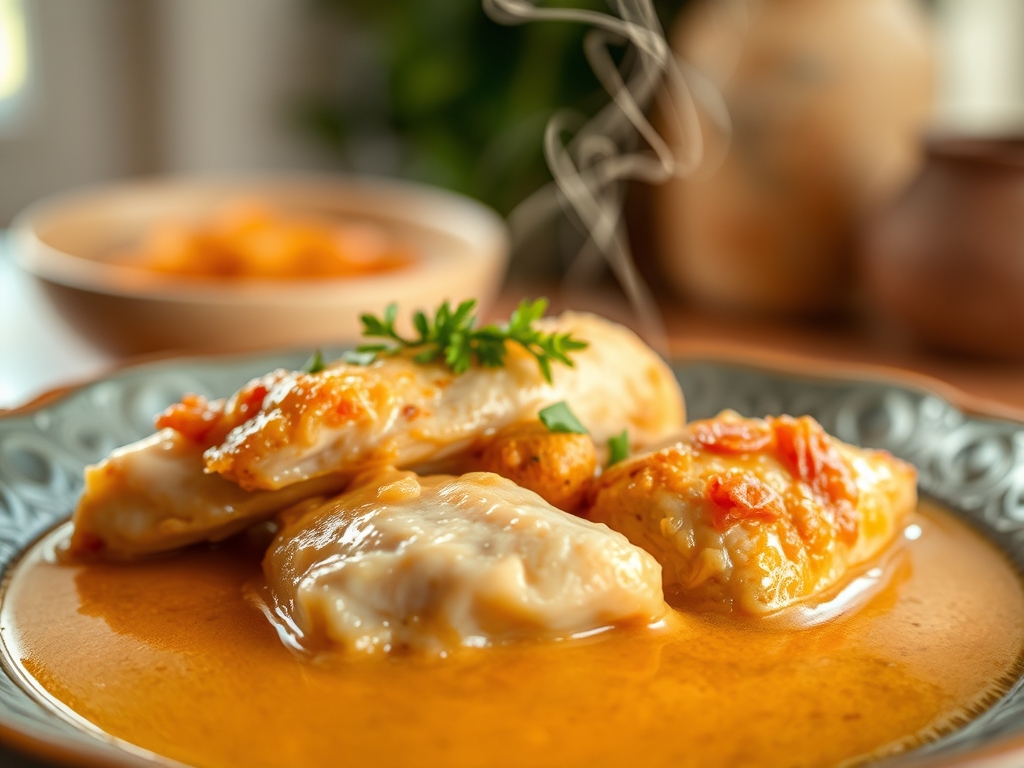
Stop thinking of your stockpot as a vessel and start treating it as a pressurized bio-reactor. We are not just making dinner; we are performing a high-stakes structural overhaul of avian connective tissue. The goal is the total conversion of tough, triple-helix collagen into a silky, lip-smacking gelatin matrix. When you execute a proper Chicken Soup Extraction, you are managing a delicate dance of thermal kinetics and molecular breakdown. The air in your kitchen should transform into a humid cloud of savory lipids and aromatic mirepoix. You want a liquid so dense with protein that it wobbles like a panna cotta when chilled. If your broth is thin, watery, or lacks that golden, translucent glow, you have failed the infrastructure audit. We demand a broth that coats the back of a spoon with authority. This is the foundation of culinary architecture. We are stripping the bird of its essence to create a liquid gold that serves as the lifeblood of every subsequent sauce, risotto, or restorative bowl of noodles you will ever touch.
THE DATA MATRIX
| Metric | Specification |
|---|---|
| Prep Time | 45 Minutes |
| Execution Time | 6 to 8 Hours |
| Yield | 4 Liters / 1.05 Gallons |
| Complexity (1-10) | 4 (Patience is the primary variable) |
| Estimated Cost per Serving | $0.85 USD |
THE GATHERS
Ingredient Protocol:
- 2.5 kg / 5.5 lbs Whole Chicken Carcasses (Backs, necks, and feet are preferred for high collagen content).
- 500g / 1.1 lbs Yellow Onions (Skin on for color).
- 250g / 8.8 oz Carrots (Unpeeled, washed).
- 200g / 7 oz Celery Stalks.
- 10g / 2 tsp Black Peppercorns (Whole).
- 4 liters / 17 cups Filtered Water (Cold start is non-negotiable).
- 30g / 1 oz Fresh Parsley Stems.
- 2 Bay Leaves (Dried).
Section A: Ingredient Quality Audit:
If your raw materials are subpar, your extraction will suffer. Avoid "woody" carrots that lack sweetness; they will fail to balance the savory depth of the chicken. If your chicken bones are pre-frozen and freezer-burned, the marrow will impart a bitter, metallic tang. To fix this, blanch the bones in boiling water for five minutes and discard the gray foam before starting your primary simmer. If your onions are soft or sprouting, they will introduce sulfurous notes that muddy the profile. Always audit for freshness. The quality of your water also matters. High chlorine levels will interfere with the delicate aromatics of the mirepoix; use filtered water to ensure a clean canvas for the Chicken Soup Extraction.
THE MASTERCLASS
1. Thermal Priming and Bone Preparation
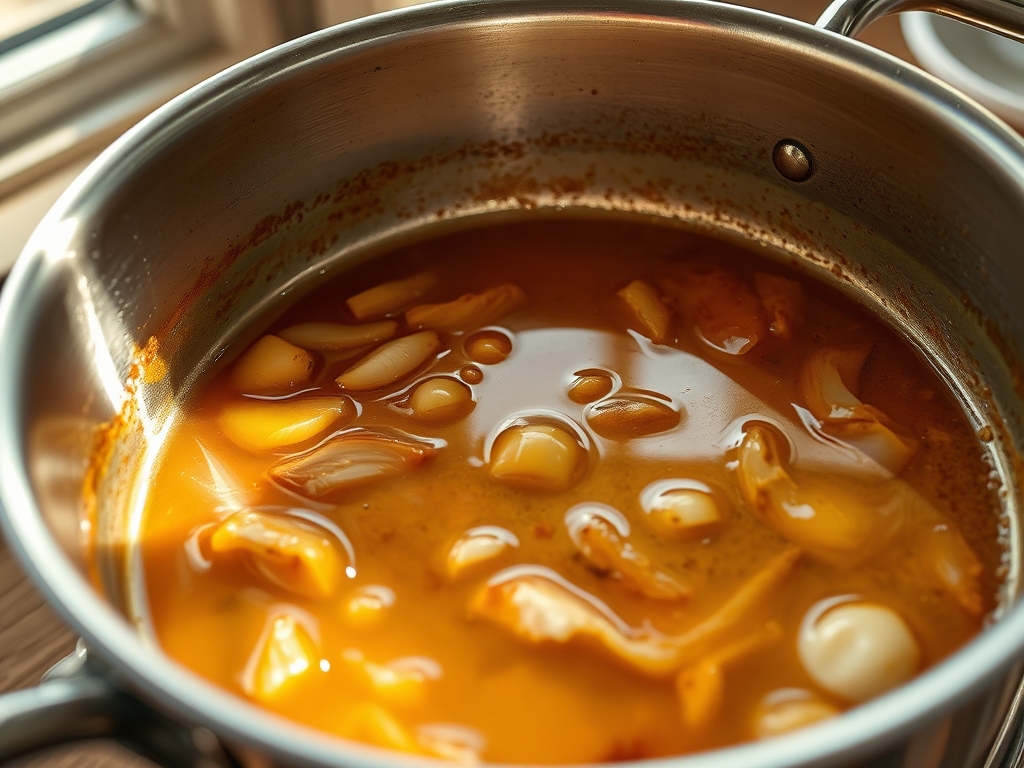
Place your chicken components into a heavy-bottomed stockpot or a wide-based saucier. Cover with cold, filtered water. Starting with cold water allows the soluble proteins to dissolve slowly, preventing them from coagulating too quickly and clouding the liquid. Bring the temperature up to a gentle shiver, just below a rolling boil.
Pro Tip: Use a digital scale to weigh your bones against your water volume. A 1:1.5 ratio of bone to water ensures a highly viscous result. The science here is simple: slow heating prevents the emulsification of fats into the water, keeping the broth crystal clear.
2. The Depuration Phase
As the water reaches 82 degrees Celsius (180 degrees Fahrenheit), a gray, foamy "scum" will rise to the surface. These are denatured proteins and impurities. Use a fine-mesh skimmer or a large spoon to remove every trace of this foam. Do not let the pot boil, or these impurities will be stirred back into the liquid, permanently clouding your extraction.
Pro Tip: Keep a bowl of clean water nearby to rinse your skimmer between passes. Professional chefs use a skimmer specifically designed for this task to ensure no surface tension is left unbroken.
3. Mirepoix Integration and Infusion
Once the liquid is clear, add your aromatics. Do not chop them too finely; large chunks prevent the vegetables from disintegrating into a mush that is impossible to strain. The onion skins provide a deep, amber hue. Lower the heat until only a single bubble breaks the surface every few seconds.
Pro Tip: Use a bench scraper to cleanly transfer your chopped vegetables from the cutting board to the pot without bruising the cell walls of the produce. This preserves the piquant volatile oils within the vegetables until they hit the water.
4. The Long-Chain Molecular Breakdown
Maintain this gentle simmer for at least six hours. This is the window where collagen undergoes a phase change. The heat breaks the cross-links in the connective tissue, allowing the protein strands to unwind and dissolve into the water. This is where you render the fat and infuse the liquid with marrow-deep flavor.
Pro Tip: Do not cover the pot completely. Allowing a small amount of evaporation concentrates the flavor and the gelatin density. Monitor the liquid level; if it drops too low, top it off with a small amount of boiling water to maintain the structural integrity of the extraction.
5. Filtration and Rapid Cooling
Strain the broth through a fine-mesh chinois lined with cheesecloth. Do not press down on the solids; let gravity do the work to maintain clarity. Once strained, place the container in an ice bath. Rapid cooling is essential to prevent the growth of thermophilic bacteria and to lock in the molecular structure.
Pro Tip: A conical strainer (chinois) is the industry standard for this. It ensures that even the smallest particulates are captured, resulting in a broth that looks like liquid glass.
Section B: Prep & Timing Fault-Lines:
The most common human error is impatience. If you crank the heat to "save time," the turbulence will aerate the fat, creating a permanent emulsion that looks like muddy dishwater. If you leave the vegetables in for the full eight hours, they will over-extract and turn the broth bitter. Add your mirepoix in the last three hours of the simmer for the best flavor balance.
THE VISUAL SPECTRUM
Section C: Thermal & Visual Troubleshooting:
Look at the Masterclass photo above. Notice the golden clarity and the lack of suspended solids. If your broth looks dull or gray, you likely skipped the blanching step or allowed the pot to boil. If it lacks that amber glow, you may have peeled your onions or failed to deglaze any roasted components if you chose a brown stock path. For a pale, "white" stock, the goal is a champagne-like translucency. If you see fat droplets on the surface, they should be clear and distinct, not cloudy. Use a fat separator or chill the broth overnight to lift the solidified fat cap off in one clean piece.
THE DEEP DIVE
Macro Nutrition Profile:
A standard 250ml serving of this extraction contains approximately 60 calories, 10g of protein (primarily as gelatin/collagen), 2g of fat, and 0g of carbohydrates. It is a nutrient-dense powerhouse rich in glycine and proline.
Dietary Swaps:
- Vegan: Replace chicken with dried shiitake mushrooms and kombu for a high-umami "extraction" that mimics the mouthfeel of gelatin via seaweed polysaccharides.
- Keto/GF: This recipe is inherently Keto and Gluten-Free. To increase fat content for Keto, whisk in a tablespoon of grass-fed butter before serving.
Meal Prep & Reheating Science:
When reheating, do so over medium heat. Do not microwave on high power, as the localized intense heat can break down the gelatin proteins, resulting in a thinner mouthfeel. To maintain the molecular structure, heat only what you need to a simmer and then remove from heat immediately.
THE KITCHEN TABLE
Why is my broth cloudy?
You likely let the pot reach a rolling boil. This agitates the fat and proteins, emulsifying them into the water. Next time, keep the temperature at a "lazy simmer" where only occasional bubbles break the surface.
Can I use a pressure cooker?
Yes, but it changes the extraction. A pressure cooker is faster but can sometimes trap impurities, leading to a slightly cloudier result. It is excellent for flavor but requires careful straining through multiple layers of cheesecloth.
How long does it stay fresh?
The broth will last five days in the refrigerator. For long-term storage, freeze it in silicone molds. The high gelatin content makes it a perfect, shelf-stable base that retains its structural integrity for up to six months frozen.
Should I salt the broth during the simmer?
No. Always salt at the very end. As the liquid evaporates and concentrates, the salt levels will intensify. Salting early is a recipe for an oversaturated, inedible brine. Season only when the extraction is complete.