The scent hits you before the door even swings open; it is a volatile mixture of acetic acid and rendered poultry lipids that signals the commencement of a high stakes culinary operation. We are not merely frying poultry here. We are managing Chicken Wing Infrastructure. This is a technical audit of the drumette and the flat, a study in the structural integrity of skin versus the viscous cling of a piquant emulsion. If your wing lacks the auditory crunch of a perfectly dehydrated epidermis, your infrastructure has failed. If your sauce breaks into a greasy puddle on the ceramic, your emulsification protocol is offline. We demand a specific ratio of heat to vinegar, a precise calculation of Maillard reaction timing, and a structural stability that allows the meat to pull cleanly from the bone without resistance. This is the gold standard of Buffalo culture; it is an aggressive, high energy pursuit of the perfect capsaicin delivery system that requires more than just a deep fryer. It requires a systemic overhaul of your kitchen logic.
THE DATA MATRIX
| Metric | Specification |
|---|---|
| Prep Time | 45 Minutes (Active) |
| Execution Time | 25 Minutes |
| Yield | 4 Servings (approx. 24 wings) |
| Complexity (1-10) | 7 |
| Estimated Cost per Serving | $6.50 – $8.50 |
THE GATHERS
Ingredient Protocol:
- 1.36kg / 3lbs Fresh Chicken Wings (Drumettes and Flats separated)
- 15g / 1 tbsp Kosher Salt
- 5g / 1 tsp Baking Powder (Aluminum-free)
- 177ml / 0.75 cup Cayenne Pepper Hot Sauce (Fermented)
- 113g / 0.5 cup Unsalted High-Fat Butter (Cold, cubed)
- 15ml / 1 tbsp White Distilled Vinegar
- 2g / 0.5 tsp Garlic Powder
- 1L / 4.2 cups Neutral High-Smoke Point Oil (Peanut or Grapeseed)
Section A: Ingredient Quality Audit:
The primary failure point in Chicken Wing Infrastructure is moisture content. If your raw wings arrive in a "plumped" saline solution, the excess water will steam the skin rather than fry it, resulting in a rubbery texture. Technical Fix: Use a bench scraper to move wings onto a wire rack and dry-brine them with salt and baking powder for at least four hours in the refrigerator. The baking powder raises the pH level of the skin, breaking down peptide bonds and accelerating the browning process. If your hot sauce lacks the necessary viscous body, do not add cornstarch. Instead, audit your butter quality. Low-fat butter contains too much water; you need high-fat European-style butter to create a stable, velvety emulsion that coats the wing without dripping.
THE MASTERCLASS
1. The Surface Dehydration Phase
The wings must be absolutely devoid of surface moisture. After the dry-brine period, use a lint-free kitchen towel to pat down every crevice. Place the wings on a digital scale to ensure uniform sizing; outliers in weight will lead to uneven cooking cycles.
Pro Tip: Dehydration is the precursor to the Maillard reaction. By removing water, you allow the oil to immediately interact with the skin proteins, creating a micro-textured surface that acts as an anchor for the sauce.
2. The Initial Thermal Render
Heat your oil in a heavy-bottomed Dutch oven to 121C / 250F. Submerge the wings for a "par-fry" lasting 8 to 10 minutes. This is not about browning; it is about rendering the subcutaneous fat.
Pro Tip: Low-temperature frying breaks down the collagen in the joints. Using a saucier for small batches allows for better oil displacement, ensuring the wings are fully submerged without overcrowding the vessel.
3. The High-Heat Architectural Snap
Remove the wings and increase the oil temperature to 204C / 400F. Fry the wings a second time for 5 to 7 minutes until they achieve a deep, mahogany hue. This is the moment where the Chicken Wing Infrastructure becomes rigid.
Pro Tip: The second fry flash-evaporates any remaining moisture in the skin. The rapid expansion of steam creates tiny air pockets, which results in the signature "crunch" that survives the saucing process.
4. The Emulsion Synthesis
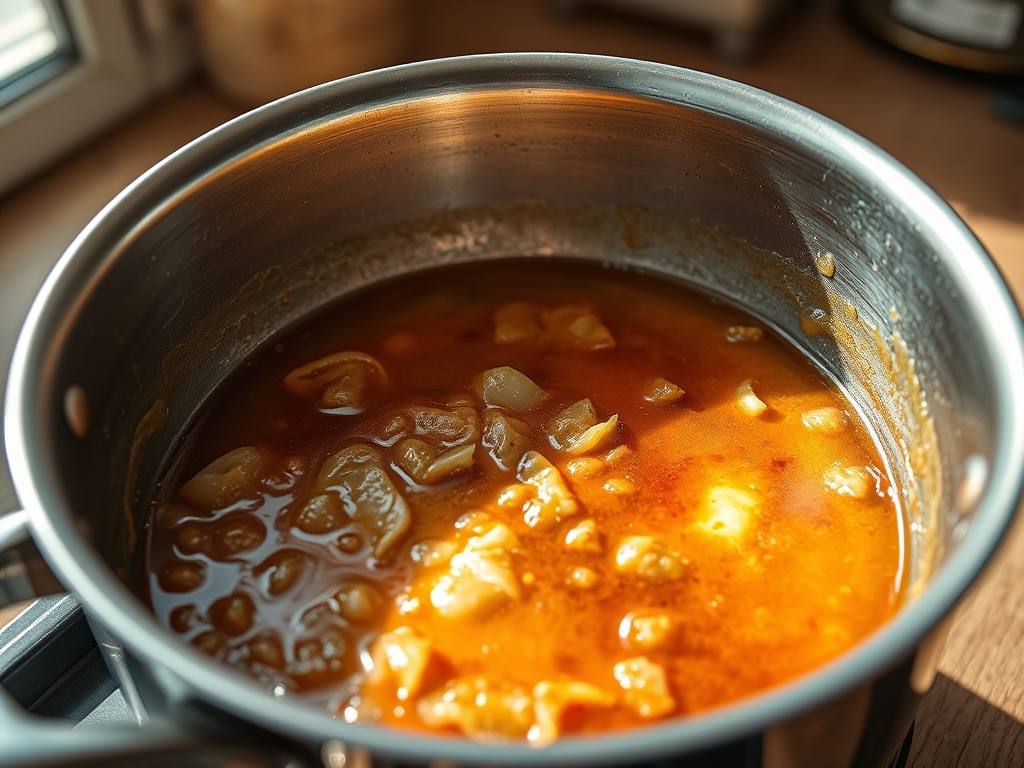
While the wings undergo their final fry, place your hot sauce, vinegar, and garlic powder in a small saucepan over low heat. Gradually whisk in the cold, cubed butter one piece at a time to infuse the fat into the acid.
Pro Tip: This is a cold-mount technique (beurre monte). If the sauce boils, the emulsion will break, separating into orange oil and red solids. A stable emulsion is required to aerate the flavor profile and provide a creamy mouthfeel.
5. The Kinetic Coating
Transfer the hot, crispy wings into a large stainless steel bowl. Pour the warm emulsion over them and use a vigorous snapping motion of the wrist to toss them. The goal is 100 percent coverage with zero pooling at the bottom of the bowl.
Pro Tip: The heat from the wings will slightly thin the sauce, allowing it to penetrate the micro-pores created during the high-heat fry. This ensures the sauce "locks" onto the protein.
Section B: Prep & Timing Fault-Lines:
The most common human error is the "Cold Wing Pivot." If you sauce the wings and then let them sit while preparing sides, the steam from the meat will soften the crust from the inside out. Technical Fix: Your plating infrastructure must be ready before the second fry ends. Use a warmed ceramic platter to maintain the thermal energy of the wings. If your timing is off and the sauce breaks, you can deglaze the pan with a teaspoon of warm water and re-whisk vigorously to pull the fats back into the suspension.
THE VISUAL SPECTRUM
Section C: Thermal & Visual Troubleshooting:
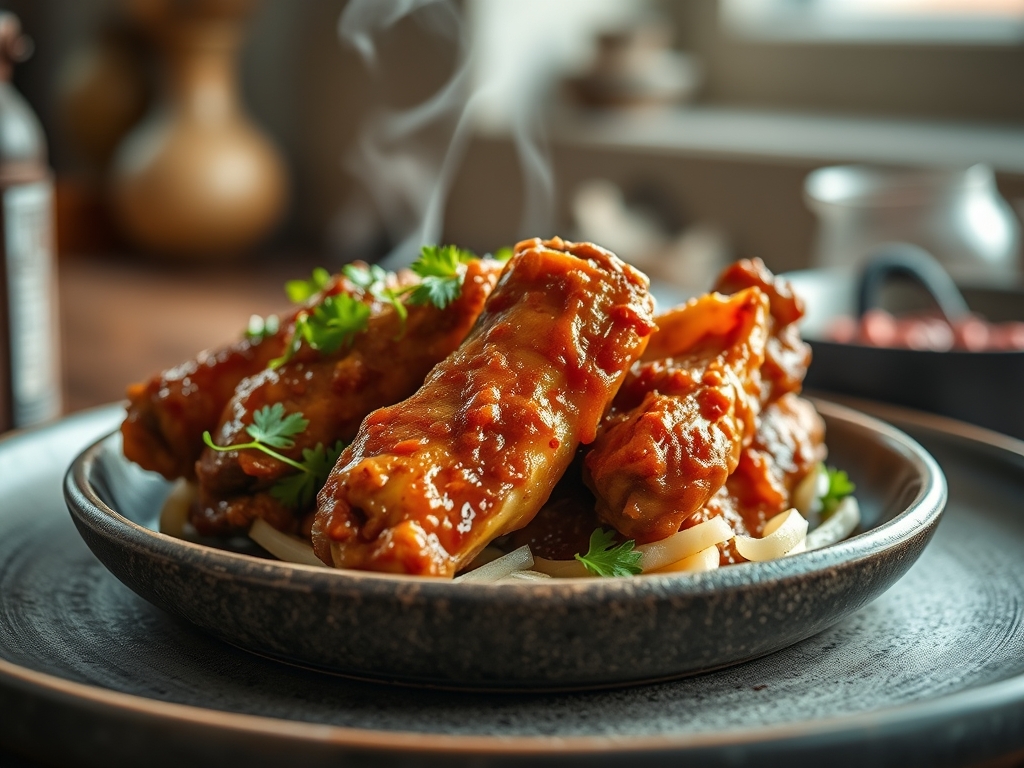
Referencing the Masterclass photo, the ideal wing should exhibit a "bubbled" skin texture, indicating successful moisture expulsion. If your wings appear smooth and dark brown, you likely skipped the baking powder or the oil was too hot during the first phase, scorching the sugars before the fat could render. If the sauce appears translucent rather than opaque and orange, your emulsion is thin; you need more butter or a lower mixing temperature. A dull, matte finish on the wing suggests the sauce has been absorbed too deeply; this happens when wings are sauced while they are still leaking internal steam. Always allow a 60-second rest on a wire rack between the fryer and the sauce bowl to let the internal pressure stabilize.
THE DEEP DIVE
Macro Nutrition Profile:
A standard serving of six Buffalo wings provides approximately 42g of protein, 38g of fat, and 2g of carbohydrates. The caloric density is high, primarily driven by the lipid-heavy emulsion and the skin-to-meat ratio.
Dietary Swaps:
- Vegan: Substitute cauliflower florets for poultry. Use a vegan butter alternative with high lecithin content to maintain the emulsion.
- Keto: This recipe is naturally keto-compliant. Ensure the hot sauce contains no added sugars or corn syrups.
- GF: Ensure your baking powder is certified gluten-free. The absence of flour in this "Buffalo Style" infrastructure makes it inherently gluten-free.
Meal Prep & Reheating Science:
To maintain molecular structure during reheating, avoid the microwave at all costs. The microwave excites water molecules, turning your crispy infrastructure into a soggy mess. Use an air fryer or oven at 190C / 375F for 6 minutes. This re-activates the surface fats and restores the "snap" of the skin without overcooking the internal fibers.
THE KITCHEN TABLE
Why use baking powder instead of flour?
Baking powder alters the skin's pH, creating micro-blisters that increase surface area. This results in a crunchier texture that holds sauce better than a heavy, flour-based breading which can become gummy when wet.
Can I bake these instead of frying?
Yes, but the infrastructure changes. Bake at 232C / 450F on a wire rack for 45 minutes. The air circulation is vital; without it, the wings sit in their own moisture, ruining the structural integrity.
My sauce is too spicy; how do I fix it?
Do not add sugar, as it ruins the Buffalo profile. Instead, increase the butter ratio. The milk proteins and fats in the butter coat the tongue, providing a physical barrier against the capsaicin molecules.
Why did my wings come out dry?
You likely overcooked the first render or used wings that were too small. Audit your source; look for "jumbo" wings which have enough internal fat to withstand the double-fry process without the meat fibers tightening and losing juice.