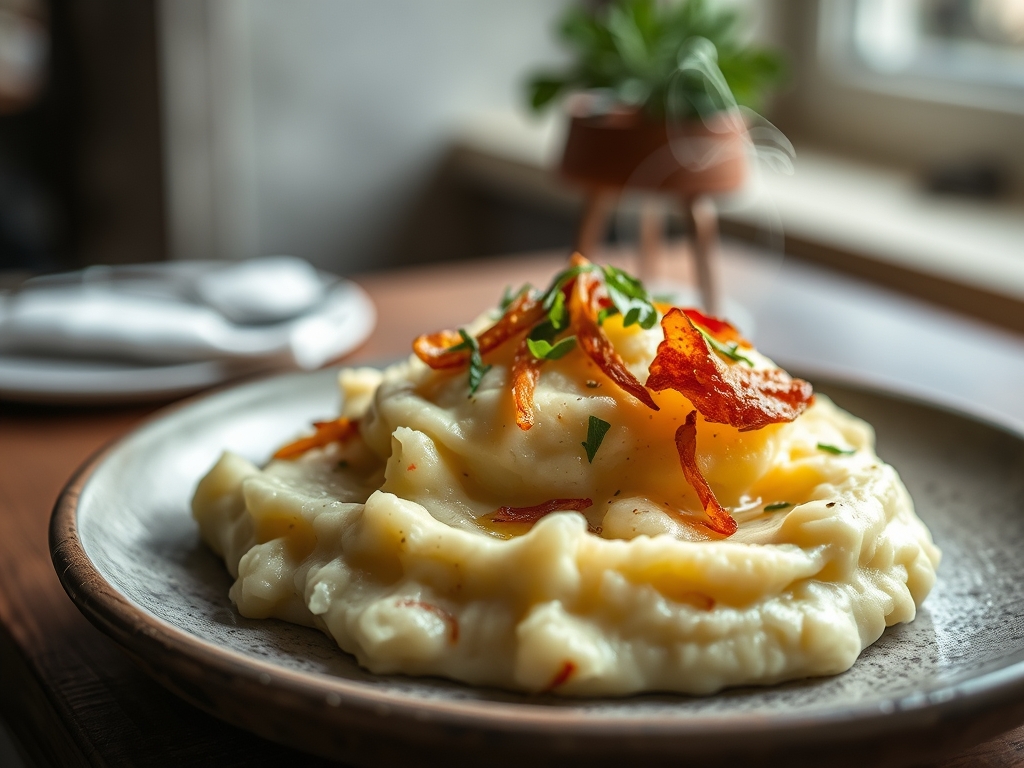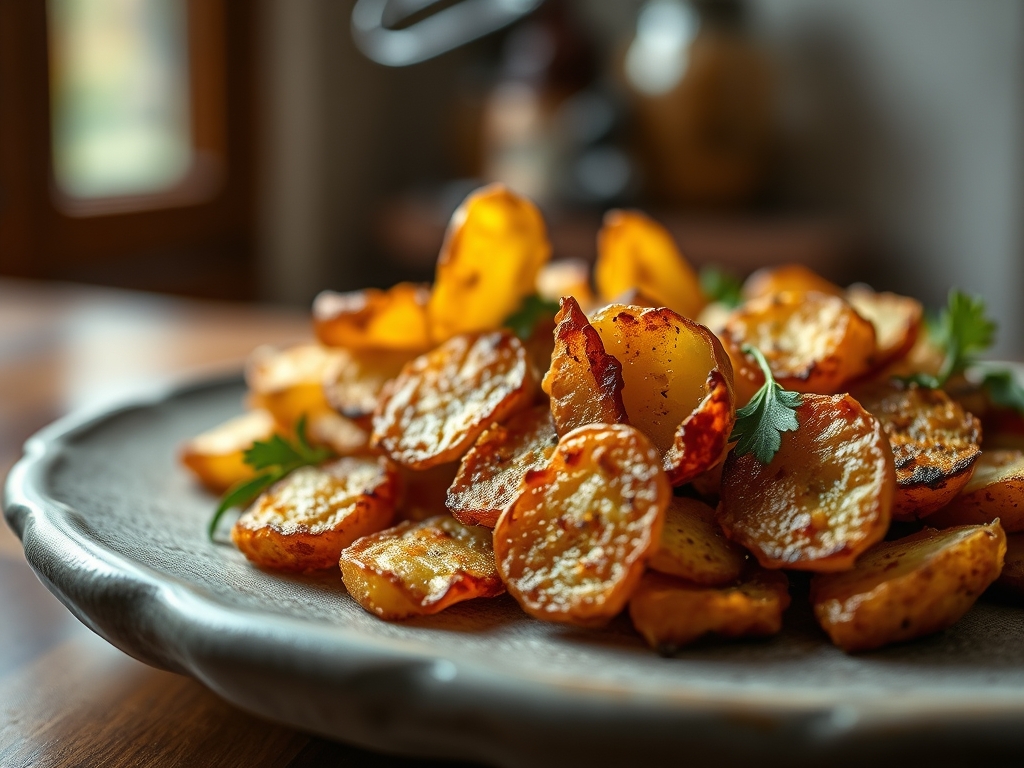
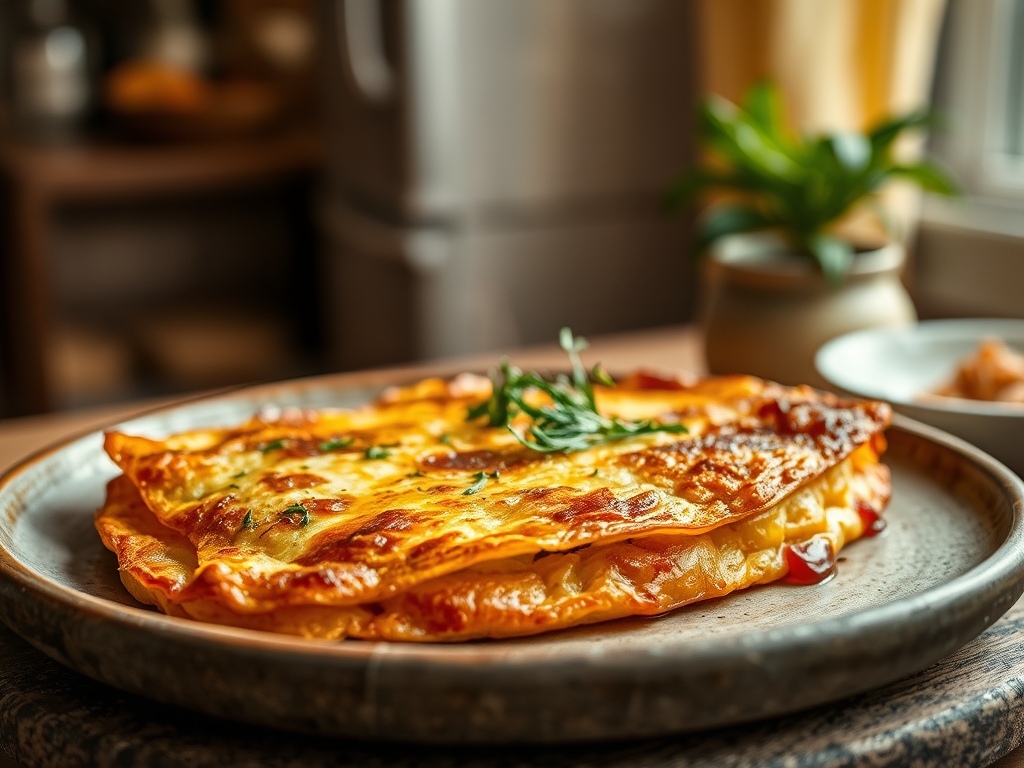
Listen to the sound of a kitchen operating at peak efficiency. It is not the roar of a jet engine but the rhythmic, rhythmic sizzle of starch meeting fat. We are here to discuss the structural integrity of the Spanish Tortilla De Patatas; a dish that is frequently misrepresented as a mere omelet. In reality, it is a marvel of civil engineering. We are talking about a dense, golden puck of emulsified glory that must balance the line between a custardy interior and a structurally sound exterior. If your tortilla looks like a dry sponge or a weeping pile of scrambled eggs, your infrastructure has failed. To master this, you must respect the potato. You must treat the egg as a structural adhesive. You must understand that the oil is not just a cooking medium; it is a thermal conductor that transforms the humble tuber into a silken, translucent tile. Let us audit your technique and rebuild this Iberian icon from the foundation up.
THE DATA MATRIX
| Metric | Specification |
|---|---|
| Prep Time | 20 Minutes |
| Execution Time | 30 Minutes |
| Yield | 4 to 6 Servings |
| Complexity | 7 / 10 |
| Estimated Cost per Serving | $1.25 USD |
THE GATHERS
Ingredient Protocol:
- Potatoes (Yukon Gold or Kennebec): 800g / 1.75 lbs
- Large Farm-Fresh Eggs: 6 to 8 units
- Yellow Onion: 150g / 1 medium
- Extra Virgin Olive Oil: 500ml / 2 cups
- Flaky Sea Salt: 10g / 2 tsp
- Neutral Grapeseed Oil (for searing): 15ml / 1 tbsp
Section A: Ingredient Quality Audit:
If your potatoes are sprouting or soft, the starch has already begun converting to sugar. This results in a muddy, sweet flavor and a failure to render a clean snap during the fry. Use high-starch or all-purpose potatoes only. If your olive oil smells like old crayons, it is oxidized. This will ruin the infuse stage where the potatoes absorb the fat. Always use fresh, peppery oil. If the eggs are cold, they will shock the hot potatoes and cause the proteins to seize too quickly. Temper your eggs to room temperature before the emulsion begins.
THE MASTERCLASS
1. The Precision Slicing Phase
Peel your potatoes and slice them into irregular 3mm rounds or shards. Use a mandoline for absolute consistency or a sharp chef knife to ensure even thermal penetration. Do not rinse the potatoes after slicing; we need that surface starch to act as a natural binder.
Pro Tip: Uniformity in thickness ensures that every slice reaches the point of translucency at the exact same moment. If slices vary, you will end up with a mix of raw crunch and overcooked mush.
2. The Low-Temp Poaching Audit
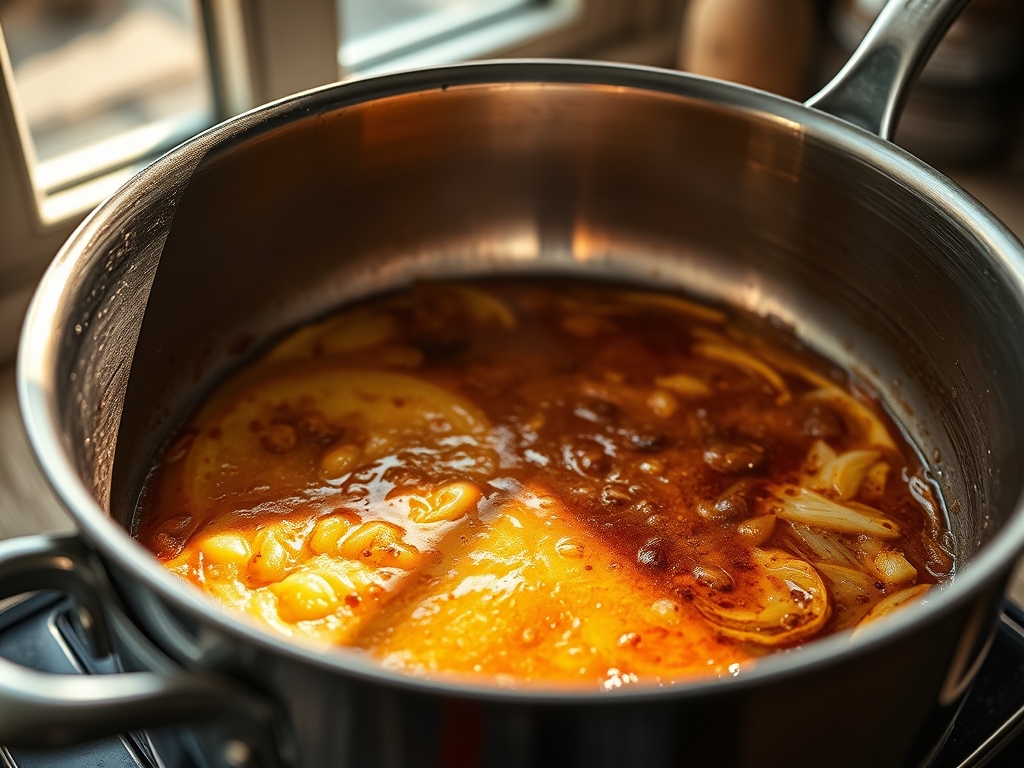
Place the potatoes and diced onions into a deep saucier or heavy-bottomed pan. Cover them completely with the olive oil. Bring the heat to a gentle simmer. You are not deep-frying here; you are poaching. The goal is to soften the tubers until they are fork-tender but not browned.
Pro Tip: This process allows the oil to infuse the potato cells. Use a digital thermometer to keep the oil between 120C and 130C. This prevents the Maillard reaction from occurring too early.
3. The Starch-Egg Integration
Drain the potatoes using a fine-mesh strainer over a heat-proof bowl. Reserve the oil for future use. In a large mixing bowl, beat the eggs until they just begin to aerate. Fold the hot potatoes and onions into the eggs immediately. Season with salt. Let the mixture sit for 15 minutes.
Pro Tip: This resting period is the most critical step. The heat from the potatoes slightly cooks the egg, creating a viscous slurry. The starches leak out and thicken the liquid, ensuring the final product is a unified mass rather than a loose collection of ingredients.
4. The Structural Compression
Heat a non-stick skillet over medium-high heat with a tablespoon of the reserved oil. Pour the mixture in and use a bench scraper or silicone spatula to pull the edges toward the center for the first 30 seconds. Smooth the top and reduce the heat to low.
Pro Tip: Agitating the eggs initially creates small curds that provide internal structure. Once the edges are set, stop stirring to allow the bottom to form a solid, protective crust.
5. The Gravity-Defying Flip
Once the bottom is golden and the top is no longer liquid, place a flat plate over the pan. In one confident motion, invert the pan. Slide the tortilla back into the skillet to seal the other side. Use your spatula to tuck the edges under, creating that iconic curved "wheel" shape.
Pro Tip: Confidence is a culinary tool. A slow flip leads to spills. Speed and a firm grip on the plate ensure the internal pressure of the tortilla remains intact during the transition.
Section B: Prep & Timing Fault-Lines:
The most common failure is the "Leaking Tortilla." This happens when the center is under-cured. Use a digital scale to ensure your egg-to-potato ratio is exact. If the pan is too hot, the exterior will burn before the core reaches the necessary 72C for egg coagulation. If you flip too early, the structural integrity collapses. Monitor the "jiggle" of the pan; it should move as one solid unit, not a wave.
THE VISUAL SPECTRUM
Section C: Thermal & Visual Troubleshooting:
Look at the Masterclass photo. Notice the deep, matte gold finish. If your Spanish Tortilla De Patatas is pale, you haven't achieved enough caramelization. If it is dark brown or speckled, your oil was dirty or your heat was too high. A "weeping" tortilla, where yellow liquid pools on the plate, indicates that the egg proteins have been overcooked and have squeezed out their moisture. To fix a dull color, ensure you are using high-quality eggs with vibrant orange yolks; this provides the rich, internal hue that defines a premium audit.
THE DEEP DIVE
Macro Nutrition Profile:
A standard serving provides approximately 350 calories. It is a balanced matrix of complex carbohydrates (potatoes), high-quality proteins (eggs), and heart-healthy monounsaturated fats (olive oil). While calorie-dense, its satiety index is exceptionally high.
Dietary Swaps:
- Vegan: Replace eggs with a chickpea flour and water slurry (1:1.5 ratio) to mimic the protein binding.
- Keto: Substitute potatoes with sliced daikon radish or cauliflower florets, though the starch compression will be significantly reduced.
- GF: Naturally gluten-free. No modifications required.
Meal Prep & Reheating Science:
The Spanish Tortilla De Patatas is one of the few dishes that improves after 24 hours. As it cools, the starches undergo retrogradation, becoming firmer and more flavorful. To reheat, avoid the microwave as it turns the eggs rubbery. Instead, use a low oven or a dry pan to gently wake up the fats without further tightening the protein bonds.
THE KITCHEN TABLE
Why is my tortilla dry?
You likely overcooked the eggs or skipped the 15-minute resting period. The potatoes must be hot when they hit the eggs to create that signature viscous bind that retains internal moisture during the final sear.
Can I add garlic or peppers?
While purists may scoff, you can render additional aromatics in the oil with the onions. However, ensure they are finely diced so they do not compromise the structural density of the starch-egg compression.
What is the best way to serve it?
Ideally, at room temperature. This allows the flavors to stabilize. Slice it into wedges for a meal or small cubes for a piquant tapa. A dollop of garlic allioli provides the perfect acidic contrast.
How do I clean the starch off my pan?
If you used a seasoned carbon steel or high-quality non-stick pan, it should wipe clean. If sticking occurs, your pan was not hot enough when the egg mixture was first introduced, preventing a clean release.