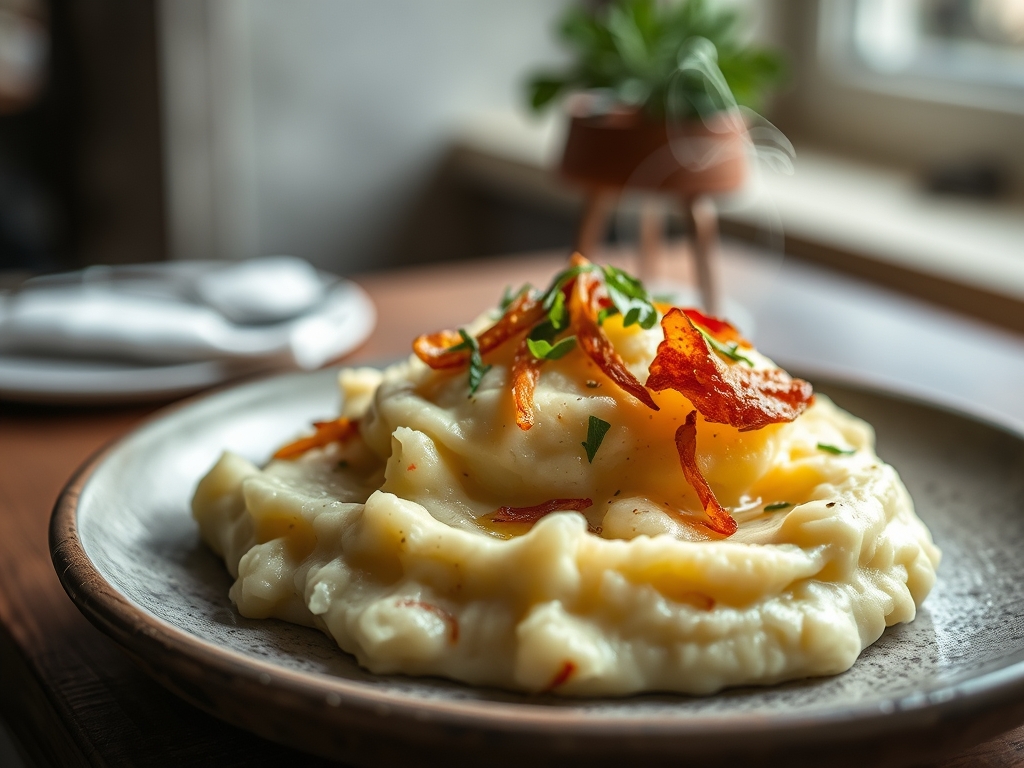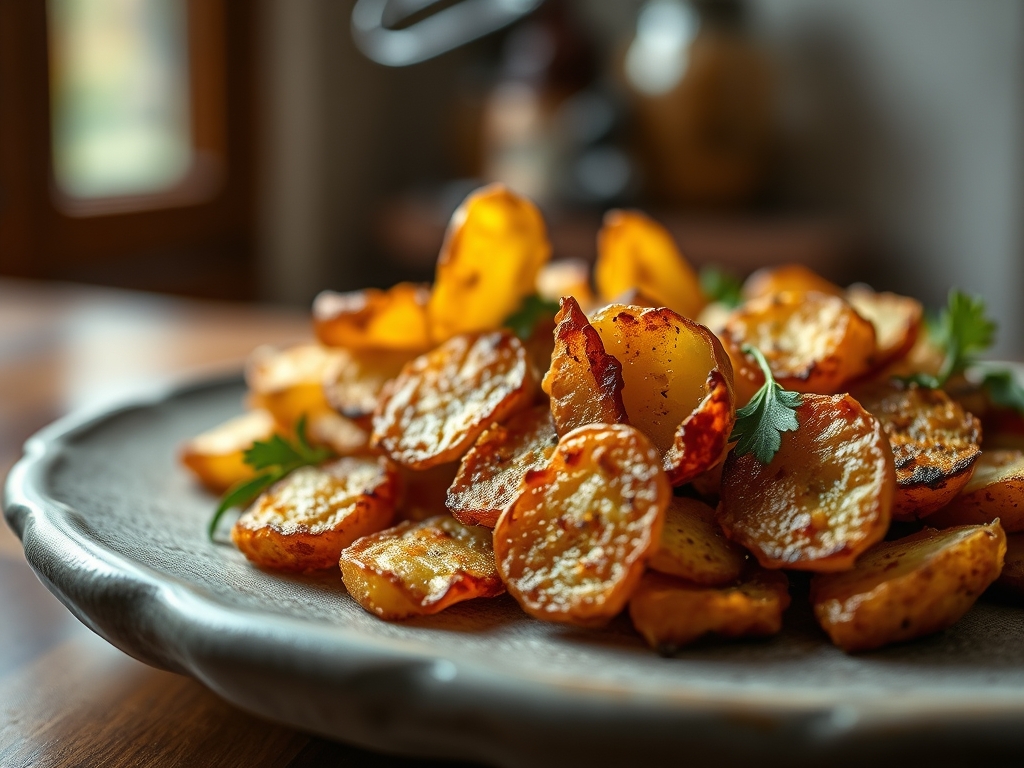
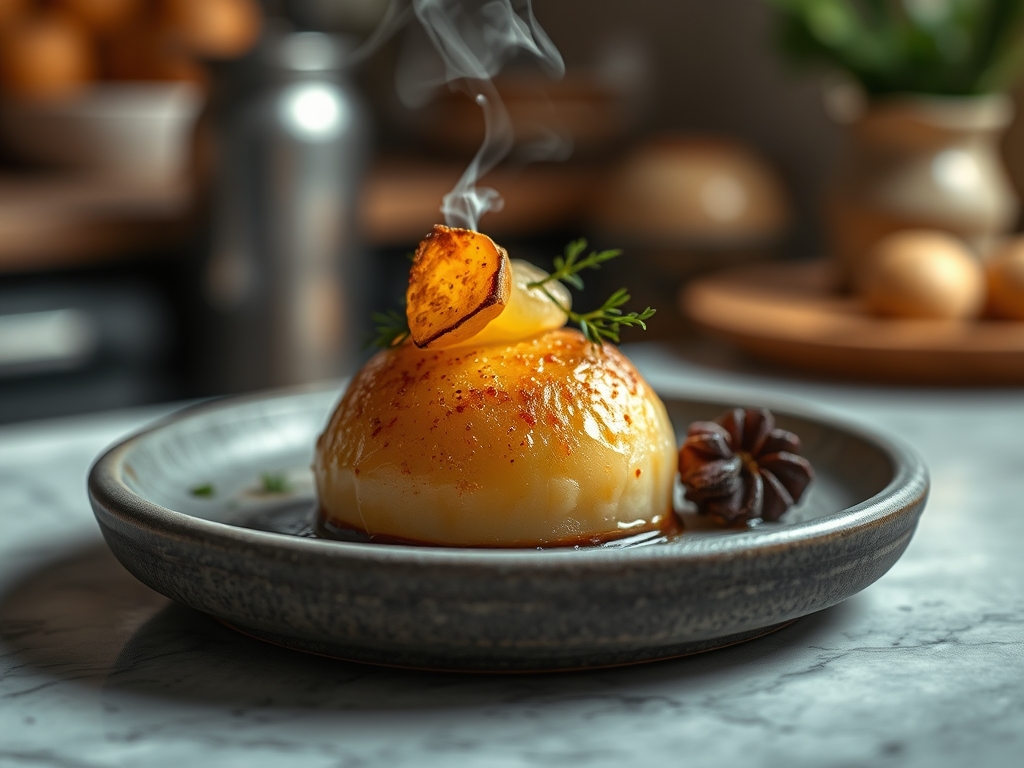
Listen to the sound of a high-performance kitchen. It is not a roar; it is a controlled, aggressive hiss. We are here to conduct a comprehensive Fondant Potato Audit. This is the gold standard of tuber engineering. We are taking the humble Russet and subjecting it to a high-heat sear before drowning it in a bath of emulsified fat and aromatics. The result is a structural paradox. The exterior must be a rigid, mahogany crust of Maillard-induced crunch. The interior must be a cloud of starch that has been fully saturated with butter and stock. If your potatoes are merely boiled or greasy, you have failed the audit. We are looking for a specific molecular transformation where the pectin breaks down just enough to allow the potato to absorb liquid without losing its architectural integrity. This is the infrastructure of flavor. It requires precision, heat management, and a refusal to settle for mediocrity. Grab your heavy-bottomed pans. We are about to turn simple starch into pure culinary currency.
THE DATA MATRIX
| Metric | Specification |
|---|---|
| Prep Time | 15 Minutes |
| Execution Time | 35 Minutes |
| Yield | 4 Servings (8 cylinders) |
| Complexity (1-10) | 7 |
| Estimated Cost per Serving | $1.25 |
THE GATHERS
Ingredient Protocol:
- 3 Large Russet Potatoes (approx. 900g / 2 lbs)
- 115g / 0.5 cup Unsalted High-Fat Butter
- 250ml / 1 cup High-Quality Chicken or Vegetable Stock
- 30ml / 2 tbsp Neutral High-Smoke Point Oil (Grapeseed or Avocado)
- 4 Sprigs Fresh Thyme
- 3 Cloves Garlic (Crushed)
- 10g / 2 tsp Flaky Sea Salt
- 2g / 0.5 tsp Freshly Cracked Black Pepper
Section A: Ingredient Quality Audit:
The primary failure point in a Fondant Potato Audit is the potato variety itself. If you use a waxy Red or Yukon Gold, you will end up with a dense, soapy puck. You need the high starch content of a Russet to ensure the center becomes viscous and fluffy. If your potatoes feel soft or have sprouted, the sugar-to-starch ratio has shifted; this will cause the exterior to burn before the interior cooks.
Another critical variable is the stock. Store-bought, low-sodium stocks often lack the gelatin content required to create a glossy glaze. If your stock is thin, whisk in a teaspoon of gelatin or reduce the stock by half before use. Finally, use European-style butter with at least 82 percent butterfat. American commodity butter contains too much water, which causes excessive splattering and prevents a clean render of the milk solids.
THE MASTERCLASS
1. Architectural Fabrication
Peel the potatoes and slice off the ends to create flat surfaces. Use a 2-inch metal ring mold or a sharp chef knife to shape them into uniform cylinders. Use a bench scraper to clear away the starch-heavy scraps. Soak the cylinders in cold water for ten minutes to remove surface starch.
Pro Tip: Uniformity is not just for aesthetics. If your cylinders vary in height, the shorter ones will not touch the pan surface, resulting in uneven browning. Use a digital scale to ensure each potato weighs roughly the same to guarantee synchronized cooking times.
2. The High-Heat Initiation
Pat the potatoes bone-dry with paper towels. Heat your saucier or cast-iron skillet over medium-high heat with the neutral oil. Once the oil begins to shimmer, place the potatoes flat-side down. Sear for 5 to 6 minutes without moving them.
Pro Tip: This stage is about the Maillard reaction. Moving the potatoes prematurely breaks the surface tension and prevents a crust. The oil acts as a heat transfer medium; the high smoke point prevents bitter carbonization that occurs with butter at this temperature.
3. The Lipid Infusion
Flip the potatoes to reveal a deep golden-brown crust. Use a kitchen towel to carefully wipe out the excess oil from the pan. Add the butter, garlic, and thyme. As the butter begins to aerate and foam, spoon it continuously over the potatoes for 3 minutes.
Pro Tip: This is "basting" or arroser. The milk solids in the butter will toast, creating a nutty aroma. This process begins to infuse the starch with fat before the liquid stage, ensuring a rich mouthfeel.
4. The Stock Submersion
Carefully pour the stock into the pan until it reaches halfway up the sides of the potatoes. Transfer the entire pan into a preheated oven at 200C / 400F. Roast for 20 to 25 minutes until the liquid has reduced and the potatoes are tender.
Pro Tip: This is a braising technique. The bottom of the potato absorbs the flavored liquid while the top remains exposed to dry heat, preserving the crunch. Use a cake tester or toothpick to check the internal resistance; it should slide in like it is hitting room-temperature butter.
5. The Final Glaze
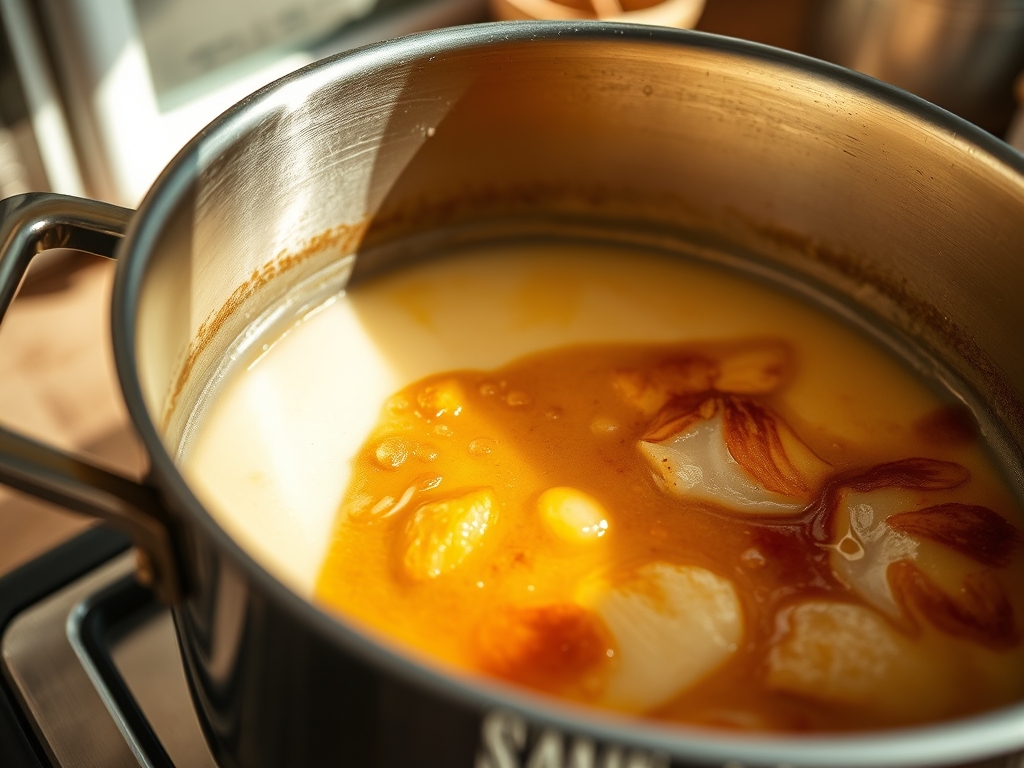
Remove the pan from the oven. If the liquid is still thin, return the pan to the stovetop and deglaze the browned bits, simmering until the liquid becomes a thick, viscous lacquer. Roll the potatoes in this reduction before serving.
Pro Tip: The reduction of stock and butter creates a natural emulsion. If the sauce breaks, add a splash of fresh stock and whisk vigorously to re-emulsify the fats.
Section B: Prep & Timing Fault-Lines:
The most common human error is rushing the sear. If you add the stock before the crust is fully formed, the potato will become soggy. Conversely, if your oven is too hot, the stock will evaporate before the center of the potato is cooked, leading to a "raw" core. Always use an oven thermometer to verify your thermal environment. If you find the liquid disappearing too fast, tent the pan with foil to trap steam while the starch hydrates.
THE VISUAL SPECTRUM
Section C: Thermal & Visual Troubleshooting:
Referencing the Masterclass photo, your target is a "two-tone" aesthetic. The top must be a singular, unbroken disc of dark amber. If you see white patches, your pan was not flat or your oil was insufficient. If the sides of the potato look "shaggy," you did not use a sharp enough knife during fabrication.
If the liquid in your pan looks grey or muddy, you likely used a low-quality pepper or did not strain your stock. The final sauce should be a translucent, golden brown. If the potatoes appear dull, they lack the final glaze. Ensure you are basting them in the reduced pan juices immediately before they hit the plate to provide that signature high-gloss finish.
THE DEEP DIVE
Macro Nutrition Profile
Per serving (2 cylinders): 280 Calories, 18g Fat, 26g Carbohydrates, 3g Protein. This is a fat-dense preparation designed for flavor, not caloric restriction.
Dietary Swaps
- Vegan: Replace butter with a high-quality vegan butter alternative (ensure it has a high fat content) and use a rich mushroom dashi instead of chicken stock.
- Keto: This dish is inherently high-carb. For a keto-compliant version, apply the same technique to thick slices of Daikon radish or Celery Root.
- Gluten-Free: This recipe is naturally gluten-free. Ensure your stock does not contain hidden wheat-based thickeners.
Meal Prep & Reheating Science
Fondant potatoes can be made 24 hours in advance. To reheat, place them in a skillet with a tablespoon of water and cover with a lid. This creates steam to soften the interior. Remove the lid for the last two minutes to re-crisp the base. Do not microwave, as this will turn the internal starch into a rubbery, retrograded mess.
THE KITCHEN TABLE
Why are my potatoes falling apart?
You likely used a waxy potato or over-braised them. Russets hold their shape best. Monitor the internal temperature; once they reach 98C / 208F internally, the cellular structure begins to collapse.
Can I use dried herbs instead of fresh?
Negative. Dried herbs will burn in the high-heat butter and create a gritty texture. Fresh thyme and garlic provide essential oils that infuse the fat without compromising the structural integrity of the sauce.
My butter turned black, is it ruined?
Yes. Black butter is acrid and carcinogenic. This happens if the pan is too hot when the butter is added. If this occurs, wipe the pan clean and start the butter stage over.
Do I have to peel them?
For a true Fondant Potato Audit, yes. The skin prevents the stock from penetrating the sides of the potato, which defeats the purpose of the braise. Save the skins for frying as a snack later.