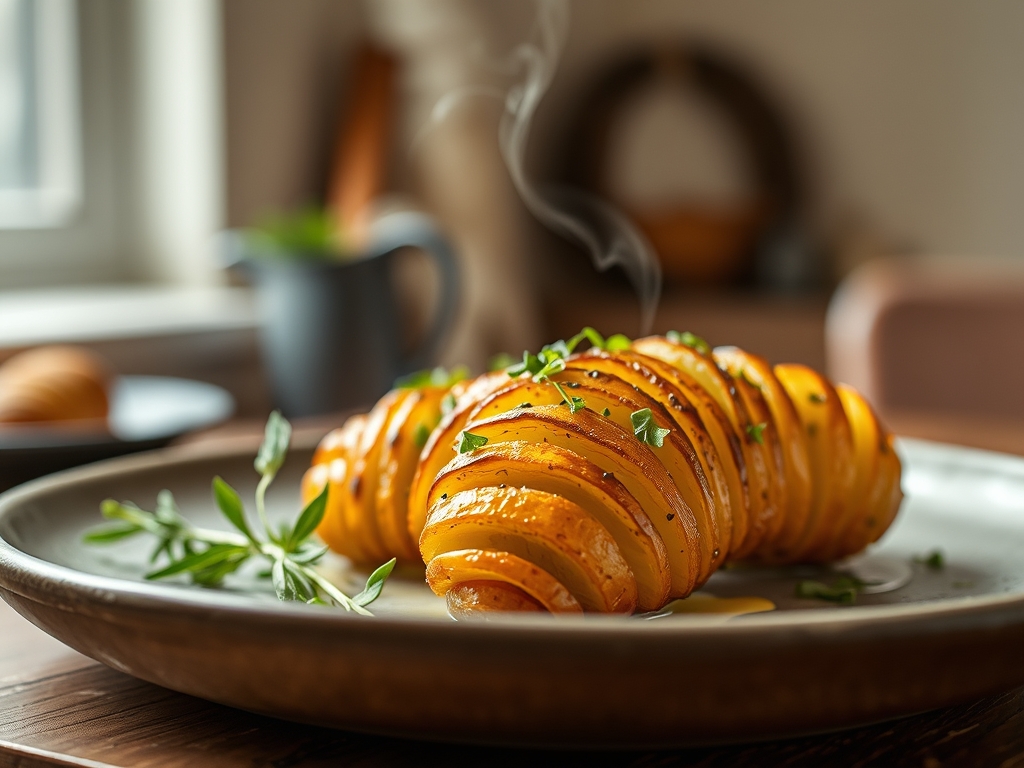
Forget the humble baked potato; it is a thermal relic of a bygone era. We are here to discuss the architectural optimization of the Solanum tuberosum. When you implement Hasselback Potato Tech, you are not merely cooking a vegetable; you are engineered for maximum surface area expansion. Think of it as a radiator for flavor. By introducing a series of precise, vertical incisions that stop just short of the base, you transform a dense starch block into a series of accordion-like fins. These fins serve a dual purpose. First, they facilitate a massive increase in the Maillard reaction sites. Second, they create capillary channels that allow fat to render and infuse every internal cell wall. The result is a structural marvel where the exterior attains a glass-like shatter while the interior maintains a velvety, cloud-like crumb. This is culinary infrastructure at its peak. We are auditing the transition from a boring side dish to a high-performance carbohydrate delivery system. Prepare your blades; we are about to recalibrate your kitchen standards.
THE DATA MATRIX
| Metric | Specification |
|---|---|
| Prep Time | 20 Minutes |
| Execution Time | 60 Minutes |
| Yield | 4 Servings |
| Complexity (1-10) | 4 |
| Estimated Cost per Serving | $1.25 |
THE GATHERS
Ingredient Protocol:
- 4 Large Russet Potatoes (approx. 900g / 2 lbs)
- 60ml / 4 tbsp Unsalted Butter, melted
- 30ml / 2 tbsp Extra Virgin Olive Oil
- 4 cloves Garlic, smashed and minced
- 5g / 1 tsp Fresh Thyme leaves
- 8g / 1.5 tsp Kosher Salt
- 2g / 0.5 tsp Cracked Black Pepper
- 30g / 0.25 cup Finely grated Parmesan cheese
Section A: Ingredient Quality Audit:
If your tubers feel spongy, they have lost critical turgor pressure. This results in "ragged" cuts rather than clean fins. To fix this, submerge the potatoes in an ice-water bath for thirty minutes to rehydrate the cellular walls before slicing. If your garlic is sprouting a green germ, remove it; that germ contains bitter compounds that will ruin the piquant profile of your basting fat. Always use high-fat European-style butter (82% butterfat or higher) to ensure the moisture content does not cause the potato starch to become gummy during the initial roasting phase.
THE MASTERCLASS
Step 1: The Foundation Cut
Place each potato between two wooden spoons or specialized leveling dowels. Use a razor-sharp chef knife to slice crosswise at 3mm intervals. The spoons act as a physical fail-safe to prevent the blade from transecting the base.
Pro Tip: Use a digital scale to ensure your potatoes are of uniform mass. This ensures a synchronized thermal finish across the entire batch. Consistent spacing is not just aesthetic; it regulates the airflow between the fins.
Step 2: The Lipid Infusion
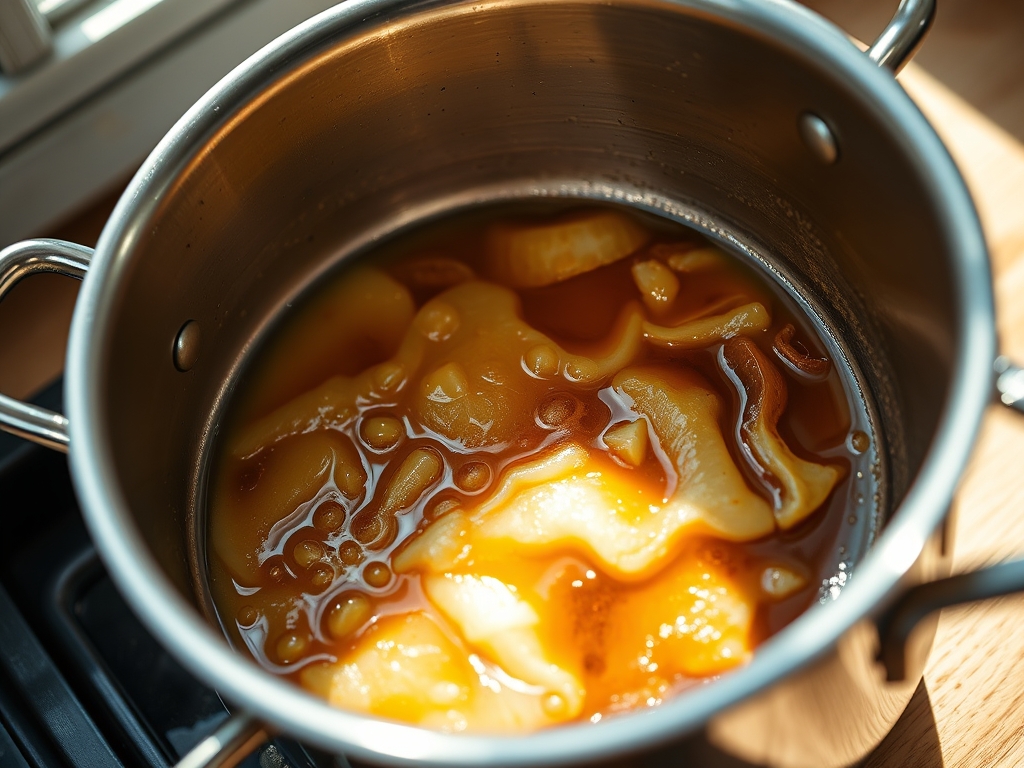
In a small saucier, combine the butter, olive oil, garlic, and thyme over low heat. You want to infuse the fats without browning the milk solids yet. Use a pastry brush to apply half of this mixture to the potatoes, ensuring you get deep into the crevices.
Pro Tip: Use a bench scraper to clean your workstation immediately after slicing. Starch buildup on your board can become tacky and interfere with the precision of your movements during the basting phase.
Step 3: The Primary Thermal Cycle
Place the potatoes on a parchment-lined sheet pan and roast at 220C / 425F for 30 minutes. This initial blast is designed to drive off surface moisture and begin the expansion of the "accordion" structure.
Pro Tip: Heat transfer in an oven is primarily convective. If you crowd the pan, you create a localized humidity zone that steams the potatoes instead of crisping them. Maintain at least 5cm of clearance between each unit.
Step 4: The Secondary Baste and Finish
Remove the pan. The fins should now be slightly flared. Apply the remaining fat mixture and a generous dusting of salt. Return to the oven for another 25 to 30 minutes until the edges are golden brown and the centers are tender.
Pro Tip: In the final five minutes, sprinkle the Parmesan over the top. The cheese will render its fat and create a lacy, crisp crown known as a frico. This adds a tertiary texture to the dish.
Section B: Prep & Timing Fault-Lines:
The most common failure is the "Cold Core" syndrome. If you take potatoes directly from a cold larder to a hot oven, the exterior will overcook before the center reaches the necessary 98C / 208F for starch gelatinization. Allow your tubers to reach room temperature before the first cut. If you find your timing is lagging, do not raise the temperature; instead, tent the potatoes with foil to trap steam and accelerate internal cooking without burning the delicate fin tips.
THE VISUAL SPECTRUM
Section C: Thermal & Visual Troubleshooting:
Observe the reference image provided above. Notice the "Golden Hour" hue; this is the visual indicator of perfect Maillard completion. If your potatoes look pale or "matte," you have under-applied the lipid phase. Fat is the conductive medium for heat. Without enough oil, the surface remains dehydrated but un-browned. Conversely, if the tips are blackened while the valleys are white, your oven rack is likely too high. Move the tray to the center position to balance radiant heat from the top element with the convective air of the chamber. The texture should appear "shingled" and rigid, not slumped or soft.
THE DEEP DIVE
Macro Nutrition Profile:
A single serving (one large potato with associated fats) yields approximately 320 calories, 42g of carbohydrates, 16g of fat, and 4g of protein. While starch-heavy, the inclusion of olive oil provides heart-healthy monounsaturated fats that slow the glycemic response.
Dietary Swaps:
For a Vegan protocol, replace the butter with a high-quality avocado oil or a cultured vegan butter alternative. For Keto enthusiasts, this dish is a non-starter; however, the same Hasselback Tech can be applied to zucchini or thick-cut eggplant rounds. For Gluten-Free requirements, this dish is naturally compliant, provided your spices are not bulk-loaded with grain-based anti-caking agents.
Meal Prep & Reheating Science:
Hasselback potatoes are notoriously difficult to revive because the high surface area leads to rapid staling (retrogradation of starch). To reheat, avoid the microwave at all costs; it will turn your structural masterpiece into a damp sponge. Instead, use an air fryer at 180C / 350F for five minutes. This will re-crisp the lipid-coated fins while gently warming the core.
THE KITCHEN TABLE
Why are my potatoes not fanning out?
This usually indicates the cuts are not deep enough or the potato variety is too waxy. Ensure you cut at least 75% of the way through the tuber and use starchy Russets for maximum expansion.
Can I use red potatoes for this?
You can, but the result will be creamier rather than crispy. Red potatoes have a higher moisture content and lower starch, meaning the fins will remain somewhat flexible rather than attaining that signature glass-like crunch.
How do I prevent the garlic from burning?
Add the minced garlic during the second basting cycle. If it is exposed to the high heat for the full 60 minutes, the sugars in the garlic will carbonize and turn acrid.
What is the best way to clean the potatoes?
Use a stiff-bristled vegetable brush under cold running water. Since we are consuming the skin for structural integrity and fiber, removing all subterranean debris is a non-negotiable safety and sensory requirement.