Listen to the sound of a kitchen in crisis; it is the wet, rhythmic thud of over-hydrated dough hitting a flour-dusted bench. We have all been there. You are chasing the dream of a cloud-like pillow, but you have accidentally engineered a gummy, leaden projectile. The secret to avoiding this culinary catastrophe lies entirely within Gnocchi Starch Ratios. This is not just cooking; it is a high-stakes structural audit of tuber cell walls and protein networks. When the potato meets the flour, we are looking for a precise molecular handshake. If the moisture content is too high, the starch granules swell into a gluey mess. If it is too low, the dough crumbles into architectural failure. We are aiming for that sublime middle ground where the amylopectin provides structure while the gluten remains relaxed and tender. To master the knot, you must respect the science of the squeeze. We are about to strip back the fluff and look at the raw data of the perfect potato dumpling.
THE DATA MATRIX
| Metric | Specification |
|---|---|
| Prep Time | 45 Minutes |
| Execution Time | 15 Minutes |
| Yield | 4 Servings |
| Complexity (1-10) | 7 |
| Estimated Cost per Serving | $1.85 USD |
THE GATHERS
Ingredient Protocol:
- 1 kg / 2.2 lbs Russet or Yukon Gold Potatoes (High starch content is non-negotiable).
- 250g / 2 cups Type 00 Flour (Finely milled for superior binding).
- 1 Large Egg Yolk (Provides fat and lecithin for emulsification).
- 10g / 2 tsp Fine Sea Salt (To enhance the earthy profile).
- 5g / 1 tsp Freshly Grated Nutmeg (To infuse a subtle aromatic depth).
- 50g / 1/4 cup Parmigiano-Reggiano (Finely microplaned for structural integrity).
Section A: Ingredient Quality Audit:
If your potatoes feel waxy or "new," abort the mission immediately. Waxy potatoes contain too much water and not enough starch; they will turn into a viscous sludge the moment they hit the flour. To fix a high-moisture batch, spread your riced potatoes on a baking sheet and place them in a low oven for five minutes to aerate and evaporate excess steam. If your flour feels gritty, it likely has a high ash content which will interfere with the delicate gluten network. Always sift your flour through a fine-mesh strainer to ensure total oxygenation before it meets the tuber.
THE MASTERCLASS
1. Thermal Dehydration and Ricing
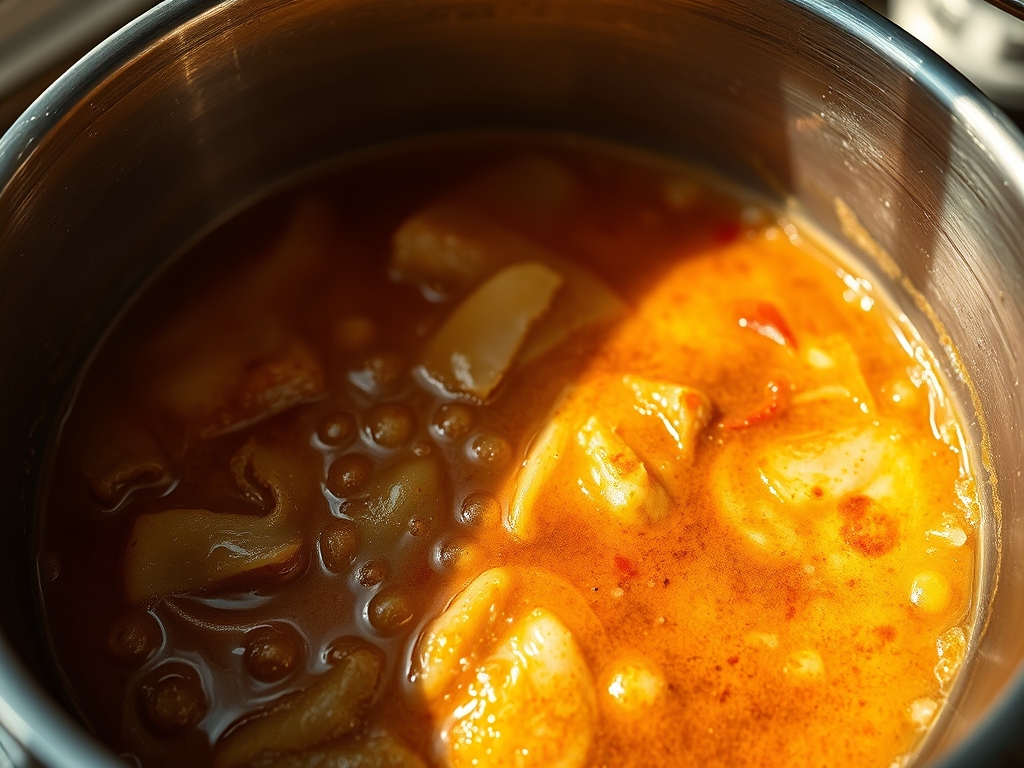
Boil the potatoes in their skins to prevent water ingress. Once tender, peel them while they are screaming hot using a clean kitchen towel to hold them. Pass them immediately through a potato ricer or a food mill onto a clean work surface. Do not mash them by hand; you will crush the starch cells and release too much amylose, resulting in a sticky texture.
Pro Tip: Use a digital scale to weigh your riced potatoes. The ratio of flour should be exactly 25 percent of the potato weight. This precision ensures your Gnocchi Starch Ratios remain consistent regardless of the size of your tubers.
2. The Gentle Fold
Create a well in the center of your warm potato mound. Add the egg yolk, salt, nutmeg, and cheese. Sift half of the flour over the top. Use a bench scraper to "cut" the flour into the potato rather than kneading it. We want to avoid developing a strong gluten web; we are looking for a tender bind, not a bread-like chew.
Pro Tip: If the dough feels tacky, add the remaining flour in small increments. The goal is a dough that just barely holds together. Over-working the dough at this stage will render the finished product tough and rubbery.
3. Structural Shaping and Knotting
Divide the dough into four manageable chunks. Roll each chunk into a long rope about 2cm in diameter. Use your bench scraper to cut the rope into 2cm pillows. To create the "knot" or the classic ridges, roll each piece over a fluted gnocchi board or the back of a fork. This increases the surface area for the sauce to cling to.
Pro Tip: Dust your tray with semolina flour instead of all-purpose flour. Semolina has a larger grain size and won't be absorbed into the dough, preventing the gnocchi from sticking to the tray while they wait for the pot.
4. The Buoyancy Test
Bring a large saucier or pot of heavily salted water to a rolling boil. Drop the gnocchi in batches. They will sink initially. Once they float to the surface, they are functionally cooked. This usually takes about 60 to 90 seconds. Do not overcook them; the structural integrity of the potato starch is fragile at boiling temperatures.
Pro Tip: Use a slotted spoon or a spider strainer to remove the gnocchi. Immediately transfer them to a pan with warm butter or sauce to deglaze the surface starch and create a silky coating.
Section B: Prep & Timing Fault-Lines:
The biggest failure in gnocchi production is the "Cooling Gap." If you let the riced potatoes cool completely before adding the flour, the starches will retrograde and refuse to bond with the egg and flour. You must work while the potatoes are still off-gassing steam. Conversely, if you add the egg to potatoes that are too hot, you will scramble the proteins. Aim for a "warm to the touch" internal temperature of approximately 55 degrees Celsius.
THE VISUAL SPECTRUM
Section C: Thermal & Visual Troubleshooting:
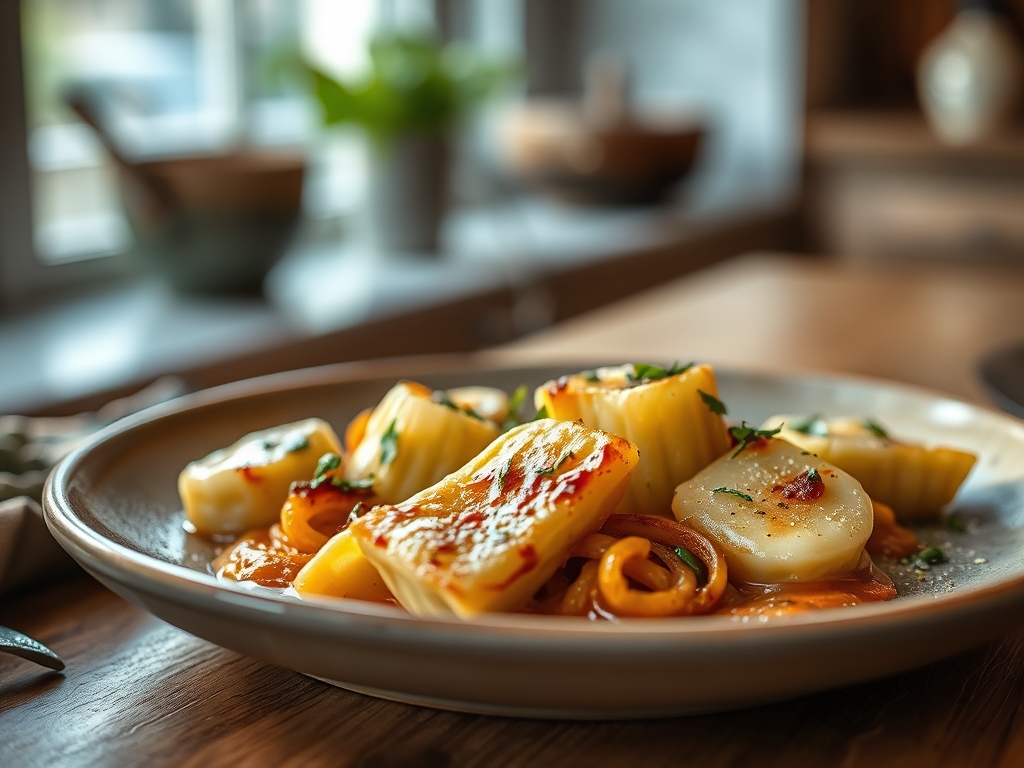
Look closely at the Masterclass photo above. Notice the matte, velvety texture of the uncooked dough; it should not look shiny or wet. If your gnocchi look translucent or "glassy" after boiling, your Gnocchi Starch Ratios were off, indicating too much flour and not enough potato. If the ridges from the fork disappear during cooking, the dough was too soft. To fix this, increase the cheese content in your next batch to provide more structural fat. If the gnocchi look grey, you likely used an old potato with high oxidation; always use fresh, unblemished tubers for a bright, golden hue.
THE DEEP DIVE
Macro Nutrition Profile:
A standard serving of potato gnocchi provides approximately 250 calories, 45g of carbohydrates, 5g of protein, and 3g of fat. While high in starch, the glycemic index can be moderated by serving them with a high-fiber vegetable base or a lean protein.
Dietary Swaps:
For a Vegan alternative, replace the egg yolk with a tablespoon of olive oil and a teaspoon of cornstarch mixed with water. For a Gluten-Free version, use a blend of rice flour and potato starch; however, be aware that the lack of gluten requires more "binding" time in the fridge before boiling.
Meal Prep & Reheating Science:
Gnocchi are best frozen raw. Arrange them in a single layer on a tray and freeze until solid before transferring to a bag. To reheat, boil them directly from frozen. If reheating cooked gnocchi, avoid the microwave; instead, pan-fry them in a little oil to render the exterior crispy while keeping the interior soft.
THE KITCHEN TABLE
Why are my gnocchi falling apart in the water?
This is a classic sign of insufficient binding. Your Gnocchi Starch Ratios likely lacked enough flour or the potatoes were too wet. Try adding a small amount of extra flour or an additional egg yolk to the remaining dough.
Can I use leftover mashed potatoes?
Technically yes, but the result will be inferior. Mashed potatoes usually contain butter and milk, which interfere with the starch-to-protein ratio. If you must use them, you will need significantly more flour to compensate for the added moisture.
What is the best sauce for potato knots?
A simple brown butter and sage sauce is king. It allows the earthy potato flavor to shine without overwhelming the delicate texture. A light pomodoro or a piquant pesto also works beautifully to cut through the starch.
How do I get that perfect golden crust?
After boiling, drain the gnocchi thoroughly and toss them into a hot pan with clarified butter. The Maillard reaction will create a crisp exterior that contrasts perfectly with the pillowy interior. This step also helps the gnocchi hold their shape.