Stop treating your side dishes like an afterthought and start treating them like a structural engineering project. We are here to discuss the absolute cornerstone of the summer cookout; the dish that can either be a creamy, cohesive masterpiece or a watery, weeping disaster. I am talking about Potato Salad Stability. Most home cooks fail because they treat the potato as a passive vessel for mayonnaise. They are wrong. To achieve greatness, you must understand the physics of the starch granule. When a potato cools, its amylose molecules realign into a crystalline structure known as retrograde starch. This process is the difference between a mushy pile of regret and a firm, bite-sized delight that holds its integrity against the onslaught of piquant dressing. We are moving beyond the realm of "tossing things in a bowl." We are entering the domain of thermal management, pH balancing, and emulsification integrity. If you want a salad that commands respect at the table, you must audit your process from the soil up.
THE DATA MATRIX
| Metric | Specification |
|---|---|
| Prep Time | 25 minutes |
| Execution Time | 45 minutes (plus 4 hours chilling) |
| Yield | 8 Servings |
| Complexity | 4 / 10 |
| Estimated Cost per Serving | $1.15 |
THE GATHERS
Ingredient Protocol:
- 1.5 kg / 3.3 lbs Waxy Potatoes (Yukon Gold or Red Bliss)
- 250 ml / 1 cup High-Quality Mayonnaise
- 30 ml / 2 tbsp Apple Cider Vinegar
- 15 ml / 1 tbsp Dijon Mustard
- 120 g / 1 cup Celery, finely diced
- 60 g / 0.5 cup Red Onion, minced and rinsed
- 15 g / 3 tbsp Fresh Dill, minced
- 5 g / 1 tsp Smoked Paprika
- 10 g / 2 tsp Kosher Salt (plus more for boiling)
- 2 g / 0.5 tsp Cracked Black Pepper
- 4 Large Eggs, hard-boiled and peeled
Section A: Ingredient Quality Audit:
The most common failure point is the potato variety. Starchy Russets will disintegrate into a grainy paste the moment they hit the dressing. You need waxy varieties with low starch content to maintain Potato Salad Stability. If your potatoes feel soft or sprout "eyes," the internal sugars have begun to convert, which will lead to a sickly sweet profile. Technical fix: If you only have older potatoes, add a teaspoon of lemon juice to the boiling water. This strengthens the pectin cell walls and prevents the exterior from sloughing off before the interior is cooked. If your mayonnaise is "broken" or oily, do not use it. A broken emulsion will never coat the potato; it will simply lubricate it into a greasy mess.
THE MASTERCLASS
1. Precision Thermal Processing
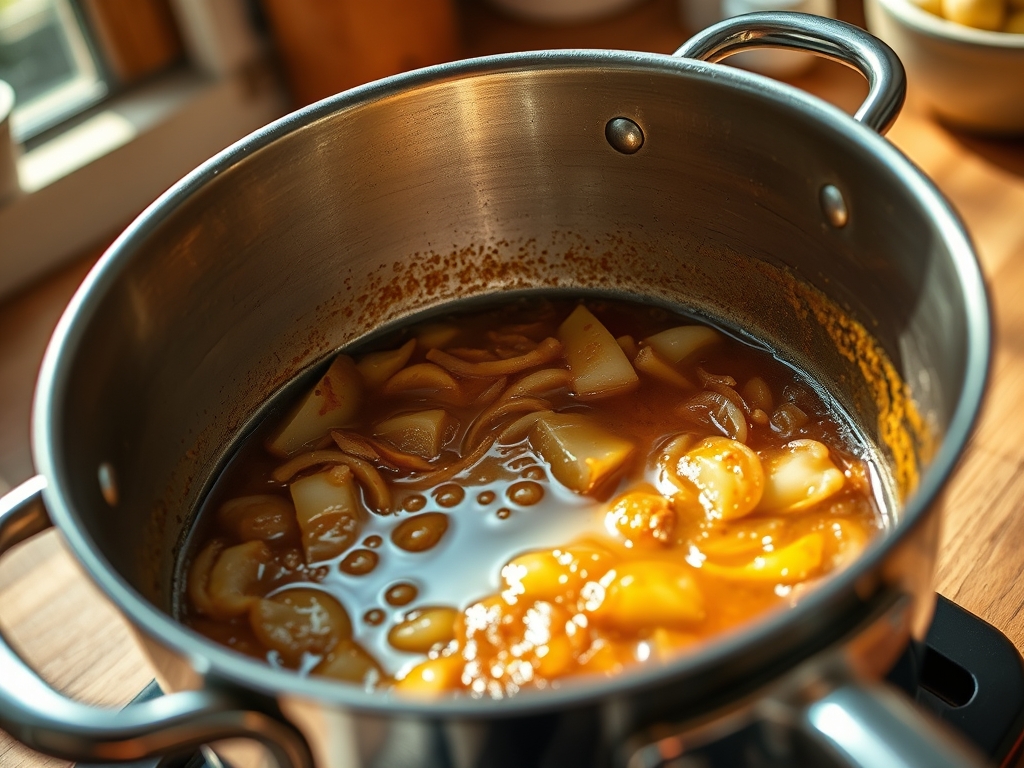
Place your cubed potatoes into a large pot of cold, heavily salted water. Starting with cold water ensures the exterior does not overcook while the center remains raw. Bring to a simmer, not a rolling boil. Use a digital thermometer to check for an internal temperature of 98 degrees Celsius.
Pro Tip: Use a bench scraper to transfer your cut potatoes from the cutting board to the pot. This prevents bruising the delicate starch cells. Boiling in salted water seasons the potato from the inside out, which is essential for a deep flavor profile.
2. The Acid Infusion Phase
Drain the potatoes and spread them out on a sheet tray. While they are still steaming, drizzle the apple cider vinegar over them. This is the "Golden Window." As the potatoes cool, they contract and pull the vinegar into the core of the vegetable.
Pro Tip: This is where Potato Salad Stability is born. The acid prevents the starch from becoming too viscous and sticky. Using a saucier to slightly warm the vinegar before application can increase the rate of absorption.
3. Emulsion Construction
In a separate stainless steel bowl, whisk together the mayonnaise, mustard, salt, pepper, and paprika. You want to aerate the dressing slightly to ensure it is light and capable of clinging to the angular surfaces of the potato cubes.
Pro Tip: Use a digital scale to measure your mayonnaise. Volume measurements are notoriously inaccurate for thick fats. A stable emulsion requires a precise ratio of fat to acid to ensure the dressing does not "weep" liquid after 24 hours in the fridge.
4. The Structural Integration
Once the potatoes have reached room temperature, fold in the celery, onions, and the dressing. Use a large rubber spatula to fold gently. Do not stir vigorously; you are not making mashed potatoes. You are coating individual structural units.
Pro Tip: Rinsing your minced onions in cold water for 30 seconds removes the sulfurous compounds that can turn "funky" overnight. This ensures the flavor remains piquant and fresh rather than overwhelming.
5. The Cold Cure
Transfer the mixture to a glass container and refrigerate for at least four hours. This is the final stage of retrograded starch management. The cooling process firms up the potatoes and allows the flavors to infuse throughout the entire matrix.
Pro Tip: Do not cover the container with plastic wrap while the potatoes are still warm. This creates condensation, which introduces excess moisture and ruins the viscous cling of your dressing.
Section B: Prep & Timing Fault-Lines:
The biggest timing error is dressing the potatoes while they are hot. If the potatoes are over 40 degrees Celsius, the heat will render the fat in the mayonnaise, causing it to melt and pool at the bottom of the bowl. This destroys the visual and textural appeal. If you find yourself in a rush, use an ice bath to shock the sheet tray of potatoes. Another fault-line is the egg. Overcooking the eggs leads to a grey ring of ferrous sulfide. Use a timer: 11 minutes in boiling water, followed by an immediate ice plunge.
THE VISUAL SPECTRUM
Section C: Thermal & Visual Troubleshooting:
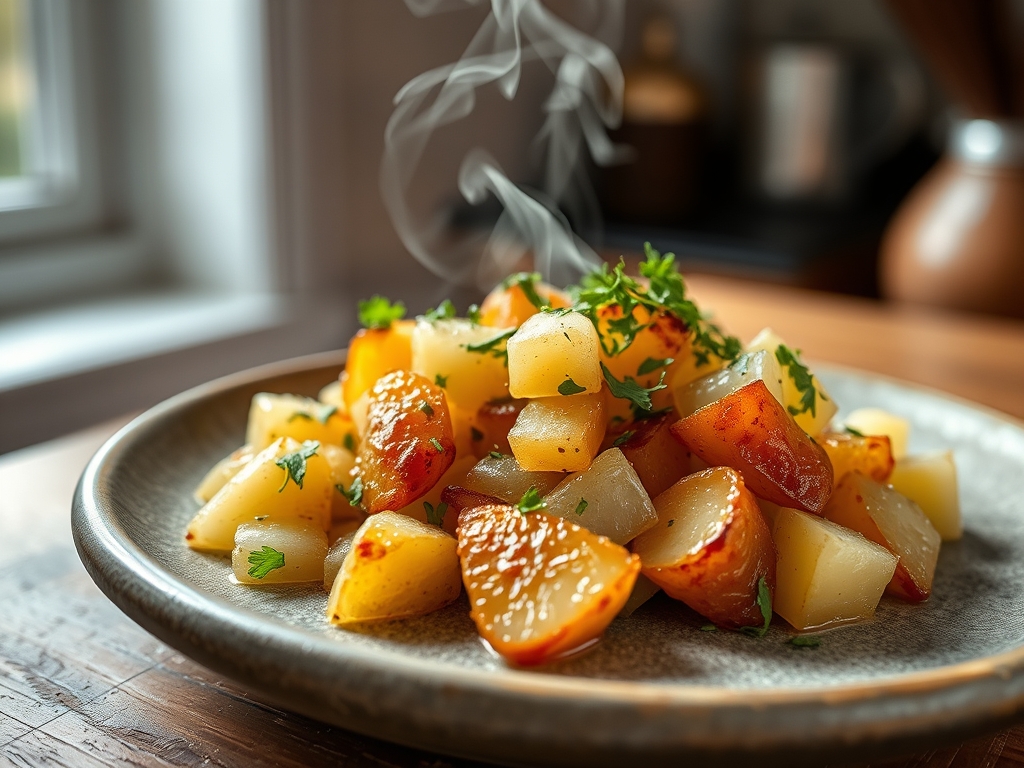
Referencing the Masterclass photo above, notice the distinct edges of each potato cube. If your salad looks like a monochromatic blur, you have overcooked the starch. The photo shows a vibrant contrast between the creamy white dressing and the bright green flecks of dill. If your dill looks brown, you likely added it to hot potatoes, "cooking" the delicate herb. To fix a dull color, add a pinch of turmeric to the dressing; it provides a subtle golden hue that mimics high-quality egg yolks. If the dressing looks "broken" or oily on the plate, your potatoes were too wet when you mixed them. Always pat the potatoes dry with a lint-free towel before the final mix.
THE DEEP DIVE
Macro Nutrition Profile:
A standard serving contains approximately 280 calories, 18g of carbohydrates, 22g of fat, and 4g of protein. While the fat content is high due to the mayonnaise, the resistant starch (retrograded starch) provides a lower glycemic index than hot mashed potatoes, making it a smarter choice for blood sugar management.
Dietary Swaps:
- Vegan: Swap the mayonnaise for a silken-tofu-based dressing and replace the eggs with smoked extra-firm tofu cubes for texture.
- Keto: Replace 75% of the potatoes with steamed cauliflower florets. Ensure the cauliflower is "al dente" to maintain structural integrity.
- GF: This dish is naturally gluten-free, provided your mustard and mayonnaise are certified.
Meal Prep & Reheating Science:
Never reheat potato salad. The beauty of this dish lies in the crystalline structure of the cold starch. Reheating will cause the starch to "gelatinize" again, turning the salad into a greasy, warm mash. For meal prep, store the dressing and the boiled potatoes in separate containers and mix 2 hours before serving to maintain maximum crunch in the celery and onions.
THE KITCHEN TABLE
Why is my potato salad watery the next day?
This is syneresis. It happens when the salt draws moisture out of the vegetables or when the mayonnaise emulsion breaks. To prevent this, ensure your potatoes are completely dry and your onions are rinsed and patted dry before mixing.
Can I use Miracle Whip instead of Mayo?
You can, but the higher sugar content and different emulsifiers will change the stability. Miracle Whip is thinner; you may need to reduce the vinegar to maintain a thick, coating consistency that clings to the potatoes properly.
What is the best way to peel hard-boiled eggs?
Add the eggs to already boiling water, cook for 11 minutes, and then immediately submerge them in an ice-water bath. Crack the shells all over and peel them under a thin stream of running water to help the membrane separate.
How long does it stay safe to eat?
According to food safety standards, potato salad should not sit at room temperature for more than two hours. In a sealed container in the refrigerator, it will maintain peak quality and structural stability for three to four days.