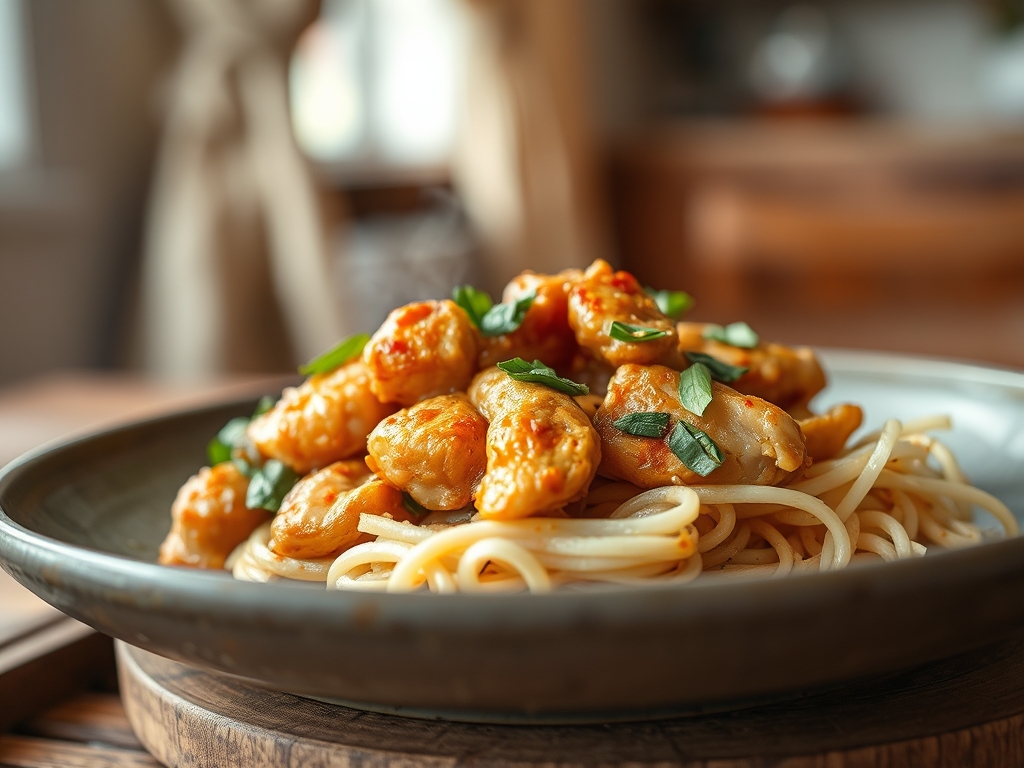
Imagine the scent of concentrated umami colliding with a wall of dry heat as you crack open the door of a commercial dehydrator. This is not just snack preparation; it is a high-stakes engineering project where the objective is the total subjugation of moisture. We are engaged in the pursuit of the perfect chew, a structural transformation where raw, pliable muscle fibers are rendered into shelf-stable gold. Beef Jerky Dehydration is the ultimate test of a culinary technician's patience and precision. You are balancing on a razor's edge between a succulent, piquant strip of preserved protein and a brittle, carbonized shard of disappointment. The process requires an intimate understanding of water activity and the thermal degradation of connective tissue. When executed with surgical accuracy, the result is a savory explosion that defies the laws of spoilage. We are stripping away the life-sustaining H2O to lock in a profile that is smoky, salty, and relentlessly addictive. Strap in for a deep dive into the infrastructure of meat preservation where we turn the humble cow into a portable masterpiece.
THE DATA MATRIX
| Metric | Specification |
|---|---|
| Prep Time | 45 Minutes (Excluding Marination) |
| Execution Time | 6 to 10 Hours |
| Yield | 450g / 1 lb (Finished Product) |
| Complexity | 7/10 |
| Estimated Cost per Serving | $2.25 USD |
THE GATHERS
Ingredient Protocol:
- Top Round or Eye of Round: 1.36kg / 3 lbs (Trimmed of all exterior fat)
- Tamari or Soy Sauce: 236ml / 1 cup
- Worcestershire Sauce: 59ml / 1/4 cup
- Liquid Smoke: 15ml / 1 tbsp
- Honey or Brown Sugar: 45g / 3 tbsp
- Freshly Cracked Black Pepper: 10g / 2 tbsp
- Smoked Paprika: 5g / 1 tbsp
- Garlic Powder: 5g / 1 tbsp
- Onion Powder: 5g / 1 tbsp
- Red Pepper Flakes: 2g / 1 tsp
Section A: Ingredient Quality Audit:
The primary failure point in Beef Jerky Dehydration is the selection of meat with high intramuscular fat. Fat does not dehydrate; it turns rancid. If your butcher provides a cut with heavy marbling, you must aggressively trim every white fleck. If the meat feels "mushy" after slicing, it likely has too much moisture content. The fix is a quick 20-minute stint in the freezer to firm up the proteins before the blade touches the surface. If your marinade tastes overly salty, do not dilute it with water; use a splash of apple cider vinegar to brighten the profile and lower the pH, which further aids in preservation.
THE MASTERCLASS
1. The Precision Slice
Place your semi-frozen beef on a stable cutting board. Using a razor-sharp chef's knife or a commercial deli slicer, cut the meat into 5mm (1/4 inch) strips. For a "tougher" traditional chew, slice with the grain. For a "tender" bite that snaps, slice against the grain. Use a digital scale to ensure uniformity across all pieces; variance in thickness leads to uneven drying.
Pro Tip: Uniformity is the soul of preservation. If your slices vary by even 2mm, the thinner pieces will over-cure while the thicker pieces remain a breeding ground for pathogens.
2. The Umami Infusion
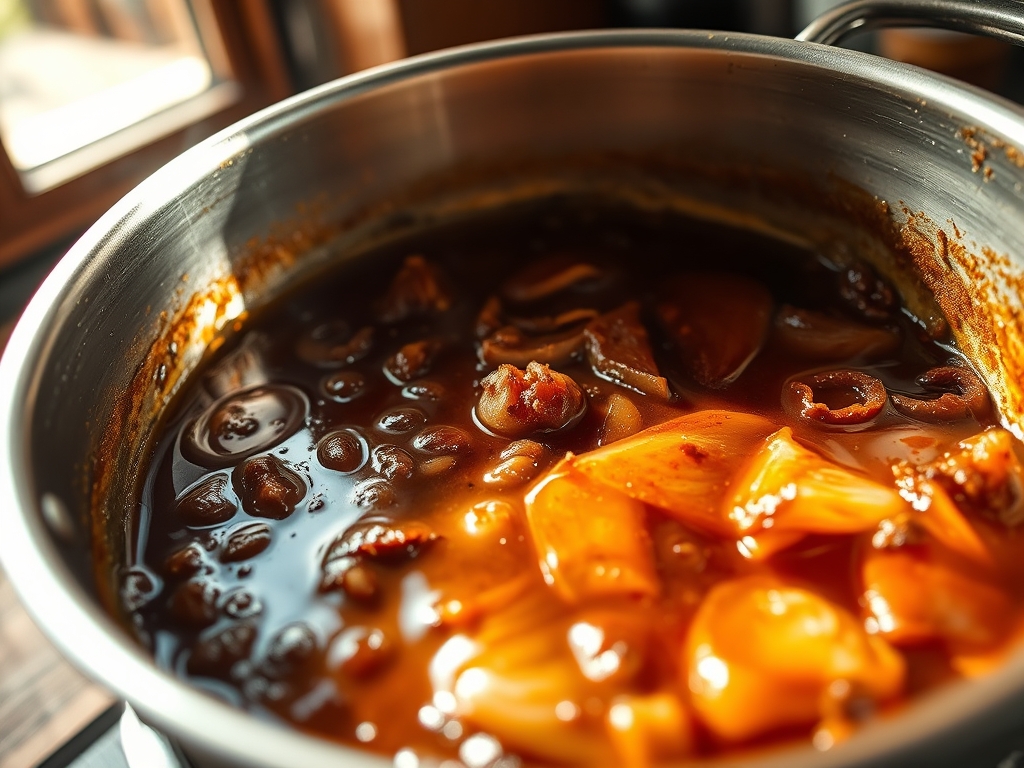
In a large stainless steel saucier or mixing bowl, whisk together the soy sauce, Worcestershire, honey, and spices until the mixture is a viscous, homogenized liquid. Submerge the beef strips entirely. Use a vacuum sealer if available to force the marinade into the cellular structure of the meat, or cover and refrigerate for 12 to 24 hours.
Pro Tip: The salt in the marinade acts as a denaturant. It breaks down the tight protein coils, allowing the flavors to infuse deeply into the core of the fiber rather than just coating the surface.
3. The Rack Configuration
Remove the strips from the marinade and pat them dry with lint-free paper towels. Arrange them on the dehydrator trays with at least 1cm of space between each piece to allow for maximum airflow. Do not overlap the meat; this creates "cold spots" where moisture can linger and cause spoilage.
Pro Tip: Use a bench scraper to clean your workspace immediately after handling raw marinated meat. Cross-contamination is the enemy of a sterile dehydration environment.
4. Thermal Calibration
Set your dehydrator to 71C (160F). This specific temperature is non-negotiable for the first two hours to ensure any surface bacteria are neutralized. After the initial thermal shock, you can drop the temperature to 63C (145F) to finish the process without case hardening.
Pro Tip: Use an independent digital thermometer to verify your dehydrator's internal temp. Built-in dials are notoriously inaccurate and can lead to "cooking" the meat rather than drying it.
5. The Flex Test
After 6 hours, begin checking for "doneness." Take a piece out and let it cool for one minute. Bend it gently. It should crack slightly on the surface but not snap in half. If it feels spongy, it needs more time. If it snaps like a twig, you have over-dehydrated it.
Pro Tip: The "white fiber" test is the gold standard. When bent, you should see the white connective tissues begin to fray and separate. This indicates the water activity has dropped to safe levels.
Section B: Prep & Timing Fault-Lines:
The most common human error is "peeking." Every time you open the dehydrator, you drop the internal temperature by 10 degrees and reset the airflow cycle. Trust the process. Another fault-line is the "flash-chill" error. If you bag the jerky while it is still warm, residual steam will condense inside the bag, reintroducing moisture and inviting mold. Always allow the product to reach room temperature on a wire rack before sealing.
THE VISUAL SPECTRUM
Section C: Thermal & Visual Troubleshooting:
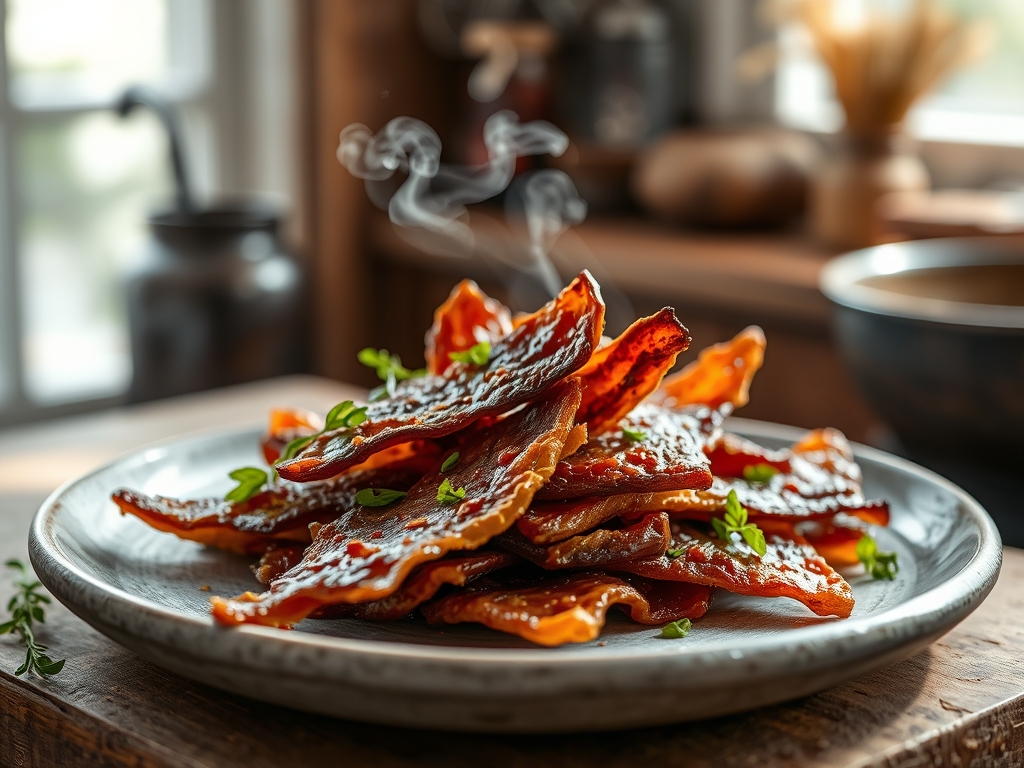
Observe the Masterclass photo above. Note the deep, mahogany hue and the matte finish of the meat. If your jerky looks "shiny" or "greasy," it means the fat is rendering out; you must blot this off immediately with a clean towel. If the jerky appears grey or dull, you likely skipped the acidic component (vinegar or citrus) in your marinade, which helps maintain the red color of the myoglobin. Uneven browning usually indicates a "hot spot" in your dehydrator; rotate your trays 180 degrees every two hours to ensure a consistent visual and textural profile across the entire batch.
THE DEEP DIVE
Macro Nutrition Profile
Beef jerky is a high-density protein source. Per 30g serving, expect approximately 80-100 calories, 12g of protein, 3g of fat, and 5g of carbohydrates (depending on sugar content in the marinade). It is an exceptional tool for metabolic maintenance during high-output activities.
Dietary Swaps
- Vegan: Replace beef with sliced King Oyster mushrooms or extra-firm tofu. Increase the liquid smoke and decrease drying time by 40%.
- Keto: Replace honey/sugar with liquid monk fruit or simply omit the sweetener entirely.
- GF: Ensure you use Tamari or liquid aminos instead of standard soy sauce, which contains wheat.
Meal Prep & Reheating Science
Jerky is the king of meal prep. Stored in a vacuum-sealed bag with an oxygen absorber, it stays shelf-stable for months. To maintain molecular structure, store in a cool, dark place. If the jerky becomes too tough over time, place a small piece of apple skin in the bag for 4 hours; the meat will aerate and absorb just enough moisture to soften without spoiling.
THE KITCHEN TABLE
Why is my jerky brittle?
You likely sliced it too thin or exceeded the 10-hour mark. Excessive heat causes the proteins to become glass-like. Aim for 5mm thickness and monitor the flex test religiously after the 5-hour mark to ensure a supple texture.
Is liquid smoke necessary?
Technically no, but it provides the essential phenols associated with traditional preservation. Without it, or a real wood-smoke stage, the flavor profile will be flat and lack the "piquant" depth required for a professional-grade audit.
Can I use a standard oven?
Yes, if it can hold a steady 70C (160F). Use a wooden spoon to prop the door open slightly. This allows moisture to escape, preventing the meat from steaming in its own juices, which ruins the structural integrity.
How long does it actually last?
In an airtight container at room temperature, it lasts 2 weeks. In the fridge, 1 month. In the freezer, indefinitely. Always check for off-odors or fuzzy spots before consumption; when in doubt, the audit fails and you discard.