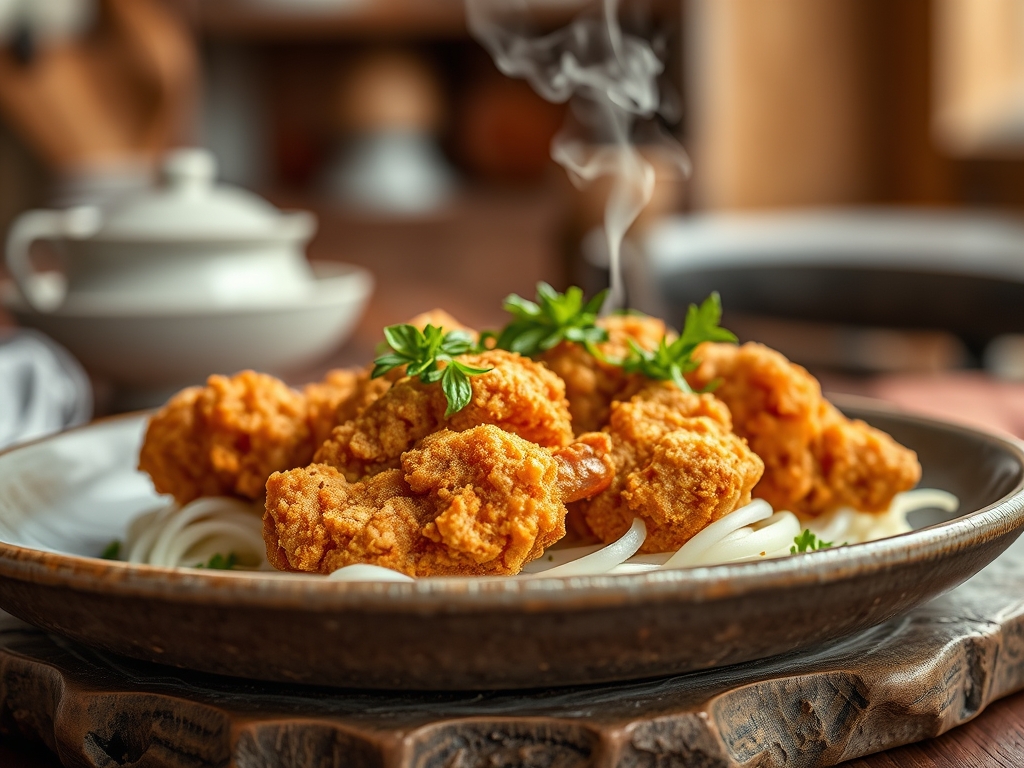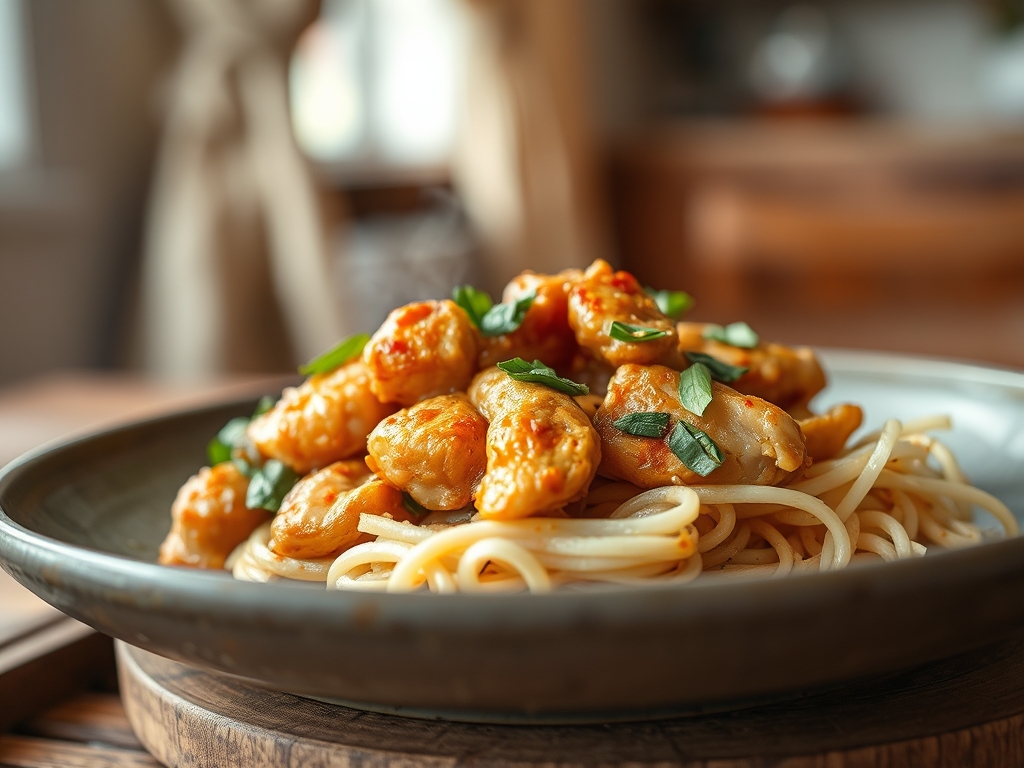
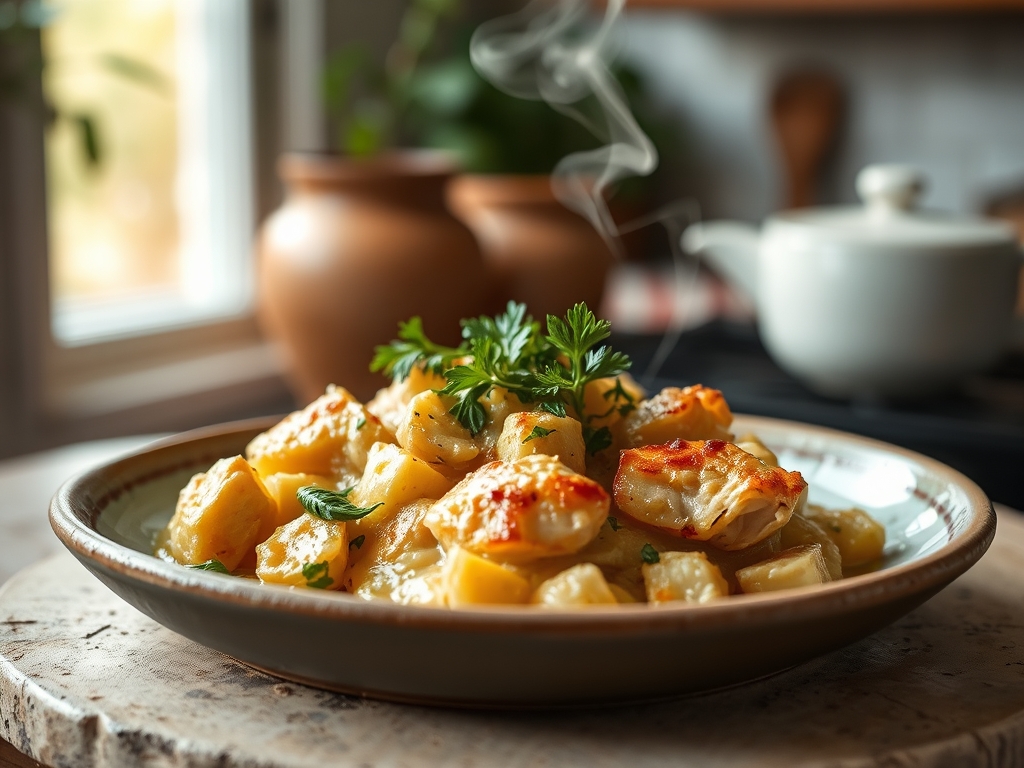
Imagine the structural integrity of a cathedral, but built entirely from butter, flour, and poultry. We are not merely making dinner; we are engineering a masterpiece of suspension. The Chicken Pie Filling is the load-bearing pillar of the entire operation. It is a viscous, golden sea where every cube of vegetable and shred of protein is held in a state of perfect, savory stasis. If your filling is watery, your crust will surrender to the dreaded "soggy bottom" syndrome. If it is too thick, you are serving a savory paste that lacks the luxurious mouthfeel of a professional veloute. We are looking for that specific, piquant aroma that signals a successful Maillard reaction. We want a sauce that clings to the back of a spoon with the confidence of a high-end silk tie. This is culinary infrastructure at its finest. We will render fats, infuse aromatics, and deglaze with surgical precision to ensure every bite is a masterclass in texture and depth. Let us begin the audit.
THE DATA MATRIX
| Metric | Specification |
|---|---|
| Prep Time | 25 mins |
| Execution Time | 35 mins |
| Yield | 1.5 Liters / 6 Servings |
| Complexity (1-10) | 4 |
| Estimated Cost per Serving | $2.45 |
THE GATHERS
Ingredient Protocol:
- 700g / 1.5 lbs Boneless Skinless Chicken Thighs (cubed)
- 115g / 1/2 cup Unsalted High-Fat Butter
- 65g / 1/2 cup All-Purpose Flour
- 475ml / 2 cups Heavy Cream
- 710ml / 3 cups Fortified Chicken Stock
- 200g / 1.5 cups Yellow Onion (finely diced)
- 150g / 1 cup Carrots (small dice)
- 120g / 1 cup Frozen Peas (thawed)
- 15g / 1 tbsp Fresh Thyme (minced)
- 10g / 2 tsp Kosher Salt
- 5g / 1 tsp Cracked Black Pepper
- 2g / 0.5 tsp Nutmeg (freshly grated)
Section A: Ingredient Quality Audit:
If your chicken stock looks like tinted water, your Chicken Pie Filling will lack the necessary gelatinous body. The fix: Simmer store-bought stock with a few chicken wings for thirty minutes to infuse extra collagen. If your vegetables are limp or "sweating" in the bag, they will turn to mush during the bake. Always opt for high-turgor, fresh produce. For the butter, if you use a brand with high water content, your roux will break. Seek out European-style butter with at least 82 percent butterfat to ensure a stable emulsification. Finally, if your cream is ultra-pasteurized, it may resist thickening; whisk it vigorously before adding to aerate and encourage a smoother integration.
THE MASTERCLASS
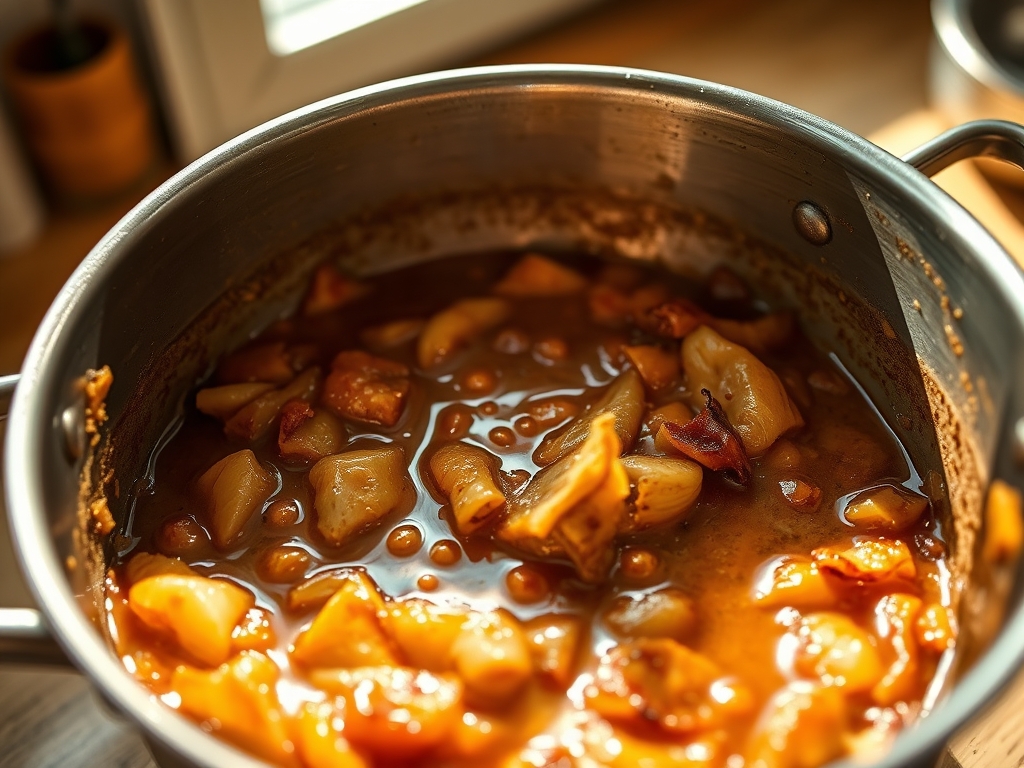
Step 1: The Protein Sear
Season your chicken liberally and sear it in a heavy-bottomed saucier over medium-high heat. Do not crowd the pan. You are looking for a deep, golden crust. Remove the chicken once it reaches 155 degrees Fahrenheit; it will finish cooking in the oven later.
Pro Tip: The brown bits stuck to the bottom are "fond." This is concentrated flavor. Using a digital scale to weigh your salt ensures consistency, preventing the filling from becoming a salt bomb.
Step 2: The Aromatic Foundation
Add your butter to the same pan. Once it begins to foam, toss in the onions and carrots. Sauté until the onions are translucent and the carrots have softened slightly. Use a bench scraper to move prepped vegetables from the board to the pan efficiently.
Pro Tip: This stage is about sweat, not color. You want to render the moisture out of the vegetables so they don't dilute your sauce later. The butter acts as a solvent for the volatile oils in the thyme.
Step 3: The Roux Engineering
Sprinkle the flour over the buttery vegetables. Stir constantly for three minutes. The mixture should smell slightly nutty, like toasted bread, but it must remain pale. This is a "blond roux."
Pro Tip: Cooking the flour removes the raw "cereal" taste. If the roux looks oily, you have too much fat; if it looks like dry sand, add a tablespoon of butter. A whisk is your best friend here to prevent lumps.
Step 4: Liquid Integration
Slowly pour in the chicken stock while whisking like your life depends on it. Once the stock is integrated and the mixture begins to bubble and thicken, pour in the heavy cream. Bring to a gentle simmer.
Pro Tip: This is where you deglaze the pan, lifting all that flavorful fond into the sauce. The transition from a thin liquid to a viscous suspension happens at approximately 175 degrees Fahrenheit as the starch granules swell.
Step 5: The Final Assembly
Fold the seared chicken, peas, and spices back into the sauce. Taste for seasoning. The filling should be slightly over-seasoned, as the crust will mute the flavors once assembled.
Pro Tip: Adding nutmeg at the very end provides a piquant undertone that cuts through the richness of the cream. Use a microplane for the finest distribution of spice.
Section B: Prep & Timing Fault-Lines:
The most common failure is the "Thermal Shock." If you add ice-cold stock to a hot roux too quickly, the starch will seize into tiny, unbreakable pebbles. Add liquid in three distinct stages. Another fault-line is the "Premature Pour." If you add the filling to the pastry while it is still steaming hot, the butter in the crust will melt instantly, destroying your lamination. Always cool the filling to room temperature before assembly. Use a digital thermometer to verify the filling is below 80 degrees Fahrenheit before it touches the dough.
THE VISUAL SPECTRUM
Section C: Thermal & Visual Troubleshooting:
Observe the Masterclass photo. Note the "Glistening Sheen." If your filling looks matte or dull, you have likely overcooked the flour or under-utilized the fat. A glossy finish indicates a perfect emulsification. If you see "Breaking Oil" (small yellow droplets on the surface), your heat was too high. To fix this, whisk in a splash of cold cream off the heat. If the peas look gray, they were added too early; always add them last to preserve that vibrant emerald hue. The carrots should maintain their geometric integrity; if they look rounded or fuzzy, they have been over-boiled.
THE DEEP DIVE
Macro Nutrition Profile:
A standard 250ml serving contains approximately 420 calories. You are looking at 28g of Fat, 18g of Carbohydrates, and 24g of Protein. The high fat content is essential for the "mouth-coating" effect that defines comfort food.
Dietary Swaps:
- Vegan: Replace butter with avocado oil and use cashew cream and vegetable stock. Use "no-chicken" bouillon for that specific poultry profile.
- Keto: Eliminate the flour. Use xanthan gum (start with 1/4 tsp) and heavy cream to achieve the desired viscosity.
- Gluten-Free: Substitute all-purpose flour with a high-quality 1:1 GF flour blend or cornstarch (slurry method).
Meal Prep & Reheating Science:
To maintain molecular structure, cool the filling rapidly in a shallow pan to prevent bacterial growth. When reheating, do so slowly. High heat can cause the cream to "split," separating the fat from the water. If the sauce has thickened too much in the fridge, whisk in a tablespoon of warm stock to restore the original viscous state.
THE KITCHEN TABLE
Why is my filling runny after baking?
This usually happens because the vegetables released excess water. Ensure you sauté them thoroughly during the "Aromatic Foundation" step. Also, ensure your roux-to-liquid ratio is precise using a digital scale.
Can I use cooked rotisserie chicken?
Absolutely. It is a time-saver. However, add it at the very end of the simmering process. Since it is already cooked, you only want to warm it through to avoid a rubbery texture.
How do I prevent a floury taste?
The "blond roux" stage is critical. You must cook the flour and butter together for at least three minutes. This toasts the starch molecules, neutralizing the raw grain flavor and developing a complex, nutty profile.
What is the best way to thicken a thin filling?
Do not just add more flour. Create a "beurre manié" by mixing equal parts softened butter and flour into a paste. Whisk small nuggets of this into the simmering sauce until the desired thickness is achieved.
Why does my sauce turn dark brown?
You likely overcooked the roux or the onions. While a dark roux is great for gumbo, a Chicken Pie Filling requires a light, creamy aesthetic. Keep the heat at medium and stir constantly.