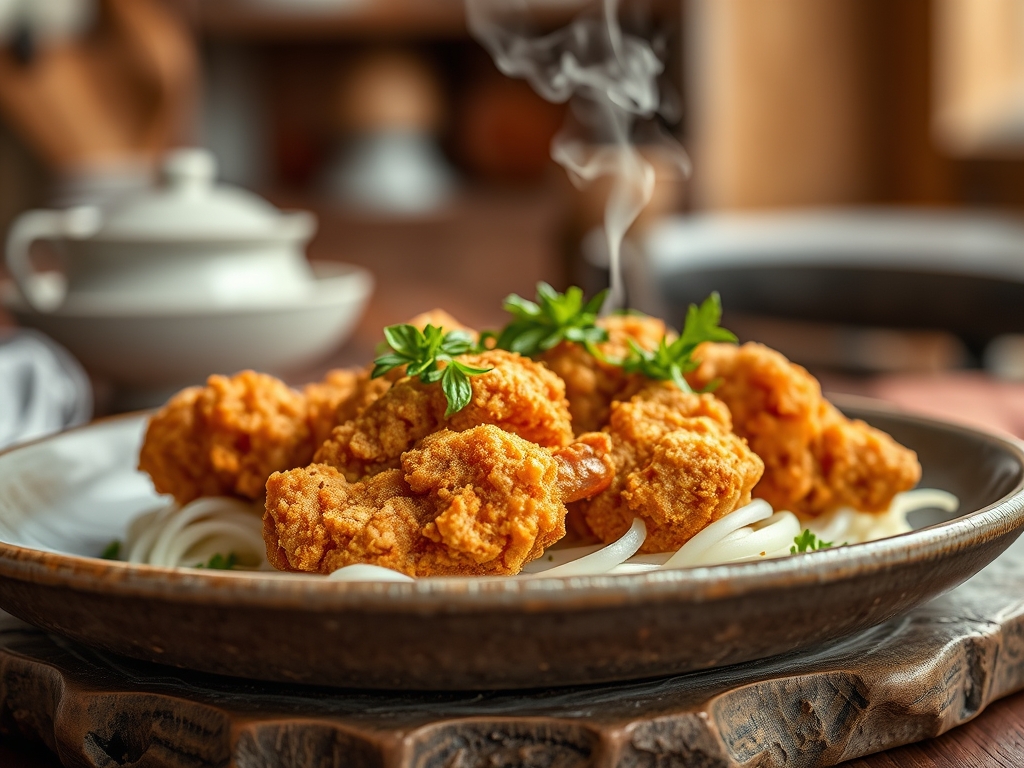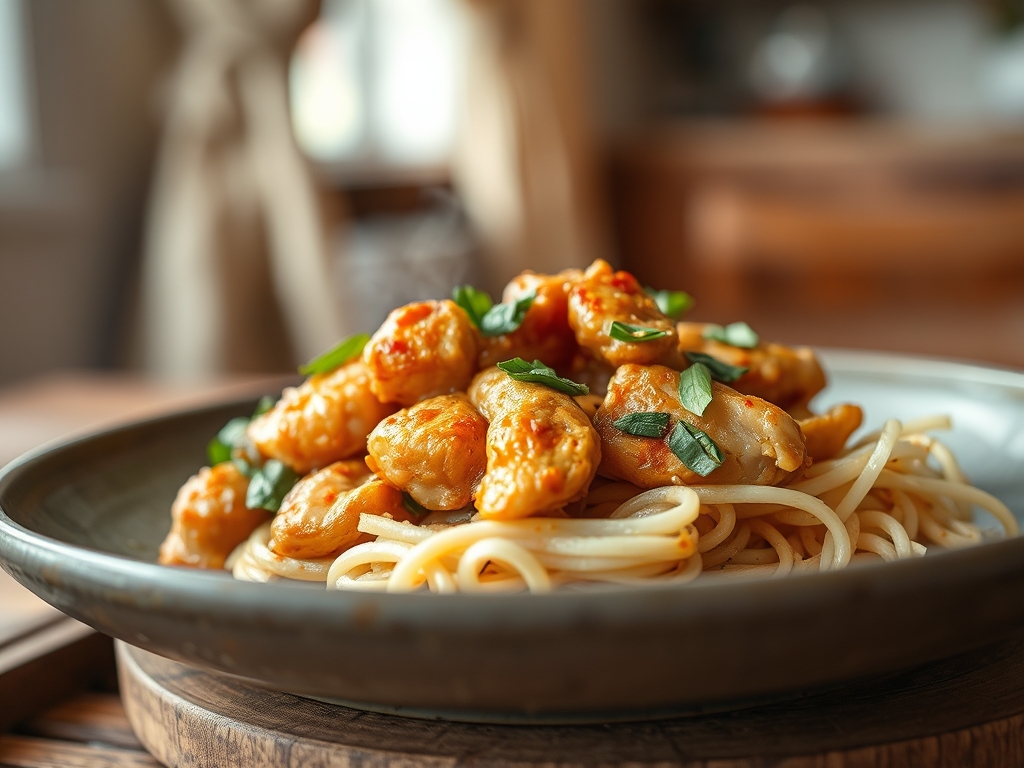
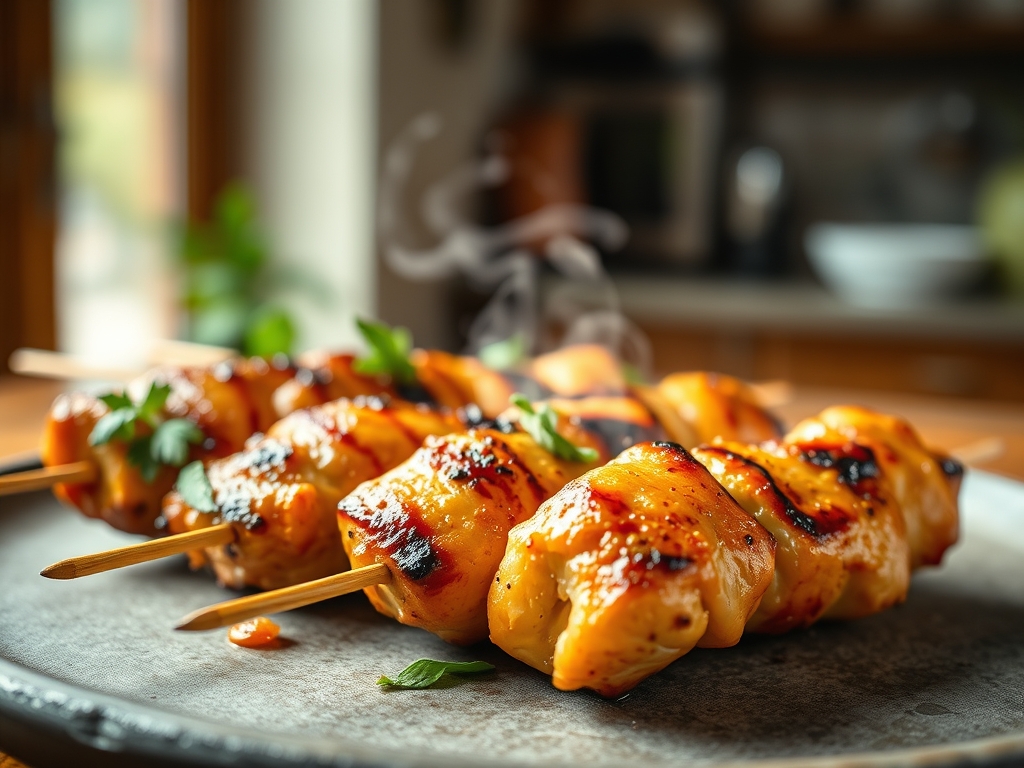
Listen to the crackle of the fat rendering against the steel. This is not just a backyard barbecue; it is a high-stakes audit of thermal efficiency and flavor saturation. When we discuss Grilled Chicken Skewers, we are analyzing the strategic application of infrared heat to a high-protein matrix. The goal is a perfect Maillard reaction that creates a shattered-glass exterior while maintaining a moist, viscous interior. You can smell the carbonization before you see the smoke. It is a piquant symphony of amino acids and reducing sugars colliding at four hundred degrees. If your poultry lacks that signature char, you have failed the most basic principle of surface area management. We are here to optimize the protein-to-flame ratio. We are here to ensure every cubic centimeter of meat is infused with the essence of hardwood charcoal. Forget everything you know about casual grilling. This is a technical deep dive into the structural integrity of the bird. Prepare your stations; the audit begins now.
THE DATA MATRIX
| Metric | Specification |
|---|---|
| Prep Time | 45 Minutes |
| Execution Time | 15 Minutes |
| Yield | 6 Servings |
| Complexity (1-10) | 4 |
| Estimated Cost per Serving | $3.50 |
THE GATHERS
Ingredient Protocol:
- 1.36kg / 3 lbs Boneless Skinless Chicken Thighs (Superior fat content for rendering).
- 120ml / 0.5 cup Extra Virgin Olive Oil.
- 60ml / 0.25 cup Fresh Lemon Juice.
- 45ml / 3 tbsp Soy Sauce (For umami depth).
- 30g / 2 tbsp Minced Garlic.
- 15g / 1 tbsp Smoked Paprika.
- 5g / 1 tsp Dried Oregano.
- 10g / 2 tsp Kosher Salt.
- 5g / 1 tsp Freshly Cracked Black Pepper.
- 12-15 Bamboo or Stainless Steel Skewers.
Section A: Ingredient Quality Audit:
The primary failure point in Grilled Chicken Skewers is the selection of lean breast meat over thighs. Breast meat lacks the intramuscular fat necessary to withstand high-velocity heat; it will dessicate before the exterior can properly caramelize. If you are forced to use breast meat, you must implement a "Velveting" protocol. This involves a brief marinade in cornstarch and egg white to create a protective barrier. Furthermore, ensure your citrus is fresh. Bottled lemon juice lacks the volatile oils found in the zest, leading to a flat, one-dimensional acidity. If your marinade feels thin, whisk in a teaspoon of honey. The sugars will act as a catalyst for browning, ensuring your thermal audit yields a visually stunning result.
THE MASTERCLASS
1. The Geometric Breakdown
Begin by utilizing a sharpened chef knife to fabricate the chicken into uniform 2.5cm / 1-inch cubes. Consistency is the foundation of thermal predictability. If the pieces vary in mass, the smaller units will overcook while the larger units remain hazardous. Use a digital scale to verify that your batches are weighted evenly before moving to the marinade phase.
Pro Tip: Uniformity allows for a "tight pack" on the skewer. This reduces the exposed surface area of the interior meat, forcing the heat to concentrate on the edges and creating a juicier result.
2. Emulsifying the Marinade
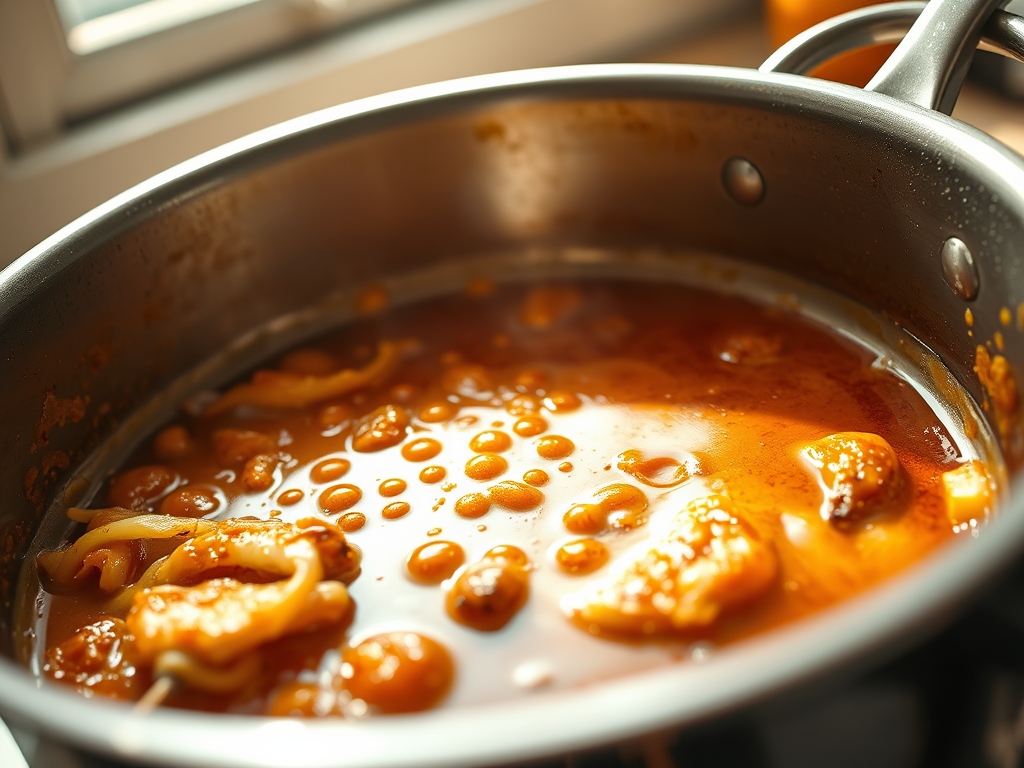
In a large saucier or mixing bowl, combine the olive oil, lemon juice, soy sauce, and spices. Whisk vigorously to aerate the mixture and create a temporary emulsion. The oil acts as a carrier for fat-soluble flavor compounds in the paprika and oregano, ensuring they penetrate the protein fibers rather than sitting on the surface.
Pro Tip: Use a bench scraper to quickly transfer minced garlic into the bowl without losing the essential oils left on the cutting board. These oils are the primary drivers of the piquant aroma.
3. The Saturation Period
Submerge the chicken cubes in the marinade. Use your hands to massage the liquid into the meat, ensuring every crevice is coated. Cover and refrigerate for at least 30 minutes, though four hours is the gold standard for deep flavor infusion. Do not exceed 24 hours, or the acid in the lemon juice will begin to "cook" the meat, resulting in a mealy texture.
Pro Tip: Vacuum sealing the marinating chicken can accelerate the infusion process by forcing the liquid into the cellular structure of the poultry.
4. Skewering for Airflow
Thread the chicken onto the skewers. If using bamboo, ensure they have been soaked in water for 30 minutes to prevent combustion. Leave a microscopic gap between each piece of meat to allow for hot air circulation. This ensures the sides of the cubes brown as effectively as the tops.
Pro Tip: Double-skewering (using two parallel skewers for one row of meat) prevents the chicken from spinning when you flip it, providing total control over the heat mapping.
5. The High-Heat Audit
Preheat your grill to 425F / 218C. Clean the grates with a wire brush and oil them lightly. Place the Grilled Chicken Skewers diagonally across the grates to maximize sear marks. Sear for 3 to 4 minutes per side. Use an instant-read digital thermometer to pull the meat once it hits an internal temperature of 165F / 74C.
Pro Tip: The "Cold Grate" method is a myth. You need the thermal mass of a preheated grill to trigger the Maillard reaction instantly, preventing the meat from sticking and tearing.
Section B: Prep & Timing Fault-Lines:
The most common human error is "Grill Fiddling." If you move the skewers too early, you break the protein bonds before they have seared, leading to torn meat and a lost crust. Wait for the meat to naturally "release" from the grate. Another timing error is failing to account for carry-over cooking. If you pull the chicken at 165F, it will climb to 170F while resting. For maximum moisture, pull the skewers at 162F and let them rest on a warm platter for five minutes. This allows the juices to redistribute and the fibers to relax.
THE VISUAL SPECTRUM
Section C: Thermal & Visual Troubleshooting:
Referencing the Masterclass photo, your Grilled Chicken Skewers should exhibit a vibrant, sunset-orange hue with distinct, charred "leopard spots" along the edges. If your skewers look grey or pale, your heat was too low or your meat was too wet when it hit the grill. Moisture is the enemy of the sear; pat the marinated meat slightly with a paper towel if it looks overly saturated. If the colors are dull, you likely skipped the paprika or used old spices that have oxidized. To fix a lack of luster, finish the skewers with a light brush of fresh olive oil and a sprinkle of chopped parsley immediately after removing them from the heat. This adds a glossy sheen and a pop of color that signals freshness to the consumer.
THE DEEP DIVE
Macro Nutrition Profile:
A standard serving of three skewers provides approximately 35g of protein, 12g of fat (primarily monounsaturated if using olive oil), and 2g of carbohydrates. This makes it an ideal "high-performance" fuel.
Dietary Swaps:
- Vegan: Replace chicken with extra-firm tofu or seitan. Ensure you press the tofu for 30 minutes prior to marinating to allow for maximum liquid absorption.
- Keto: This recipe is naturally keto-compliant. Increase the olive oil in the marinade to boost the fat-to-protein ratio.
- GF: Ensure your soy sauce is replaced with Tamari or liquid aminos to maintain a gluten-free profile.
Meal Prep & Reheating Science:
To maintain molecular structure during reheating, avoid the microwave. The high-frequency waves agitate water molecules, causing them to steam the meat from the inside out and creating a rubbery texture. Instead, use an air fryer at 350F for 4 minutes. This restores the exterior crispness while gently warming the core.
THE KITCHEN TABLE
Why is my chicken always dry on the grill?
You are likely using breast meat and overcooking it. Switch to chicken thighs and use a digital thermometer to pull the meat at 162F. The higher fat content in thighs provides a safety buffer against the heat.
Do I really need to soak bamboo skewers?
Yes. If the wood is dry, it will incinerate before the chicken is cooked. This creates bitter ash that taints the flavor of the meat. Soak them for at least 30 minutes in cold water.
Can I use a grill pan instead of charcoal?
You can, but you will lose the "infusion" element. Charcoal provides smoky phenols that a stove-top pan cannot replicate. If using a pan, ensure it is cast iron to maintain high thermal mass.
How do I get those perfect grill marks?
Do not touch the meat for the first three minutes. The "sear" requires uninterrupted contact with the hot metal. Once the proteins denature and brown, the meat will release easily for the flip.
What is the best way to store leftovers?
Remove the chicken from the skewers and store in an airtight glass container. This prevents the wood from absorbing moisture from the meat and keeps the poultry from tasting like a "refrigerator" after 24 hours.