Forget the soggy, weeping mounds of poultry found in supermarket delis. We are here to discuss the structural integrity of the ultimate protein emulsion. When we talk about Chicken Salad Density, we are not just discussing weight; we are discussing the architectural relationship between shredded muscle fiber and the lipid-based binder that holds it in suspension. A perfect chicken salad is a masterpiece of cold-chain management and moisture retention. It requires a specific ratio of protein to fat to acidity to ensure that the final product remains lofty and aerated rather than compressed and leaden. We are auditing the very foundation of your lunch. To achieve the correct Chicken Salad Density, one must understand the physics of the shred. If the chicken is over-processed, it turns into a paste. If it is under-shredded, the dressing slides off the surface like rain on a windshield. We are aiming for a piquant, viscous coating that clings to every jagged edge of the protein. Let us begin the audit of your culinary infrastructure.
THE DATA MATRIX
| Metric | Specification |
|---|---|
| Prep Time | 25 minutes |
| Execution Time | 15 minutes |
| Yield | 4-6 Servings |
| Complexity (1-10) | 3 |
| Estimated Cost per Serving | $2.75 |
THE GATHERS
Ingredient Protocol:
- 700g / 1.5 lbs Poached Chicken Breast (Cold)
- 240ml / 1 cup High-Quality Mayonnaise
- 15ml / 1 tbsp Dijon Mustard
- 120g / 1 cup Celery (Finely Diced)
- 60g / 0.5 cup Red Onion (Macerated)
- 30ml / 2 tbsp Fresh Lemon Juice
- 10g / 2 tsp Fresh Dill (Minced)
- 5g / 1 tsp Smoked Paprika
- Sea Salt and Cracked Black Pepper to taste
Section A: Ingredient Quality Audit:
The primary failure point in most builds is the moisture content of the chicken. If you use canned poultry, you are inviting structural collapse. The water-to-protein ratio is too high, leading to a watery "bleed" that breaks your emulsion. To fix this, always use bone-in, skin-on breasts poached in a flavorful aromatics-heavy liquid, then chilled completely before shredding. If your mayonnaise lacks the necessary viscosity, it will fail to suspend the heavier inclusions like celery or nuts. Audit your binder by checking the label for egg yolk content; higher lecithin levels ensure a more stable cold-chain performance. If your onions are too aggressive, macerate them in the lemon juice for ten minutes before mixing. This softens the sulfurous bite and infuses the acid directly into the vegetable structure.
THE MASTERCLASS
1. The Precision Shred
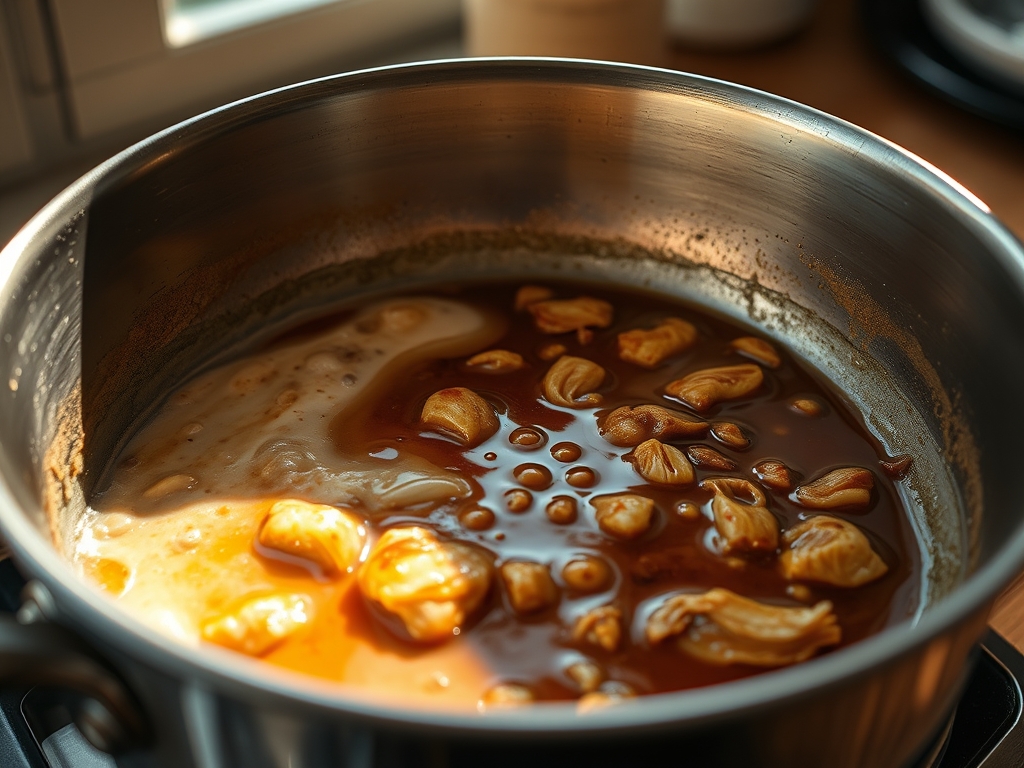
Begin by breaking down your chilled chicken. Use a bench scraper or two forks to pull the meat apart along the natural grain. You are looking for irregular, shaggy pieces that provide maximum surface area for the dressing to grab onto. Do not use a food processor; the blades will pulverize the fibers and ruin your Chicken Salad Density.
Pro Tip: Use a digital scale to ensure your chicken-to-binder ratio remains consistent. Professional kitchens rely on weight rather than volume to maintain the exact viscosity required for high-volume service.
2. The Emulsion Base
In a stainless steel saucier or mixing bowl, whisk together the mayonnaise, Dijon, lemon juice, and spices. You are creating a stable lipid-acid matrix. The mustard acts as a secondary emulsifier, ensuring the lemon juice does not cause the mayonnaise to separate when stored in the cold chain.
Pro Tip: Whisking in a circular motion while slowly drizzling the acid into the fat helps aerate the mixture, creating a lighter mouthfeel that defies the heavy nature of the ingredients.
3. The Hydro-Inclusion Integration
Fold in your diced celery and macerated onions. These provide the "crunch" factor that offsets the soft protein. Ensure your dice is uniform; inconsistent vegetable sizing leads to a chaotic texture that distracts from the primary protein focus.
Pro Tip: Use a sharp mandoline or a heavy chef's knife to achieve a 3mm brunoise. Small, uniform pieces integrate better into the chicken fibers, supporting the overall density without creating air pockets.
4. The Final Folding
Gently fold the chicken into the dressing using a silicone spatula. Do not over-mix. You want to coat every fiber without crushing the delicate structure you have built. The goal is a cohesive mass that holds its shape when scooped but yields easily to the tooth.
Pro Tip: Chill your mixing bowl before this step. Maintaining a low temperature during the final integration prevents the fats in the mayonnaise from softening, which preserves the structural integrity of the salad.
Section B: Prep & Timing Fault-Lines:
The most common timing error is mixing the salad while the chicken is still even slightly warm. Residual heat will melt the emulsion, resulting in a greasy, separated mess that cannot be rescued by refrigeration. Another fault-line is the "marination window." While chicken salad needs time for flavors to meld, leaving it for more than 48 hours allows the salt to draw too much moisture out of the celery, which thins the dressing. Always audit your prep schedule to ensure the product is consumed within the 24 to 36-hour peak window.
THE VISUAL SPECTRUM
Section C: Thermal & Visual Troubleshooting:
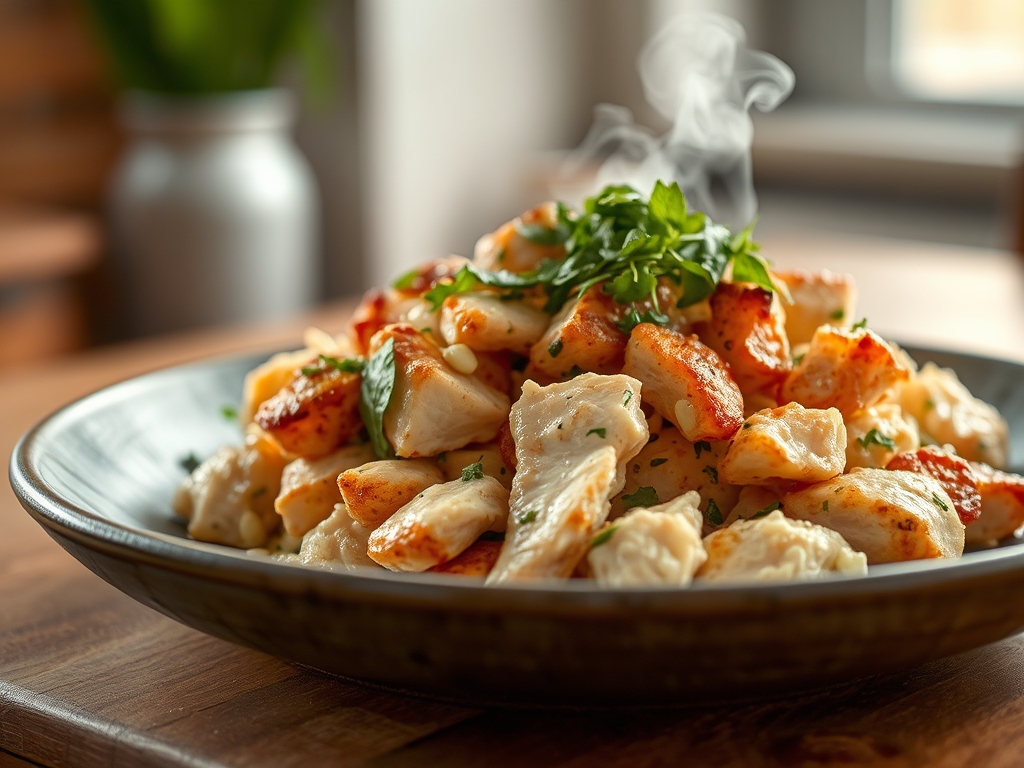
Look at the Masterclass photo above. Notice the matte finish of the dressing; it should not be shiny or oily. If your salad looks glossy, the emulsion has likely broken. You can fix this by folding in a tablespoon of cold Greek yogurt to re-stabilize the fats. Observe the color palette. If the salad looks dull or grey, you likely under-utilized the piquant lemon juice or the smoked paprika. A vibrant, creamy white base with flecks of bright green dill and red onion indicates a fresh, high-acid profile. If the chicken looks "stringy" rather than "shaggy," you have over-shredded the meat, which will result in a dense, gluey texture rather than the airy, voluminous Chicken Salad Density we demand.
THE DEEP DIVE
Macro Nutrition Profile:
A standard serving of this audited chicken salad provides approximately 35g of protein, 22g of fat, and 4g of carbohydrates. The high protein density makes it an exceptional fuel source for metabolic stability.
Dietary Swaps:
- Vegan: Replace chicken with smashed chickpeas or soy-based protein strips. Use an aquafaba-based vegan mayonnaise to maintain the emulsion.
- Keto: This recipe is naturally keto-friendly. Increase the healthy fats by adding avocado or walnuts.
- Gluten-Free: Ensure your Dijon mustard is certified GF, as some brands use wheat-based thickeners.
Meal Prep & Reheating Science:
Never reheat chicken salad. The molecular structure of the mayonnaise-based emulsion is not heat-stable and will break into a pool of oil at temperatures above 40 degrees Celsius. For meal prep, store the chicken and the dressing in separate airtight containers and combine them just before service to maintain the crispest texture.
THE KITCHEN TABLE
How do I fix a watery chicken salad?
Fold in additional shredded chicken or a small amount of Xanthan gum. The gum acts as a stabilizer that binds excess water without altering the flavor profile, restoring the ideal Chicken Salad Density instantly.
Can I use chicken thighs instead of breasts?
Yes, but be aware that the higher fat content in thighs will alter the richness. You may need to increase the lemon juice or vinegar to cut through the additional lipids and maintain balance.
Why does my chicken salad taste bland the next day?
Cold temperatures suppress flavor perception. As the salad chills, the salt and acid become less volatile. Always perform a final seasoning check right before serving to ensure the piquant notes remain front and center.
What is the best way to store leftovers?
Use a glass container with a vacuum-seal lid. Minimizing oxygen exposure prevents the fats from oxidizing and keeps the herbs from turning brown, ensuring the salad remains visually appealing for the duration of its shelf life.