Stop thinking of soup as a liquid and start viewing it as a suspension of kinetic energy. We are not just making dinner; we are engineering a masterpiece of fluid dynamics known as Egg Drop Soup. The goal is the creation of stracciatella ribbons so thin they defy gravity. They should flutter like silk in a golden, translucent sea. If your current technique results in rubbery yellow chunks or a cloudy, muddy broth, your culinary infrastructure has collapsed. We are here to rebuild it from the foundation up. This process requires more than a pot and a spoon. It demands an understanding of thermal shock and the precise manipulation of protein denaturation. We are looking for a viscous mouthfeel that coats the palate without feeling heavy. We want a broth that is piquant and bright, serving as the perfect stage for our delicate egg architecture. Put down the whisk and step away from the high heat. It is time to audit your kitchen workflow and execute a soup that looks like fine art and tastes like a masterclass in balance.
THE DATA MATRIX
| Metric | Specification |
|---|---|
| Prep Time | 10 Minutes |
| Execution Time | 5 Minutes |
| Yield | 4 Servings |
| Complexity | 3 / 10 |
| Estimated Cost per Serving | $1.15 |
THE GATHERS
Ingredient Protocol:
- 1 Liter / 4 cups Chicken Bone Broth (High gelatin content preferred)
- 3 Large Eggs (Room temperature for optimal aerate potential)
- 15ml / 1 tbsp Cornstarch (The primary thickening agent)
- 30ml / 2 tbsp Water (For the starch slurry)
- 2.5g / 0.5 tsp Turmeric (For color enhancement)
- 5ml / 1 tsp Toasted Sesame Oil (To infuse aromatic lipids)
- 2g / 0.25 tsp White Pepper (For a subtle, sharp heat)
- 10g / 2 stalks Scallions (Finely sliced on a bias)
- 5ml / 1 tsp Light Soy Sauce (For umami depth)
Section A: Ingredient Quality Audit:
If your broth lacks body, it is likely a failure of collagen extraction. A weak, watery base will not support the suspension of egg ribbons. To fix this, simmer your store-bought broth with a few slices of ginger and a dash of unflavored gelatin before starting the main protocol. If your eggs are cold, they will drop the temperature of the broth too rapidly, leading to clumped, heavy masses rather than ribbons. Ensure eggs reach room temperature to facilitate immediate denaturation upon contact. Finally, check your cornstarch. If it is old, its thickening power is compromised. Test a small amount in boiling water; it should turn translucent and thick instantly. If it remains cloudy or thin, discard and replace.
THE MASTERCLASS
1. The Foundation Fortification
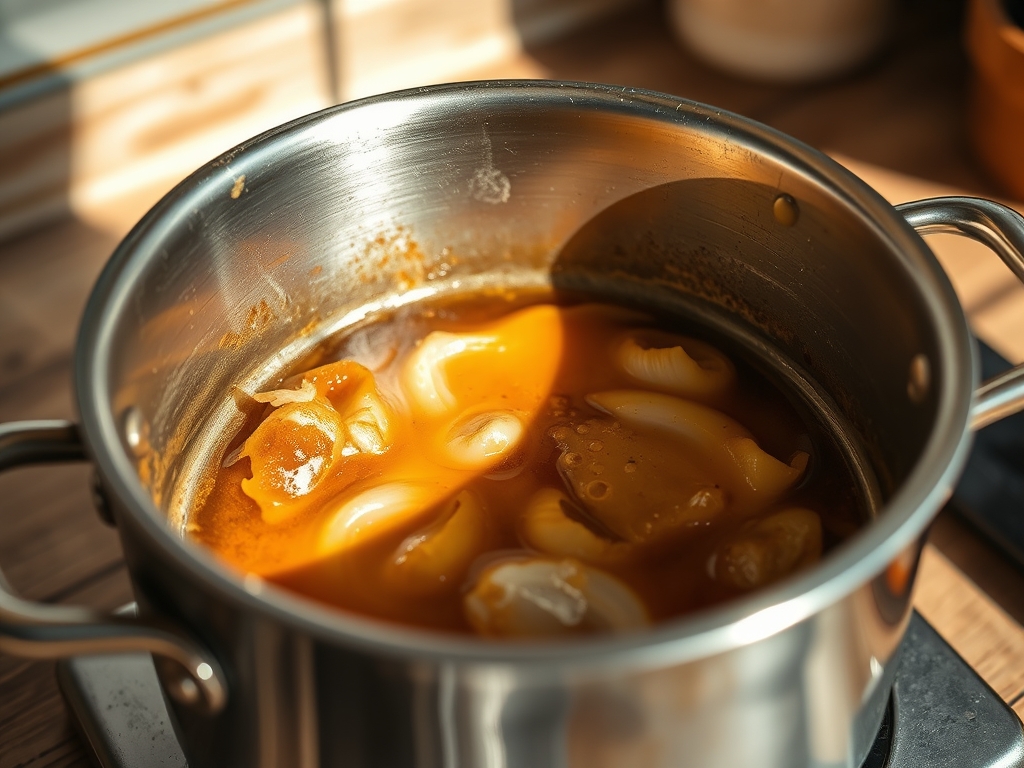
Pour your broth into a heavy-bottomed saucier. Bring the liquid to a gentle simmer over medium heat. Add the white pepper, soy sauce, and turmeric. The turmeric is not for flavor; it is a visual corrective measure to ensure a vibrant, golden hue that mimics high-quality pastured egg yolks.
Pro Tip: Use a digital scale to measure your spices. Precision in seasoning prevents the delicate egg flavor from being overwhelmed by salt or pepper. The saucier shape is vital because its rounded bottom prevents starch from settling in corners.
2. Slurry Stabilization
In a small ramekin, whisk the cornstarch and water until a smooth slurry forms. Slowly pour this into the simmering broth while stirring constantly with a silicone spatula. Allow the broth to come back to a boil for sixty seconds to fully hydrate the starch granules.
Pro Tip: This step creates the necessary viscosity to "catch" the egg. Without this starch-induced thickness, the egg would simply sink to the bottom and form a solid mass. The broth must be thick enough to provide resistance to the falling egg.
3. The Vortex Maneuver
Turn off the heat entirely or reduce it to the lowest possible setting. Use a spoon to create a gentle, slow-moving whirlpool in the broth. Crack your eggs into a measuring cup with a spout and whisk them lightly with a fork. Do not over-whisk; you want visible streaks of white and yolk to create a marbled effect.
Pro Tip: Residual heat is your best friend. By killing the flame, you prevent the aggressive bubbling that would tear the delicate ribbons into microscopic shreds. You are looking for controlled poaching, not a violent boil.
4. The Ribbon Injection
Hold the egg container about six inches above the surface. Pour the egg in a thin, steady stream into the outer edge of the vortex. Wait exactly ten seconds before touching the liquid. After ten seconds, use a fork to gently "rake" the surface, breaking the sheets into long, shimmering ribbons.
Pro Tip: This is the moment of thermal shock. The high surface area of the thin stream ensures the protein sets instantly. Professional chefs often use a bench scraper to clean the edges of the prep area afterward, but during the pour, the focus is entirely on the steady hand and the height of the drop.
5. The Final Infusion
Stir in the sesame oil and half of the sliced scallions. The residual heat will render the aromatic oils from the scallions without overcooking them. Ladle the soup into pre-warmed bowls to maintain the molecular integrity of the starch suspension.
Pro Tip: Never boil the soup after adding the sesame oil. High heat can cause the volatile aromatics in the oil to dissipate, leaving you with a flat, greasy finish rather than a fragrant, piquant aroma.
Section B: Prep & Timing Fault-Lines:
The most common failure in Egg Drop Soup is the "Scrambled Egg Syndrome." This occurs when the broth is at a rolling boil during the egg addition. The turbulence creates tiny, gritty curds. Conversely, if the broth is too cool, the egg will simply cloud the water, creating an opaque, unappetizing sludge. Your window of success lies between 180 and 190 degrees Fahrenheit. Use an infrared thermometer if you are unsure. If you miss the timing and the eggs clump, you cannot undo the protein bonds; your best bet is to strain the broth and try the egg drop again with a fresh batch.
THE VISUAL SPECTRUM
Section C: Thermal & Visual Troubleshooting:
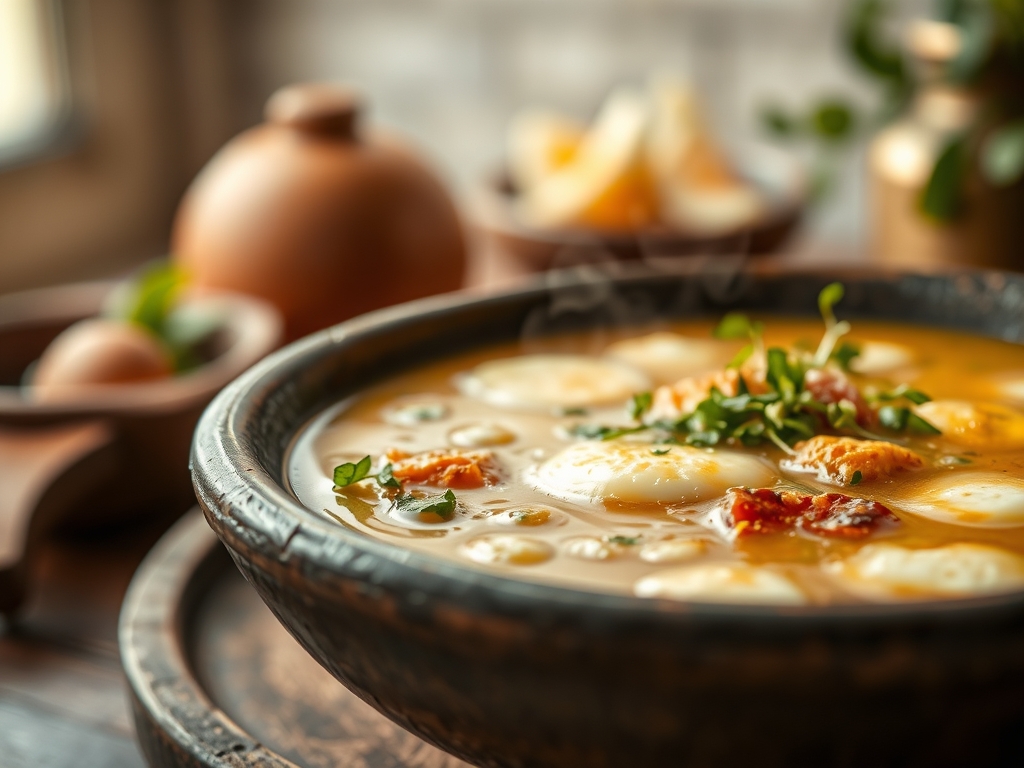
Referencing the Masterclass photo, notice the transparency of the broth. If your soup looks milky, you likely over-stirred the eggs. The goal is "stracciatella," which means "little rags." If your ribbons are brown or dull, your broth was likely too dark to begin with or you used too much soy sauce. Use light soy sauce to maintain the golden glow. If the eggs look "rubbery," they were cooked too long at a high temperature. They should look like soft silk. If the scallions look wilted and grey, they were added too early. They should be a vibrant, forest green to provide a sharp visual contrast against the yellow broth.
THE DEEP DIVE
Macro Nutrition Profile
Per serving, this soup is a low-calorie powerhouse. It typically contains 90 calories, 6g of protein, 5g of fat, and 4g of carbohydrates. It is an excellent source of riboflavin and selenium, thanks to the egg fortification.
Dietary Swaps
- Vegan: Replace chicken broth with a rich vegetable dashi. Substitute the eggs with a mixture of silken tofu blended with a pinch of black salt (kala namak) for that sulfurous egg aroma.
- Keto: Omit the cornstarch slurry. Use a pinch of xanthan gum (whisked into the oil first) to provide the necessary viscosity without the carbs.
- Gluten-Free: Ensure your soy sauce is replaced with Tamari or liquid aminos.
Meal Prep & Reheating Science
Egg Drop Soup is best consumed immediately. However, if you must store it, do so in an airtight glass container for no more than 48 hours. When reheating, do not use a microwave; the uneven electromagnetic waves will toughen the egg ribbons. Reheat on the stovetop over low heat until just steaming. If the soup has thickened too much due to starch retrogradation, whisk in a tablespoon of hot water to restore the original viscous texture.
THE KITCHEN TABLE
Why is my soup cloudy instead of clear?
Cloudiness usually results from pouring eggs into a broth that is boiling too vigorously. The violent bubbles break the egg into microscopic particles. To keep it clear, ensure a gentle vortex and use residual heat only.
Can I add ginger or garlic to the base?
Absolutely. To infuse the broth, sauté minced ginger and garlic in the pot before adding the liquid. Strain them out before the egg drop if you want a perfectly smooth, professional-grade texture.
What is the best way to get long ribbons?
Height and speed are the variables. Pour the egg from at least six inches up in a very thin stream. Let the egg set for a few seconds before stirring to allow the ribbons to fully form.
Why does my soup turn thin after sitting?
This is caused by amylase, an enzyme in human saliva. If you "double-dip" your tasting spoon, the enzymes break down the cornstarch bonds. Always use a clean spoon for every taste test to maintain thickness.