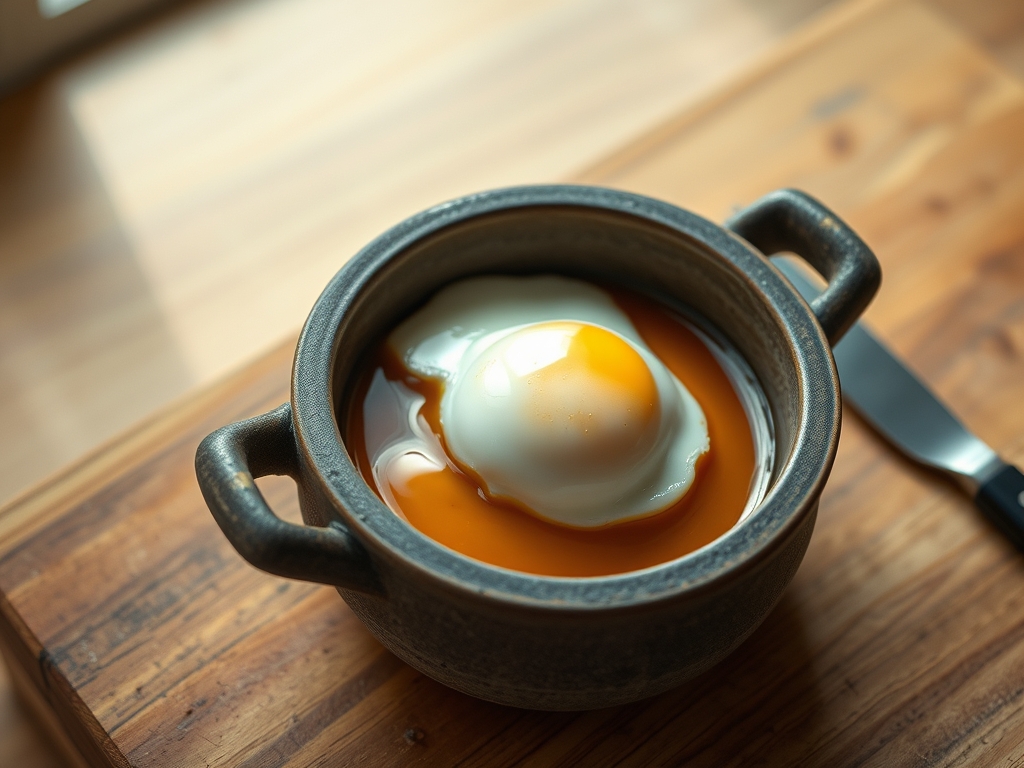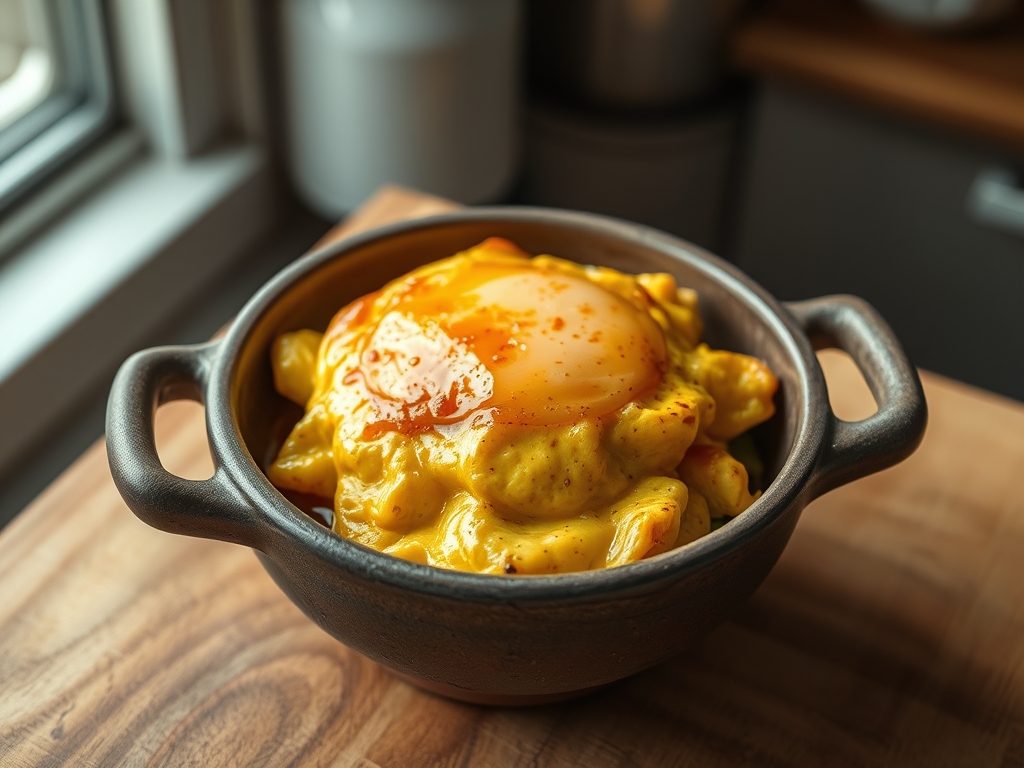
The scent of rendering Guanciale is not just a smell; it is a chemical siren call that signals the beginning of a high-stakes thermal dance. We are here to master the Carbonara Egg Binding, a process that separates the culinary architects from the casual observers. This is not a mere sauce. It is a suspension of lipids and proteins held in a delicate, precarious balance. If your temperature spikes by even five degrees, you are no longer making pasta; you are making scrambled eggs with noodles. We demand a finish that is viscous, glossy, and clings to every strand of pasta like a velvet glove. To achieve this, we must manipulate the coagulation points of egg yolks while leveraging the emulsifying power of starchy pasta water. It requires precision, speed, and an unwavering commitment to the physics of the pan. Forget the cream. Forget the shortcuts. We are diving into the molecular mechanics of the perfect emulsion where fat and water finally stop fighting and start dancing.
| Metric | Specification |
|---|---|
| Prep Time | 15 Minutes |
| Execution Time | 10 Minutes |
| Yield | 2 Servings |
| Complexity (1-10) | 8 |
| Estimated Cost per Serving | $4.50 |
THE GATHERS
Ingredient Protocol:
- 200g / 7oz Dried Spaghetti or Bucatini
- 150g / 5.3oz Guanciale (cured pork jowl), sliced into batons
- 3 Large Egg Yolks (Room Temperature)
- 1 Large Whole Egg (Room Temperature)
- 60g / 2.1oz Pecorino Romano, finely grated
- 5g / 1 tsp Coarsely ground black pepper
- 30ml / 2 tbsp Reserved pasta water (starchy)
Section A: Ingredient Quality Audit:
If your Guanciale feels soft or lacks a deep, cured aroma, it likely has too much moisture. Technical fix: Render it over a lower heat for a longer duration in a heavy-bottomed saucier to ensure the fat clarifies without burning the meat. If your Pecorino is clumping, it is likely pre-shredded and coated in cellulose. Solution: Always grate from a block using a microplane to ensure the particles are small enough to melt instantly into the egg mixture. If the eggs are cold, the thermal shock when hitting the hot pasta will cause immediate curdling. Always temper your eggs to room temperature before beginning the emulsion.
THE MASTERCLASS
1. The Lipid Extraction
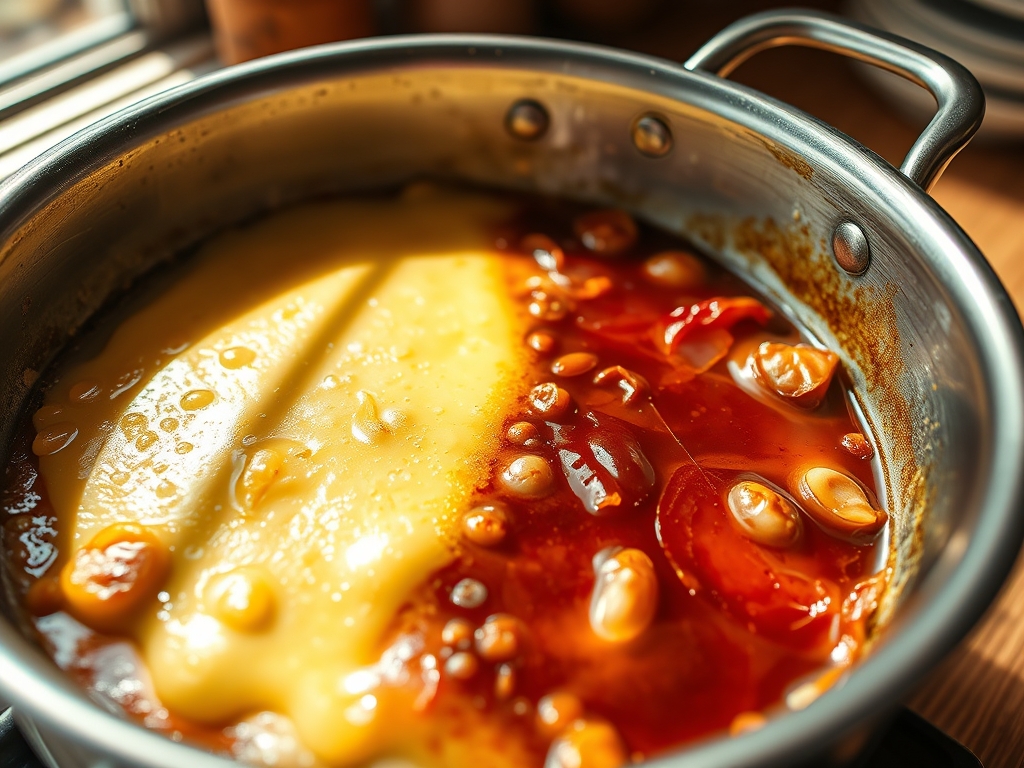
Place the Guanciale in a cold saucier and bring the heat to medium-low. This allows the fat to render slowly, creating a pool of liquid gold while the protein structures crisp up. Do not rush this. You want the fat to be clear, not cloudy.
Pro Tip: Use a digital scale to ensure your meat-to-fat ratio is consistent. The rendered fat acts as the primary lubricant for the Carbonara Egg Binding; without enough fat, the sauce will be tacky rather than silky.
2. The Protein Pre-Mix
In a stainless steel mixing bowl, whisk the yolks, the whole egg, and the Pecorino Romano until they form a thick, viscous paste. Add the cracked black pepper directly into this mixture to allow the piperine to infuse into the fats.
Pro Tip: Use a balloon whisk to aerate the mixture slightly. This introduces tiny air bubbles that help stabilize the emulsion when it eventually meets the hot pasta water.
3. The Starch Integration
Boil your pasta in highly salted water, but use less water than usual. We want a high concentration of starch. Just before the pasta reaches al dente, take a small ladle of the boiling water and slowly whisk it into your egg and cheese mixture.
Pro Tip: This is called tempering. By slowly raising the temperature of the eggs before they hit the pan, you prevent the proteins from denaturing too quickly. Use a silicone whisk to ensure no egg is left un-mixed at the bottom of the bowl.
4. The Final Emulsion
Drain the pasta and add it directly to the saucier with the rendered fat. Remove the pan from the heat entirely. This is the critical moment for Carbonara Egg Binding. Pour the egg mixture over the pasta and toss vigorously with tongs.
Pro Tip: The residual heat of the pasta (roughly 80 degrees Celsius) is enough to cook the eggs into a sauce without scrambling them. If the sauce looks too thick, add a teaspoon of pasta water to deglaze the starches and loosen the texture.
Section B: Prep & Timing Fault-Lines:
The most common failure is the "Heat Spike." If you leave the burner on while adding the eggs, you will create a dry, chunky mess. Timing is everything. You must have your egg mixture ready before the pasta is done. If the pasta sits in a colander for even sixty seconds, it loses the surface moisture needed to bond with the cheese. Use a bench scraper to keep your workstation clear; a cluttered space leads to slow reactions and overcooked eggs.
THE VISUAL SPECTRUM
Section C: Thermal & Visual Troubleshooting:
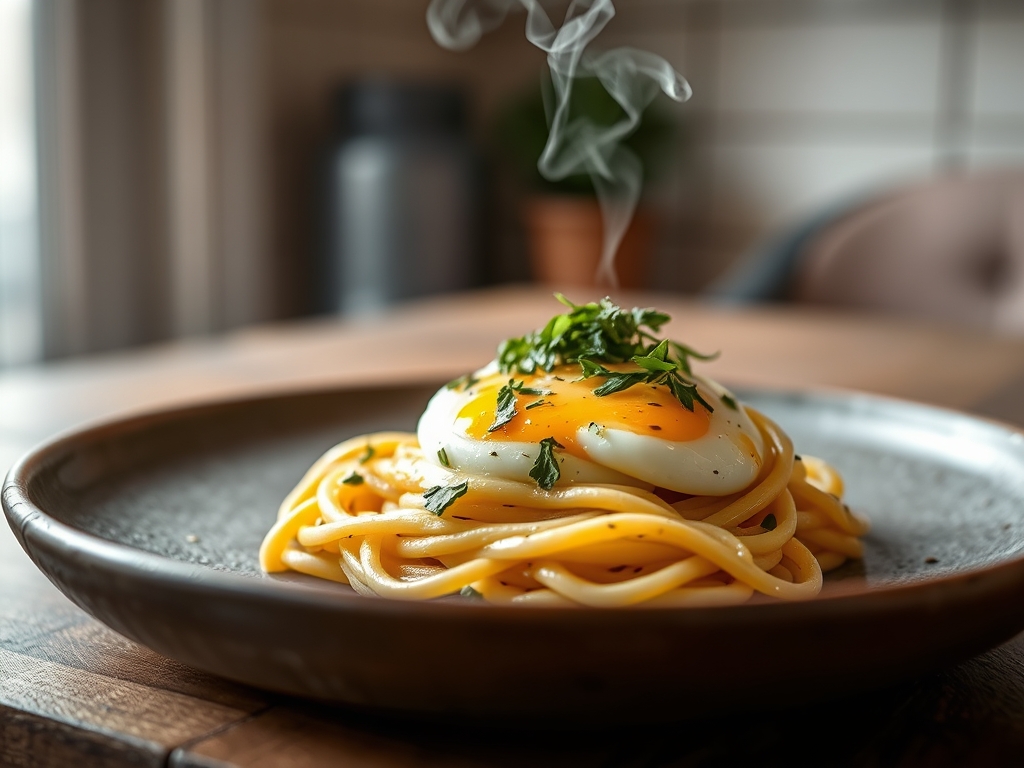
Look at the Masterclass photo above. Notice the "Sheen." The sauce should look like liquid silk, reflecting light uniformly. If your dish looks matte or dull, you lack sufficient fat or starch; add a splash of pasta water and a teaspoon of olive oil to restore the glow. If you see white specks, those are coagulated egg whites, meaning your pan was too hot. To fix uneven browning of the Guanciale, ensure the pieces are cut to a uniform size using a sharp chef knife. The color should be a deep mahogany, providing a piquant contrast to the pale, creamy sauce.
THE DEEP DIVE
Macro Nutrition Profile:
A standard serving of this technical Carbonara provides approximately 850 calories. It is high in protein (35g) and fats (45g), primarily from the egg yolks and pork. The glycemic load is significant due to the refined pasta, though the fat content slows the absorption of glucose.
Dietary Swaps:
- Vegan: Replace Guanciale with smoked King Oyster mushrooms and use a "cream" made of blended cashews, nutritional yeast, and kala namak (black salt) for that sulfuric egg profile.
- Keto: Swap the pasta for shirataki noodles or zucchini ribbons. Note that the lack of starch in the water will make the emulsion less stable.
- GF: Use high-quality bronze-die cut gluten-free pasta. The starch profile is different, so you may need more egg yolk to maintain viscosity.
Meal Prep & Reheating Science:
Carbonara is notoriously difficult to reheat because the emulsion breaks when exposed to direct heat. To maintain the molecular structure, do not use a microwave. Instead, place the leftovers in a bowl over a pot of simmering water (a bain-marie) and add a tablespoon of warm water, stirring constantly until the sauce loosens and regains its viscous nature.
THE KITCHEN TABLE
Why is my Carbonara sauce clumping?
Clumping is usually caused by the cheese overheating or the eggs scrambling. Ensure you remove the pan from the heat source before adding the egg mixture. The residual heat of the pasta is the only energy source you need for the bind.
Can I use Parmesan instead of Pecorino?
You can, but the flavor profile will shift. Pecorino is saltier and more piquant, which cuts through the heavy fat of the Guanciale. If using Parmesan, increase the salt in your pasta water to compensate for the milder cheese.
How do I get that "glossy" restaurant finish?
The secret is the pasta water. The starch acts as a stabilizer for the emulsion. If your sauce is tacky, you need more water. If it is watery, you need more cheese or more vigorous tossing to emulsify the fats.
Why use a whole egg plus yolks?
The extra yolks provide the lecithin needed for a stable emulsion and a rich, golden color. The single whole egg provides just enough moisture and protein structure from the white to help the sauce "set" on the pasta strands.