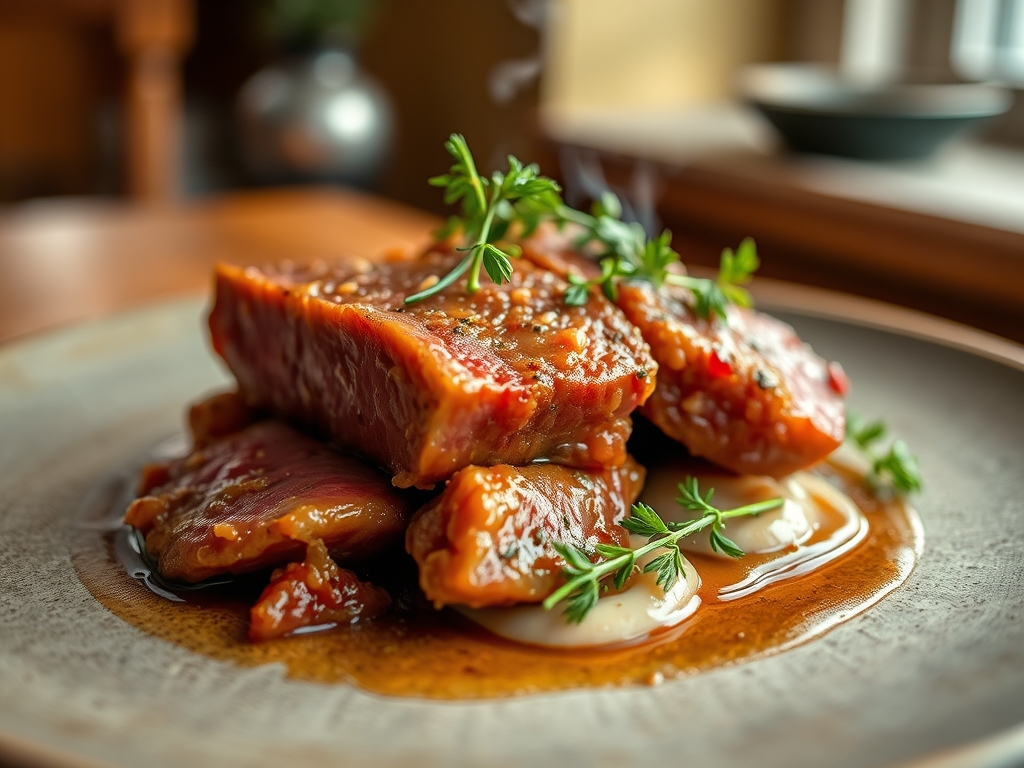
The air in a high-performance kitchen during a session of Corned Beef Brining does not just smell like dinner; it smells like a chemical conquest. We are talking about a total molecular overhaul of a tough, fibrous brisket into a tender, salt-cured masterpiece that glows with an unnatural, neon-pink defiance. This is not mere cooking. This is the strategic infiltration of muscle fibers by sodium nitrate and a complex brine solution. You are the architect of this transformation. When that brisket hits the pot, the kitchen fills with the scent of toasted coriander, pungent mustard seeds, and the sharp, metallic tang of the curing salt. It is a sensory overload that signals the beginning of a multi-day structural realignment. Forget the grey, boiled meats of your ancestors. We are here to talk about precision, osmotic pressure, and the glorious pink hue that defines a perfectly executed cure. If you are not excited by the prospect of manipulating cellular structures with saline density, you are in the wrong room. Let us begin the audit.
THE DATA MATRIX
| Metric | Specification |
|---|---|
| Prep Time | 45 Minutes |
| Execution Time | 5 to 7 Days (Curing) + 4 Hours (Cooking) |
| Yield | 8 to 10 Servings |
| Complexity (1-10) | 6 |
| Estimated Cost per Serving | $4.50 – $6.00 |
THE GATHERS
Ingredient Protocol:
- 2.25 kg / 5 lbs Beef Brisket (Flat cut preferred)
- 3.8 Liters / 1 Gallon Filtered Water
- 340g / 1.25 cups Kosher Salt
- 100g / 0.5 cup Brown Sugar
- 25g / 5 tsp Pink Curing Salt (Prague Powder #1)
- 30g / 3 tbsp Pickling Spice (Coriander, Mustard Seed, Peppercorns)
- 4 cloves Garlic (Smashed)
- 1 Cinnamon Stick
- 5g / 1 tsp Red Pepper Flakes
Section A: Ingredient Quality Audit:
The primary failure point in Corned Beef Brining is the quality of the brisket and the age of the spices. If your brisket lacks a consistent fat cap, the meat will emerge from the brine as a dry, stringy disappointment. Render the fat properly during the cook, but ensure it starts with at least a quarter-inch of coverage. If your pickling spices have been sitting in a dusty cabinet since the last decade, the flavor profile will be flat rather than piquant. Technical fix: Toast your dry spices in a dry saucier for 60 seconds before adding them to the water. This wakes up the volatile oils and ensures a deep, aromatic infuse during the long soak. Finally, never substitute Prague Powder #2 for #1; the nitrate release rates are different and can be hazardous in short-term cures.
THE MASTERCLASS
Step 1: The Brine Synthesis
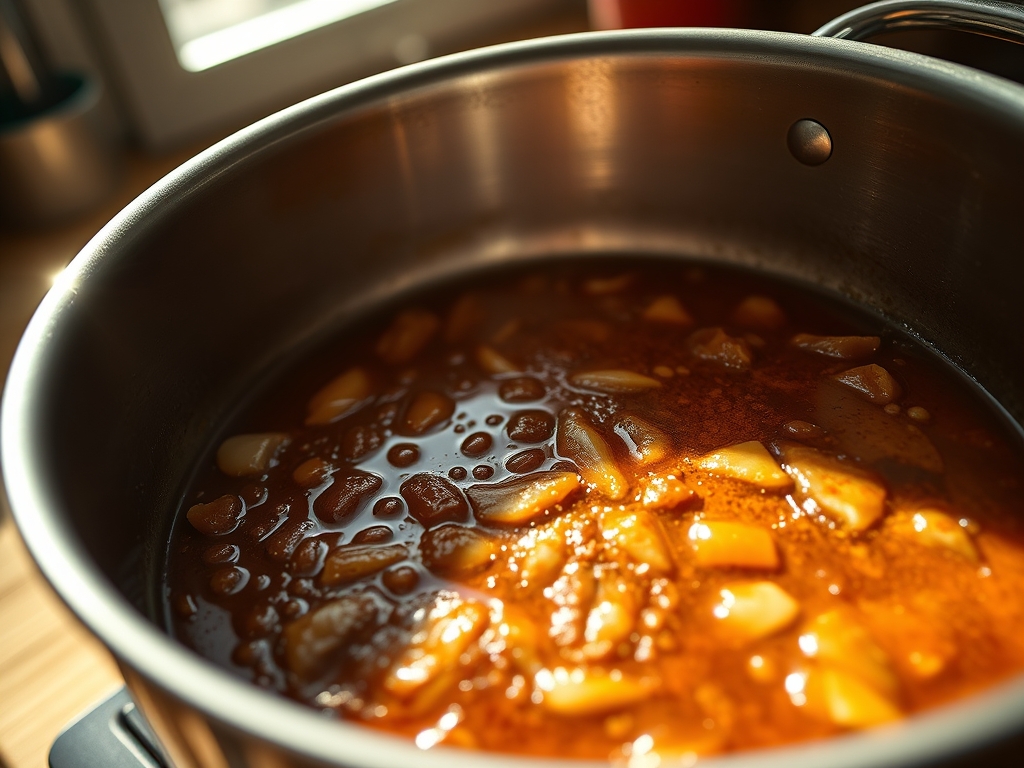
Combine the water, kosher salt, sugar, curing salt, and spices in a large stainless steel saucier. Bring the mixture to a boil, stirring constantly until all solids are fully dissolved. This creates a homogenous, viscous solution ready for osmotic transfer.
Pro Tip: Use a digital scale for your salts. Volumetric measurements of salt are notoriously inaccurate due to crystal size; mass is the only way to ensure the correct salinity for safe preservation.
Step 2: The Thermal Reset
Once the brine has boiled, it must be chilled to below 4 degrees Celsius (40 degrees Fahrenheit) before it touches the raw meat. Adding warm brine to raw beef is a recipe for bacterial growth and uneven curing.
Pro Tip: Speed up this process by replacing half of the water with ice cubes after the initial boil. Use a probe thermometer to verify the temperature before submerged the brisket.
Step 3: Submergence and Infiltration
Place the brisket in a non-reactive container or a heavy-duty vacuum bag. Pour the chilled brine over the meat, ensuring it is completely submerged. If the meat floats, use a heavy ceramic plate to weigh it down.
Pro Tip: If using a container, use a bench scraper to help agitate the brine every 24 hours. This ensures the nitrate distribution remains even throughout the muscle tissue.
Step 4: The Long Cure
Transfer the vessel to the refrigerator for 5 to 7 days. During this time, the salt will draw moisture out and then pull the seasoned brine back in, effectively seasoning the meat to its core.
Pro Tip: Flip the brisket every 48 hours. This prevents "bald spots" where the meat might press against the side of the container, blocking the brine's path.
Step 5: The Desalination Rinse
After the curing period, remove the brisket and rinse it thoroughly under cold running water. This removes excess surface salt and prevents the final product from being an inedible salt bomb.
Pro Tip: For a more refined flavor, soak the brisket in fresh cold water for one hour after the initial rinse to pull out any aggressive surface nitrates.
Section B: Prep & Timing Fault-Lines:
The most common human error is rushing the cure. If you pull the brisket after only 3 days, you will find a "grey heart" in the center of the meat where the nitrates failed to penetrate. This ruins the visual spectrum and the texture. Conversely, over-curing beyond 10 days can lead to a mushy, overly metallic flavor profile. Control your environment: keep the refrigerator at a steady 3 degrees Celsius. If the temperature fluctuates, the rate of osmosis changes, leading to an unpredictable result.
THE VISUAL SPECTRUM
Section C: Thermal & Visual Troubleshooting:
Look closely at the Masterclass photo above. Notice the deep, consistent rose-pink color from the edge to the center. This is the hallmark of successful Corned Beef Brining. If your meat looks dull or brownish, you likely under-measured the pink curing salt or failed to chill the brine quickly enough. Another visual cue is the fat cap; it should be translucent and soft, not opaque and hard. If the fat is still firm, you haven't cooked it long enough to render the connective tissue. If the meat appears shredded rather than sliced, you are likely cutting with the grain. Always use a sharp carving knife to cut against the muscle fibers to maintain structural integrity.
THE DEEP DIVE
Macro Nutrition Profile:
A standard 100g serving of home-cured corned beef contains approximately 250 calories, 18g of protein, and 19g of fat. While high in sodium (roughly 1,100mg), it is an excellent source of Vitamin B12 and Zinc.
Dietary Swaps:
- Keto: Replace the brown sugar in the brine with an erythritol-based sweetener or omit it entirely.
- Vegan: While you cannot "brine" a brisket that isn't meat, the same pickling spice profile can be applied to large wedges of green cabbage or seitan for a similar flavor profile.
- Gluten-Free: Ensure your pickling spice mix does not contain any anti-caking agents derived from grain.
Meal Prep & Reheating Science:
To maintain the molecular structure when reheating, avoid the microwave. The high-frequency waves cause the proteins to tighten and expel moisture. Instead, steam the slices or reheat them in a small amount of leftover cooking liquid in a covered skillet. This prevents the "leathery" texture associated with leftover beef.
THE KITCHEN TABLE
Why is my corned beef still tough after 4 hours?
You likely boiled the meat instead of simmering it. High heat causes proteins to contract violently. Keep the liquid at a gentle "smile" (barely bubbling) to allow the collagen to break down into gelatin slowly.
Can I use table salt instead of kosher salt?
Technically yes, but you must reduce the volume by half. Table salt is much denser than kosher salt. Using a 1:1 ratio will result in a brisket that is chemically oversalted and inedible.
What does the cinnamon stick actually do?
It provides a warm, earthy base note that balances the sharp acidity of the mustard seeds and the metallic tang of the curing salt. It adds complexity without making the meat taste like dessert.
Is pink curing salt the same as Himalayan pink salt?
Absolutely not. Himalayan salt is for seasoning; pink curing salt contains sodium nitrite and is dyed pink to prevent accidental ingestion. Swapping them is a dangerous error that will result in grey meat.