Listen to the sound of a high-performance kitchen. It is not a gentle hum; it is a violent, percussive symphony of searing protein and clashing stainless steel. We are here to discuss the structural integrity of the globe. Not the planet, but the protein. When you bite into a subpar sphere, you are met with a mealy, bread-heavy disappointment that lacks the structural authority of a true masterpiece. We are obsessed with Beef Meatball Density. This is the golden ratio where the connective tissues of the cow meet the hydrating power of the panade. If your density is too high, you have created a rubberized pellet fit for a slingshot. If it is too low, the structure collapses into a sad, beefy sludge the moment it hits the pomodoro. We demand a medium that offers a snap of resistance followed by a lush, fatty release. This requires precision. This requires an audit of your moisture-to-protein coefficients. We are building a meatball that can survive a three-hour simmer without losing its soul.
THE DATA MATRIX
| Metric | Specification |
|---|---|
| Prep Time | 25 mins |
| Execution Time | 45 mins |
| Yield | 24 Units (45g each) |
| Complexity | 6/10 |
| Estimated Cost per Serving | $3.50 USD |
THE GATHERS
Ingredient Protocol:
- 500g / 1.1 lbs Ground Chuck (80/20 fat ratio)
- 250g / 0.5 lbs Ground Pork Shoulder
- 120ml / 0.5 cup Whole Milk
- 60g / 1 cup Panko Breadcrumbs
- 50g / 0.5 cup Finely Grated Parmigiano-Reggiano
- 1 Large Egg (approx. 50ml)
- 15g / 1 tbsp Roasted Garlic Paste
- 10g / 2 tsp Kosher Salt
- 5g / 1 tsp Freshly Cracked Black Pepper
- 3g / 0.5 tsp Red Chili Flakes
- 30g / 0.25 cup Fresh Parsley, minced
Section A: Ingredient Quality Audit:
Sub-par raw materials are the primary cause of structural failure. If your beef is too lean (90/10), the finished product will be chalky and dry. Fix this by folding in 20g of chilled, grated bone marrow or high-quality lard. If your breadcrumbs are stale or overly large, they will not hydrate properly, creating "dry pockets" that compromise the Beef Meatball Density. Pulse your crumbs in a food processor until they achieve a uniform, sandy texture. Finally, if using pre-grated cheese in a green can, abort the mission. The cellulose anti-clumping agents prevent proper protein binding. Only use hand-grated, aged cheese to ensure the fats infuse into the meat matrix rather than leaking out during the sear.
THE MASTERCLASS
1. The Panade Hydration Phase
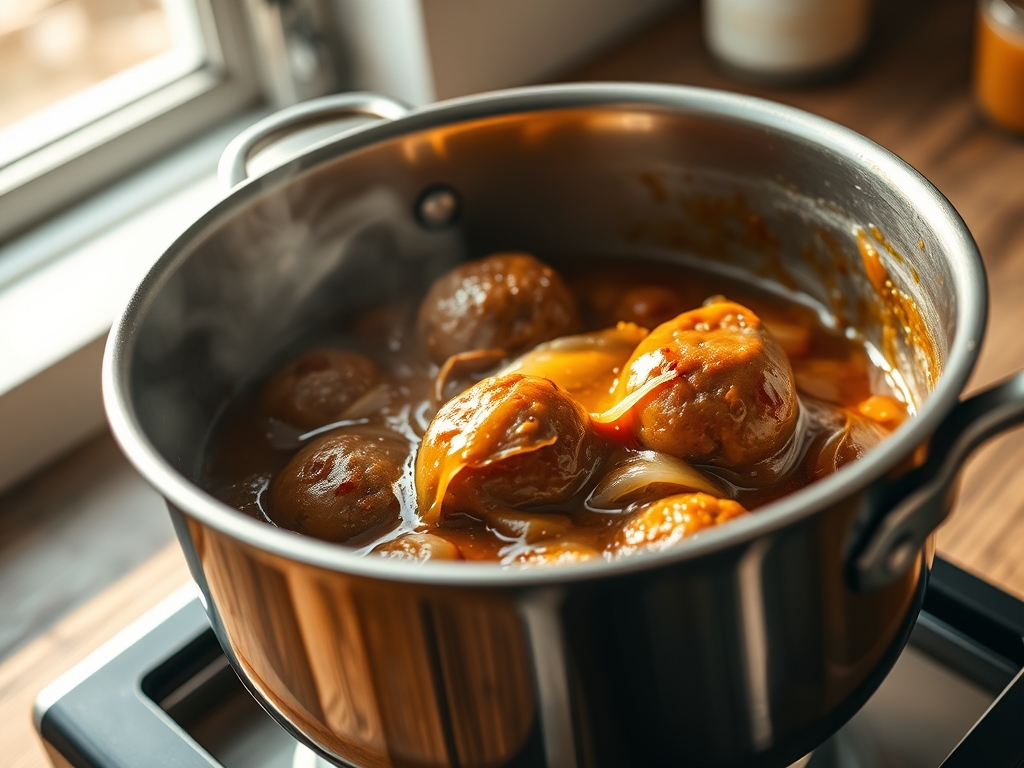
Combine the milk and breadcrumbs in a small bowl. Allow them to sit for ten minutes until the mixture forms a viscous paste. This is your insurance policy against protein shrinkage.
Pro Tip: Use a digital scale to ensure your hydration ratio is exact. This paste prevents the meat fibers from knitting together too tightly, which is the secret to achieving optimal Beef Meatball Density.
2. The Protein Integration
In a large stainless steel bowl, combine the beef, pork, and spices. Use a bench scraper to cut the seasonings into the meat without overworking the fats. Over-handling with warm hands will render the fat prematurely, leading to a greasy, tough result.
Pro Tip: Keep your mixing bowl over a second bowl filled with ice. This maintains the "cold chain" and ensures the fat solids stay intact until they hit the heat of the pan.
3. The Emulsification Fold
Add the hydrated panade, egg, and cheese to the meat. Fold gently using a "claw" motion with your fingers to aerate the mixture. You want a homogenous blend that still retains microscopic air pockets for juice retention.
Pro Tip: Use a saucier or a small frying pan to cook a "test patty" the size of a nickel. Taste for seasoning and density before rolling the entire batch.
4. The Spherical Calibration
Portion the mixture into 45g increments. Roll them between lightly oiled palms until perfectly spherical. Do not compress them like a snowball; use a light touch to maintain the internal lattice.
Pro Tip: A spring-loaded cookie scoop ensures every unit has the same volume. Uniformity is the only way to guarantee consistent thermal penetration across the entire batch.
5. The Maillard Execution
Heat a heavy-bottomed cast iron skillet with a thin layer of neutral oil. Sear the spheres in batches, rotating every 2 minutes. We are looking for a deep, mahogany crust that signals the Maillard reaction has occurred.
Pro Tip: Do not crowd the pan. Overcrowding drops the surface temperature and causes the meat to steam in its own juices rather than sear. Use a digital thermometer to pull them when the internal temperature hits 155F (68C).
Section B: Prep & Timing Fault-Lines:
The most common human error is the "Rush-to-Sear." If the meat is not cold when it hits the pan, the exterior will gray before a crust can form. If you find your meatballs are falling apart, your panade was likely too wet. Fix this by adding a tablespoon of chickpea flour to the mix to stabilize the moisture. If the centers are raw while the outsides are burnt, your flame is too high. Lower the heat and deglaze the pan with a splash of wine to create steam, then cover for 2 minutes to finish the interior.
THE VISUAL SPECTRUM
Section C: Thermal & Visual Troubleshooting:
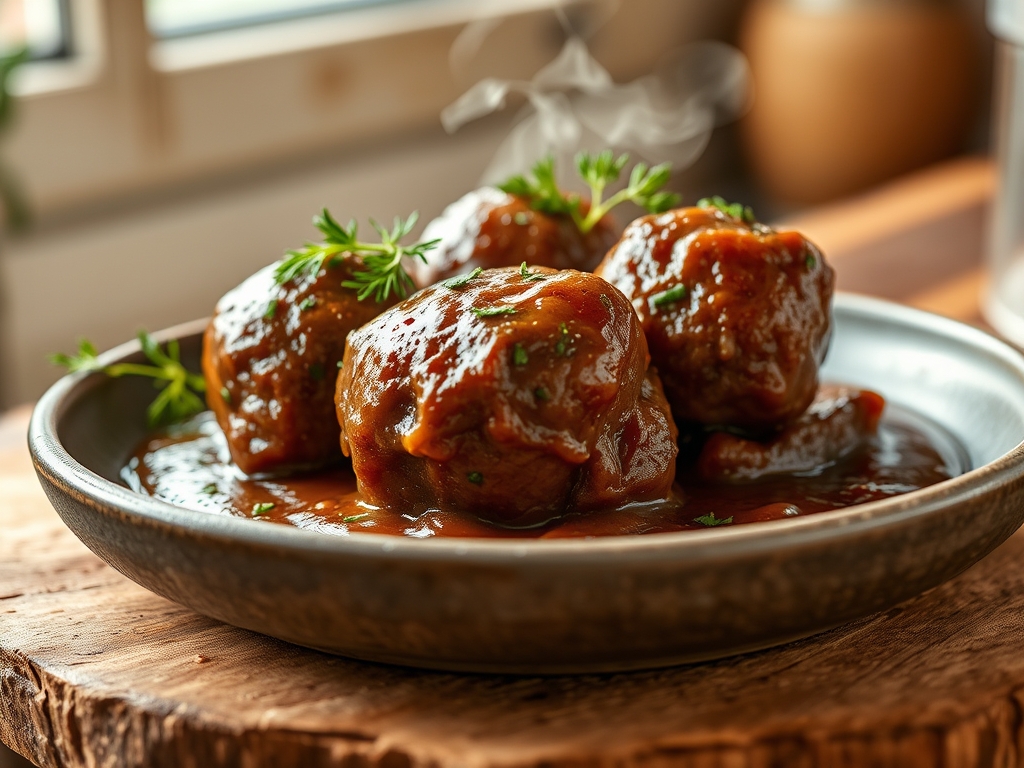
Examine the Masterclass photo above. Note the "Glistening Surface Tension." This indicates the fats have emulsified rather than broken. If your meatballs look dull or matte, you have overcooked them and lost the internal moisture. Look for the "Golden-Brown Gradient." A perfect sphere should show a spectrum of color from deep bronze to light tan. If the color is uniform and pale, you failed to reach the proper searing temperature. If the meatballs are "leaking white fluid," that is albumin. It means you cooked them too fast and too hard; the protein fibers have squeezed out the moisture like a wrung-out sponge.
THE DEEP DIVE
Macro Nutrition Profile:
Per 3-meatball serving: 320 Calories, 24g Protein, 18g Fat, 12g Carbohydrates. These are protein-dense units designed for maximum satiety.
Dietary Swaps:
- Keto: Replace breadcrumbs with crushed pork rinds or almond flour.
- Vegan: Utilize a mushroom-lentil base with a flax-egg binder. Increase the piquant elements like nutritional yeast to mimic the cheese.
- GF: Use certified gluten-free panko or cooked quinoa.
Meal Prep & Reheating Science:
To maintain molecular structure, freeze meatballs on a flat tray before bagging. This prevents deformation. When reheating, avoid the microwave. The agitation of water molecules in a microwave will toughen the protein. Instead, simmer them slowly in a sauce to re-hydrate the exterior crust and gently warm the core.
THE KITCHEN TABLE
Why are my meatballs tough?
You likely over-mixed the meat. Over-mixing develops myosin, the same protein that makes bread chewy. Keep the agitation to a minimum to preserve a tender, delicate Beef Meatball Density.
Can I bake them instead of searing?
Yes, but you sacrifice flavor. Baking provides even cooking but lacks the intense flavor profile created by direct-contact searing. If you must bake, use a high-heat convection setting at 425F.
What is the best meat-to-fat ratio?
The 80/20 rule is non-negotiable. Anything leaner results in a structural failure that tastes like cardboard. The fat provides the "lubrication" necessary for the panade to do its job.
How long can I store the raw mix?
The raw mixture should be used within 24 hours. The salt in the seasoning will begin to "cure" the meat if left longer; changing the texture from a tender meatball to a dense, sausage-like consistency.