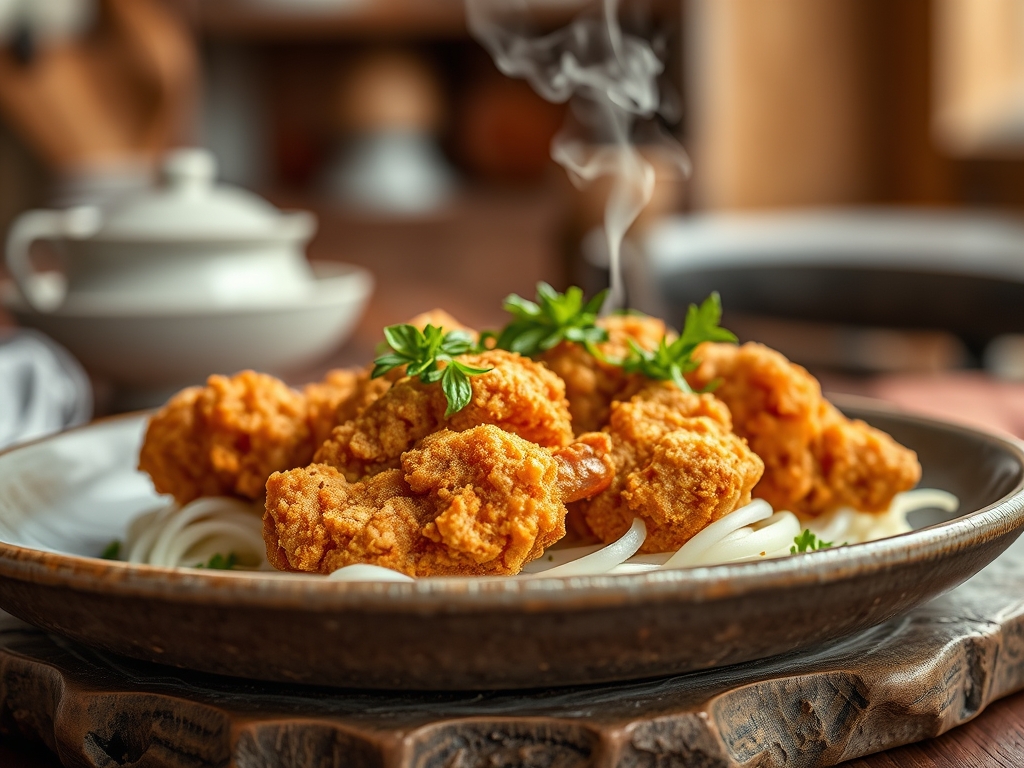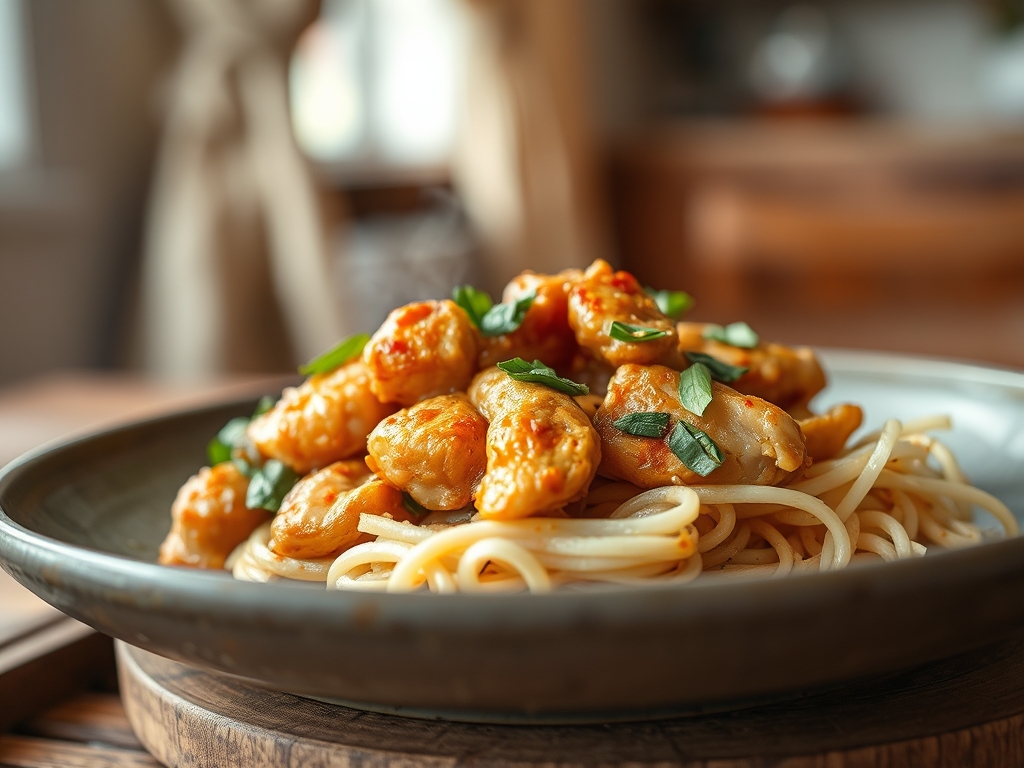
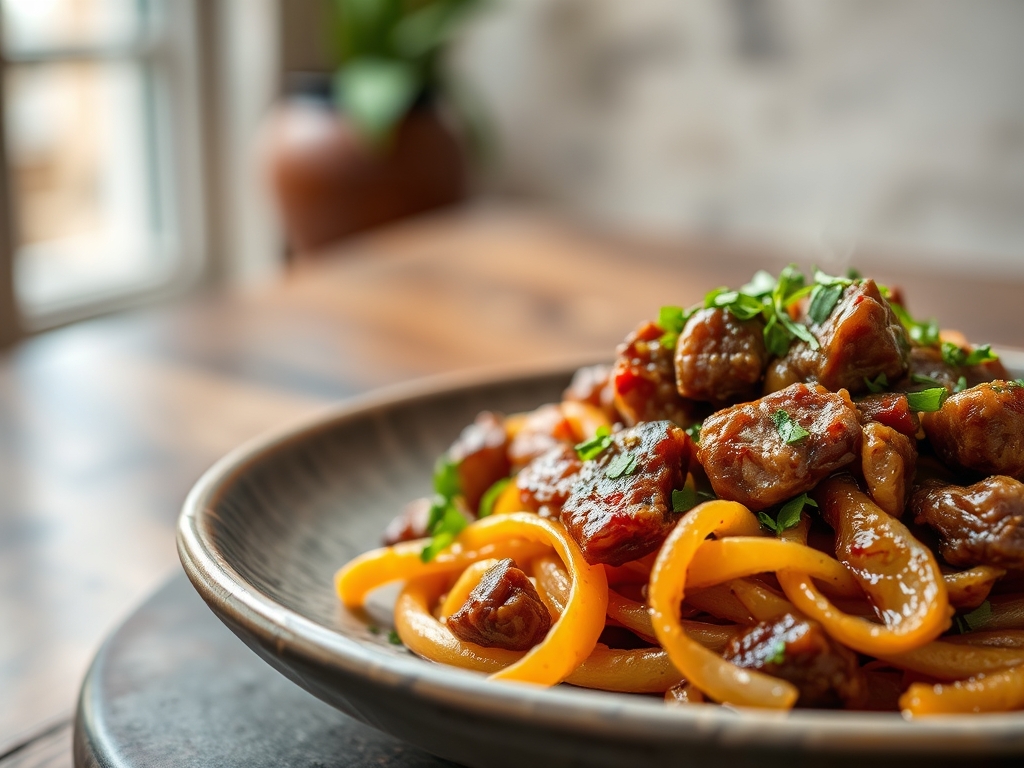
The kitchen is a battlefield of thermodynamics; the stir fry is its most aggressive skirmish. You have seen it a thousand times: high-quality flank or sirloin hits a screaming hot wok only to emerge as gray, rubbery strips of disappointment. This is a failure of structural engineering. To achieve that elusive, silk-like texture found in high-end Cantonese kitchens, you must master the art of Beef Stir Fry Velveting. This is not a mere suggestion; it is a chemical mandate. By manipulating the pH level of the muscle fibers, we can force the proteins to relax, ensuring they retain their internal moisture even when subjected to the violent heat of a 500-degree burner. We are looking for a surface that is deeply seared yet a core that remains tender enough to be sliced with a dull spoon. This audit will dissect the molecular mechanics of the marinade, the precise timing of the sear, and the essential gear required to turn a humble cut of beef into a masterpiece of culinary physics.
THE DATA MATRIX
| Metric | Specification |
|---|---|
| Prep Time | 25 Minutes |
| Execution Time | 8 Minutes |
| Yield | 4 Servings |
| Complexity | 6/10 |
| Estimated Cost per Serving | $4.75 USD |
THE GATHERS
Ingredient Protocol:
- 500g / 1.1 lbs Beef Flank or Top Sirloin (Slicing across the grain is mandatory).
- 5ml / 1 tsp Sodium Bicarbonate (Baking soda for pH adjustment).
- 15ml / 1 tbsp Soy Sauce (For umami and salinity).
- 15ml / 1 tbsp Shaoxing Wine or Dry Sherry (To infuse acidity).
- 10g / 2 tsp Cornstarch (To create a protective starch barrier).
- 30ml / 2 tbsp Neutral Oil (High smoke point like Grapeseed or Avocado).
- 30g / 2 tbsp Fresh Ginger (Finely julienned).
- 30g / 2 tbsp Fresh Garlic (Minced).
- 100ml / 0.4 cup Beef Stock (To deglaze the pan).
Section A: Ingredient Quality Audit:
If your beef appears pale or excessively wet in the package, it has likely been "plumped" with a saline solution. This excess moisture will steam the meat rather than sear it. To fix this, pat the meat dry with industrial-grade paper towels and increase your cornstarch ratio by 20 percent to absorb the surplus liquid. If your soy sauce lacks depth, it is likely a chemically hydrolyzed version. Switch to a naturally brewed, long-fermented variety to ensure a viscous and piquant sauce profile.
THE MASTERCLASS
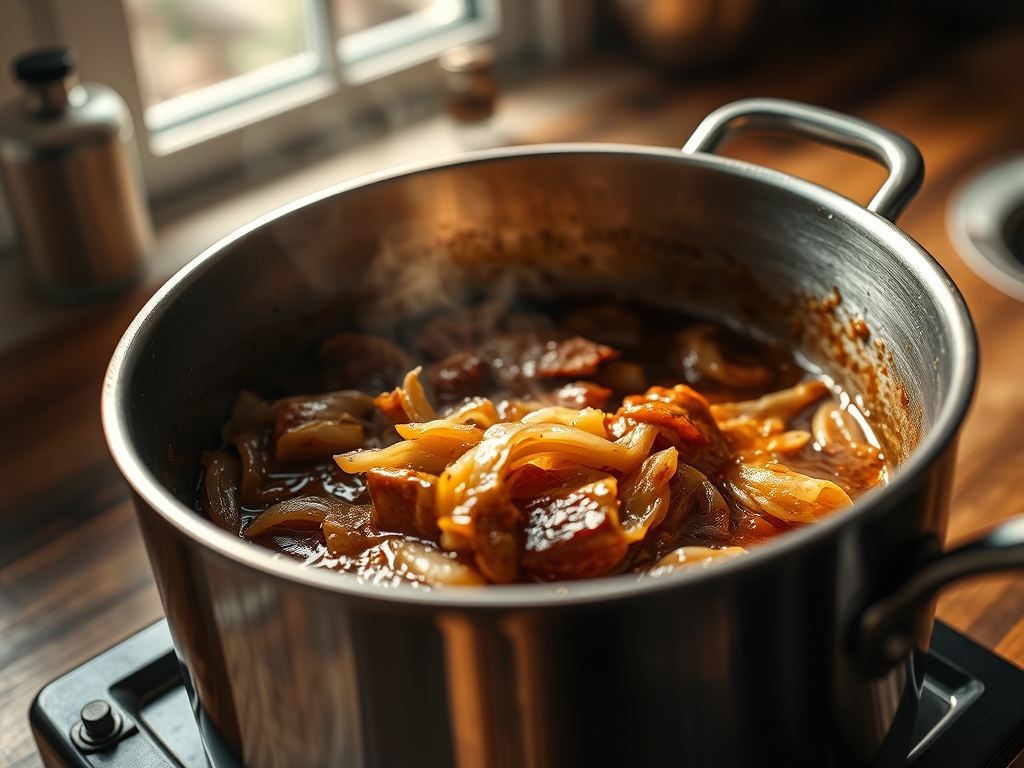
1. The pH Shift and Slicing
Before the heat even touches the pan, you must alter the beef's cellular structure. Slice the beef into 3mm strips against the grain using a razor-sharp chef knife. Toss the strips with the baking soda and a splash of water. Let this sit for 20 minutes before rinsing thoroughly.
Pro Tip: Use a digital scale to measure the baking soda precisely. Too much will leave a metallic aftertaste; too little will fail to denature the proteins. This process, known as Beef Stir Fry Velveting, prevents the muscle fibers from tightening during the sear.
2. The Starch Barrier Application
After rinsing and drying the beef, whisk together the soy sauce, wine, and cornstarch in a small saucier. Massage this mixture into the beef until it is fully absorbed. The cornstarch creates a microscopic layer that protects the meat from direct thermal shock.
Pro Tip: Use a bench scraper to keep your workstation clean while moving large quantities of marinated meat. The starch barrier ensures that the exterior can undergo the Maillard reaction without overcooking the interior.
3. The High-Velocity Sear
Heat your wok or heavy-bottomed skillet until the oil begins to shimmer and reach its smoke point. Add the beef in a single layer. Do not crowd the pan; work in batches if necessary to maintain the thermal mass of the cooking surface.
Pro Tip: An infrared thermometer is your best friend here. You want the surface temperature of the pan to be at least 425 degrees Fahrenheit. This ensures the meat sears instantly rather than stewing in its own juices.
4. Aromatics and Deglazing
Once the beef is 80 percent cooked, push it to the sides of the wok and drop the ginger and garlic into the center. Let them aerate and release their oils for 30 seconds. Pour in the beef stock to deglaze the fond from the bottom of the pan.
Pro Tip: Use a high-heat silicone spatula to scrape the caramelized bits off the bottom. These bits contain the concentrated flavor molecules that will infuse the final sauce with professional-grade depth.
Section B: Prep & Timing Fault-Lines:
The most common human error is "pan-panic," where the cook tosses the meat too early. If the meat sticks, the proteins have not yet finished bonding with the starch layer. Wait for the meat to self-release. Another fault-line is the "cold-meat syndrome." Taking beef directly from a 38-degree refrigerator and dropping it into a hot pan will cause the temperature to plummet. Allow the meat to temper at room temperature for 15 minutes post-marination for a more consistent render.
THE VISUAL SPECTRUM
Section C: Thermal & Visual Troubleshooting:
Look at the Masterclass photo above. Notice the glossy, mahogany sheen on the beef; this is the result of the cornstarch and soy sauce emulsifying with the render of the fat. If your beef looks gray or dull, your pan temperature was too low, or you skipped the rinsing step after the baking soda bath. If the sauce is clumpy rather than smooth, you did not whisk the cornstarch thoroughly into the marinade. The final product should have a vibrant, translucent coating that clings to the meat without pooling at the bottom of the plate.
THE DEEP DIVE
Macro Nutrition Profile
Per serving, this protocol delivers approximately 320 calories, 35g of protein, 12g of fat, and 8g of carbohydrates. The high protein-to-fat ratio makes it an ideal recovery meal for athletes, provided the sodium levels are monitored.
Dietary Swaps
- Vegan: Replace beef with extra-firm tofu or seitan. Note that tofu does not require the baking soda velvet technique but benefits greatly from the cornstarch coating.
- Keto: Swap the cornstarch for xanthan gum (use only 1/4 the amount) and replace the Shaoxing wine with a splash of apple cider vinegar.
- GF: Use Tamari or liquid aminos in place of traditional soy sauce.
Meal Prep & Reheating Science
To maintain the molecular structure during reheating, avoid the microwave, which vibrates water molecules and toughens the protein. Instead, flash-heat the beef in a hot skillet with a tablespoon of water for 60 seconds. This re-hydrates the starch barrier and restores the viscous texture of the sauce without overcooking the core.
THE KITCHEN TABLE
Why is my beef still chewy after velveting?
You likely sliced with the grain rather than against it. Slicing against the grain shortens the muscle fibers, making them easier to chew. Also, ensure you rinsed the baking soda off completely before the second marinade step.
Can I use chicken for this technique?
Absolutely. Chicken breast is a prime candidate for Beef Stir Fry Velveting techniques. It prevents the lean white meat from drying out, resulting in the "slippery" texture found in classic takeout dishes like Moo Goo Gai Pan.
What oil is best for high-heat stir frying?
Avoid olive oil or butter; their smoke points are too low. Use refined peanut oil, grapeseed oil, or avocado oil. These can withstand the 450-degree temperatures required to trigger the Maillard reaction without breaking down and turning bitter.
Do I really need a wok?
While a wok is ideal for heat distribution and tossing, a heavy cast-iron skillet is a valid substitute. The key is heat retention. A thin stainless steel pan will lose too much temperature the moment the cold meat hits the surface.