Forget the flaccid, grey slabs of your childhood nightmares. We are here to conduct a high-velocity forensic audit on the most nutrient-dense tissue in the bovine catalog. When we talk about Beef Liver Searing, we are operating at the intersection of thermal dynamics and cellular preservation. The objective is simple but the execution is often botched: we want a crust so crisp it shatters, protecting a center that remains buttery and mineral-rich. Most amateur cooks treat liver like a cheap steak; they over-engineer the heat and end up with a texture reminiscent of a discarded radial tire. Not today. We are deploying a flash-fry protocol designed to maximize the Maillard reaction while preventing the catastrophic loss of moisture that leads to graininess. This is culinary infrastructure at its finest. We are going to render fat, deglaze with precision, and infuse every fiber with high-octane flavor. Strap in, calibrate your sensors, and prepare to transform a misunderstood organ into a masterclass of texture and taste.
THE DATA MATRIX
| Metric | Specification |
|---|---|
| Prep Time | 15 Minutes |
| Execution Time | 4 Minutes |
| Yield | 2 Servings |
| Complexity (1-10) | 7 |
| Estimated Cost per Serving | $4.50 USD |
THE GATHERS
Ingredient Protocol:
- 500g / 1.1 lbs Fresh Grass-Fed Beef Liver (sliced 1cm thick)
- 120ml / 0.5 cup Whole Milk (for the enzymatic soak)
- 60g / 0.5 cup All-Purpose Flour (for the dredging substrate)
- 30ml / 2 tbsp Clarified Butter or Ghee (high smoke point lipid)
- 1 Large White Onion (sliced into thin semi-circles)
- 5g / 1 tsp Smoked Paprika (for color and depth)
- 2g / 0.5 tsp Fine Sea Salt
- 1g / 0.25 tsp Fresh Cracked Black Pepper
- 15ml / 1 tbsp Balsamic Vinegar (to deglaze and balance alkalinity)
Section A: Ingredient Quality Audit:
If your raw material arrives with a viscous, slimy coating or a pungent ammonia scent, the audit is failed. High-quality liver should be firm, glossy, and deep purple. If the liver feels "mushy," it likely suffered from poor temperature control during transport. Technical Fix: A 20-minute soak in cold milk or lemon water will neutralize the metallic tang and firm up the protein structure. If your onions are too high in water content, they will steam rather than caramelize. Fix: Salt them 10 minutes prior to cooking and pat dry with a lint-free cloth to ensure they render correctly in the pan.
THE MASTERCLASS
Step 1: The Enzymatic Pre-Wash
Submerge the sliced liver in 120ml of milk. This is not just for flavor; the calcium and lactic acid work to soften the connective tissues. Let this sit for 15 to 20 minutes while you prep your aromatics.
Pro Tip: Use a digital scale to ensure your liver slices are uniform in weight. Consistent mass leads to consistent thermal penetration. Science dictates that uneven thickness results in a bifurcated result: half overcooked, half raw.
Step 2: The Dry Substrate Application
Drain the milk and pat each slice aggressively dry. Dredge the liver in a mixture of flour, paprika, salt, and pepper. Shake off every milligram of excess flour. You want a microscopic coating, not a heavy batter.
Pro Tip: Utilize a bench scraper to move your dredged slices to a wire rack. This prevents the flour from turning into a gummy paste before it hits the heat, ensuring the crust remains piquant and crisp.
Step 3: High-Velocity Thermal Induction
Heat your saucier or heavy cast iron skillet over medium-high heat. Add the clarified butter. Once the fat begins to shimmer (roughly 190C / 375F), lay the liver slices in, working in batches to avoid crowding the pan.
Pro Tip: Crowding the pan drops the surface temperature instantly, causing the liver to boil in its own juices. Maintain a 2cm gap between slices to allow steam to aerate and escape, facilitating a perfect sear.
Step 4: The Flip and Finish
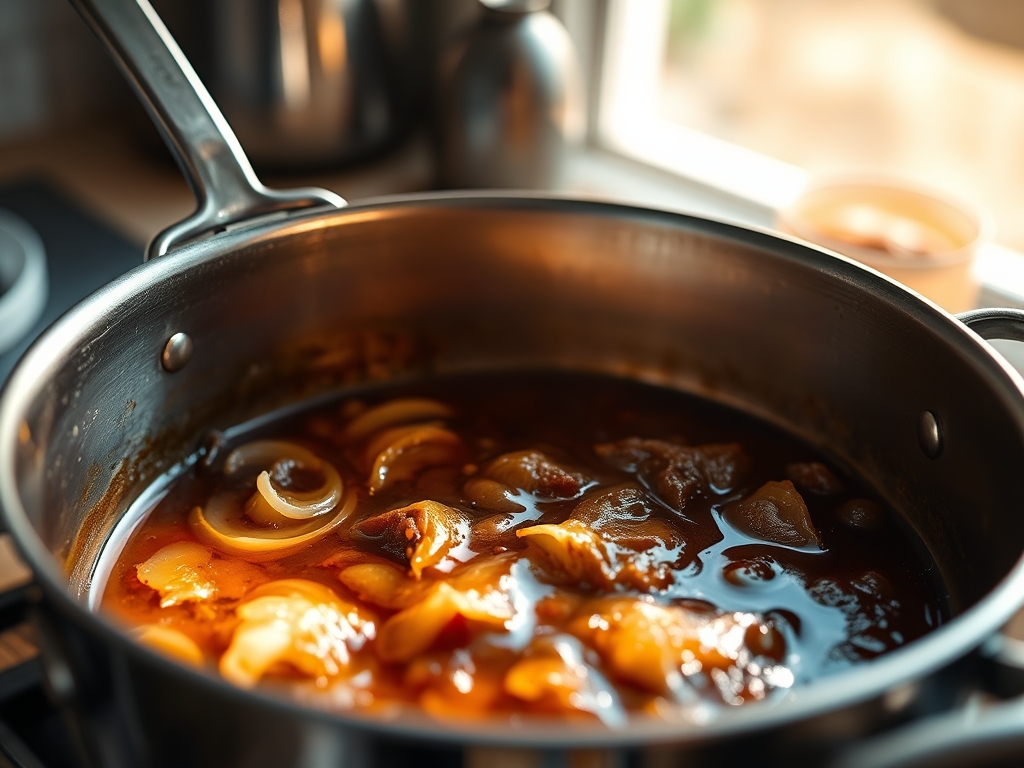
Sear for exactly 90 to 120 seconds per side. The goal is a deep mahogany crust. Remove the liver and set it aside on a warm plate. Immediately toss in the onions to deglaze the fond (the brown bits) left in the pan.
Pro Tip: Use an infrared thermometer to verify pan temp. If the pan exceeds 210C, the butter will burn and the liver will turn bitter. Precision is the difference between a delicacy and a disaster.
Section B: Prep & Timing Fault-Lines:
The most common human error is the "Panic Pull." Cooks see the exterior browning and pull the meat too early, or worse, they leave it in until it reaches the texture of cork. Technical Fix: Use a fast-response probe thermometer. You are aiming for an internal temperature of 52C (125F) for a perfect medium-rare. Any higher and the cellular walls collapse, releasing all the iron-rich moisture and ruining the mouthfeel.
THE VISUAL SPECTRUM
Section C: Thermal & Visual Troubleshooting:
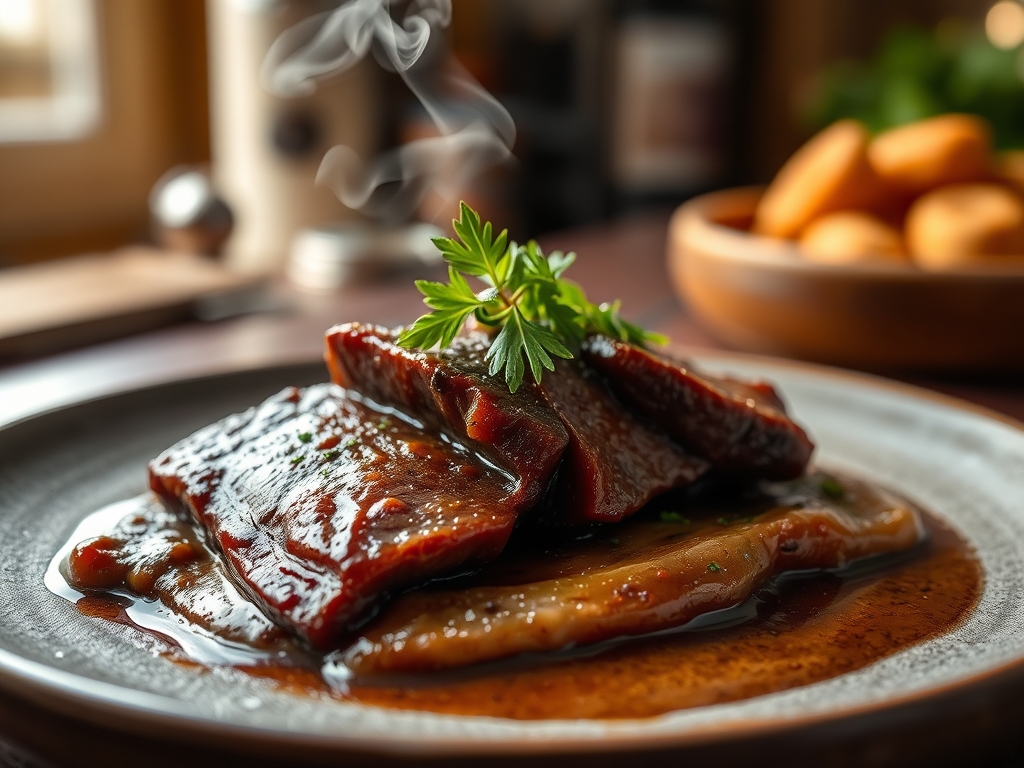
Look closely at the reference image above. Notice the "Golden Halo" effect where the flour has caramelized into a continuous, non-greasy crust. If your liver looks "patchy," your pan was likely too cold or you had too much moisture on the surface before dredging. If the onions look translucent rather than browned, you failed to utilize the residual heat of the pan. Technical Fix: Increase the heat for the final 30 seconds of onion cooking and add a splash of balsamic vinegar to deglaze the sugars, forcing a rapid caramelization that matches the visual cues in the Masterclass photo.
THE DEEP DIVE
Macro Nutrition Profile:
Beef liver is a biological multivitamin. A single 100g serving provides over 300% of your RDA for Vitamin B12, 200% for Vitamin A, and significant hits of Riboflavin and Copper. It is low in fat but high in bioavailable protein, making it an elite fuel source for high-output individuals.
Dietary Swaps:
- Vegan: Impossible. There is no plant-based analog for the mineral density of organ meat. However, for the texture, thick-cut King Oyster mushrooms seared with the same flour-dredge technique offer a similar "bite."
- Keto/GF: Swap the all-purpose flour for almond flour or crushed pork rinds to maintain the low-carb profile while keeping the crunch.
Meal Prep & Reheating Science:
Liver is notoriously difficult to reheat because the secondary cook often pushes it into the "rubbery" zone. To maintain the molecular structure, reheat gently in a vacuum-sealed bag in a water bath (50C) or flash-fry it in a very hot pan for 30 seconds per side. Microwave usage is strictly forbidden as it vibrates water molecules too violently, toughening the protein fibers instantly.
THE KITCHEN TABLE
Why is my liver always bitter?
Bitterness stems from two factors: overcooking or failing to remove the thin outer membrane. Ensure you peel the silverskin before slicing and keep the internal temp under 55C to maintain a sweet, creamy profile.
Can I use regular butter instead of ghee?
Regular butter contains milk solids that burn at low temperatures. For the high-heat requirements of Beef Liver Searing, you need the high smoke point of clarified butter to avoid acrid, charred flavors.
How do I get the onions perfectly soft?
The secret is the deglaze. Once the liver is out, add a tablespoon of water or vinegar. This steam-cleans the pan and forces the onions to absorb the concentrated meat juices while softening rapidly.
Is soaking in milk actually necessary?
Yes. The casein in milk binds to the compounds responsible for the "metallic" taste. It also acts as a mild brine, hydrating the tissue so it survives the high-heat sear without drying out.