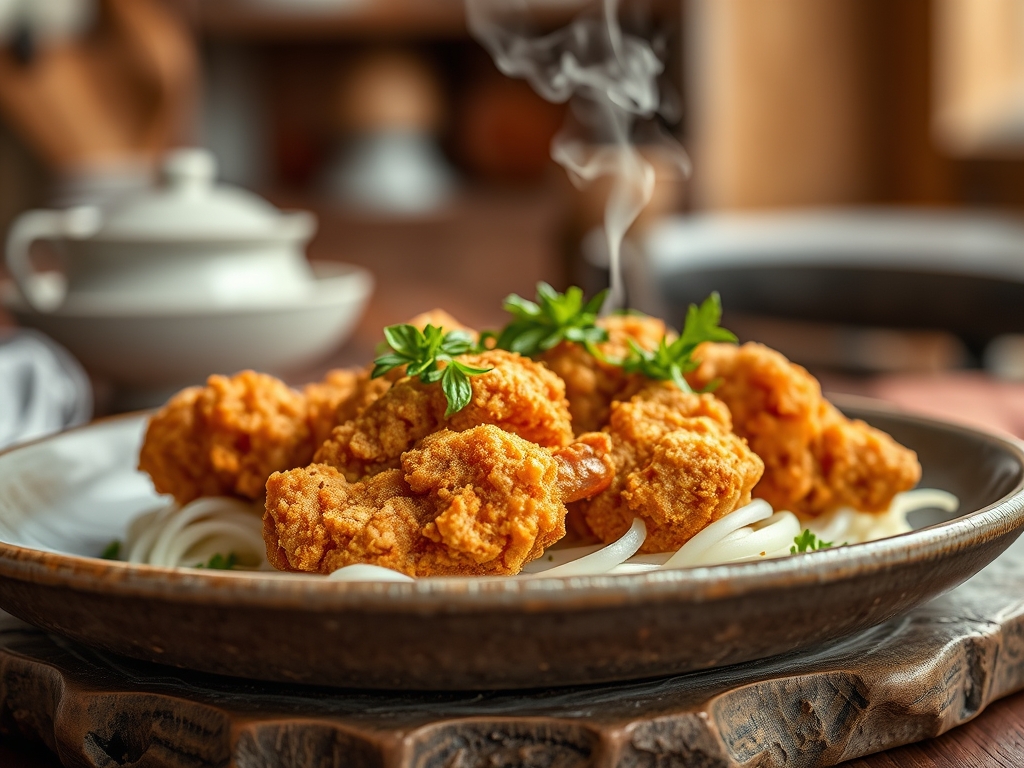
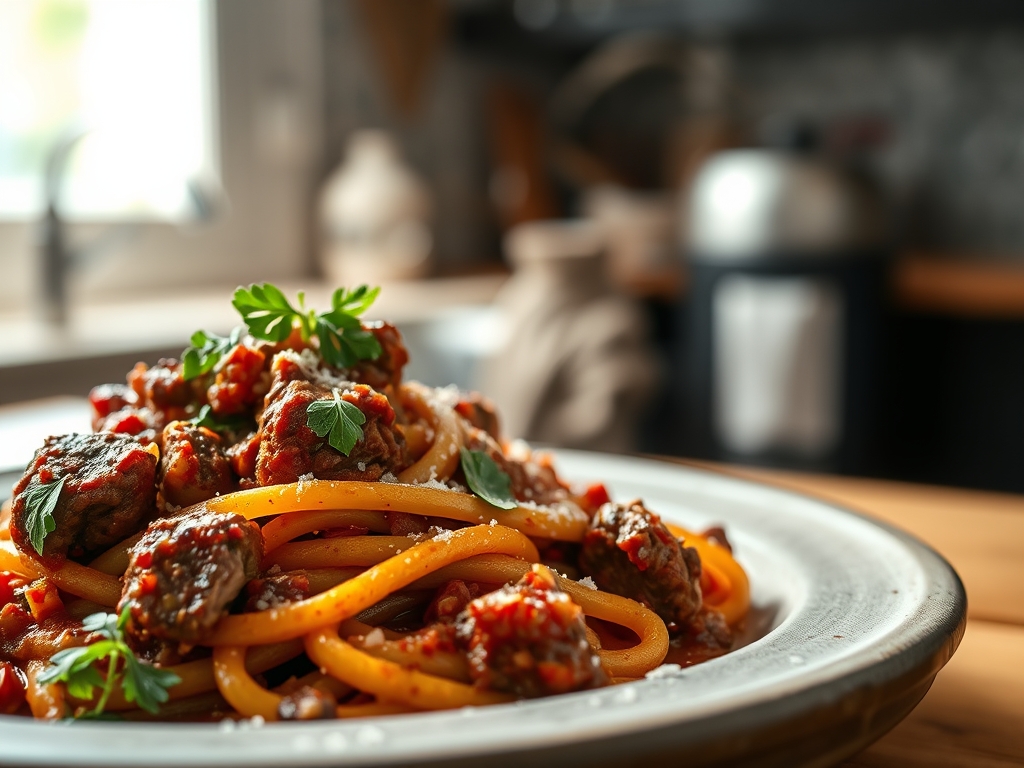
Forget everything you know about red sauce. We are not here to toss a watery tomato slurry over limp noodles. We are here to conduct a comprehensive Beef Bolognese Audit. This is a structural evaluation of flavor, a deep dive into the architecture of a slow simmered masterpiece. Imagine the scent of rendering beef fat colliding with the sharp, piquant aroma of a dry white wine. Picture the way a heavy bottomed pot transforms humble mirepoix into a sweet, caramelized foundation. This is a high stakes operation where the stakes are delicious. We are building a meat sauce that possesses a viscous, silk like texture, achieved through the precise management of acid, lipid, and protein. If your sauce usually separates into a pool of orange oil and a clump of dry meat, you have failed the inspection. But do not worry. We are going to recalibrate your kitchen. We are going to optimize your heat management and refine your ingredient selection until every bite is a testament to culinary engineering. Let us begin the audit.
THE DATA MATRIX
| Metric | Specification |
|---|---|
| Prep Time | 45 Minutes |
| Execution Time | 4 to 5 Hours |
| Yield | 8 Servings |
| Complexity | 7 / 10 |
| Estimated Cost per Serving | $4.50 |
THE GATHERS
Ingredient Protocol:
- 500g / 1.1 lbs Ground Beef (80/20 lean to fat ratio)
- 250g / 0.55 lbs Ground Pork Shoulder
- 100g / 3.5 oz Pancetta, finely diced
- 150g / 1.25 cups Yellow Onion, minced
- 75g / 0.75 cup Carrots, minced
- 75g / 0.75 cup Celery, minced
- 50g / 3 tbsp Tomato Paste
- 250ml / 1 cup Dry White Wine (Albariño or Pinot Grigio)
- 250ml / 1 cup Whole Milk
- 400g / 14 oz Canned San Marzano Tomatoes, crushed by hand
- 2g / 0.5 tsp Fresh Nutmeg, grated
- Salt and Black Pepper to taste
- 30ml / 2 tbsp Extra Virgin Olive Oil
Section A: Ingredient Quality Audit:
The primary failure point in most home sauces is the quality of the lipids. If your beef is too lean, the sauce will be astringent and dry. You must use a minimum of 20 percent fat to ensure a proper emulsion. If you find yourself with sub par, watery supermarket beef, the fix is to render the pancetta first and use that supplemental fat to coat the beef proteins. Another common audit failure is the use of "cooking wine." Never use a liquid you would not drink. The acidity in a high quality dry white wine is essential to break down the connective tissues in the meat. If your wine is too sweet, it will ruin the savory profile. Finally, check your spices. If your nutmeg was ground three years ago, it is sawdust. Use a microplane to grate fresh seed for that essential, aromatic lift.
THE MASTERCLASS
1. The Foundation Render
Begin by placing your heavy bottomed saucier over medium heat. Add the olive oil and the diced pancetta. You are looking to render the fat slowly until the pancetta is golden and crisp. Use a bench scraper to ensure all your finely minced onion, carrot, and celery are ready for deployment.
Pro Tip: Using a heavy bottomed pot like a Dutch oven or a copper core saucier ensures even heat distribution. This prevents "hot spots" that can scorch your aromatics and introduce a bitter carbon flavor to the base.
2. The Meat Matrix Integration
Increase the heat to medium high. Add the beef and pork. Do not crowd the pan; you want to sear, not steam. Use a wooden spoon to break the meat into tiny crumbles. We are looking for the Maillard reaction to create deep, savory notes.
Pro Tip: A digital scale is your best friend here. Precise ratios of beef to pork ensure the texture is neither too tough nor too soft. The pork provides the gelatinous mouthfeel that beef alone lacks.
3. Deglaze and Aerate
Once the meat is browned, clear a small space in the center and add the tomato paste. Fry the paste for two minutes until it turns a deep rust color. Pour in the white wine. Use the liquid to deglaze the bottom of the pan, scraping up every bit of caramelized protein.
Pro Tip: This step is about acid management. The wine dissolves the browned bits (fond), which contain concentrated flavor molecules. Aerating the sauce as you stir helps the alcohol evaporate, leaving only the bright acidity behind.
4. The Dairy Buffer
Lower the heat to a simmer and add the whole milk and nutmeg. This is the secret to a true Bolognese. The milk protects the meat from the harsh acids of the tomatoes and wine, resulting in a tender, velvety texture. Simmer until the milk has evaporated.
Pro Tip: The calcium in the milk reacts with the meat proteins to soften them. This prevents the "rubbery" texture often found in quick sauces. Monitoring this with a probe thermometer can help you keep the temperature below a boil.
5. The Long Simmer
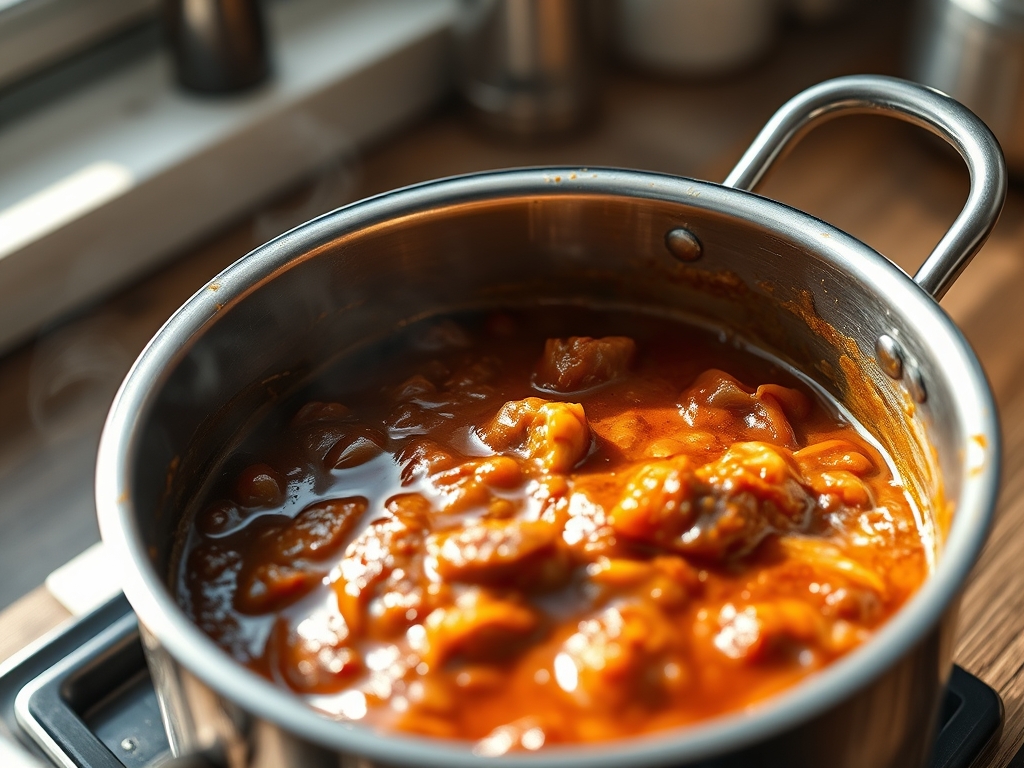
Add the crushed tomatoes. Reduce the heat to the lowest possible setting. The sauce should barely "smile" with an occasional bubble. Cover partially and let it cook for at least three hours. If the sauce becomes too thick, add a splash of water or beef stock to maintain a viscous consistency.
Pro Tip: Time is a physical ingredient. During these hours, the water evaporates while the fats and solids emulsify, creating a unified sauce that clings to pasta rather than sliding off it.
Section B: Prep & Timing Fault-Lines:
The most frequent human error is rushing the render phase. If the heat is too high, the exterior of the meat burns while the interior remains unrendered. This leads to "greasy" sauce where the oil sits on top. If you see oil pooling, do not panic. Use a wide spoon to skim the excess, or better yet, stir in a tablespoon of cold butter at the end to help re-emulsify the fats. Another timing error is adding the milk and tomatoes simultaneously. This will curdle the milk. You must follow the sequence: meat, then wine, then milk, then tomatoes.
THE VISUAL SPECTRUM
Section C: Thermal & Visual Troubleshooting:
Look at the Masterclass photo above. Notice the deep, mahogany hue of the meat and the way the sauce appears thick and glossy rather than watery. If your sauce looks pale or orange, you likely under-cooked your tomato paste or failed to achieve a proper sear on the meat. If the sauce looks "broken" (visible beads of oil), your simmer was too aggressive. To fix a broken sauce, whisk in a small amount of starchy pasta water just before serving. The starch acts as a bridge between the water and the fat. If the color is dull, a final splash of fresh olive oil or a handful of grated Parmigiano-Reggiano can restore the luster and add a piquant finish.
THE DEEP DIVE
Macro Nutrition Profile:
A standard serving of this Bolognese contains approximately 350 calories, 22g of protein, 18g of fat, and 12g of carbohydrates (excluding pasta). It is a high protein, high fat fuel source that is incredibly satiating.
Dietary Swaps:
For a Vegan version, replace the meat with a mix of minced mushrooms and lentils; use soy milk and a splash of balsamic vinegar for acidity. For Keto, serve over roasted cabbage or zucchini noodles. For GF, ensure your tomato paste and stock are certified gluten free and serve over corn or rice based pasta.
Meal Prep & Reheating Science:
Bolognese is actually better the second day. As it cools, the flavors continue to infuse and the molecular structure stabilizes. When reheating, do not use a microwave. Use a small saucepan over low heat and add a tablespoon of water to loosen the fats. This prevents the emulsion from breaking and maintains the silky mouthfeel.
THE KITCHEN TABLE
Why use white wine instead of red?
Traditional Bolognese uses white wine for a crisper acidity that cuts through the heavy fats of the pork and beef. Red wine can sometimes make the sauce too heavy or "jammy" in flavor.
Can I make this in a slow cooker?
You can, but you must perform the browning and deglazing steps in a pan first. A slow cooker cannot reach the temperatures required for the Maillard reaction, which is essential for the sauce's depth.
My sauce is too acidic. How do I fix it?
Do not add sugar. Instead, add a small pinch of baking soda to neutralize the acid, or stir in an extra splash of whole milk. This balances the pH without altering the savory profile.
What is the best pasta shape for this sauce?
Tagliatelle is the gold standard. The wide, flat ribbons provide ample surface area for the viscous meat sauce to cling to. Pappardelle or a sturdy rigatoni are also excellent secondary choices.