Forget the watery, bean-diluted slop that haunts the average church social. We are here to discuss structural integrity and the absolute physics of flavor. When we talk about Beef Chili Density, we are not merely discussing thickness; we are auditing the particulate distribution of high-quality proteins suspended in a hyper-concentrated, spice-laden emulsion. This is a beanless architecture designed for the purist. It requires a fundamental understanding of how fat renders and how collagen transforms into silk. We are building a bowl that resists the spoon; a viscous, dark, and brooding masterpiece that demands respect from the first olfactory hit. Every gram of beef must be accounted for in the final matrix. We are stripping away the filler to focus on the raw, piquant power of the Maillard reaction and the slow, methodical reduction of liquid. If your chili can be sipped through a straw, you have failed the audit. Prepare to recalibrate your kitchen for maximum density and unapologetic intensity. This is the infrastructure of the ultimate beef experience.
THE DATA MATRIX
| Metric | Specification |
|---|---|
| Prep Time | 45 Minutes |
| Execution Time | 4 Hours |
| Yield | 8 Servings |
| Complexity (1-10) | 7 |
| Estimated Cost per Serving | $4.75 |
THE GATHERS
Ingredient Protocol:
- 1.8 kg / 4 lbs Chuck Roast, hand-cubed to 1cm
- 1 kg / 2.2 lbs Ground Brisket (80/20 ratio)
- 500 ml / 2 cups Beef Bone Broth (High gelatin content)
- 355 ml / 12 oz Dark Stout Beer
- 120 ml / 0.5 cup Tomato Paste
- 45 g / 3 tbsp Ancho Chili Powder
- 30 g / 2 tbsp Smoked Paprika
- 15 g / 1 tbsp Cumin Seed, toasted and ground
- 4 Large White Onions, finely diced
- 8 Cloves Garlic, minced
- 30 ml / 2 tbsp Worcestershire Sauce
- 10 g / 2 tsp Cocoa Powder (Unsweetened)
- 60 ml / 4 tbsp Beef Tallow or Ghee
Section A: Ingredient Quality Audit:
The primary failure point in high-density chili is the moisture content of the beef. If your supermarket beef is "enhanced" with a saline solution, your Beef Chili Density will collapse into a watery mess. Audit your protein by looking for dry-aged or air-chilled labels. If the meat appears "weepy" in the package, pat it dry with lint-free towels and salt it on a wire rack for two hours before searing. This draws out surface moisture, ensuring a hard sear rather than a sad steam. Furthermore, ensure your spices are not ancient artifacts. If your cumin does not smell like a dusty earth-shattering explosion when toasted, discard it. Freshly toasted and ground seeds provide the volatile oils necessary to infuse the fat phase of your chili.
THE MASTERCLASS
1. The Maillard Foundation
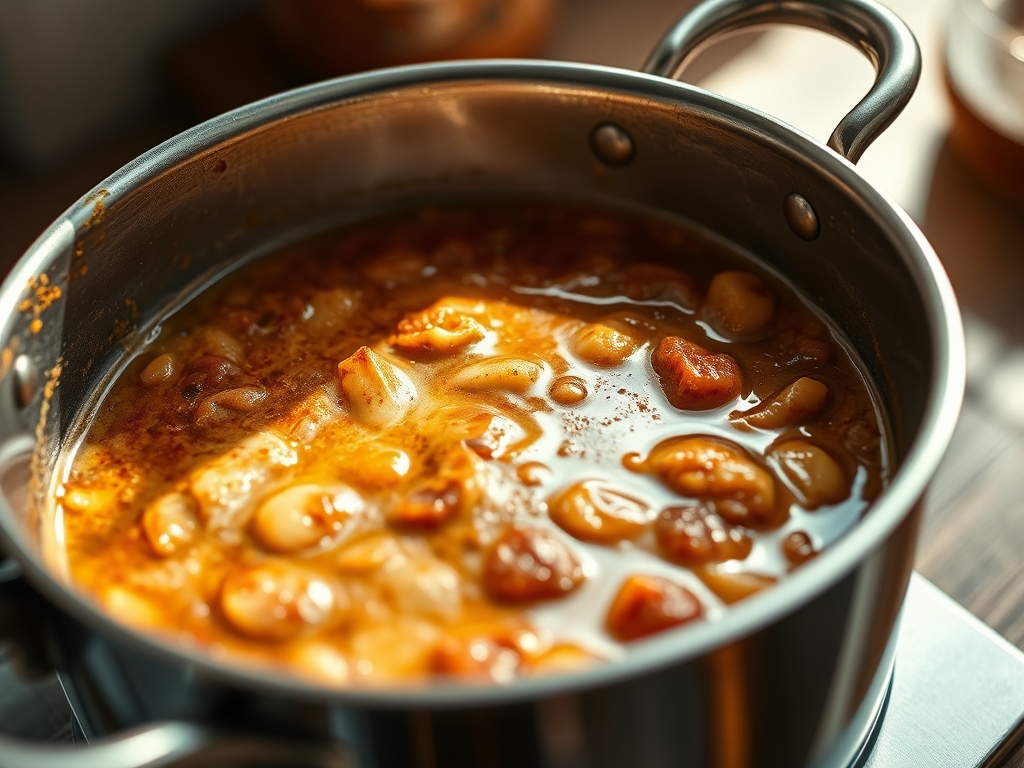
Begin by heating your beef tallow in a heavy-bottomed saucier or Dutch oven over high heat. Sear the cubed chuck in small batches. Do not crowd the pan; crowding drops the surface temperature and prevents the Maillard reaction. You are looking for a deep, mahogany crust on all sides. Use a bench scraper to lift any stubborn bits from the bottom of the pan between batches.
Pro Tip: The Maillard reaction creates hundreds of different flavor compounds. By searing in small batches, you maximize the surface area of browned protein, which is the cornerstone of Beef Chili Density.
2. Aromatics and Fat Saturation
Lower the heat to medium and add the onions and garlic to the rendered beef fat. Sauté until the onions are translucent and the edges begin to caramelize. Add the tomato paste and cocoa powder, stirring constantly for three minutes. This "fries" the paste, removing the metallic tin flavor and deepening the color to a brick red.
Pro Tip: Frying the tomato paste in the rendered fat allows the lycopene and fat-soluble flavor compounds to aerate and develop a more complex, savory profile before the liquid phase begins.
3. The Deglaze and Spice Bloom
Increase the heat and pour in the dark stout. Use a wooden spoon to deglaze the pan, scraping up every molecule of fond (the browned bits). Add the toasted cumin, ancho powder, and paprika. Allow the spices to bloom in the bubbling liquid for sixty seconds before adding the bone broth and Worcestershire sauce.
Pro Tip: A digital scale is essential here for spice precision. Over-portioning the chili powder can lead to a gritty texture, while under-portioning results in a lack of depth.
4. The Long Reduction
Return all the beef to the pot. Bring to a faint simmer, then cover and transfer to a 135C / 275F oven. The oven provides even, surround-sound heat that a stovetop cannot match. Cook for three to four hours, checking every hour. The goal is for the chuck cubes to become tender enough to break with a spoon, while the ground brisket provides a thick, pebbly texture.
Pro Tip: Cooking in the oven prevents the bottom of the pot from scorching, which is a high risk when dealing with the high viscosity required for proper Beef Chili Density.
Section B: Prep & Timing Fault-Lines:
The most common human error is rushing the cooling process. If you serve this chili immediately, the fats and proteins haven't fully married. For maximum density, allow the chili to cool to room temperature, then refrigerate overnight. This allows the gelatin from the bone broth to set, creating a superior mouthfeel. When reheating, do so slowly over low heat to avoid breaking the emulsion. If the chili appears too thick (a rare but possible "success" error), add a tablespoon of broth at a time to reach the desired flow rate.
THE VISUAL SPECTRUM
Section C: Thermal & Visual Troubleshooting:
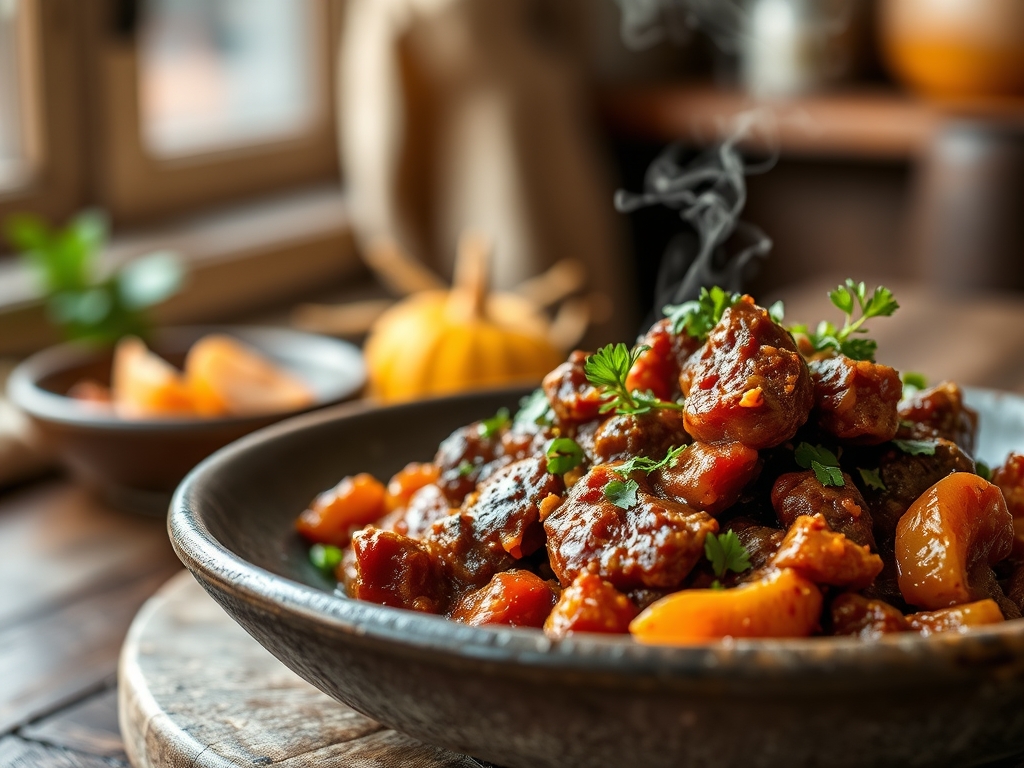
Referencing the Masterclass photo, your final product should exhibit a "matte" finish with a deep, dark umber hue. If your chili looks bright red or orange, you likely under-cooked the tomato paste or used low-quality chili powder. If there is a thick layer of yellow oil on top, your emulsion has broken. To fix this, whisk in a small amount of cold butter or a slurry of masa harina to pull the fats back into the sauce. The texture should be "short" (meaning it breaks off the spoon) rather than "stringy." If you see large chunks of un-rendered white fat, your oven temperature was too low to reach the melting point of the connective tissue.
THE DEEP DIVE
Macro Nutrition Profile
This is a high-protein, high-fat powerhouse. A standard serving contains approximately 45g of protein, 32g of fat, and 12g of net carbs. The density ensures high satiety, making it an excellent choice for metabolic health when consumed without sugar-laden toppings.
Dietary Swaps
- Vegan: Replace beef with a mix of rehydrated soy curls and walnut "meat." Use mushroom broth and add a dash of liquid smoke.
- Keto: This recipe is naturally keto-friendly. Ensure the stout used is a low-carb variety or replace it with extra broth and a splash of apple cider vinegar.
- GF: Ensure your Worcestershire sauce and stout are certified gluten-free.
Meal Prep & Reheating Science
To maintain molecular structure, reheat in a heavy pot over low heat. Avoid the microwave; it creates localized "hot spots" that can cause the protein fibers to tighten and toughen, ruining the delicate balance of your Beef Chili Density.
THE KITCHEN TABLE
How do I make it spicier without ruining the flavor?
Add finely minced habanero or serrano peppers during the aromatic phase. This integrates the heat into the fat, providing a consistent, rolling burn rather than a sharp, acidic spike that masks the beef.
Why use cocoa powder in beef chili?
Cocoa powder provides a bitter, earthy baseline that enhances the savory notes of the beef. It adds a visual darkness and a "roundness" to the spice profile without making the dish taste like chocolate.
Can I use a slow cooker for this?
You can, but you lose the evaporation necessary for high density. If using a slow cooker, reduce the broth by half and ensure you perform the searing and deglazing steps in a separate pan first.
What is the best beef cut for density?
Chuck roast is king. It contains the perfect ratio of lean muscle to intramuscular fat and collagen. As the collagen melts into gelatin, it creates the viscous "body" that defines high-density chili.