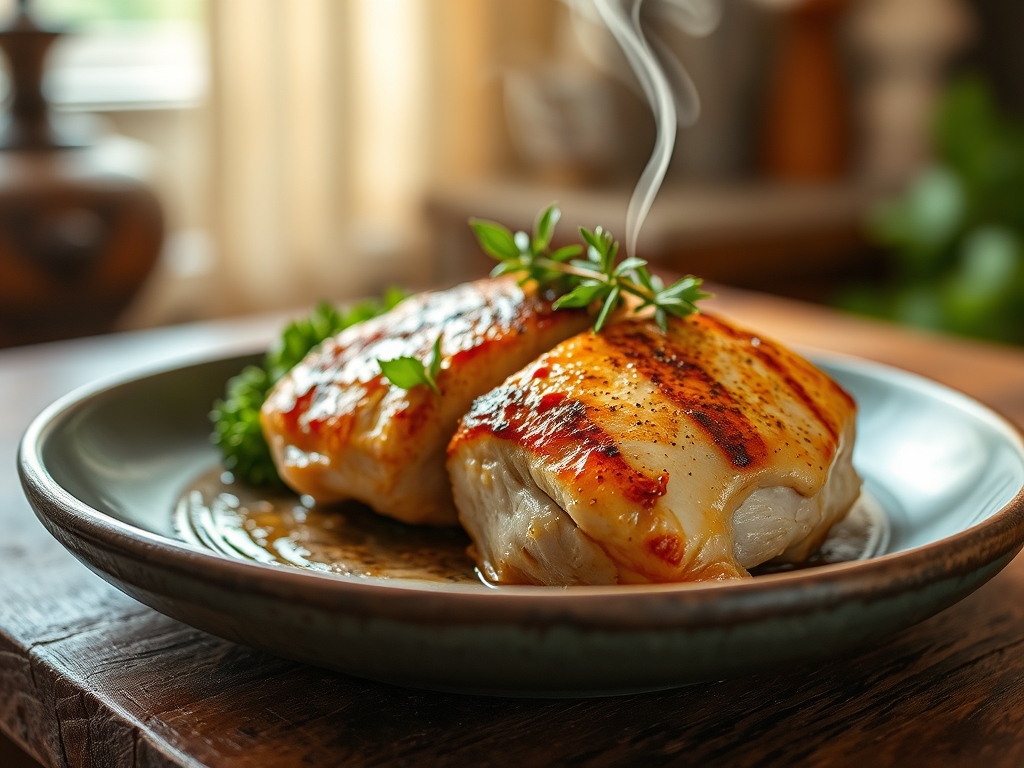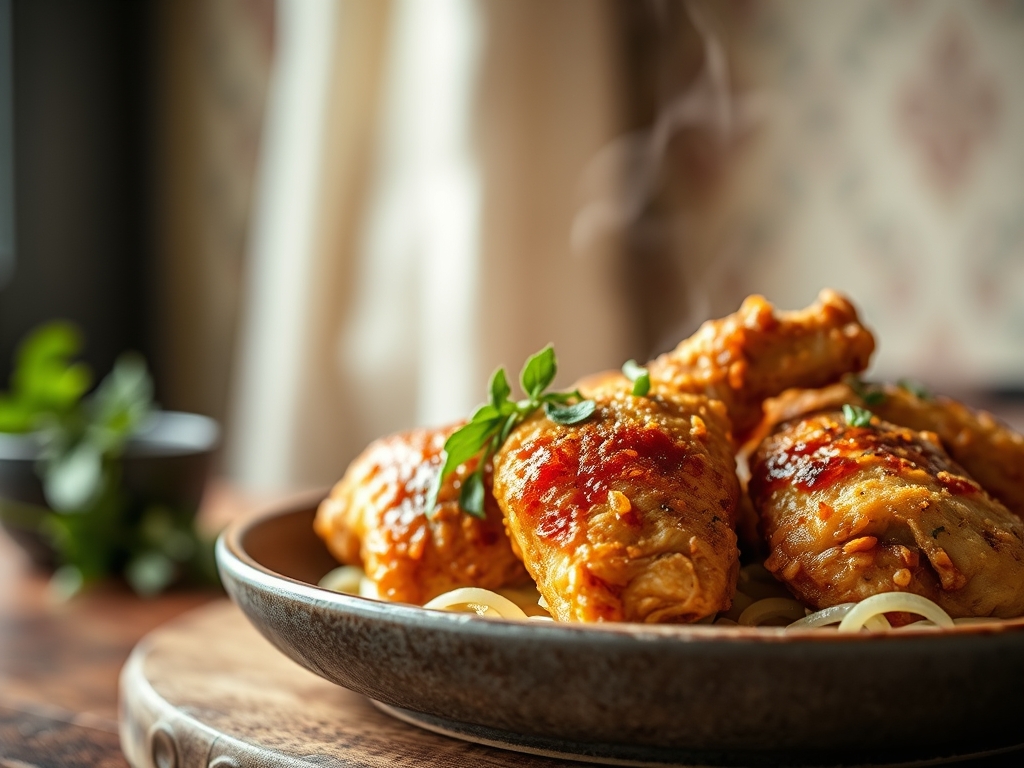
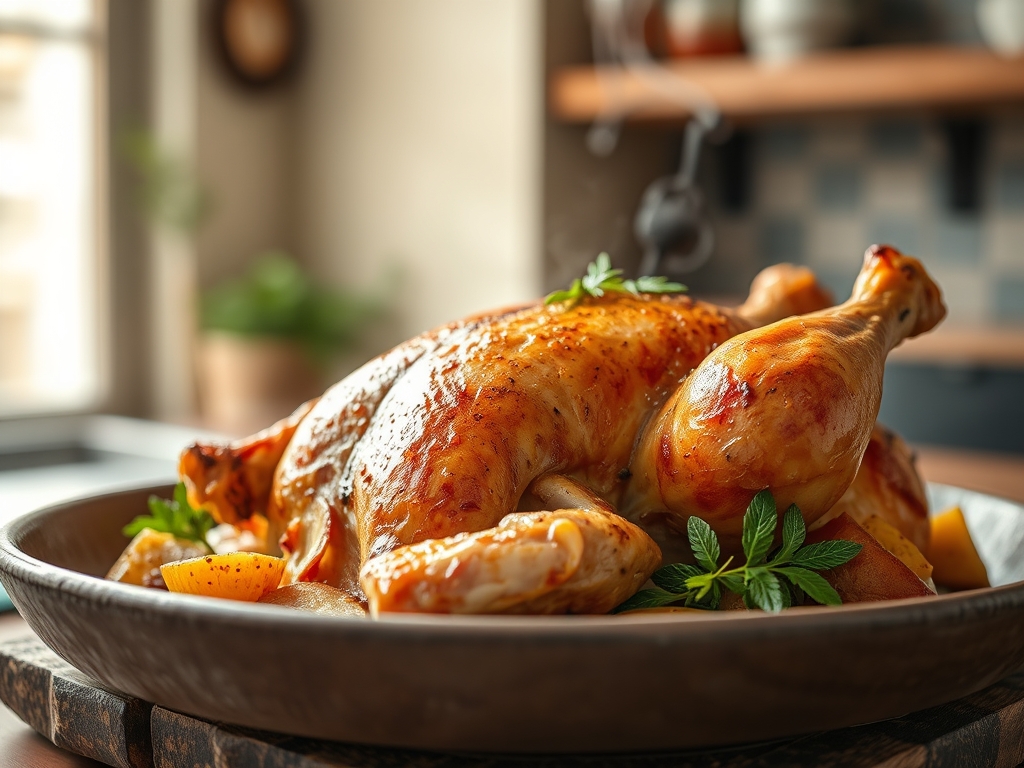
Listen closely because we are about to dissect the absolute crown jewel of domestic engineering: the Roasted Whole Chicken. This is not merely a meal; it is a structural challenge that tests the limits of thermal conductivity and protein denaturization. When you pull that bird from the oven, the air should be thick with the scent of rendered subcutaneous fat and scorched rosemary. We are looking for a skin so crisp it shatters like stained glass, protecting a core of meat so succulent it defies the laws of evaporation. If your bird looks like a pale, weeping mess of soggy collagen, you have failed the audit. A perfect roast requires the aggressive application of dry heat to trigger the Maillard reaction, transforming dull amino acids into a complex, golden-brown crust. We are aiming for a sensory overload where the piquant aroma of garlic-infused butter meets the deep, savory bass note of perfectly browned poultry. This is high-stakes culinary architecture. Let us begin the inspection of your infrastructure.
THE DATA MATRIX
| Metric | Specification |
|---|---|
| Prep Time | 25 mins |
| Execution Time | 75 mins |
| Yield | 4-6 Servings |
| Complexity (1-10) | 4 |
| Estimated Cost per Serving | $3.50 |
THE GATHERS
Ingredient Protocol:
- 1 Whole Heritage Chicken (1.8kg / 4 lbs)
- Unsalted Butter, softened (115g / 1/2 cup)
- Kosher Salt (15g / 1 tbsp)
- Fresh Thyme, minced (5g / 2 tsp)
- Fresh Rosemary, minced (5g / 2 tsp)
- Garlic Cloves, smashed (4 units)
- Yellow Onion, quartered (150g / 1 medium)
- Lemon, halved (1 unit)
- Dry White Wine for deglazing (120ml / 1/2 cup)
- Chicken Stock (240ml / 1 cup)
Section A: Ingredient Quality Audit:
If your bird is "enhanced" with a saline solution (check the fine print on the packaging), your structural integrity is compromised before you start. These birds purge excess moisture, steaming the skin from the inside out. To fix this, you must air-dry the bird uncovered in the refrigerator for 24 hours to desiccate the exterior. If your butter is too cold, it will not emulsify with the herbs; use a digital scale to ensure the ratio of fat to aromatics is precise. Sub-par, woody herbs can be revived by bruising them with a heavy chef knife to release essential oils before they are incorporated into the compound butter.
THE MASTERCLASS
1. Thermal Equilibrium and Surface Desiccation
Remove the bird from refrigeration 45 minutes prior to heat exposure. Use high-absorbency paper towels to remove every molecule of surface moisture. A damp bird is a steamed bird.
Pro Tip: Use a bench scraper to clear your workstation of any discarded trimmings. The science here is simple: moisture is the enemy of the Maillard reaction. By ensuring the skin is dry, you allow the heat to immediately begin the browning process rather than wasting energy evaporating water.
2. Subcutaneous Fat Injection
Gently separate the skin from the breast meat using your fingers, being careful not to puncture the membrane. Massage the herb-infused butter directly onto the flesh beneath the skin.
Pro Tip: This creates a protective barrier of fat that bastes the lean breast meat as it cooks. Use a digital scale to divide your butter portions evenly between the two breast lobes to ensure symmetrical cooking.
3. Structural Trussing
Season the cavity aggressively with salt. Insert the lemon, garlic, and onion. Tie the legs together with kitchen twine and tuck the wingtips behind the back to create a compact, aerodynamic shape.
Pro Tip: Trussing ensures that the extremities do not overcook before the core reaches the target temperature. A compact bird has less surface area exposed to direct heat, which prevents the delicate wing meat from carbonizing.
4. High-Velocity Thermal Exposure
Place the bird in a heavy-bottomed roasting pan. Roast at 218C (425F) for the first 20 minutes, then reduce the temperature to 175C (350F) for the remainder of the duration.
Pro Tip: The initial high-heat blast triggers rapid rendering of the fat. Use an instant-read thermometer to monitor the internal temperature of the thickest part of the thigh; you are looking for 74C (165F).
5. The Deglaze and Rest
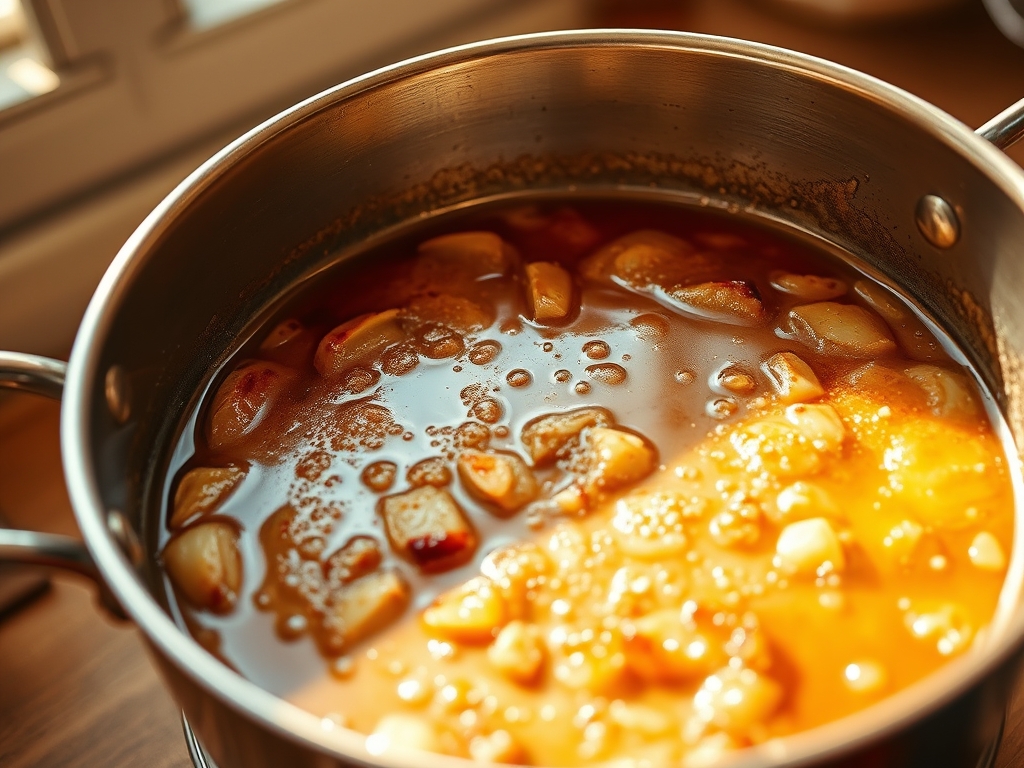
Once the target temperature is achieved, move the bird to a cutting board. Place the roasting pan over a burner, add the wine, and use a saucier whisk to scrape up the browned bits (fond).
Pro Tip: Resting the bird for at least 15 minutes allows the muscle fibers to relax and reabsorb the viscous juices. If you carve too early, the internal pressure will force all the moisture onto the board, leaving the meat dry.
Section B: Prep & Timing Fault-Lines:
The most common failure is the "Cold Core" syndrome. If the bird goes into the oven straight from the fridge, the exterior will reach 74C while the interior remains dangerously undercooked. Always use a digital scale to weigh your bird and adjust timing; allow 20 minutes of cook time per 500g. If your oven has hot spots, rotate the pan 180 degrees at the halfway mark to ensure an even tan.
THE VISUAL SPECTRUM
Section C: Thermal & Visual Troubleshooting:
Referencing our Masterclass photo, the skin should exhibit a deep, mahogany hue with no visible translucent patches. If your bird looks "blotchy," you likely applied the butter unevenly. To fix a pale bird in the final ten minutes, increase the heat and use a pastry brush to apply a thin layer of honey or maple syrup to accelerate caramelization. If the wingtips are turning black, wrap them in small pieces of aluminum foil to reflect the radiant heat. The juices running from the thigh should be crystal clear; any hint of pink indicates a failure in thermal penetration.
THE DEEP DIVE
Macro Nutrition Profile:
A standard 150g serving of roasted chicken (skin-on) provides approximately 350 calories, 35g of protein, and 22g of fat. It is a high-density protein source with zero carbohydrates, making it an ideal metabolic fuel.
Dietary Swaps:
- Vegan: Substitute the chicken with a large cauliflower head (cauliflower steak) and use olive oil or vegan butter. The roasting mechanics remain identical.
- Keto: This recipe is inherently keto-compliant. Increase the butter volume for a higher fat-to-protein ratio.
- Gluten-Free: Ensure your chicken stock is certified GF. The deglazing process naturally creates a sauce without the need for flour-based thickeners.
Meal Prep & Reheating Science:
To maintain molecular structure during reheating, avoid the microwave. The high-frequency waves agitate water molecules, causing the protein to toughen. Instead, reheat slices in a pan with a splash of stock and a lid. This creates a steam-injection environment that restores moisture without compromising the texture of the meat.
THE KITCHEN TABLE
How do I get the skin extra crispy?
Salt the bird and leave it uncovered in the fridge for 24 hours. This process, known as dry-brining, chemically alters the skin structure to ensure maximum crunch during the rendering phase.
Why is my chicken breast always dry?
You are likely overcooking it to ensure the thighs are done. Try roasting the bird upside down for the first 30 minutes to protect the delicate breast meat from direct heat exposure.
Can I use dried herbs instead?
You can, but the flavor profile will be muted. Dried herbs require more moisture to infuse their oils. If using dry, mix them into the butter 2 hours before application to allow for proper hydration.
What is the best way to use the carcass?
Never discard the skeleton. It is a goldmine of collagen and minerals. Simmer it with mirepoix for 4 hours to create a viscous, nutrient-dense bone broth for future culinary deployments.