Imagine the sound of a structural failure. It is the wet, pathetic thud of a limp cabbage leaf hitting a paper plate. It is the pool of greyish water gathering at the bottom of a bowl; a culinary crime scene where salt has committed a violent extraction of moisture. We have all been victims of the soggy slaw. However, we are here to discuss the architecture of crunch. Achieving true Cabbage Slaw Stability is not about mixing vegetables; it is about managing osmotic pressure and the structural integrity of cellulose. A vinegar based slaw is a high stakes environment where acidity meets fiber. When executed with precision, the result is a piquant, vibrant side dish that maintains its structural rigidity for hours, even under the heat of a summer sun. We are moving beyond the mayo-laden gloop of the past. We are building a crisp, translucent masterpiece where every bite offers a sharp, percussive snap. This is the infrastructure of flavor; a calculated balance of sugar, acid, and salt designed to preserve the cellular walls of the Brassica oleracea.
THE DATA MATRIX
| Metric | Specification |
|---|---|
| Prep Time | 25 Minutes |
| Execution Time | 15 Minutes (plus 1 hour chilling) |
| Yield | 8 Servings (approx. 1.2kg) |
| Complexity (1-10) | 3 |
| Estimated Cost per Serving | $0.45 |
THE GATHERS
Ingredient Protocol:
- Green Cabbage: 900g / 2 lbs (Finely shredded)
- Red Cabbage: 225g / 0.5 lbs (Finely shredded for color contrast)
- Carrots: 150g / 1.5 cups (Julienned)
- Apple Cider Vinegar: 120ml / 0.5 cups (The primary acidulant)
- Neutral Oil: 80ml / 0.33 cups (Grapeseed or Avocado)
- Granulated Sugar: 65g / 0.33 cups (To balance the piquant profile)
- Celery Seed: 5g / 1 tsp (For earthiness)
- Kosher Salt: 15g / 1 tbsp (The osmotic catalyst)
- Dijon Mustard: 15ml / 1 tbsp (To emulsify the dressing)
Section A: Ingredient Quality Audit:
If your cabbage feels rubbery before you even start, it has already lost the hydration battle. Sub-par, aged cabbage lacks the internal turgor pressure required for a premium slaw. To fix this, submerge shredded cabbage in an ice water bath for twenty minutes to re-hydrate the cells; then, spin it aggressively in a salad spinner until bone dry. If your vinegar tastes like industrial cleaner, swap it for a high quality, raw apple cider vinegar to ensure the flavor is bright rather than acrid. If the dressing refuses to stay combined, your mustard might be old and lacking the necessary mucilage to hold the oil and vinegar in suspension.
THE MASTERCLASS
1. Precision Shredding and Weight Calibration
Utilize a digital scale to measure your produce. Consistency in the width of your cabbage shreds is the foundation of Cabbage Slaw Stability. Use a sharp mandoline or a heavy chef's knife to achieve 2mm ribbons.
Pro Tip: Uniformity is not just aesthetic. Even surface area ensures that the osmotic draw of the salt happens at a synchronized rate across the entire batch, preventing some pieces from becoming mushy while others remain tough.
2. The Osmotic Pre-Treatment
Place the shredded cabbage in a large stainless steel bowl. Toss with the salt and let it sit for fifteen minutes. This will render the excess water from the cell walls. Rinse with cold water and use a clean kitchen towel to squeeze every possible drop of moisture out.
Pro Tip: This "wilting" phase is the secret to longevity. By pre-extracting the water that would normally dilute your dressing, you ensure the cabbage stays crisp and the flavor remains concentrated.
3. Emulsifying the Piquant Vinaigrette
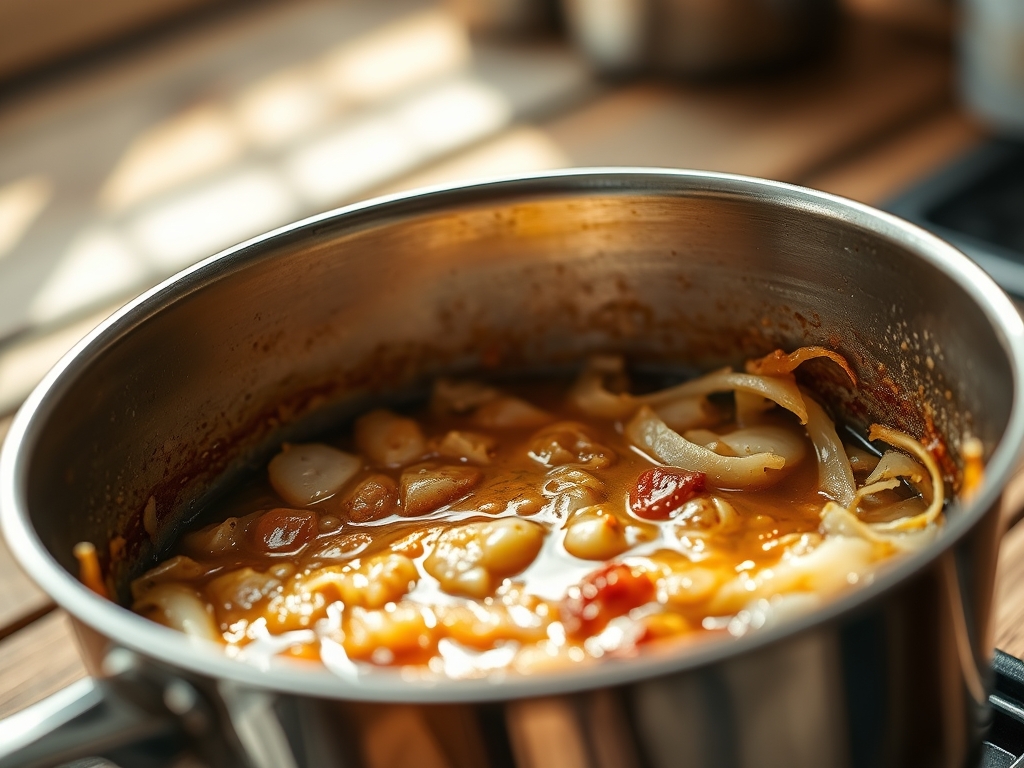
In a small saucier over medium heat, combine the vinegar, sugar, and mustard. Whisk until the sugar dissolves. Slowly stream in the oil while whisking vigorously to aerate and create a stable emulsion.
Pro Tip: Heating the dressing slightly allows the celery seed to infuse its essential oils into the liquid, deepening the flavor profile far beyond what a cold stir could achieve.
4. Integration and Cooling
Pour the warm dressing over the prepared vegetables. Use a bench scraper or large tongs to fold the mixture, ensuring every strand of cabbage is coated in a viscous layer of vinaigrette.
Pro Tip: The warm dressing slightly softens the outermost layer of the cabbage, allowing the flavors to penetrate the fiber without compromising the crunch of the inner core.
Section B: Prep & Timing Fault-Lines:
The most common human error is the "Dressing Delay." If you wait too long to dress the cabbage after the salt rinse, the cabbage will begin to oxidize and turn grey. Conversely, if you dress the cabbage while it is still dripping with rinse water, the emulsion will break immediately. Temperature control is also vital; never add boiling dressing to the cabbage or you will cook the enzymes and end up with a warm kraut instead of a fresh slaw. Aim for a dressing temperature of approximately 45 degrees Celsius.
THE VISUAL SPECTRUM
Section C: Thermal & Visual Troubleshooting:
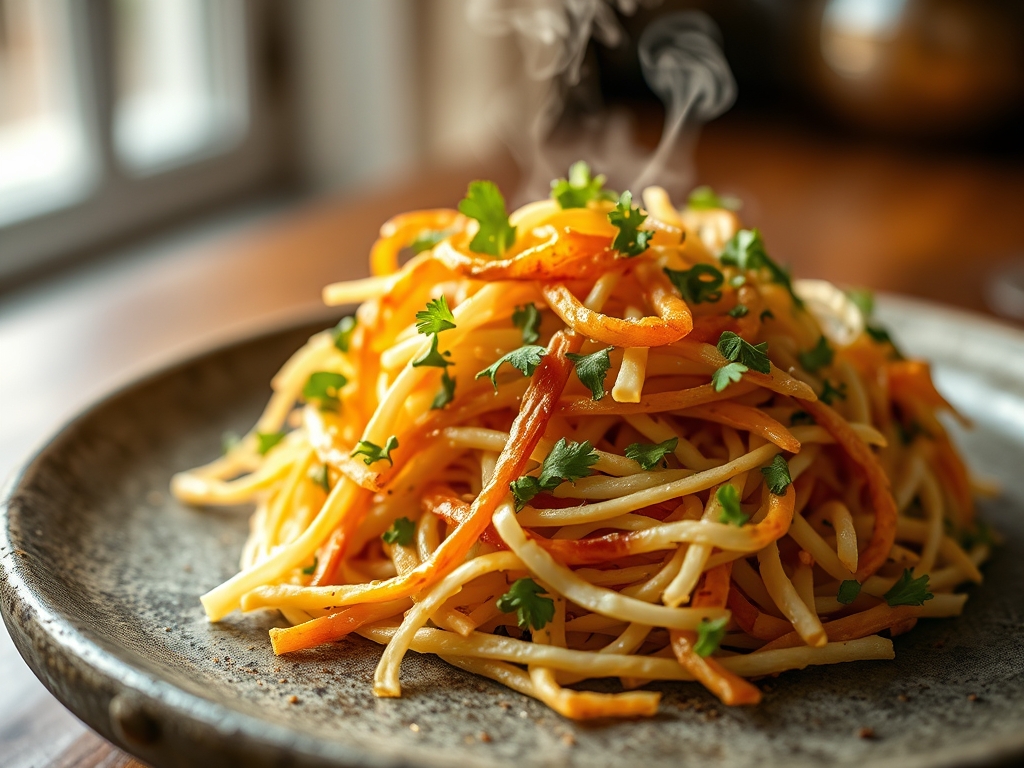
Look closely at the Masterclass photo. You should see a glistening, translucent quality to the cabbage. If your slaw looks dull or matte, you have insufficient oil or the sugar has not fully dissolved. If the red cabbage has bled into the green cabbage, creating a muddy purple mess, it means your acid levels are too low to "set" the anthocyanin pigments in the red cabbage. A vibrant, neon-pink hue in the red cabbage indicates a healthy, acidic environment. If the carrots look limp, they were likely cut too thin; ensure they are julienned to a thickness that matches the cabbage ribbons to maintain a uniform visual spectrum.
THE DEEP DIVE
Macro Nutrition Profile:
A standard serving of this vinegar based slaw is remarkably lean. You are looking at approximately 120 calories, 9g of healthy fats, 12g of carbohydrates (primarily fiber), and 1g of protein. It is a high-volume, low-density food that provides significant micronutrients like Vitamin C and K.
Dietary Swaps:
- Vegan: This recipe is naturally vegan.
- Keto: Replace the granulated sugar with an equal amount of erythritol or monk fruit sweetener.
- GF: Ensure your Dijon mustard is certified gluten-free, as some brands use wheat-based thickeners.
Meal Prep & Reheating Science:
Unlike mayo slaws, this version thrives in the fridge. The molecular structure of the cabbage is reinforced by the acidic brine, effectively "quick-pickling" the vegetables. It will remain optimal for up to five days. Do not reheat this dish. Heat will collapse the remaining vacuoles in the cabbage cells, resulting in a total loss of crunch. Always serve chilled or at room temperature.
THE KITCHEN TABLE
Why is my slaw watery the next day?
You skipped the salt-and-squeeze step. The salt in the dressing is pulling water out of the cabbage cells. To fix this, drain the excess liquid and whisk in a teaspoon of mustard to re-emulsify the remaining dressing.
Can I use balsamic vinegar instead?
You can, but the visual profile will suffer. Balsamic will turn the cabbage a muddy brown color. For the best Cabbage Slaw Stability and aesthetic, stick to clear or light-colored vinegars like apple cider or white wine vinegar.
My slaw is too sour; how do I fix it?
Do not just add more sugar. Instead, add a tiny pinch of salt or a splash of neutral oil. Fat and salt are the primary tools for neutralizing the perceived intensity of acetic acid on the palate.
Is a food processor okay for shredding?
Only if you are in a massive rush. Food processors tend to tear the cabbage rather than slice it, which releases more sulfurous compounds and leads to a "funky" smell faster than hand-slicing with a sharp blade.