Listen up, starch architects and gluten enthusiasts. We are not just baking bread; we are conducting a high-stakes structural audit of the most legendary crumb in the Mediterranean canon. Focaccia is the ultimate playground for fluid dynamics. It is a high-hydration canvas where the alveoli (those gorgeous internal air pockets) act as storage vaults for a premium Focaccia Oil Infusion. If your current bread resembles a dense, lifeless brick rather than a shimmering, aerated sponge, your infrastructure has failed. We are here to rectify those engineering oversights. We are looking for that specific, shatter-crisp exterior that yields to a pillowy, viscous interior. The secret lies in the tension between the yeast's carbon dioxide production and the lipid barrier of the oil. When you press your fingertips into that dough to create the signature dimples, you are essentially designing irrigation channels for liquid gold. This is a technical pursuit of flavor, where the Maillard reaction meets deep-tissue dough manipulation. Prepare to recalibrate your kitchen.
THE DATA MATRIX
| Metric | Specification |
|---|---|
| Prep Time | 20 Minutes Active / 18 Hours Passive |
| Execution Time | 25 Minutes |
| Yield | 1 Half-Sheet Pan (12 Servings) |
| Complexity (1-10) | 4 |
| Estimated Cost per Serving | $0.85 |
THE GATHERS
Ingredient Protocol:
- 500g / 4 cups Bread Flour (12.7 percent protein minimum)
- 400ml / 1.75 cups Room Temperature Water (Filtered)
- 10g / 2 tsp Fine Sea Salt
- 4g / 1.25 tsp Instant Yeast
- 100ml / 0.4 cup Extra Virgin Olive Oil (Divided)
- 15g / 1 tbsp Fresh Rosemary (Bruised)
- 5g / 1 tsp Flaky Finishing Salt
Section A: Ingredient Quality Audit:
If your flour has a low protein content, your crumb will lack the structural integrity to support the Focaccia Oil Infusion. Switch to a high-protein bread flour to ensure the gluten network can trap gas effectively. If your yeast is sluggish, perform a viability test in warm water before mixing; dead yeast results in a dense, leaden slab. Finally, do not use "light" olive oil. You need the piquant punch of a cold-pressed, robust Extra Virgin Olive Oil to provide the necessary flavor profile that defines this bake.
THE MASTERCLASS
1. The Autolyse and Initial Hydration
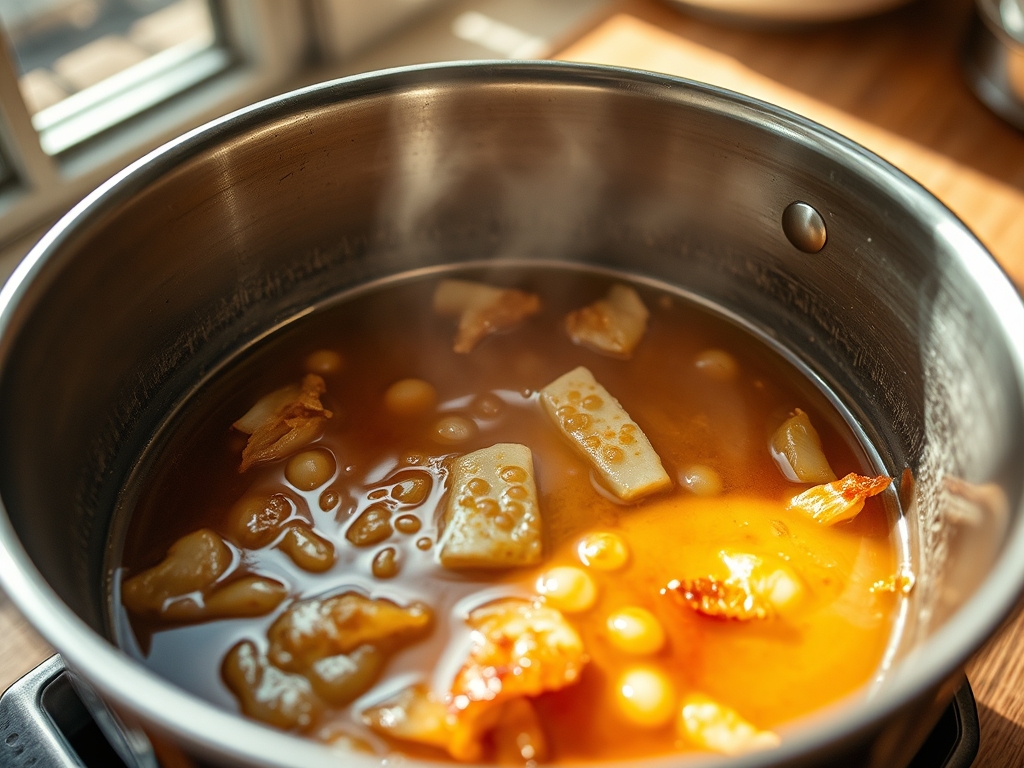
Combine your flour, water, and yeast in a glass bowl. Use a bench scraper to fold the mass until no dry streaks remain. Cover and let sit for 30 minutes. This allows the flour to fully hydrate and kickstarts gluten development without manual labor.
Pro Tip: This stage allows enzymes to break down starches into simple sugars, which will later enhance the Maillard reaction for a deeper golden crust.
2. The Cold Fermentation Protocol
Incorporate the sea salt and a splash of water. Perform a series of "stretch and folds" every 30 minutes for two hours. Transfer the dough to a lidded container and refrigerate for 12 to 18 hours. Cold temperatures slow down yeast activity, allowing complex organic acids to develop.
Pro Tip: Use a digital scale to track the weight of your dough; consistency is the hallmark of a professional kitchen auditor.
3. The Infusion Engineering
While the dough rests, prepare your Focaccia Oil Infusion. Gently heat 50ml of olive oil in a saucier with bruised rosemary and a pinch of chili flakes. Do not boil; you only want to infuse the lipids with aromatic compounds. Let it cool completely.
Pro Tip: Heating the oil breaks down the cell walls of the herbs, releasing essential oils that would otherwise remain trapped and muted.
4. The Dimpling and Final Proof
Pour half of your infusion into a baking sheet. Tip the cold dough onto the sheet and flip to coat. Let it rise in a warm spot until it bubbles and jiggles like gelatin. Use your fingertips to press deep into the dough, creating the tectonic craters that will house the remaining Focaccia Oil Infusion.
Pro Tip: The "jiggle test" is a visual cue for aeration; if the dough wobbles as a single unit, the gas structure is perfect.
5. Thermal Execution
Preheat your oven to 450 degrees Fahrenheit (230 Celsius). Sprinkle with flaky salt and bake for 20 to 25 minutes. The high heat will cause the water in the dough to flash into steam, providing the "oven spring" necessary for high porosity.
Pro Tip: Use an infrared thermometer to ensure your baking stone or steel has reached the target temperature before the dough enters the chamber.
Section B: Prep & Timing Fault-Lines:
The most common failure is rushing the second proof. If the dough is too cold when it hits the oven, it will not expand, resulting in a gummy interior. Ensure the dough reaches at least 68 degrees Fahrenheit internally before baking. If your kitchen is cold, use the pilot light of your oven to create a makeshift proofing box.
THE VISUAL SPECTRUM
Section C: Thermal & Visual Troubleshooting:
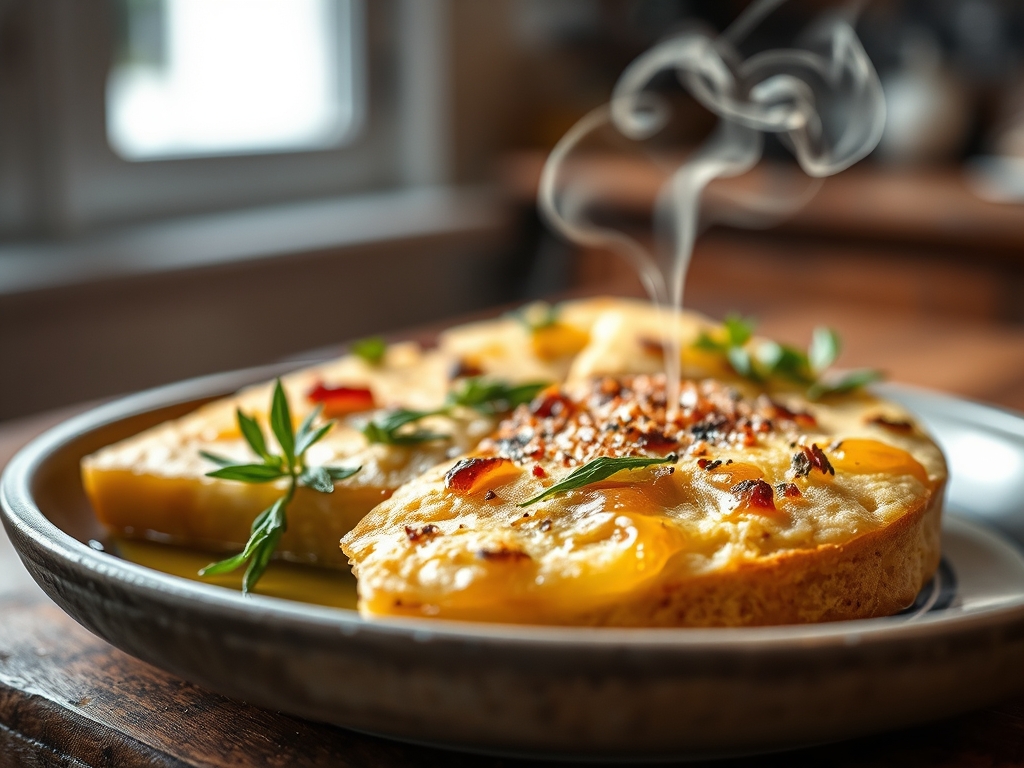
Look at the Masterclass photo above. Notice the "tiger spotting" on the crust; this is a sign of long cold fermentation. If your bread is a uniform, pale tan, you likely skipped the cold rest or your oven temperature was too low. If the dimples have disappeared, you over-proofed the dough, causing the gas bubbles to collapse. If the oil is pooling only in the center, your pan was not level during the rise. The goal is a variegated landscape of gold, ochre, and deep brown.
THE DEEP DIVE
Macro Nutrition Profile:
A standard serving contains approximately 210 calories, 9g of fat (mostly monounsaturated from the olive oil), 28g of carbohydrates, and 5g of protein. The fermentation process lowers the glycemic index compared to standard white bread.
Dietary Swaps:
- Vegan: This recipe is naturally vegan. Ensure your sugar (if used to bloom yeast) is bone-char free.
- Gluten-Free: Substitute with a high-quality 1-to-1 GF flour blend containing xanthan gum. Increase water by 10 percent as GF flours are highly absorbent.
- Keto: Use almond flour and psyllium husk; however, the crumb porosity will be significantly reduced as keto "dough" cannot trap gas in the same manner.
Meal Prep & Reheating Science:
To maintain the molecular structure, do not microwave. Microwaves agitate water molecules, leading to a rubbery texture. Reheat in a 350 degree oven for 5 minutes to re-crisp the exterior and render the oils back into the crumb.
THE KITCHEN TABLE
Why is my focaccia bottom soggy?
You likely lacked enough oil on the pan base or the oven heat was not concentrated at the bottom. Use a preheated baking stone to ensure the bottom crust fries in the oil simultaneously as the top bakes.
Can I use dried herbs instead of fresh?
Yes, but reduce the volume by half. Dried herbs are more concentrated but lack the bright, floral notes of fresh rosemary. Rehydrate them in the oil during the infusion stage to prevent them from burning in the high-heat oven.
How do I get bigger bubbles in the crumb?
Increase the hydration. Higher water content creates more steam and a more flexible gluten network, allowing for massive alveoli. Try pushing the water to 425ml if you are using high-protein bread flour.
My dough is too sticky to handle!
Do not add more flour. Use wet hands or a light coating of oil on your fingers. Focaccia dough is supposed to be high-hydration; adding flour will ruin the light, airy texture you are striving for.