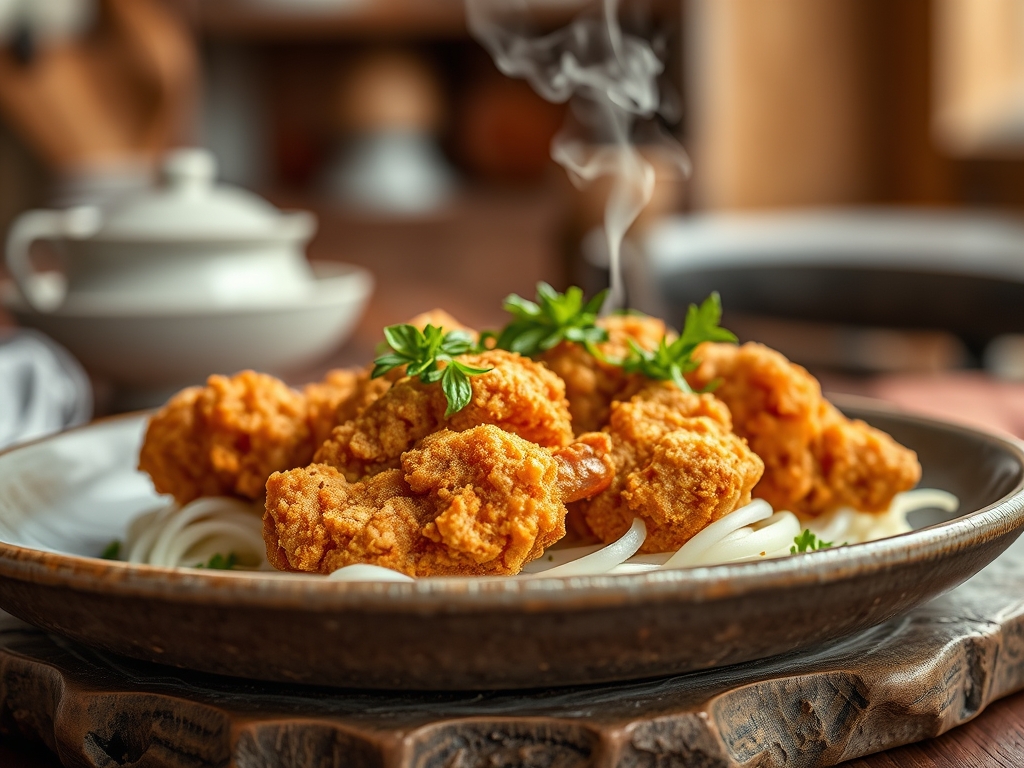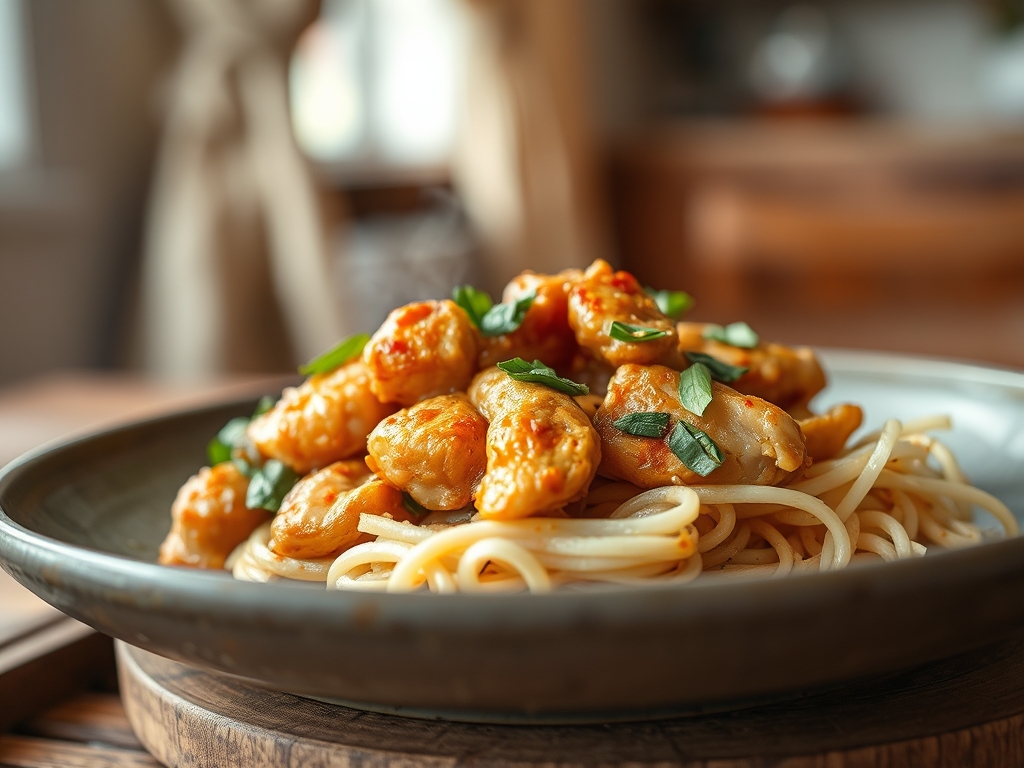
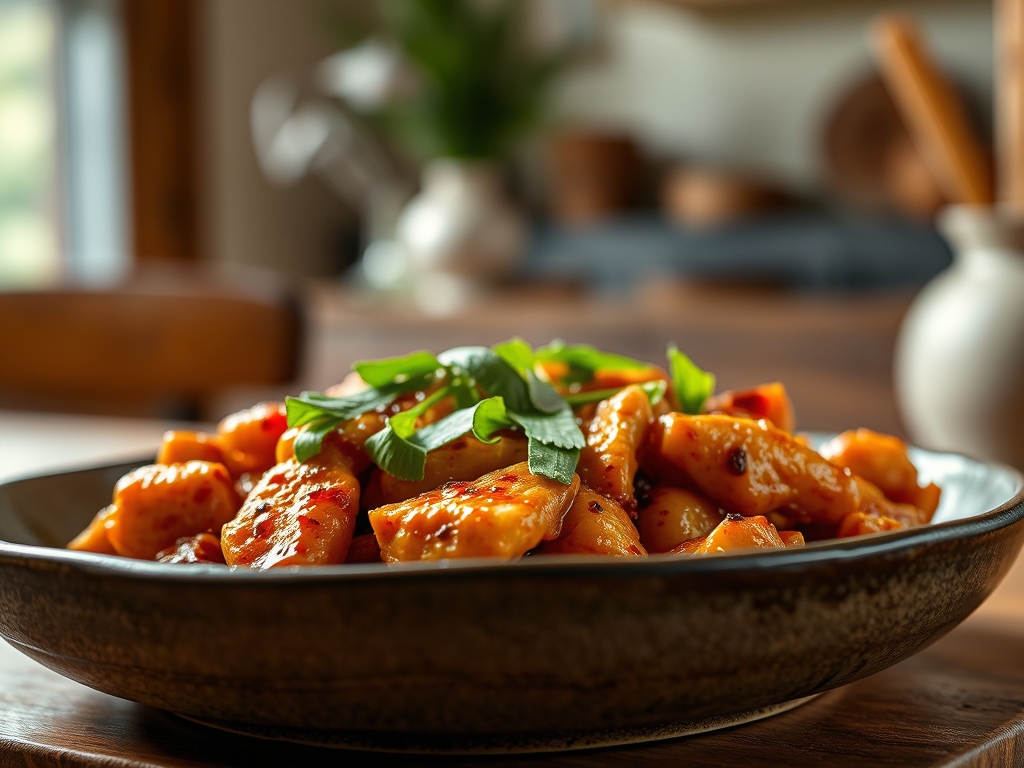
Listen to the sound of the carbon steel screaming. If your kitchen does not smell like a localized atmospheric disturbance of capsaicin and toasted aromatics, you are not cooking; you are merely warming things up. Kung Pao Chicken is the gold standard of Szechuan culinary engineering. It is a high-velocity collision of textures where the velvet-smooth tenderness of poultry meets the aggressive, jagged crunch of fried peanuts. We are not looking for a soggy stir-fry here. We are looking for a precise emulsion of black vinegar, soy, and sugar that clings to the protein like a glossy, piquant second skin. This dish is a masterclass in the Maillard reaction and the strategic suspension of starches. When executed with professional-grade intensity, the dried chilies should be toasted to the edge of combustion, releasing their essential oils into the fat to create a baseline of numbing, smoky heat. This is more than a meal; it is a technical audit of your ability to manage high-heat thermodynamics and flavor balancing in real-time.
THE DATA MATRIX
| Metric | Specification |
|---|---|
| Prep Time | 25 mins |
| Execution Time | 8 mins |
| Yield | 4 Servings |
| Complexity (1-10) | 7 |
| Estimated Cost per Serving | $4.50 USD |
THE GATHERS
Ingredient Protocol:
- Protein Base: 600g / 1.3 lbs Boneless skinless chicken thighs, cubed into 2cm units.
- The Velvetizer: 15ml / 1 tbsp Shaoxing wine; 10ml / 2 tsp Light soy sauce; 10g / 1.5 tbsp Cornstarch.
- The Aromatics: 30g / 2 tbsp Fresh ginger, minced; 30g / 2 tbsp Garlic, sliced thin; 60g / 4 stalks Scallions, white parts only.
- The Heat: 15g / 0.5 oz Dried Szechuan chilies, deseeded; 5g / 1 tsp Szechuan peppercorns.
- The Crunch: 75g / 0.5 cup Roasted unsalted peanuts.
- The Sauce Matrix: 30ml / 2 tbsp Chinkiang black vinegar; 15ml / 1 tbsp Dark soy sauce; 15g / 1 tbsp Granulated sugar; 5ml / 1 tsp Sesame oil; 5g / 1 tsp Cornstarch.
Section A: Ingredient Quality Audit:
If your dried chilies are brittle and grey, they have lost their volatile oils; toast them briefly in a dry pan to resuscitate what remains or replace them entirely. Sub-par "supermarket" soy sauce often lacks the amino acid depth required for a proper glaze; always opt for naturally brewed varieties to ensure a complex umami profile. If your ginger is fibrous and woody, grate it and squeeze the juice into the marinade instead of using the pulp. This ensures the flavor infuses the meat without leaving a gritty residue in the final sauce.
THE MASTERCLASS
Step 1: The Velveting Protocol
Combine the cubed chicken with the Shaoxing wine, light soy sauce, and cornstarch in a stainless steel mixing bowl. Use your hands to massage the mixture until the liquid is fully absorbed and the protein feels tacky.
Pro Tip: This process, known as velveting, creates a starch barrier that protects the protein fibers from the intense heat of the wok. Use a digital scale to ensure the starch-to-liquid ratio is exact; too much starch results in a gummy exterior, while too little leads to dry, overcooked poultry.
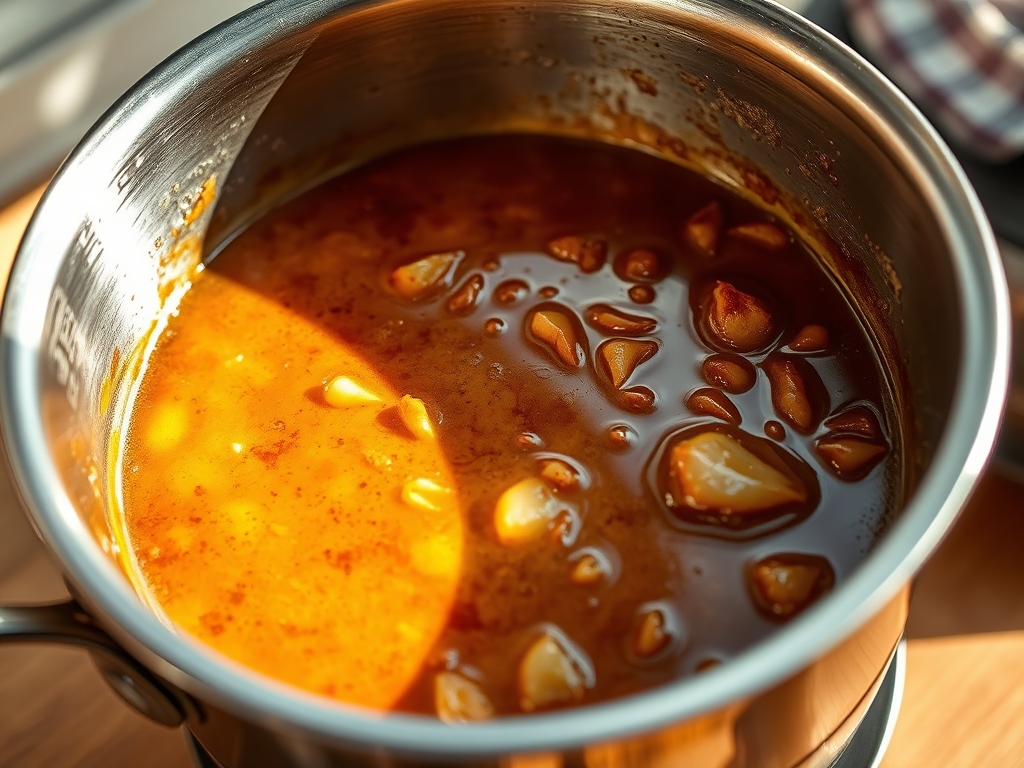
Step 2: The Sauce Emulsion
In a small saucier or glass bowl, whisk together the black vinegar, dark soy sauce, sugar, sesame oil, and the remaining cornstarch. Ensure there are no clumps.
Pro Tip: Pre-mixing the sauce is critical for high-heat cooking. The sugar must be fully dissolved to ensure it carmelizes evenly when it hits the hot metal. A small silicone whisk is the ideal tool to keep the starch suspended until the moment of deployment.
Step 3: The Wok Tempering
Heat 45ml of neutral oil in a carbon steel wok until it reaches the smoke point. Add the dried chilies and Szechuan peppercorns, tossing rapidly for 15 seconds until the chilies darken to a deep maroon.
Pro Tip: You are looking to infuse the oil with capsaicin and hydroxy-alpha-sanshool. If the chilies turn black, you have scorched the oil; discard and restart. Use a long-handled wok spatula to maintain distance from the rising spicy vapors.
Step 4: Protein Searing
Add the chicken to the wok in a single layer. Let it sit undisturbed for 60 seconds to develop a golden crust before tossing. Stir-fry until the chicken is 80 percent cooked through.
Pro Tip: Do not overcrowd the pan. If your heat source is weak, cook the chicken in two batches. Overcrowding drops the surface temperature, causing the chicken to steam in its own juices rather than sear, ruining the viscous potential of the glaze.
Step 5: Aromatic Integration and Glazing
Push the chicken to the sides of the wok and add the ginger, garlic, and scallions to the center. Sauté for 30 seconds until fragrant, then pour the sauce matrix over the ingredients. Toss violently until the sauce thickens and coats every piece of chicken. Fold in the peanuts at the very last second.
Pro Tip: Use a bench scraper to keep your workstation clear of prep debris so you can focus entirely on the wok. The peanuts are added at the end to preserve their cellular structure and prevent them from absorbing moisture and becoming soft.
Section B: Prep & Timing Fault-Lines:
The most common failure in Kung Pao execution is "The Stall." This occurs when the chef stops to find an ingredient while the wok is at 400 degrees Fahrenheit. If you do not have your mise en place perfectly organized, the garlic will burn before the sauce hits the pan. Use a digital timer to track your sear times; consistency is the hallmark of a professional kitchen audit.
THE VISUAL SPECTRUM
Section C: Thermal & Visual Troubleshooting:
Referencing the Masterclass photo, the ideal Kung Pao Chicken exhibits a deep, mahogany sheen rather than a pale brown tint. If your dish looks dull, you likely omitted the dark soy sauce or failed to let the sugar carmelize. If the sauce is "breaking" or looks oily, the starch was not properly hydrated or the heat was too low to trigger gelatinization. The scallions should remain vibrant green; if they are olive-drab, they were added too early and have undergone thermal degradation.
THE DEEP DIVE
Macro Nutrition Profile:
A standard serving contains approximately 420 calories, 35g of protein, 18g of carbohydrates, and 24g of fats. The majority of the fat content is heart-healthy monounsaturated fat from the peanuts and stir-fry oil.
Dietary Swaps:
- Vegan: Replace chicken with extra-firm pressed tofu or seitan chunks.
- Keto: Substitute the sugar with erythritol and the cornstarch with a pinch of xanthan gum (use sparingly to avoid a slimy texture).
- GF: Ensure the soy sauce is replaced with Tamari and the Shaoxing wine with dry sherry.
Meal Prep & Reheating Science:
To maintain the molecular structure when reheating, avoid the microwave. The electromagnetic waves will turn the chicken rubbery. Instead, deglaze a pan with a tablespoon of water, add the leftovers, and cover with a lid for 2 minutes to steam-heat the protein without drying out the starch-based glaze.
THE KITCHEN TABLE
Why is my chicken tough?
You likely skipped the velveting step or overcooked the breast meat. Thigh meat is more forgiving due to higher fat content. Always slice against the grain to shorten muscle fibers for a more tender mouthfeel.
Can I use pre-roasted peanuts?
Yes, but ensure they are unsalted. If you only have salted peanuts, rinse them and pat them dry before adding them to the wok. This prevents the sodium levels in the sauce from becoming chemically aggressive.
What if I can't find Chinkiang vinegar?
A mix of balsamic vinegar and a splash of red wine vinegar can mimic the acidity and maltiness. However, the flavor profile will lack the traditional fermented grain notes essential for an authentic Szechuan audit.
How do I control the heat level?
The heat lives in the chili seeds. For a milder dish, snip the chilies open and shake out every seed before frying. The skin provides the smoky aroma, while the seeds provide the fire.