Welcome to the high stakes theater of bitter greens. If you are here, you have likely suffered through a plate of limp, swampy stalks or, worse, a mouthful of acrid vegetation that tasted like a copper pipe. We are putting an end to that mediocrity today. Sautéed Broccoli Rabe is not just a side dish; it is a structural engineering challenge involving the management of glucosinolates and the strategic application of thermal energy. We are aiming for a sensory profile that hits the trifecta: the aggressive, peppery bite of the rabe, the mellowed sweetness of garlic cloves that have undergone a controlled Maillard reaction, and the silky mouthfeel of a high quality lipid emulsion. This is where the piquant meets the profound. We are not just cooking; we are performing a technical audit of flavor. Prepare to transform a bunch of unruly, jagged leaves into a sophisticated, vibrant masterpiece that commands respect on any plate it touches. Strap in; we are optimizing your culinary infrastructure.
THE DATA MATRIX
| Metric | Specification |
|---|---|
| Prep Time | 10 Minutes |
| Execution Time | 12 Minutes |
| Yield | 4 Servings |
| Complexity | 4 / 10 |
| Estimated Cost per Serving | $1.75 USD |
THE GATHERS
Ingredient Protocol:
- 2 Large Bunches Broccoli Rabe (approx. 900g / 2 lbs)
- 60ml / 4 tbsp Extra Virgin Olive Oil
- 6 Large Garlic Cloves (approx. 30g / 1 oz), thinly sliced
- 2g / 1 tsp Red Pepper Flakes
- 5g / 1 tsp Diamond Crystal Kosher Salt
- 120ml / 0.5 cup Low Sodium Chicken Stock or Vegetable Broth
- 1 Lemon (for zest and 15ml / 1 tbsp juice)
- 30g / 0.25 cup Shaved Pecorino Romano (Optional)
Section A: Ingredient Quality Audit:
The primary failure point in Sautéed Broccoli Rabe is the raw material itself. If your rabe arrives with yellowing leaves or thick, woody stems that feel like structural timber, your dish is compromised before the burner is lit. Technical Fix: If the stems are overly fibrous, use a vegetable peeler to shave down the bottom two inches of the stalk. This exposes the tender core and ensures even cooking rates between the leaves and the base. If the greens look dehydrated, submerge them in an ice water bath for fifteen minutes to restore turgor pressure at a cellular level. Furthermore, check your olive oil. If it smells like crayons, it is oxidized. Use a fresh, high polyphenol oil to complement the natural bitterness rather than adding a rancid metallic note.
THE MASTERCLASS
1. The Precision Breakdown
Separate the rabe into manageable three inch segments. Use a sharp chef knife or a dedicated bench scraper to organize your piles by density. Keep the thicker stem bases separate from the delicate florets and leafy tops. Wash the greens thoroughly but do not spin them completely dry; a small amount of residual moisture is essential for the initial steam phase.
Pro Tip: By keeping the stems and leaves separate, you can stagger their entry into the pan. This prevents the leaves from turning into a gray mush while the stems remain raw and crunchy.
2. The Garlic Infusion
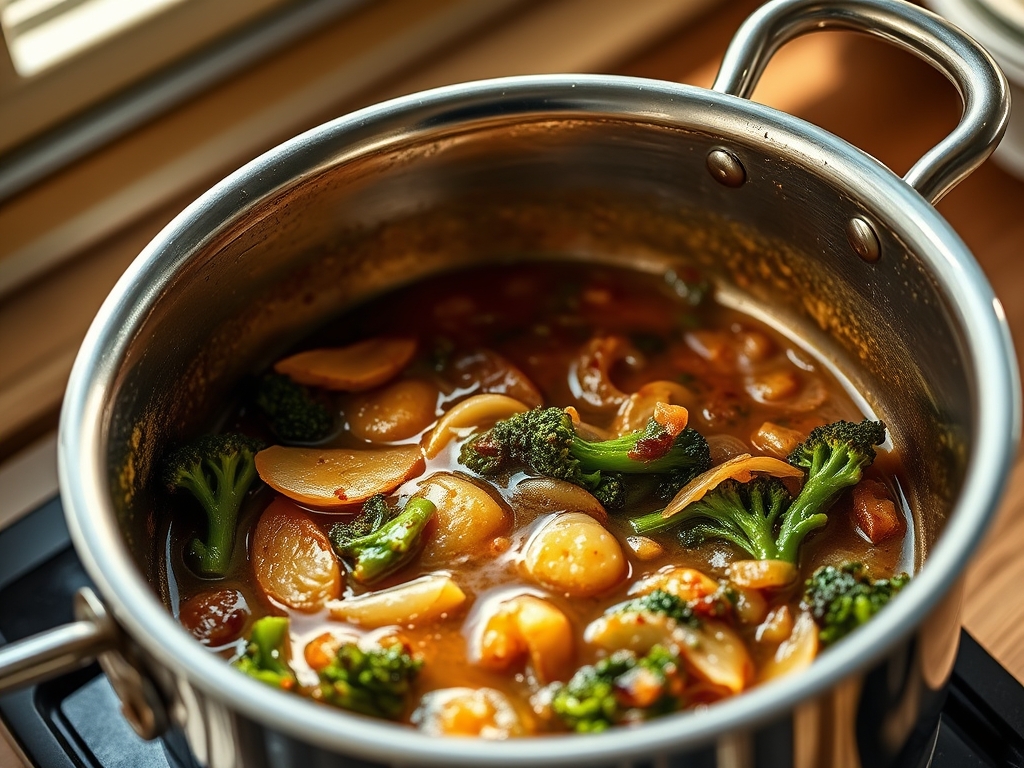
Place your saucier or a heavy bottomed stainless steel skillet over medium low heat. Add the olive oil and the sliced garlic. You are not looking to sear here; you are looking to infuse. Cook the garlic until it is pale gold and fragrant. Add the red pepper flakes in the final thirty seconds to bloom their fat soluble capsaicin.
Pro Tip: Cold start your garlic in the oil. This gradual temperature increase allows the sulfurous compounds to mellow without burning, creating a sweet, nutty base rather than a bitter one.
3. Thermal Shock and Wilting
Increase the heat to medium high. Add the stem segments first, tossing them in the infused oil for sixty seconds. Follow with the leaves and florets. Use tongs to turn the greens constantly, ensuring every leaf is coated in the lipid phase. The residual water on the leaves will begin to turn into steam, softening the cellulose.
Pro Tip: Use a digital scale to measure your salt precisely. Salt does more than season; it breaks down the pectin in the cell walls, allowing the rabe to soften quickly while retaining its structural integrity.
4. The Deglaze and Emulsion
Pour in the stock. The liquid will immediately boil, creating a vigorous steam environment. Cover the pan with a tight fitting lid for two minutes. Remove the lid and continue to cook over high heat, stirring constantly until the liquid has reduced by 75 percent. This creates a viscous glaze that clings to the greens.
Pro Tip: This is a localized emulsion. The combination of the reduced stock, the olive oil, and the released starches from the rabe creates a sauce that coats the palate, buffering the bitterness of the greens.
5. The Acidic Finish
Remove the pan from the heat. Grate fresh lemon zest over the top and squeeze in the juice. Toss one final time to distribute the acidity. The brightness of the lemon acts as a chemical foil to the heavy minerals and bitter notes of the rabe.
Pro Tip: Never add lemon juice while the pan is over high heat. High heat can cause the citric acid to take on a harsh, cooked flavor. Off heat application preserves the volatile aromatic oils in the zest.
Section B: Prep & Timing Fault-Lines:
The most common human error is the "Dump and Pray" method, where all ingredients are added simultaneously. This leads to burnt garlic and raw stems. Another critical fault is temperature mismanagement. If the pan is too cold when the stock is added, the rabe will boil rather than sauté, resulting in a dull, olive drab color. Technical Fix: Use an infrared thermometer to ensure your pan surface is at least 375 degrees Fahrenheit before the greens hit the metal. This ensures immediate steam generation and enzyme deactivation, which locks in that brilliant chlorophyll green.
THE VISUAL SPECTRUM
Section C: Thermal & Visual Troubleshooting:
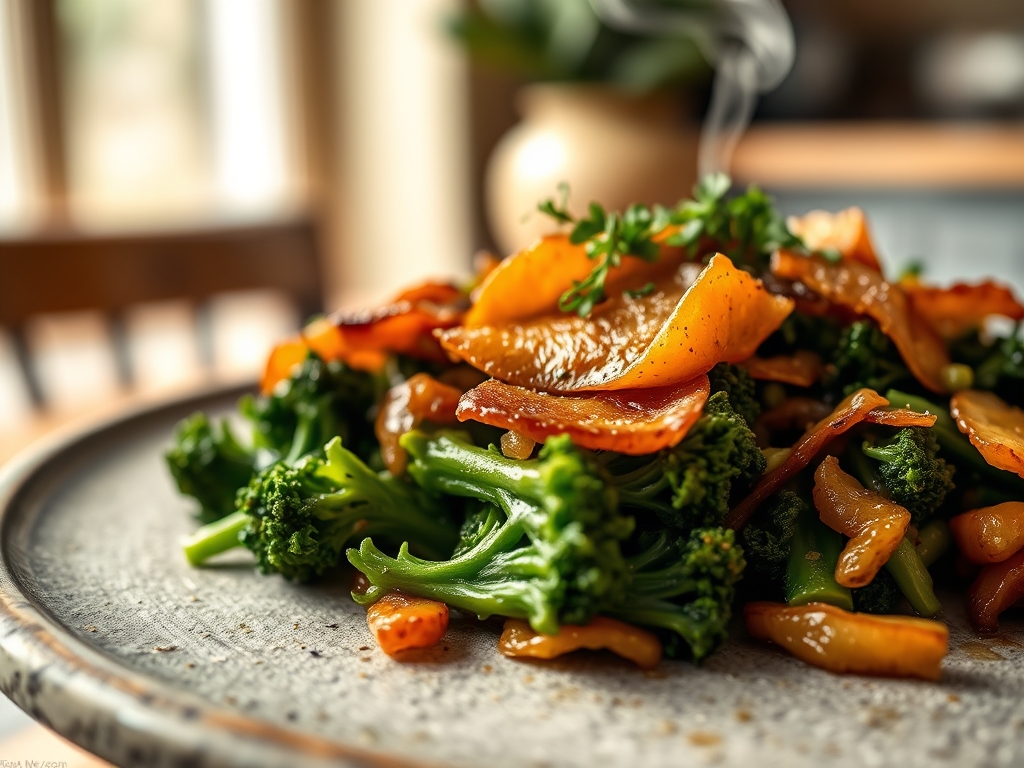
Referencing the Masterclass photo, your final product should exhibit a vibrant, "electric" green hue with visible charred edges on some of the leaves. If your dish looks gray, you have overcooked it or failed to use enough salt to stabilize the chlorophyll. If the garlic is dark brown or black, your heat was too high during the infusion stage; discard and restart, as burnt garlic is chemically irreversible. If there is a puddle of watery liquid at the bottom of the plate, you failed to render the stock down into a glaze. The visual cue for success is a glistening, oily sheen on the leaves with no standing water.
THE DEEP DIVE
Macro Nutrition Profile:
A standard serving of Sautéed Broccoli Rabe is a nutritional powerhouse. It provides approximately 120 calories, primarily from the healthy monounsaturated fats in the olive oil. It is exceptionally high in Vitamin K, Vitamin A, and Vitamin C. With only 4g of net carbs and 3g of fiber per serving, it is an elite choice for metabolic health.
Dietary Swaps:
- Vegan: Ensure the use of vegetable broth and omit the Pecorino Romano; substitute with nutritional yeast for a similar umami profile.
- Keto: This dish is inherently keto friendly. Increase the olive oil ratio for higher fat macros.
- GF: Naturally gluten free; ensure your stock is certified.
Meal Prep & Reheating Science:
To maintain molecular structure during reheating, avoid the microwave. The localized agitation of water molecules will turn the rabe into a soggy mess. Instead, flash heat the rabe in a dry skillet over high heat for ninety seconds. This evaporates any migrated moisture and re-activates the fats.
THE KITCHEN TABLE
Why is my broccoli rabe still so bitter?
Bitterness is often a result of skipping the blanching step for particularly aggressive bunches. If you are sensitive to bitter compounds, par-boil the rabe in salted water for two minutes before sautéing to leach out excess glucosinolates.
Can I use bottled lemon juice?
Avoid it at all costs. Bottled juice lacks the bright, volatile terpenes found in fresh citrus. The enzymatic activity in fresh juice is required to properly balance the heavy mineral notes of the sautéed greens.
What is the best pan for this audit?
A wide stainless steel skillet or a cast iron pan is ideal. These materials offer high thermal mass, which prevents the temperature from dropping when you add the cold greens, ensuring a proper sear rather than a steam.
How do I store leftovers without them getting slimy?
Cool the rabe completely on a flat sheet tray before transferring to an airtight container. This prevents residual steam from condensing inside the container, which is the primary cause of texture degradation during refrigeration.