Listen up, kitchen architects; we are not merely simmering meat today. We are conducting a high-stakes structural overhaul of connective tissue. When you commit to Beef Oxtail Braising, you are engaging in a long-form chemical negotiation with collagen. The goal is a transformation from a rigid, skeletal anchor into a viscous, lip-smacking lacquer that coats the palate like liquid velvet. This is the heavy industry of the culinary world. You start with stubborn, boney segments and end with a fork-tender masterpiece that defies the laws of physics. The air in your kitchen will thicken with the scent of rendered fat and piquant aromatics as the Maillard reaction works its dark magic on the surface of the meat. If you are looking for a quick fix, go boil an egg. If you are looking to build a monument to deep flavor and gelatinous integrity, grab your heaviest Dutch oven. We are about to turn basic anatomy into a masterclass of structural gastronomy.
THE DATA MATRIX
| Metric | Specification |
|---|---|
| Prep Time | 45 Minutes |
| Execution Time | 4 to 6 Hours |
| Yield | 6 Servings |
| Complexity | 7/10 |
| Estimated Cost per Serving | $8.50 – $12.00 |
THE GATHERS
Ingredient Protocol:
- 2.25 kg / 5 lbs Beef Oxtails (trimmed of excess exterior fat)
- 30 ml / 2 tbsp High-smoke point oil (Grapeseed or Avocado)
- 450 g / 3 cups Yellow onions (small dice)
- 250 g / 1.5 cups Carrots (peeled and sliced into rounds)
- 150 g / 1 cup Celery (finely diced)
- 45 g / 6 cloves Garlic (smashed and minced)
- 30 g / 2 tbsp Tomato paste (double concentrated)
- 500 ml / 2 cups Dry red wine (Cabernet or Merlot)
- 1.5 L / 6 cups Beef bone broth (low sodium)
- 15 g / 1 tbsp Kosher salt
- 5 g / 1 tsp Black peppercorns (whole)
- 3 sprigs Fresh Thyme
- 2 leaves Dried Bay
Section A: Ingredient Quality Audit:
If your oxtails look pale or lack significant marbling, you are starting with a deficit. Sub-par meat often results in a thin, watery sauce rather than a viscous glaze. To fix this, increase your reduction time by 20% or add a small amount of unflavored gelatin to your broth to mimic the mouthfeel of high-quality collagen. If your aromatics are wilted, do not toss them; instead, aerate them in cold water for ten minutes to restore turgidity before dicing. If your wine is too acidic, balance the final braise with a pinch of brown sugar to counteract the sharp edges.
THE MASTERCLASS
Step-by-Step Execution:
1. The Surface Sear
Pat the oxtails completely dry using lint-free towels. Season aggressively with salt. Heat your oil in a heavy-bottomed saucier or Dutch oven until it reaches the shimmering point. Sear the meat in batches, ensuring every square millimeter of the surface achieves a deep, mahogany crust.
Pro Tip: This is the Maillard reaction in action. If you overcrowd the pan, the temperature drops and the meat steams instead of searing. Use a digital scale to ensure even portions and prevent thermal crashes in your vessel.
2. The Aromatic Foundation
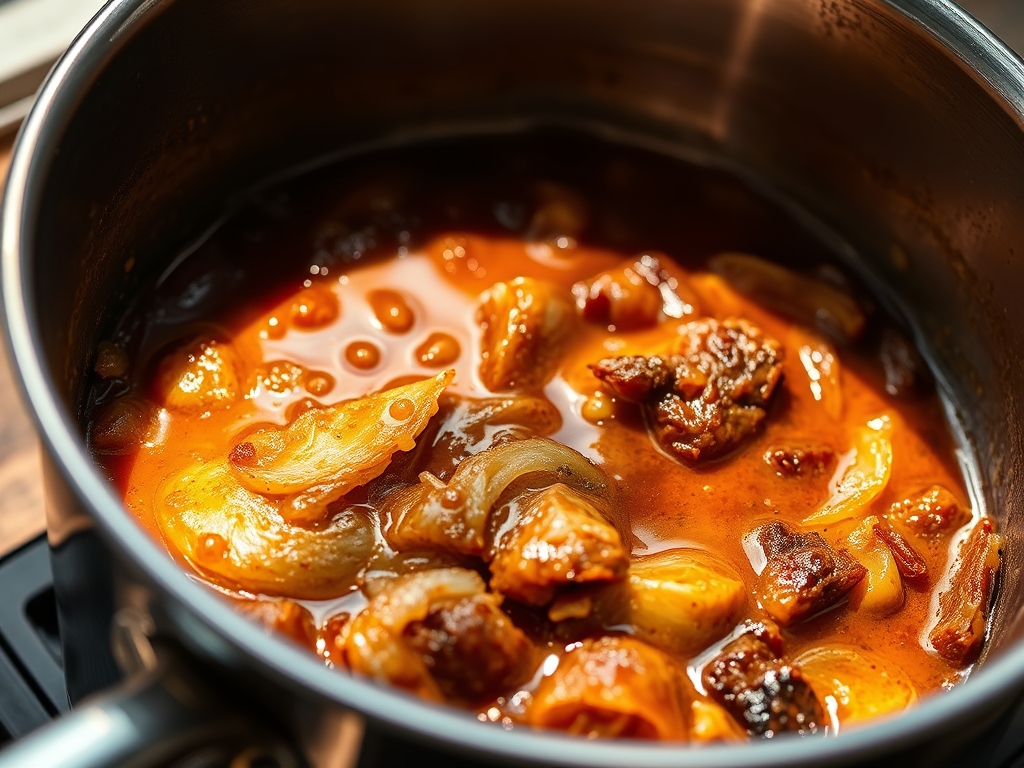
Remove the meat and set it aside on a bench scraper cleaned surface or tray. Reduce heat to medium and add the onions, carrots, and celery. Cook until the onions are translucent and the edges begin to caramelize. Add the garlic and tomato paste, stirring constantly for two minutes until the paste turns a rusty brick color.
Pro Tip: The tomato paste acts as a bridge between the fat and the liquid. Cooking it out removes the metallic "tinny" taste and deepens the umami profile through caramelization.
3. The Deglaze and Integration
Pour in the red wine. Use a wooden spoon to scrape every bit of the browned "fond" from the bottom of the pot. This is concentrated flavor gold. Let the wine reduce by half to cook off the harsh ethanol bite. Return the oxtails to the pot along with any accumulated juices.
Pro Tip: Deglazing is a solvent-based extraction of flavor. The alcohol and acidity in the wine dissolve the proteins stuck to the pan, integrating them back into the sauce for a more complex profile.
4. The Long Immersion
Pour in the beef bone broth until the oxtails are three-quarters submerged. Add the thyme, bay leaves, and peppercorns. Bring to a bare simmer, then cover with a tight-fitting lid. Transfer to a preheated oven at 150C / 300F for 3 to 4 hours.
Pro Tip: Low and slow is the only way to render the tough intramuscular collagen into soft gelatin. High heat will seize the muscle fibers, resulting in dry, stringy meat despite being submerged in liquid.
5. The Final Reduction
Once the meat is falling off the bone, carefully remove the oxtails. Strain the liquid through a fine-mesh sieve into a clean saucepan. Skim the excess fat from the surface. Boil the liquid until it reduces into a thick, glossy sauce that coats the back of a spoon.
Pro Tip: Use a fat separator or a chilled ladle to remove the oil. If the sauce is too thin, it has not reached the necessary gelatin concentration. Continue to infuse heat until the texture is silky.
Section B: Prep & Timing Fault-Lines:
The most common human error is impatience. If you pull the meat too early, the collagen remains rubbery. Use a thermometer to check for an internal temperature of 95C / 203F; this is the sweet spot where fibers collapse. If your oven fluctuates, use a secondary internal oven thermometer to verify the ambient temp. If the liquid evaporates too quickly, your lid seal is compromised; place a layer of parchment paper between the pot and the lid to create a "cartouche" seal.
THE VISUAL SPECTRUM
Section C: Thermal & Visual Troubleshooting:
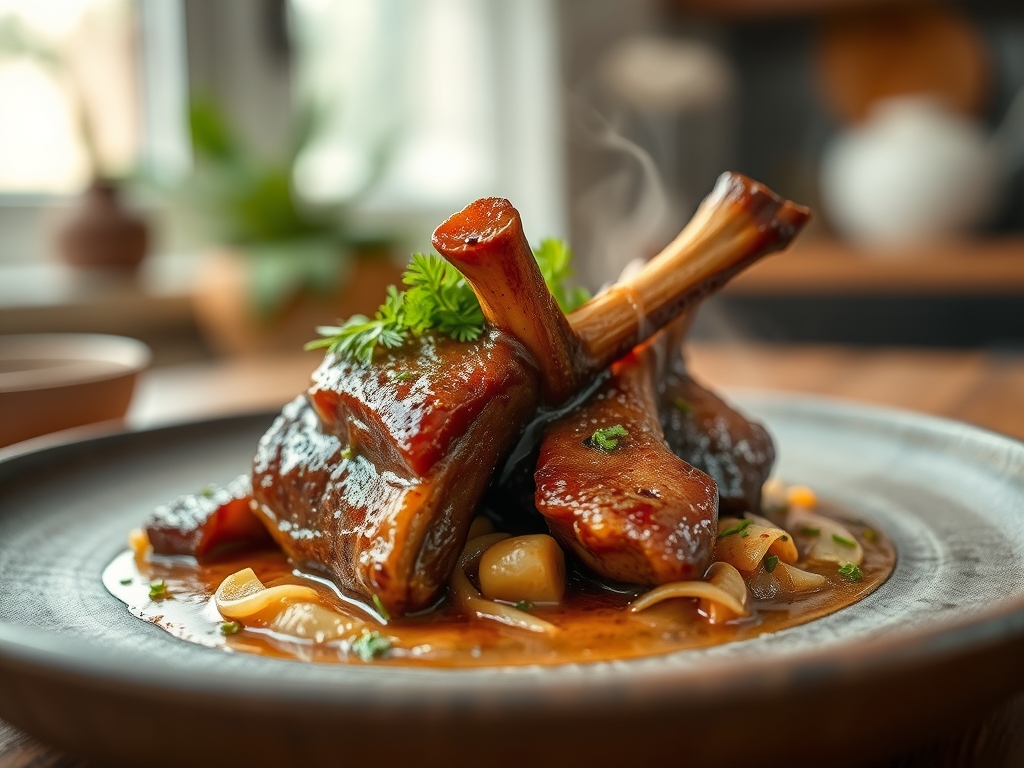
Referencing the Masterclass photo, your final product should exhibit a deep, uniform chocolate-brown hue. If your oxtails look gray, your initial sear was insufficient. You can fix this by glazing the finished pieces under a broiler for 2 minutes before serving. If the sauce looks broken or oily, the emulsion has failed. Vigorously whisk in a cold knob of butter or a teaspoon of mustard to re-emulsify the fats. If the carrots have disintegrated, you likely cut them too small; next time, aim for 2cm rounds to maintain structural integrity throughout the long braise.
THE DEEP DIVE
Macro Nutrition Profile:
Beef oxtail is a high-protein, high-fat cut. A standard serving contains approximately 35g of protein and 25g of fat. It is exceptionally high in Type 1 collagen, which is essential for joint health and skin elasticity.
Dietary Swaps:
- Vegan: This is a structural challenge. Substitute oxtail with large chunks of Lion's Mane mushrooms or King Oyster mushroom stalks. Use mushroom broth and a dash of soy sauce for umami.
- Keto: This recipe is naturally keto-friendly. Ensure the wine is bone-dry and avoid adding flour-based thickeners.
- GF: The recipe is naturally gluten-free; just verify that your beef broth does not contain hidden yeast extracts or malt.
Meal Prep & Reheating Science:
Oxtail actually improves after 24 hours in the fridge. As it cools, the gelatin sets into a firm jelly, further tenderizing the meat. When reheating, do so slowly over low heat. Adding a splash of water or broth helps to aerate the sauce and prevents it from becoming too salty as it reduces further.
THE KITCHEN TABLE
Why is my sauce bitter?
You likely scorched the tomato paste or the garlic. Next time, keep the aromatics moving. To fix a bitter sauce now, add a tiny pinch of sugar or a splash of balsamic vinegar to balance the pH.
Can I use a slow cooker?
Yes, but you must sear the meat in a pan first. Slow cookers do not reach the temperatures required for the Maillard reaction. Set it to "Low" for 8 hours for the best collagen breakdown.
How do I get that professional shine?
The secret is the final reduction and a "monte au beurre." Whisking in cold butter at the very end creates a microscopic fat emulsion that reflects light, giving you that mirror-like finish seen in high-end bistros.
Is the bone marrow supposed to fall out?
Absolutely. The marrow dissolves into the braising liquid, adding incredible depth and richness. If you see empty holes in the center of the bones, you have successfully extracted all the structural flavor possible.