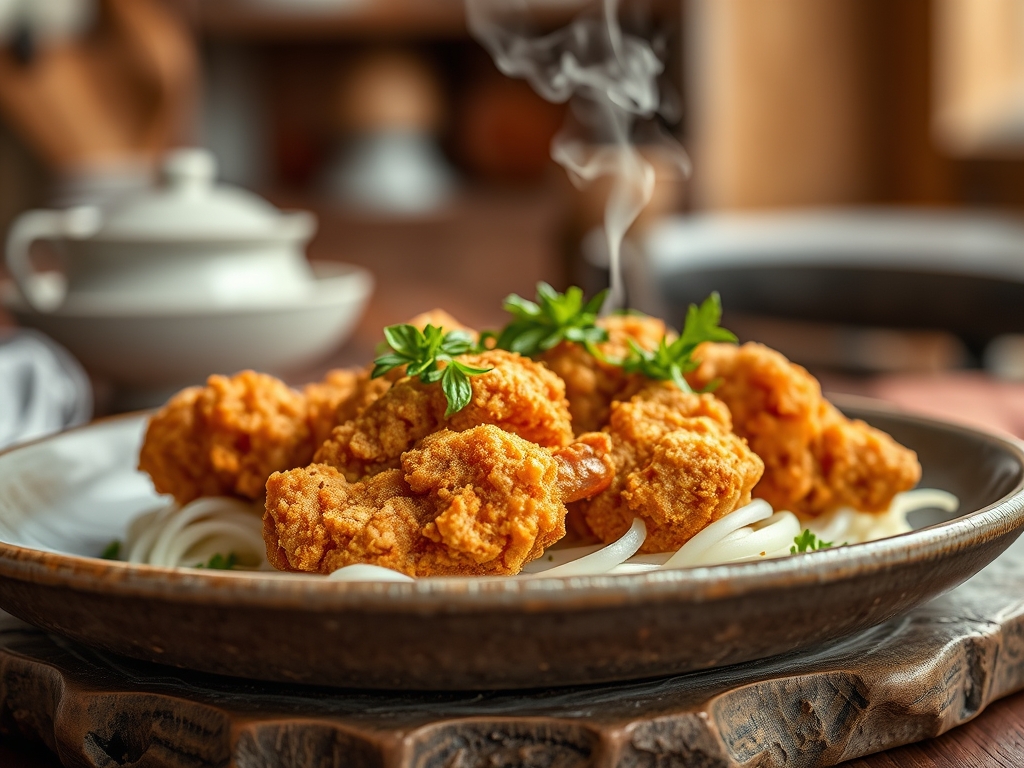
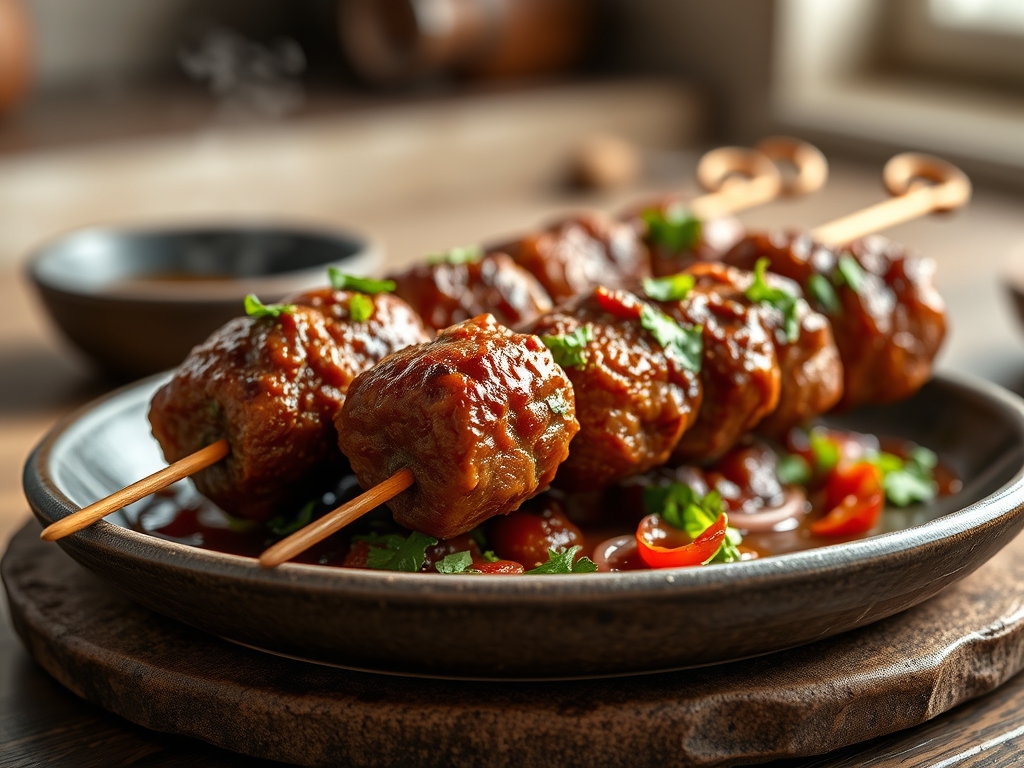
Listen up. We are not just making dinner; we are engineering a structural masterpiece of protein and fat. The Beef Kofta Skewers represent the pinnacle of mechanical binding in the culinary world. It is a high stakes game where the objective is to transform coarse ground muscle into a succulent, springy, and aromatic cylinder that defies gravity on a metal spike. When that cold fat hits the searing heat of the grill, we are looking for a violent Maillard reaction that creates a crust deep enough to seal in every drop of piquant juice. If your meat is falling into the coals, your protein matrix has failed. If it is dry, your fat emulsification was non-existent. We are here to audit your process from the cellular level up to the final charred surface. Forget the limp, uninspired patties of your past. We are building a flavor profile that is aggressive, herbaceous, and technically sound. Strap in, grab your digital scale, and prepare to execute a recipe that demands precision and rewards you with total sensory dominance.
THE DATA MATRIX
| Metric | Specification |
|---|---|
| Prep Time | 30 Minutes |
| Execution Time | 15 Minutes |
| Yield | 6 Servings (12 Skewers) |
| Complexity | 6 / 10 |
| Estimated Cost per Serving | $3.50 – $4.50 |
THE GATHERS
Ingredient Protocol:
- 900g / 2 lbs Ground Beef (80/20 lean-to-fat ratio)
- 150g / 1 large Yellow Onion, grated and drained
- 30g / 1/2 cup Fresh Parsley, finely minced
- 15g / 4 cloves Garlic, microplaned into a paste
- 10ml / 2 tsp Ground Cumin
- 10ml / 2 tsp Ground Coriander
- 5ml / 1 tsp Smoked Paprika
- 2.5ml / 1/2 tsp Cayenne Pepper
- 15ml / 1 tbsp Kosher Salt
- 5ml / 1 tsp Freshly Cracked Black Pepper
- 30ml / 2 tbsp Ice Cold Water (The secret binder)
Section A: Ingredient Quality Audit:
The primary failure point in Beef Kofta Skewers is moisture management. If your onions are too watery, the viscous nature of the meat mix breaks down, leading to a structural collapse. Technical Fix: After grating your onions, place them in a fine mesh strainer and use a bench scraper to press out every drop of excess liquid. If your beef is too lean (90/10 or higher), the skewers will be tough and dry. Technical Fix: If forced to use lean beef, incorporate 30g of chilled, grated suet or butter to ensure the fat can render properly during the cook. Finally, ensure your spices are fresh. If they lack a pungent aroma, toast them in a dry saucier for 60 seconds to awaken the essential oils before mixing.
THE MASTERCLASS
1. The Protein Extraction Phase
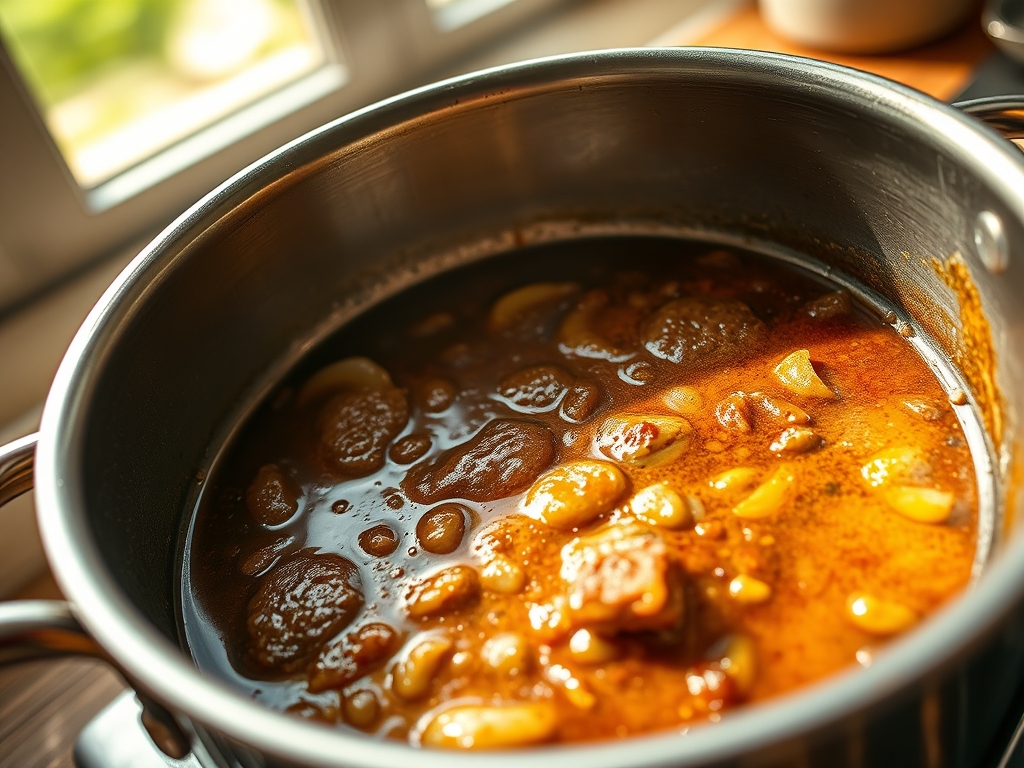
Place your chilled ground beef into a large stainless steel bowl. Add the salt and the ice-cold water. Use your hands or a stand mixer with a paddle attachment to vigorously mix the meat for 3 minutes. You are looking for the meat to become tacky and pale.
Pro Tip: This process is called primary binding. The salt and mechanical action dissolve myosin proteins, creating a "glue" that holds the skewer together without the need for breadcrumbs. Use a digital scale to ensure your salt ratio is exactly 1.5% of the meat weight for optimal extraction.
2. Infusing the Aromatic Profile
Incorporate the squeezed onions, garlic paste, parsley, and the dry spice matrix. Fold these into the meat until the distribution is perfectly homogenous. Do not overwork the meat at this stage; you want to maintain some texture while ensuring the flavors infuse every fiber.
Pro Tip: Use a microplane for the garlic to create a cellular-level paste. Large chunks of garlic create structural weak points and can taste bitter if they char unevenly on the exterior of the beef.
3. The Cold Cure
Cover the mixture and refrigerate for at least one hour. This allows the fat to re-solidify and the flavors to marry. Cold fat is easier to mold and stays "trapped" within the protein matrix longer once the cooking process begins.
Pro Tip: Use an infrared thermometer to verify the meat is below 4 degrees Celsius (40 F) before shaping. If the fat begins to melt from the heat of your hands, the emulsion will "break," resulting in a grainy, dry texture.
4. Precision Shaping
Divide the meat into 75g portions. Mold each portion into a long cylinder around a wide metal skewer. Press firmly to remove any air pockets. The surface should be smooth but with the characteristic indentations of your fingers to catch the heat.
Pro Tip: Wide, flat metal skewers are superior to round wooden ones. The flat surface prevents the meat from spinning, and the metal conducts heat to the center of the kofta, ensuring the interior reaches safety temperatures without overcooking the exterior.
5. The Thermal Execution
Preheat your grill or cast iron griddle to high heat. Lightly oil the grates. Place the skewers down and do not move them for 3 minutes to allow the Maillard reaction to form a crust. Rotate 90 degrees and repeat until all sides are charred and the internal temperature hits 71 degrees Celsius (160 F).
Pro Tip: Use a digital instant-read thermometer to pull the meat exactly at the target temp. Because these are ground beef, safety is paramount, but every degree over 160 F results in exponential moisture loss.
Section B: Prep & Timing Fault-Lines:
Timing is the silent killer of the perfect skewer. If you shape the meat while it is at room temperature, the fat will smear rather than stay in discrete particles. This leads to a "rubbery" texture. Always shape the meat directly from the fridge. Furthermore, if you salt the meat too early (more than 12 hours before cooking), the texture can become overly dense, similar to a hot dog. For the ideal balance of "tender but firm," salt the meat no more than 4 hours before the fire hits the beef.
THE VISUAL SPECTRUM
Section C: Thermal & Visual Troubleshooting:
Referencing the Masterclass photo, your Beef Kofta Skewers should exhibit a deep, mahogany crust with localized "blackened" highlights from the direct flame. If your skewers look grey or steamed, your heat source is insufficient or your meat surface was too wet. Technical Fix: Pat the exterior of the shaped skewers with a paper towel before grilling to ensure immediate browning. If the meat is pulling away from the skewer, your "primary bind" was weak. Technical Fix: Increase the mixing time in step one to aerate and develop more myosin. If the parsley looks brown and dead rather than vibrant green, it was likely chopped with a dull knife, bruising the leaves. Use a razor-sharp chef knife to achieve clean cuts that survive the heat.
THE DEEP DIVE
Macro Nutrition Profile:
A standard serving (two skewers) provides approximately 32g of Protein, 22g of Fat, and 4g of Carbohydrates. The high fat content is essential for the mouthfeel, but it can be mitigated by using a 90/10 blend supplemented with 50g of Greek yogurt in the mix to maintain moisture via lactic acid.
Dietary Swaps:
- Vegan: Utilize a high-quality pea-protein crumble. You must add 5g of methylcellulose to the mix to replicate the binding properties of animal myosin.
- Keto: This recipe is naturally Keto-compliant. Serve with a tahini-lemon dressing instead of pita.
- GF: Naturally gluten-free. Ensure your spice blends do not contain anti-caking agents derived from wheat.
Meal Prep & Reheating Science:
To maintain the molecular structure when reheating, avoid the microwave. The rapid agitation of water molecules will toughen the protein fibers. Instead, use a low-temperature oven (150 C / 300 F) with a splash of beef bone broth in the pan to create a steam-saturated environment that prevents the fat from leaching out.
THE KITCHEN TABLE
Why does my meat fall off the skewer?
This is a failure of the protein matrix. You likely skipped the "primary bind" mixing phase or your meat was too warm. Ensure the beef is ice-cold and mixed until tacky before shaping.
Can I use wooden skewers?
Yes, but they must be soaked in water for 30 minutes. However, they lack the internal heat conduction of metal, which means the outside may overcook before the center is safe to eat.
What is the best way to get a "springy" texture?
The "spring" comes from dissolved myosin. Adding a tiny pinch of baking soda (1/4 tsp per pound) can also raise the pH, helping the meat retain more moisture and creating a firmer "snap."
My koftas are dry even though I used 80/20 beef. Why?
You likely overcooked them or didn't squeeze the onions enough. Excess onion juice "boils" the meat from the inside out, rupturing the fat cells and causing the juices to leak out during the cook.