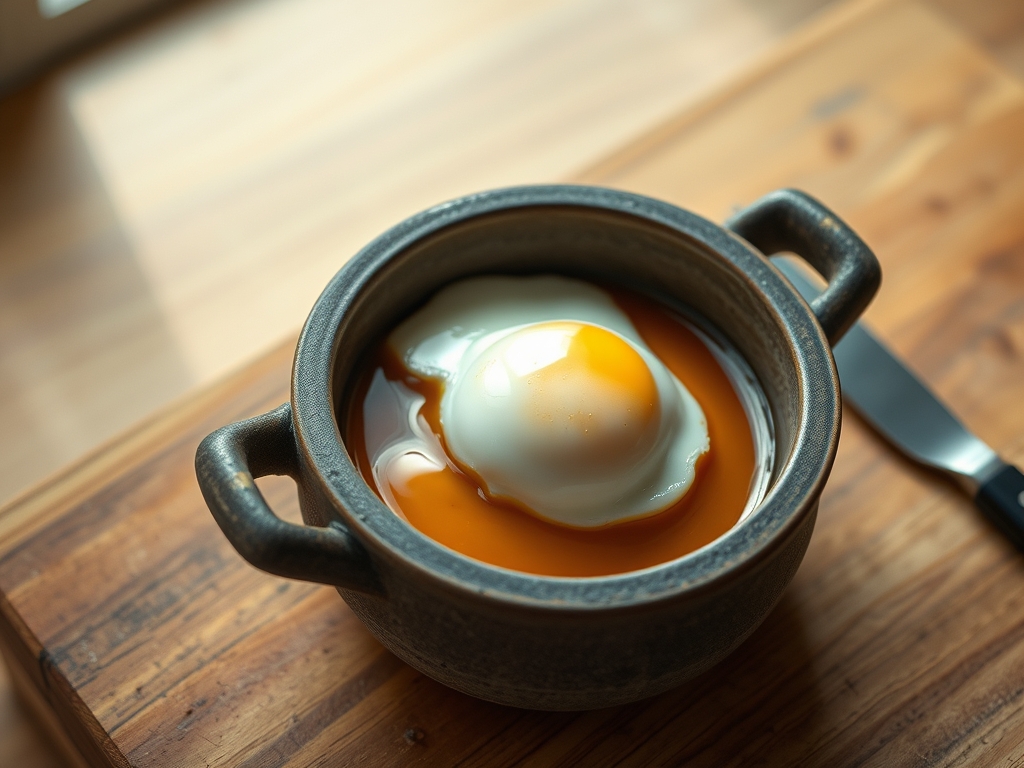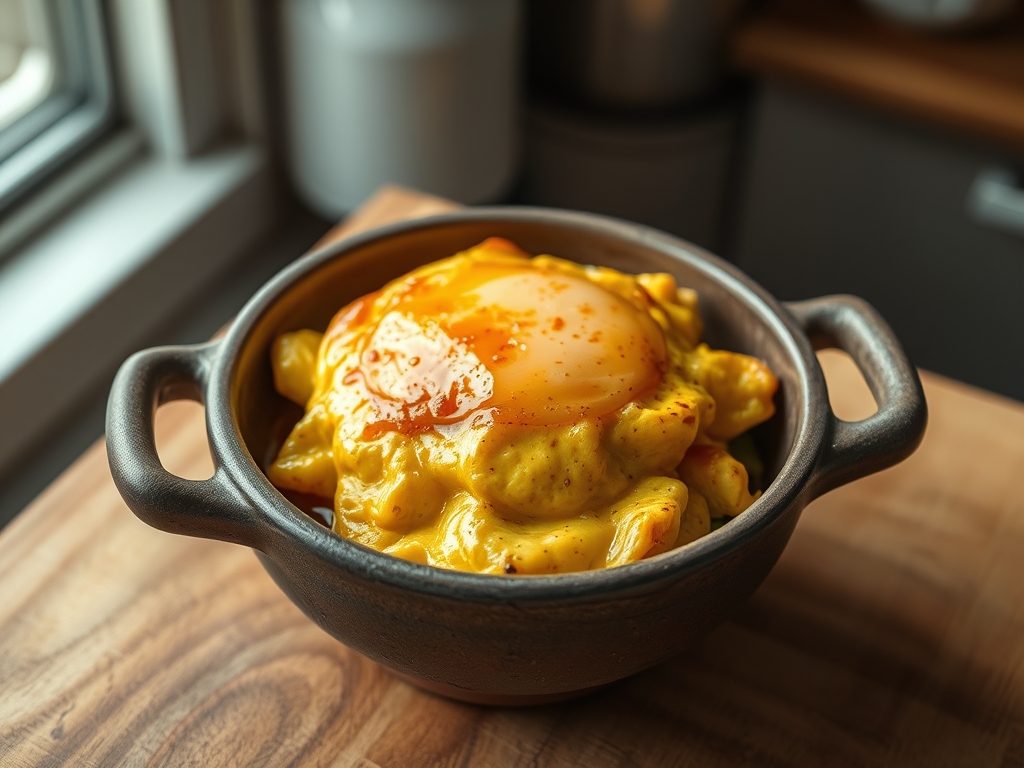
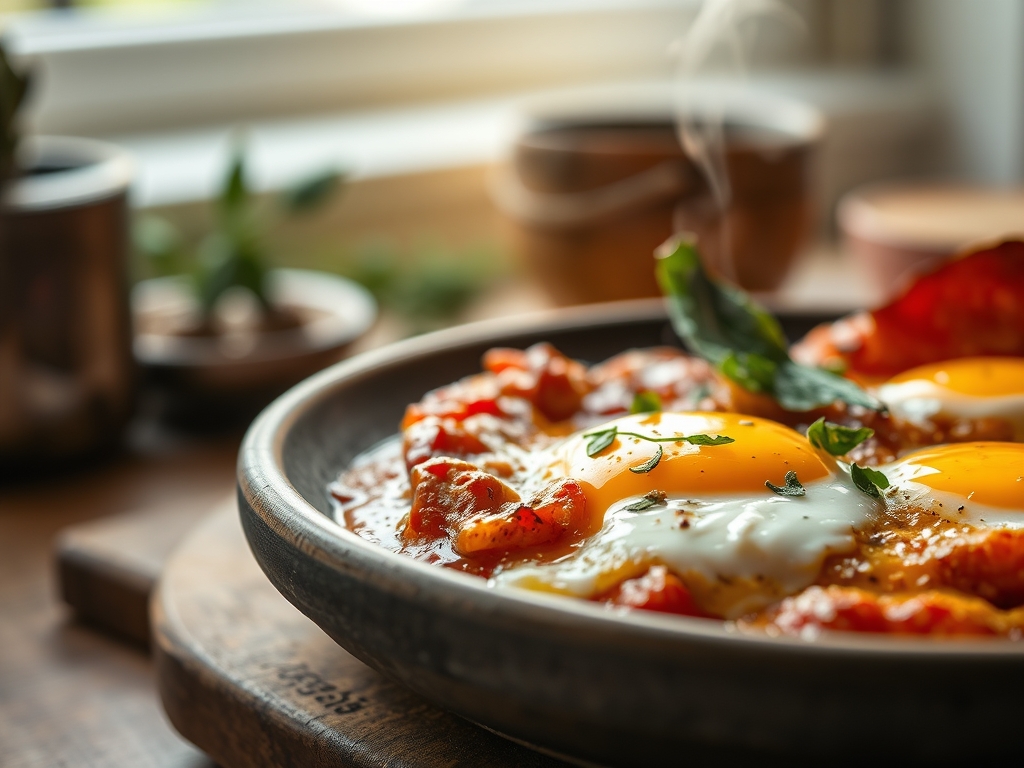
Imagine a skillet where the air is thick with the scent of charred peppers and the sharp, piquant sting of reduced tomatoes. This is the theater of Shakshuka Egg Poaching; a high-stakes culinary operation where the infrastructure of the sauce determines the structural integrity of the protein. You are not just making breakfast. You are managing a delicate chemical suspension where acidity meets alkalinity. The goal is a viscous, ruby-red sea that cradles a perfectly set egg white while the yolk remains liquid gold. If your sauce is too thin, the egg drifts and dissolves into a messy pink slurry. If the heat is too aggressive, the whites rubberize before the yolk can even think about warming up. We are looking for that precise moment of thermal equilibrium. We want the steam trapped under a lid to gently poach the tops of the eggs while the direct heat from the heavy-bottomed pan sets the base. It is a sensory explosion of cumin, paprika, and garlic, all working in tandem to support the main event.
THE DATA MATRIX
| Metric | Specification |
|---|---|
| Prep Time | 15 Minutes |
| Execution Time | 25 Minutes |
| Yield | 4 Servings |
| Complexity (1-10) | 4 |
| Estimated Cost per Serving | $2.25 |
THE GATHERS
Ingredient Protocol:
- 60ml / 4 tbsp Extra Virgin Olive Oil
- 1 Large White Onion (200g / 7oz), finely diced
- 1 Red Bell Pepper (150g / 5.3oz), seeded and diced
- 4 Garlic Cloves (20g / 0.7oz), minced via microplane
- 10g / 2 tsp Smoked Paprika
- 5g / 1 tsp Cumin Seeds, toasted and crushed
- 2g / 0.5 tsp Cayenne Pepper
- 800g / 28oz Canned San Marzano Tomatoes, hand-crushed
- 30g / 2 tbsp Tomato Paste
- 6 Large Eggs (300g / 10.5oz), room temperature
- 100g / 3.5oz Feta Cheese, crumbled
- 15g / 0.5 cup Fresh Cilantro, chopped
Section A: Ingredient Quality Audit:
The primary failure point in Shakshuka Egg Poaching is water activity. If using standard supermarket canned tomatoes, the sauce often lacks the viscosity required to hold an egg in place. To fix this, you must render the excess moisture out through a longer reduction phase. If your spices are dull and dusty, they will not infuse the oil properly. Always bloom your spices in the fat before adding liquids. If your eggs are cold from the refrigerator, they will drop the temperature of the sauce too rapidly, leading to uneven cooking. Temper your eggs in a bowl of warm water for five minutes before cracking to ensure the thermal transition is seamless.
THE MASTERCLASS
1. Aromatics and Base Construction
Heat your heavy-bottomed saucier or cast-iron skillet over medium heat. Add the olive oil and onion. Sauté until translucent, then add the bell peppers. The objective here is to soften the cellular structure of the vegetables without achieving deep browning.
Pro Tip: Use a bench scraper to transfer your diced vegetables from the cutting board to the pan. This prevents "stray cuts" and ensures a uniform cook time for all aromatics. The science of the Maillard reaction is secondary here; we want sweetness, not bitterness.
2. Spice Blooming and Deglazing
Push the vegetables to the perimeter and add the tomato paste and spices to the center. Stir constantly for 90 seconds. You are looking for the oil to turn a deep, vibrant orange as the fat-soluble compounds in the paprika and cumin aerate and release their aromatic oils.
Pro Tip: If the paste begins to stick too aggressively, deglaze the pan with a tiny splash of water or dry white wine. This lifts the fond and incorporates those concentrated sugars back into the base.
3. The Tomato Reduction
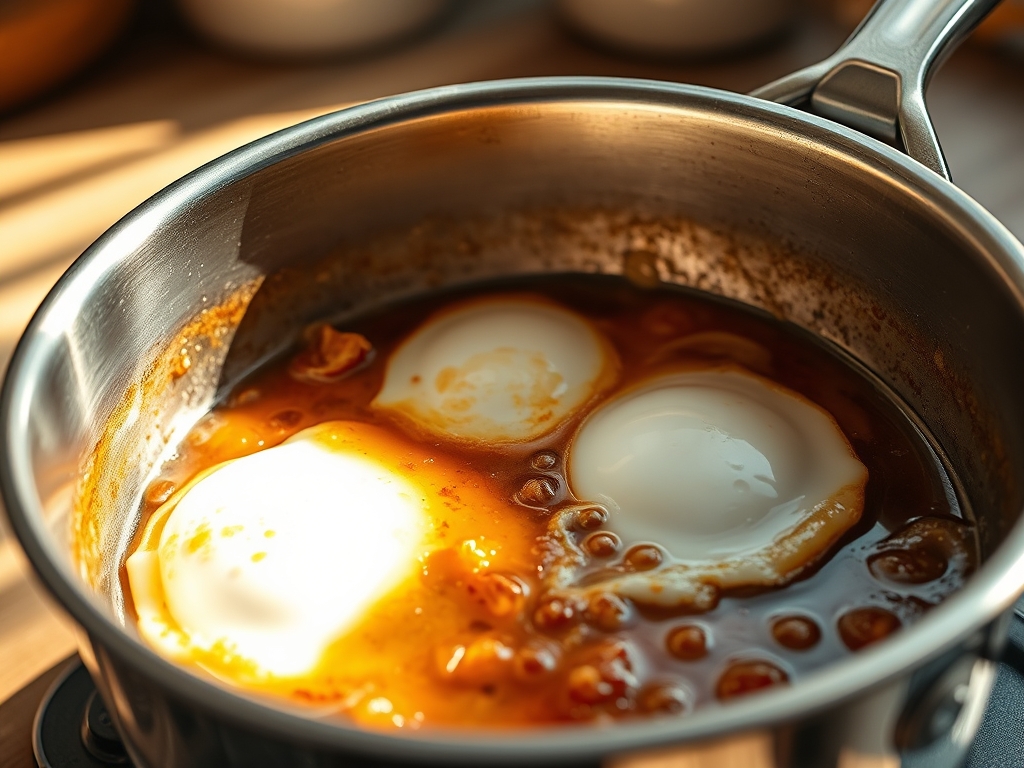
Add the hand-crushed tomatoes. Reduce the heat to low and simmer for 15 minutes. The sauce must transform from a watery liquid into a thick, jam-like consistency. This is the "infrastructure" phase. Without this thickness, the eggs will sink to the bottom of the pan and scorch.
Pro Tip: Use a digital scale to weigh your finished sauce if you are batch-cooking. A perfect Shakshuka base should lose about 20 percent of its initial weight through evaporation to achieve the correct density.
4. Creating the Cradles
Use the back of a large spoon to create six distinct indentations in the sauce. These are your poaching wells. Crack each egg into a small ramekin first to ensure no shell fragments enter the "infrastructure." Gently slide one egg into each well.
Pro Tip: Season the top of each individual egg yolk with a tiny pinch of salt immediately. This helps break down the proteins on the surface of the yolk, allowing for a more even heat distribution during the poach.
5. The Controlled Poach
Cover the pan with a tight-fitting lid. This traps the steam, which is essential for setting the tops of the whites. Cook for 5 to 8 minutes. Monitor the "jiggle" of the pan. You want the whites to be opaque and firm, but the yolks should still move like a water balloon when the pan is nudged.
Pro Tip: Use an infrared thermometer to check the sauce temperature. It should be hovering around 180 degrees Fahrenheit (82 degrees Celsius). Anything higher will cause the eggs to "tough out" and lose their delicate texture.
Section B: Prep & Timing Fault-Lines:
The most common human error is the "Lid Panic." Removing the lid too often releases the steam, extending the cook time and resulting in overcooked bottoms and raw tops. Trust the timer. Another fault-line is the "Egg Crowding." If you put too many eggs in a small pan, the thermal mass of the cold eggs will stop the sauce from simmering, leading to a poached egg that tastes like boiled tomato water rather than a cohesive dish.
THE VISUAL SPECTRUM
Section C: Thermal & Visual Troubleshooting:
Look at the Masterclass photo. Notice the vibrant contrast between the deep red sauce and the stark white eggs. If your sauce looks orange or brown, you likely over-oxidized the spices or didn't use enough tomato paste. If the eggs have a "filmy" white skin over the yolk, you let the steam build up for too long. To fix a "dull" looking Shakshuka, finish with a high-quality olive oil drizzle and a heavy hand of fresh herbs to provide a color-contrast pop. If the sauce is "breaking" (oil separating from the solids), whisk in a teaspoon of warm water to re-emulsify the base before adding the eggs.
THE DEEP DIVE
Macro Nutrition Profile:
A standard serving (2 eggs with sauce) provides approximately 280 calories, 18g of protein, 14g of healthy fats, and 12g of carbohydrates. It is a micronutrient powerhouse, loaded with Lycopene from the cooked tomatoes and Vitamin A from the peppers.
Dietary Swaps:
- Vegan: Swap eggs for firm silken tofu "rounds" or seasoned chickpea flour "omelet" dollops. Use nutritional yeast instead of feta.
- Keto: This dish is naturally low-carb. Ensure the tomato paste has no added sugars.
- GF: Naturally gluten-free. Serve with toasted gluten-free sourdough or over a bed of sautéed kale.
Meal Prep & Reheating Science:
You can prep the sauce (The Infrastructure) up to three days in advance. In fact, the flavors deepen as the spices continue to infuse the liquid. However, do not poach the eggs until you are ready to eat. To reheat, bring the sauce back to a simmer in a skillet, add a tablespoon of water to loosen the texture, and then drop your fresh eggs in. Reheating already-cooked eggs will result in a rubbery, unappealing texture.
THE KITCHEN TABLE
Why are my egg whites still clear after 10 minutes?
Your sauce is likely too cold or your lid isn't sealing properly. Ensure the sauce is at a steady simmer before adding eggs and use a lid that fits the pan's circumference exactly to trap the essential steam.
Can I use fresh tomatoes instead of canned?
Yes, but you must blanch and peel them first. Fresh tomatoes have higher water content, so you will need to double the reduction time to achieve the necessary viscous infrastructure required for poaching.
My sauce tastes too acidic. How do I balance it?
Acidity fluctuates based on tomato brands. Add a pinch of sugar or a splash of heavy cream. The fat in the cream will neutralize the sharp bite of the tomato acid without ruining the savory profile.
What is the best pan for Shakshuka?
Cast iron is king for heat retention, but a heavy-bottomed stainless steel saucier is better for temperature control. Avoid thin aluminum pans, as they create hot spots that will scorch the bottom of your eggs.