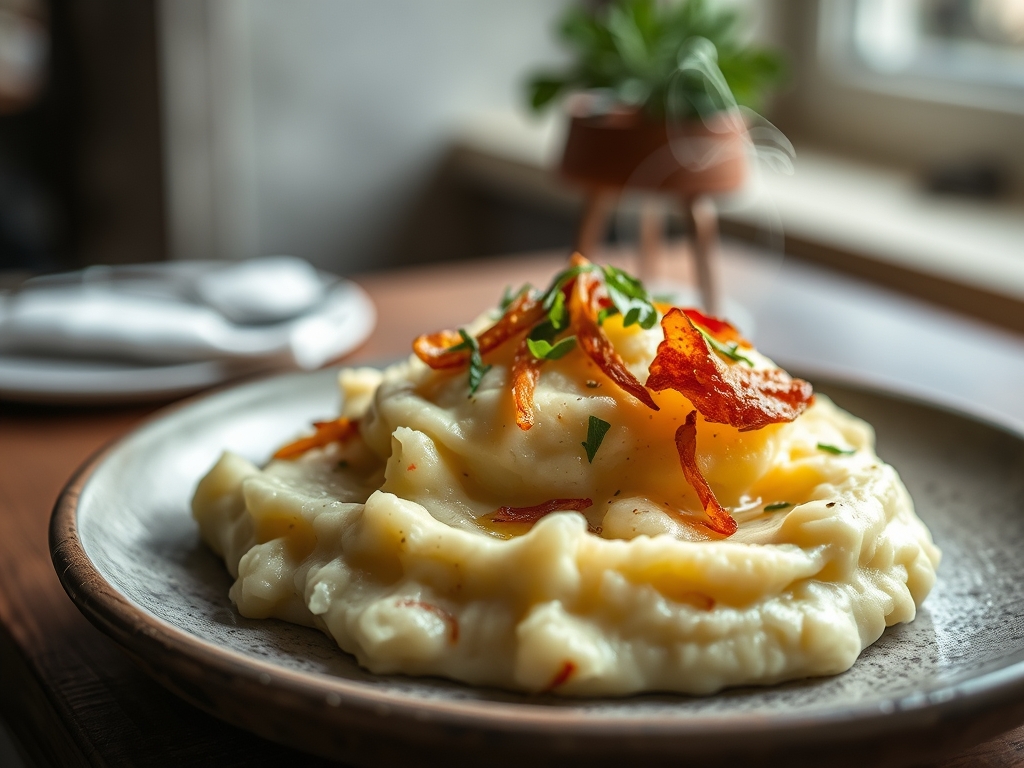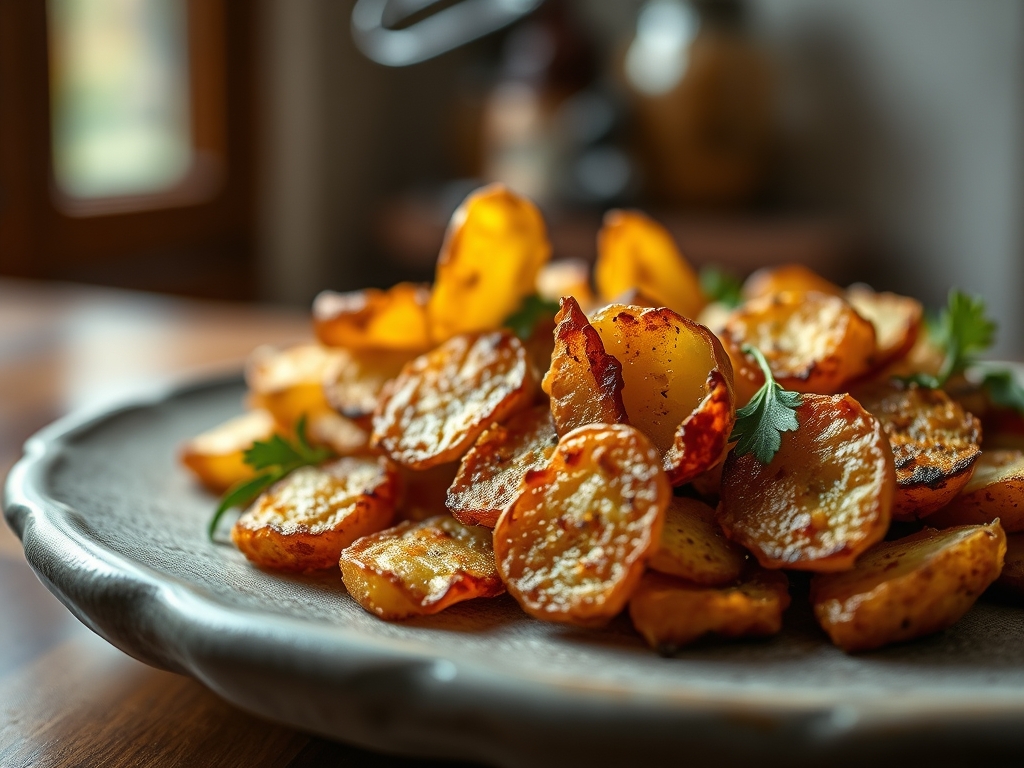
Listen to the sound of a failed breakfast. It is the wet, apologetic thud of a sodden potato mass hitting a cold ceramic plate. That sound represents a total collapse of Hash Brown Integrity. We are not here to play house with frozen bags of pre-shredded starch. We are here to engineer a structural marvel. Imagine a lattice of golden-brown cellulose so crisp it shatters like glass, protecting a core of steaming, tender potato ribbons. Achieving this requires more than heat; it requires an understanding of moisture migration and starch gelatinization. When you bite into a perfect potato cake, the sensory input should be a high-frequency crunch followed by a buttery, earthy finish. This is the gold standard of culinary infrastructure. If your current output is greasy, gray, or structurally unsound, you are suffering from a lack of technical discipline. We are going to fix that by optimizing your workflow, auditing your raw materials, and ensuring that every single shred of tuber contributes to the final, glorious architecture of the plate.
THE DATA MATRIX
| Metric | Specification |
|---|---|
| Prep Time | 20 Minutes |
| Execution Time | 15 Minutes |
| Yield | 4 Large Cakes |
| Complexity (1-10) | 4 |
| Estimated Cost per Serving | $0.85 USD |
THE GATHERS
Ingredient Protocol:
- 800g / 4 Large Russet Potatoes (High starch content is non-negotiable)
- 60ml / 4 tbsp Clarified Butter or Ghee (High smoke point for Maillard optimization)
- 5g / 1 tsp Fine Sea Salt
- 2g / 0.5 tsp Freshly Cracked Black Pepper
- 1g / 0.25 tsp Onion Powder (For aromatic depth)
- 15ml / 1 tbsp Neutral Oil (To increase the thermal floor)
Section A: Ingredient Quality Audit:
The primary failure point in Hash Brown Integrity is the selection of a waxy potato. Red or Yukon Gold varieties contain too much moisture and insufficient amylose starch. This results in a gummy interior that refuses to render its water content. If you are forced to use lower-starch tubers, you must compensate by adding a dusting of potato starch to the dry mix to artificially boost the structural lattice. Furthermore, if your fat source contains milk solids (regular butter), it will burn before the potato reaches peak crispness. Always use clarified fats to ensure you can maintain the high temperatures required to infuse the crust with color without carbonizing the proteins.
THE MASTERCLASS
1. The Mechanical Shred and Rinse
Peel your Russets and use the coarse side of a box grater or a food processor attachment to create long, uniform strands. Immediately submerge these in a bowl of ice-cold water. Agitate the shreds vigorously to release surface starch.
Pro Tip: Use a digital scale to ensure your potato yield is consistent. Rinsing away excess surface starch prevents the shreds from oxidizing and turning an unappetizing gray while also preventing them from sticking together into a gluey mass before they hit the pan.
2. The Centrifugal Extraction
This is the most critical phase. Transfer the rinsed shreds to a clean lint-free kitchen towel or a large piece of cheesecloth. Twist the cloth with maximum force to extract every possible drop of moisture.
Pro Tip: Professional chefs often use a potato ricer or a manual fruit press to achieve this level of dehydration. Removing water allows the fat to immediately begin the frying process rather than wasting thermal energy on evaporation. This is the foundation of Hash Brown Integrity.
3. The Thermal Engagement
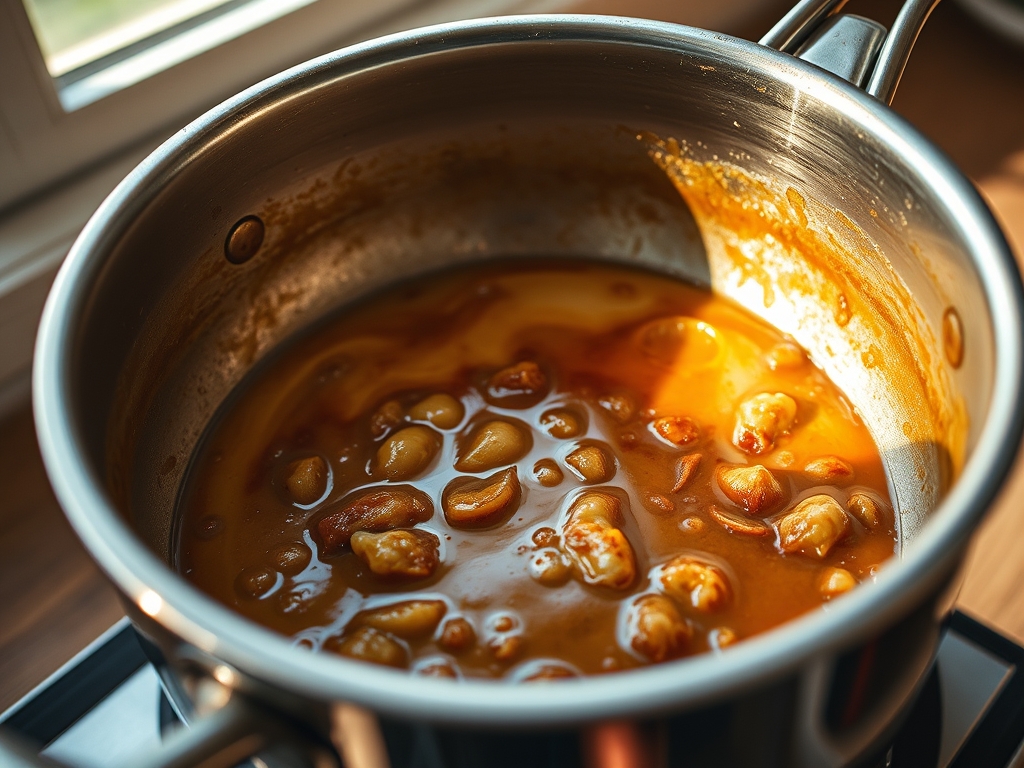
Heat a heavy-bottomed cast iron skillet or a stainless steel saucier over medium-high heat. Add the clarified butter and neutral oil. Once the fat begins to shimmer and reaches approximately 375 degrees Fahrenheit, carefully distribute the potato shreds in an even layer.
Pro Tip: Use a bench scraper to tidy the edges of the cake. Do not crowd the pan. If the layer is too thick, the steam from the center will soften the exterior, ruining the crunch.
4. The Compression and Flip
Season the top layer with salt, pepper, and onion powder. Use a heavy spatula to press down on the potatoes, forcing them into contact with the hot fat. Cook for 6 to 8 minutes until the bottom is deeply bronzed. Flip in one confident motion.
Pro Tip: Compression is the secret to a unified structure. By pressing the shreds, you are forcing the remaining starches to bond, creating a singular, cohesive unit rather than a pile of loose fries.
Section B: Prep & Timing Fault-Lines:
The most common human error is premature agitation. If you move the potatoes before the initial crust has formed, you break the developing cellulose bonds. This leads to a "scrambled" potato mess. Another fault-line is temperature fluctuation. If the pan temperature drops because you added too much product at once, the potatoes will absorb the oil rather than searing in it. This results in a viscous, greasy mouthfeel. Use an infrared thermometer to verify your pan surface is consistently above 350 degrees Fahrenheit.
THE VISUAL SPECTRUM
Section C: Thermal & Visual Troubleshooting:
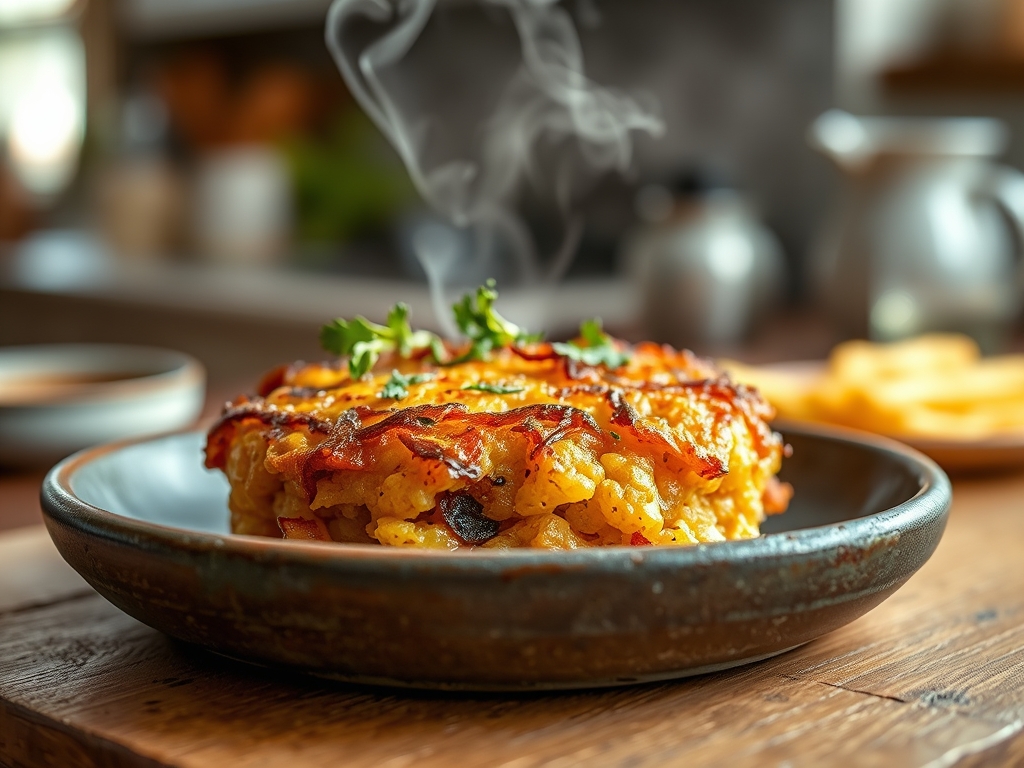
Referencing the Masterclass image above, the ideal specimen displays a variegated topography of mahogany, gold, and amber. If your cakes appear pale or "blonde," your heat is too low or your fat-to-potato ratio is insufficient. If the edges are black while the center is white, your pan has hot spots or your heat is too high. A dull, matte finish indicates the potato was too dry or lacked enough fat to aerate the surface during the frying process. The visual cue for success is a slight translucency in the center shreds, indicating they have been fully "cooked" by the internal steam while the exterior remains rigid.
THE DEEP DIVE
Macro Nutrition Profile:
A standard serving of these engineered potato cakes provides approximately 220 calories, 24g of carbohydrates, 12g of fat, and 2g of protein. While starch-heavy, the use of clarified fats provides a cleaner energy burn than processed vegetable oils.
Dietary Swaps:
- Vegan: Substitute clarified butter with avocado oil or a high-quality vegan butter alternative that lacks high water content.
- Keto: This is a starch-based dish; however, you can swap 50 percent of the potato with shredded daikon radish or cauliflower to reduce the glycemic load.
- GF: Naturally gluten-free, provided no flour-based thickeners are added.
Meal Prep & Reheating Science:
To maintain molecular structure when reheating, avoid the microwave at all costs. The microwave excites water molecules, which will steam the crust from the inside out and turn the cake into mush. Instead, use an air fryer at 400 degrees Fahrenheit for 3 minutes or a dry skillet over medium heat. This flashes the surface moisture and restores the crisp lattice.
THE KITCHEN TABLE
Why are my hash browns always soggy?
You failed the extraction phase. Even a small amount of residual water turns to steam, which hydrates the starch and prevents the Maillard reaction. Squeeze the shreds until your forearms ache; then squeeze them again.
Can I shred the potatoes the night before?
Only if you store them submerged in acidified water (add a splash of lemon juice). Without this, the enzymes will react with oxygen and turn your potatoes a bruised purple or dull gray color.
What is the best fat for maximum crunch?
Beef tallow or clarified butter. These fats have the molecular stability to handle high heat without breaking down, and they provide a rich, savory profile that neutral oils simply cannot match.
Should I par-boil the potatoes first?
For this specific style of crispy cake, no. Par-boiling pre-gelatinizes the starch, which makes it harder to get that distinct, individual shred separation. Raw, dry shreds provide the best structural integrity for frying.