Stop treating your lunch like a soggy afterthought. We are here to perform a high-level forensic audit on a culinary classic that has been relegated to the realm of rubbery whites and weeping dressings for far too long. To achieve peak Egg Salad Viscosity, you must understand that this is not a mere mash; it is a complex structural suspension. We are manipulating proteins and lipids to create a cohesive matrix that defies gravity and resists syneresis. The goal is a texture so luxurious it borders on the architectural. If your current output involves a puddle of yellow liquid at the bottom of the bowl, your protocol is compromised. We are looking for a piquant, aerated spread that clings to a toasted sourdough slice with the tenacity of a high-grade industrial adhesive. By controlling the moisture content of the albumen and the emulsification potential of the yolk, we transform a humble picnic staple into a masterpiece of cold-chain engineering. Prepare to recalibrate your standards; the audit begins now.
THE DATA MATRIX
| Metric | Specification |
|---|---|
| Prep Time | 15 Minutes |
| Execution Time | 12 Minutes |
| Yield | 4 Standard Servings |
| Complexity | 3/10 (Precision Dependent) |
| Estimated Cost per Serving | $1.15 USD |
THE GATHERS
Ingredient Protocol:
- 6 Large Pasture-Raised Eggs (300g / 10.5 oz)
- High-Fat Mayonnaise (60ml / 0.25 cup)
- Dijon Mustard (15ml / 1 tbsp)
- Fresh Chives, minced (10g / 0.35 oz)
- Smoked Paprika (2g / 0.5 tsp)
- Celery, finely diced (50g / 1.75 oz)
- Kosher Salt (To taste)
- Fresh Cracked Black Pepper (To taste)
- Lemon Juice, fresh (5ml / 1 tsp)
Section A: Ingredient Quality Audit:
Sub-par raw materials are the primary cause of structural failure. If your eggs are over thirty days old, the albumen thins, leading to a watery final product. Fix: Use the freshest eggs possible and store them at a consistent 4 degrees Celsius. If your mayonnaise is a "light" variety, it lacks the necessary lipid density to maintain a stable emulsion. Fix: Only use full-fat, egg-yolk-based mayo to ensure the suspension remains viscous. If your celery is limp, it will leach water into the mix. Fix: Shock diced celery in an ice bath for ten minutes, then pat dry with a lint-free kitchen towel before integration.
THE MASTERCLASS
1. Precision Thermal Processing
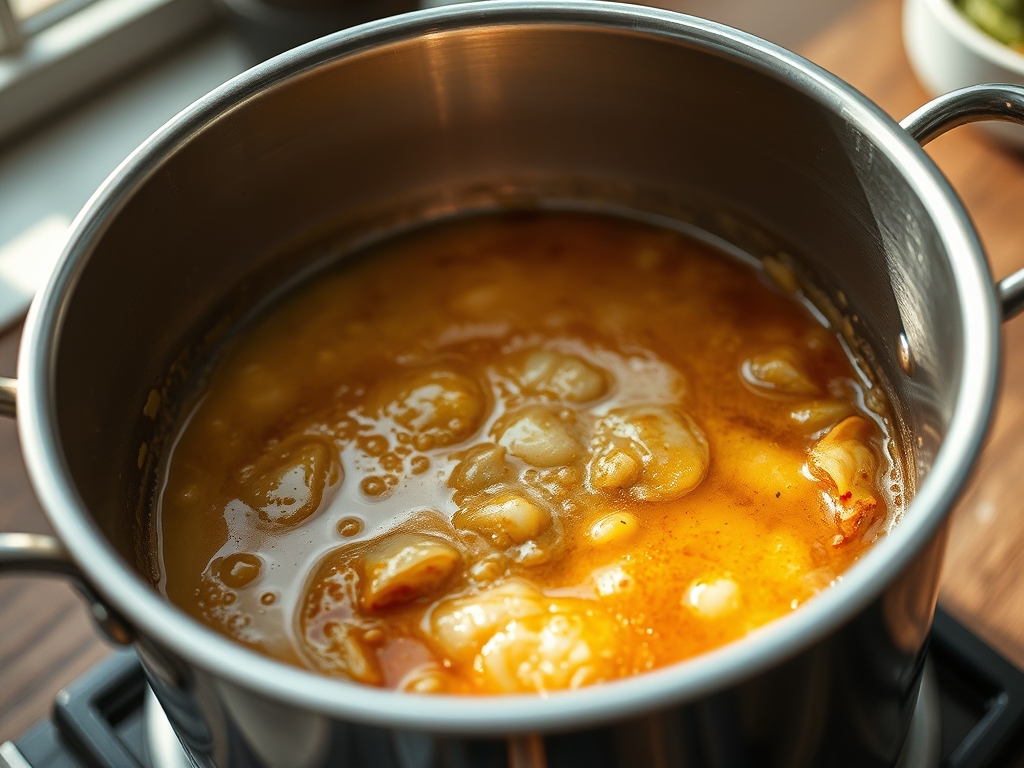
Place your eggs in a heavy-bottomed saucier and cover with cold water. Bring to a rolling boil, then immediately remove from heat and cover. Let stand for exactly nine minutes.
Pro Tip: This specific timing ensures the yolks reach a "jammy-firm" state rather than a chalky over-boiled state. Use a digital timer to prevent the formation of ferrous sulfide (the green ring), which compromises both flavor and visual appeal.
2. The Cryogenic Shock
Immediately transfer the eggs into a bowl of ice water using a slotted spoon. Allow them to rest for at least five minutes until the core temperature has dropped significantly.
Pro Tip: Rapid cooling shrinks the protein structure away from the shell membrane. This ensures a clean peel, preventing the loss of albumen mass and maintaining the structural integrity required for uniform dicing.
3. Geometric Component Reduction
Peel the eggs and use a sharp chef knife or a bench scraper to dice the whites into uniform 6mm cubes. Set the yolks aside in a separate mixing bowl.
Pro Tip: Uniformity in dicing is not just for aesthetics; it creates a consistent surface area for the dressing to adhere to. A bench scraper is the professional tool of choice here to move the delicate cubes without crushing them.
4. The Emulsion Matrix
In the bowl with the yolks, add the mayonnaise, Dijon, and lemon juice. Use a stiff whisk or a fork to mash the yolks into the liquids until a completely smooth, aerated paste forms.
Pro Tip: This is the secret to superior Egg Salad Viscosity. By incorporating the yolks into the dressing first, you create a thick, yolk-heavy emulsion that coats the whites rather than sliding off them.
5. Final Integration and Aeration
Gently fold the diced whites, celery, and chives into the yolk paste using a flexible silicone spatula. Season with salt, pepper, and paprika.
Pro Tip: Use a folding motion rather than stirring. Stirring can break down the whites and release internal moisture, which will thin your emulsion and ruin the "bite" of the salad.
Section B: Prep & Timing Fault-Lines:
Timing is the silent killer of texture. If you peel eggs while they are still warm, the residual steam will condense inside your mixing bowl, leading to a "weeping" salad. Always ensure the eggs are completely cold before dicing. Furthermore, if you over-process the celery in a food processor, you will create a vegetable slurry that destroys the viscosity. Hand-dicing with a sharp blade is non-negotiable for maintaining the proper moisture balance.
THE VISUAL SPECTRUM
Section C: Thermal & Visual Troubleshooting:
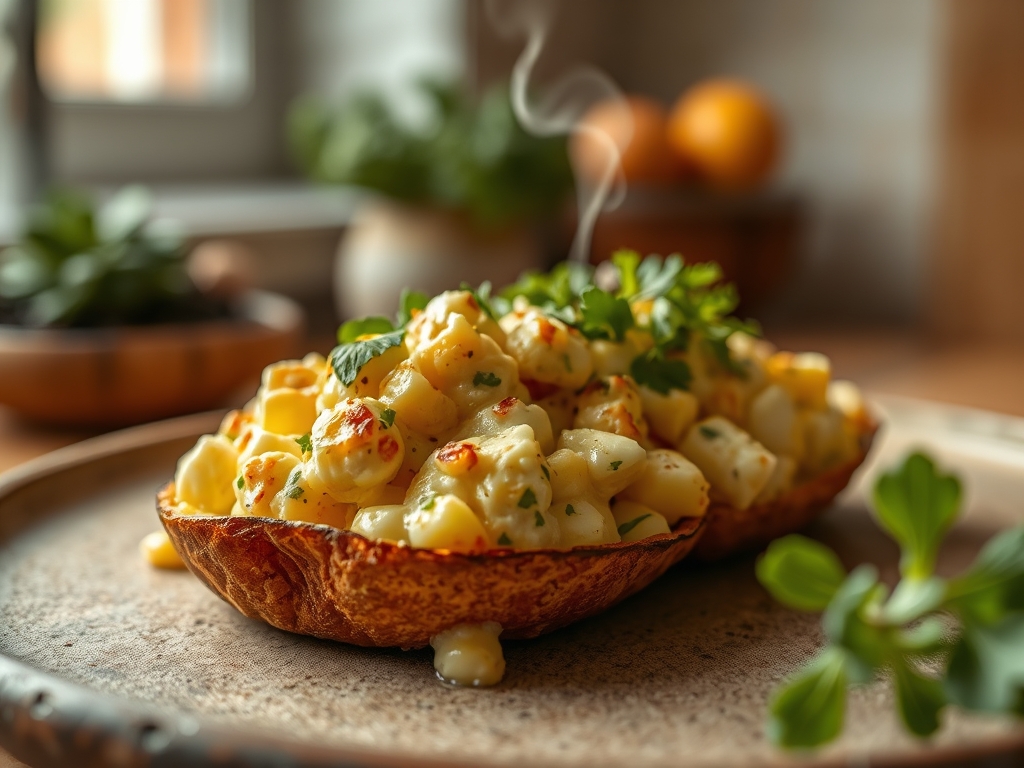
The Masterclass photo illustrates a vibrant, golden-yellow hue with distinct, sharp-edged white cubes. If your salad looks dull or gray, you have likely overcooked the eggs, causing a chemical reaction between the sulfur in the whites and the iron in the yolks. To fix this, reduce your boiling time by sixty seconds. If the salad appears "loose" or runny, your emulsion has broken. This usually happens if the lemon juice is added too quickly or if the eggs were not dried properly after the ice bath. To recover a broken emulsion, whisk in an extra half-teaspoon of mustard to act as a secondary stabilizer. Note the "lift" in the photo; the salad should stand tall on the plate, not flatten out like a liquid.
THE DEEP DIVE
Macro Nutrition Profile:
A single serving of this audited egg salad provides approximately 14g of high-biological-value protein, 18g of healthy lipids, and 2g of carbohydrates. It is a nutrient-dense powerhouse, rich in choline and fat-soluble vitamins (A, D, E, K).
Dietary Swaps:
- Vegan: Replace eggs with firm, pressed tofu crumbled into irregular chunks. Substitute mayonnaise with a sunflower-oil-based vegan alternative.
- Keto: This recipe is naturally keto-compliant. Ensure the Dijon mustard contains no added sugars or thickeners.
- GF: Naturally gluten-free. Serve on large romaine lettuce leaves or cucumber slices instead of bread.
Meal Prep & Reheating Science:
Egg salad is a cold-chain product and should never be reheated, as heat will denature the mayonnaise emulsion and turn the eggs rubbery. For meal prep, store the egg salad in an airtight glass container for up to three days. To maintain molecular structure, place a piece of plastic wrap directly on the surface of the salad before sealing the lid. This prevents oxidation and the formation of a "skin" on the yolk paste.
THE KITCHEN TABLE
Why is my egg salad watery the next day?
This is syneresis. Vegetables like celery release water over time when salted. To prevent this, salt your celery separately, let it drain for ten minutes, pat it dry, and then add it to the mix.
Can I use a food processor for the eggs?
Negative. A food processor provides too much shear force, which obliterates the protein structure and turns your salad into a grainy paste. For proper Egg Salad Viscosity, hand-dicing is the only acceptable method.
How do I get that bright yellow color?
The color comes from high-quality, pasture-raised yolks and the addition of smoked paprika. Lower-quality "supermarket" eggs often have pale yolks, which results in a washed-out, beige appearance.
What is the best way to peel eggs?
Crack the shell all over by gently tapping it on a hard surface, then peel under a stream of cool running water. The water helps lubricate the space between the membrane and the white.