Listen to that sound. It is not just a crunch; it is the structural collapse of a perfectly laminated shortcrust. We are not merely baking brunch today. We are conducting a Quiche Structural Audit to ensure your savory custard does not resemble a weeping sponge or a brick of rubber. The stakes are high because a quiche is an architectural marvel of protein suspension. You are balancing the delicate coagulation of egg proteins against the volatile moisture of seasonal vegetables. If your ratio is off, the infrastructure fails. If your oven floor is cold, the foundation becomes soggy. We demand a piquant filling that remains silky and viscous while standing tall without the support of a tin. We want a golden, shattered crust that defies gravity. This is about the synergy between lipid-rich pastry and the nitrogenous bonds of a slow-set custard. Strap in, chef. We are moving beyond the recipe and into the realm of culinary engineering where temperature control is the only law that matters.
THE DATA MATRIX
| Metric | Specification |
|---|---|
| Prep Time | 45 Minutes |
| Execution Time | 60 Minutes |
| Yield | 8 Servings |
| Complexity (1-10) | 7 |
| Estimated Cost per Serving | $2.25 |
THE GATHERS
Ingredient Protocol:
The Foundation (Crust):
- 315g / 2.5 cups All-purpose flour
- 225g / 1 cup Unsalted butter (chilled/cubed)
- 5g / 1 tsp Fine sea salt
- 60ml / 4 tbsp Ice water
The Infrastructure (Custard):
- 475ml / 2 cups Heavy cream
- 4 Large eggs plus 2 yolks
- 2g / 0.5 tsp Freshly grated nutmeg
- 5g / 1 tsp Kosher salt
The Payload (Fillings):
- 200g / 7oz Thick-cut bacon (lardons)
- 150g / 1.5 cups Gruyere cheese (shredded)
- 2 Large leeks (whites only, cleaned)
Section A: Ingredient Quality Audit:
The primary failure point in a Quiche Structural Audit is moisture migration. If your leeks are weeping or your bacon has not been properly rendered, the excess water will compromise the custard's molecular bond. Ensure your heavy cream has a minimum of 36 percent butterfat. Lower fat content leads to a grainy texture as the proteins over-coagulate. If your flour has a protein content higher than 11 percent, the crust will be tough rather than flaky. Use a digital scale to verify these weights. Volumetric measurements are the enemy of consistency. If your eggs are cold, they will not emulsify properly with the fats; temper them to room temperature before whisking to ensure a smooth, viscous liquid state.
THE MASTERCLASS
1. Execute the Shortcrust Architecture
Pulse the flour, salt, and chilled butter in a food processor until the fat is the size of peas. Add ice water one tablespoon at a time until the dough barely clings together. Use a bench scraper to fold the dough on a cold surface, creating layers of fat and flour. Wrap in plastic and chill for at least one hour.
Pro Tip: This chilling period allows the gluten to relax and the starch to hydrate. If you skip this, the crust will shrink down the sides of your pan like a failing retaining wall.
2. The Blind Bake Reinforcement
Roll the dough to a 3mm thickness and drape it over a 9 inch tart pan. Trim the edges and freeze for 15 minutes. Line with parchment paper and fill to the brim with ceramic pie weights. Bake at 190C (375F) for 20 minutes; remove weights and bake for 10 more minutes until the floor is opaque.
Pro Tip: We are looking for a Maillard reaction on the crust before the liquid ever touches it. A saucier or a heavy pan can be used to weigh down the center if you lack ceramic beads, ensuring the base remains flat.
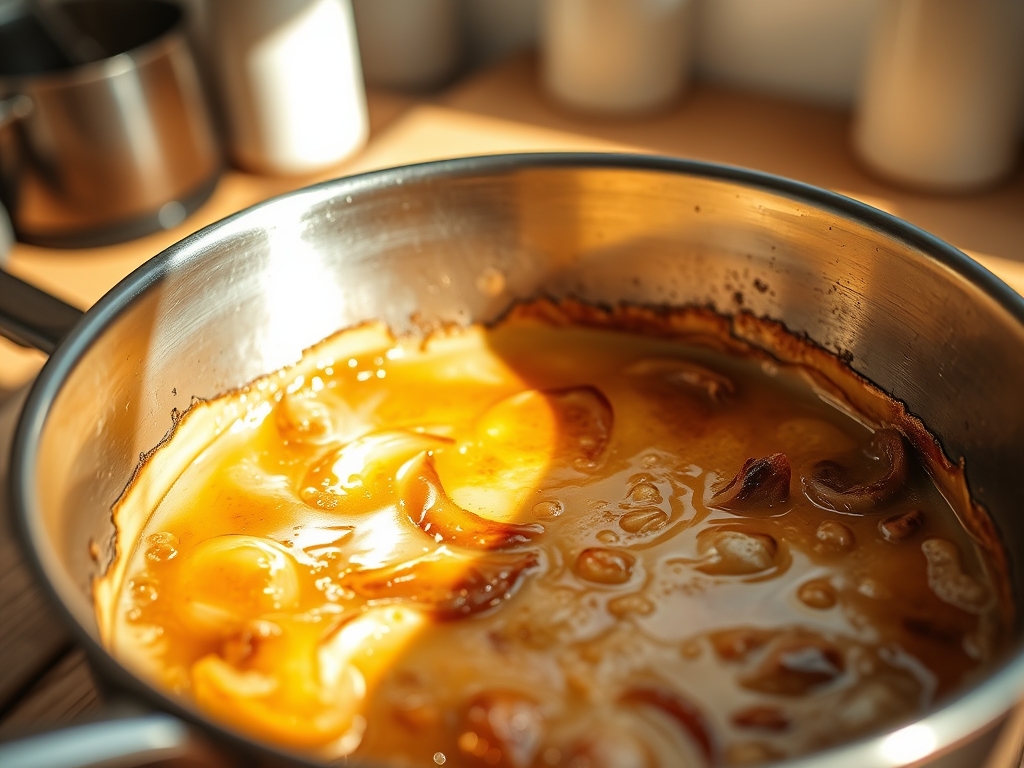
3. Render and Infuse the Payload
In a heavy skillet, render the bacon lardons until piquant and crisp. Remove the meat but keep the fat. Add the sliced leeks to the fat and sauté on low heat until translucent. Do not brown them; we want to infuse them with fat without creating bitter carbon notes. Drain all excess oil before proceeding.
Pro Tip: Moisture is the "structural rot" of quiche. By pre-cooking the vegetables, you evaporate internal water that would otherwise leak into the custard and cause "weeping."
4. Synthesize the Custard Matrix
Whisk the eggs, yolks, heavy cream, nutmeg, and salt in a large bowl. Do not aerate the mixture excessively. We want a dense, creamy suspension, not a foam. Incorporate the cheese, bacon, and leeks into the bottom of the par-baked crust, then pour the custard over the top.
Pro Tip: Using extra yolks increases the lecithin content, which acts as a natural emulsifier. This creates a more stable, velvet-like texture that resists breaking even when sliced warm.
5. Thermal Coagulation
Slide the quiche into a 165C (325F) oven. Bake for 35 to 45 minutes. The center should have a slight "jiggle" like gelatin, but the edges should be set. This low and slow approach prevents the eggs from puffing and collapsing.
Pro Tip: Use an instant-read thermometer to check the internal temperature. You are aiming for 77C (170F). Anything higher and the proteins will tighten, squeezing out moisture and leaving you with a watery mess.
Section B: Prep & Timing Fault-Lines:
The most common human error is the "Rush Factor." If you pour hot, sautéed leeks directly into the raw egg mixture, you will scramble the proteins instantly. This creates "hot spots" in the matrix. Always allow your fillings to reach room temperature before the synthesis step. Furthermore, if you fail to let the quiche rest for at least 20 minutes after baking, the internal steam will collapse the delicate protein walls you just built, resulting in a structural failure upon slicing.
THE VISUAL SPECTRUM
Section C: Thermal & Visual Troubleshooting:
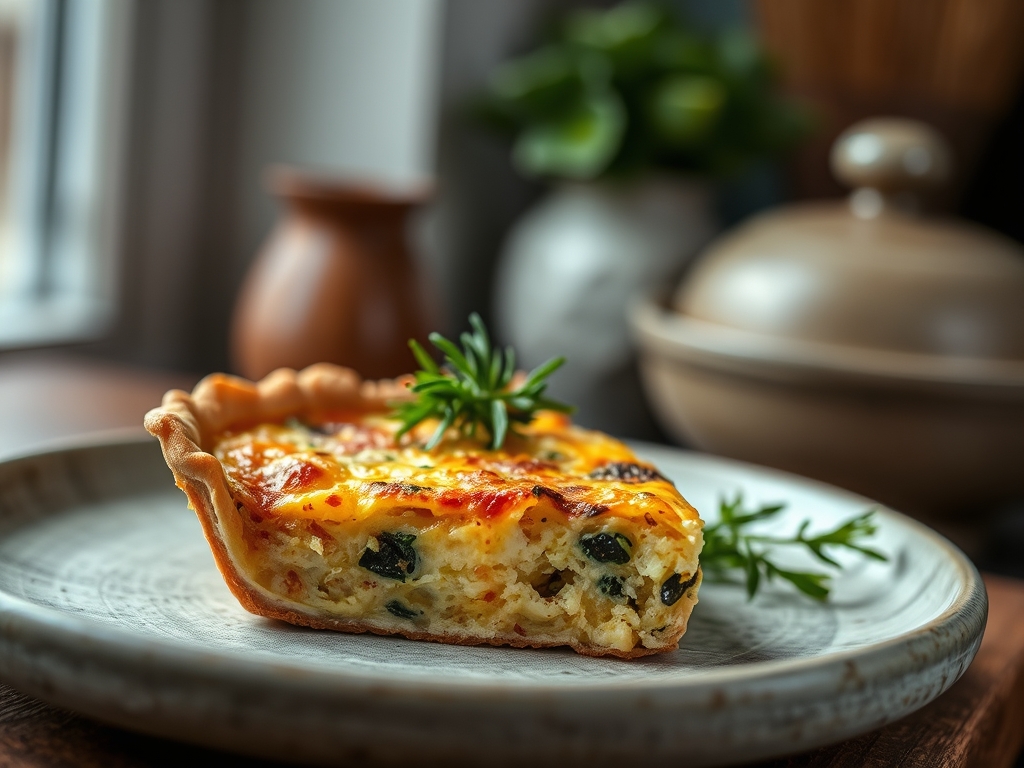
Referencing the Masterclass photo, observe the "Golden Halo" on the crust's edge. This indicates a successful par-bake. If your quiche looks dull or grey, you likely under-seasoned the custard or used low-quality yolks. If the surface is cracked, the oven was too hot; the exterior cooked and expanded before the interior was set. A perfectly audited quiche should have a matte finish with slight browning only on the very top of the cheese peaks. If you see a "water line" between the crust and the filling, your crust was not sealed properly with an egg wash during the blind bake.
THE DEEP DIVE
Macro Nutrition Profile:
A standard slice contains approximately 450 calories, 35g of fat, 22g of carbohydrates, and 14g of protein. It is a lipid-heavy fuel source designed for sustained energy release.
Dietary Swaps:
- Keto: Replace the crust with a layer of thinly sliced zucchini or a crust made of almond flour and parmesan.
- Vegan: Utilize a silken tofu and nutritional yeast base with a coconut oil-based pastry.
- GF: Use a 1-to-1 gluten-free flour blend with an added half-teaspoon of xanthan gum for elasticity.
Meal Prep & Reheating Science:
To maintain the molecular structure, do not microwave. The rapid agitation of water molecules will turn the pastry into a soggy rag. Reheat in a 150C (300F) oven for 15 minutes. This gently wakes up the fats without over-coagulating the egg proteins.
THE KITCHEN TABLE
Why is my quiche watery at the bottom?
You likely skipped the blind bake or didn't cook the vegetables long enough. Excess moisture from the leeks leaked out during the final bake, pooling at the lowest point of the structural foundation.
Can I use milk instead of heavy cream?
You can, but the infrastructure will be compromised. Milk lacks the fat density to hold the egg proteins in a creamy suspension, often resulting in a "rubbery" texture that lacks the signature mouthfeel of a professional audit.
How do I prevent the crust from shrinking?
The "Relaxation Phase" is non-negotiable. After rolling the dough, it must rest in the fridge. This allows the gluten strands to shorten and stabilize, preventing them from snapping back like a rubber band when they hit the heat.
What is the best cheese for structural integrity?
Gruyere or Comté are ideal because they have a low moisture content and high meltability. They integrate into the custard matrix without creating oily pockets that could destabilize the protein bonds during the setting process.