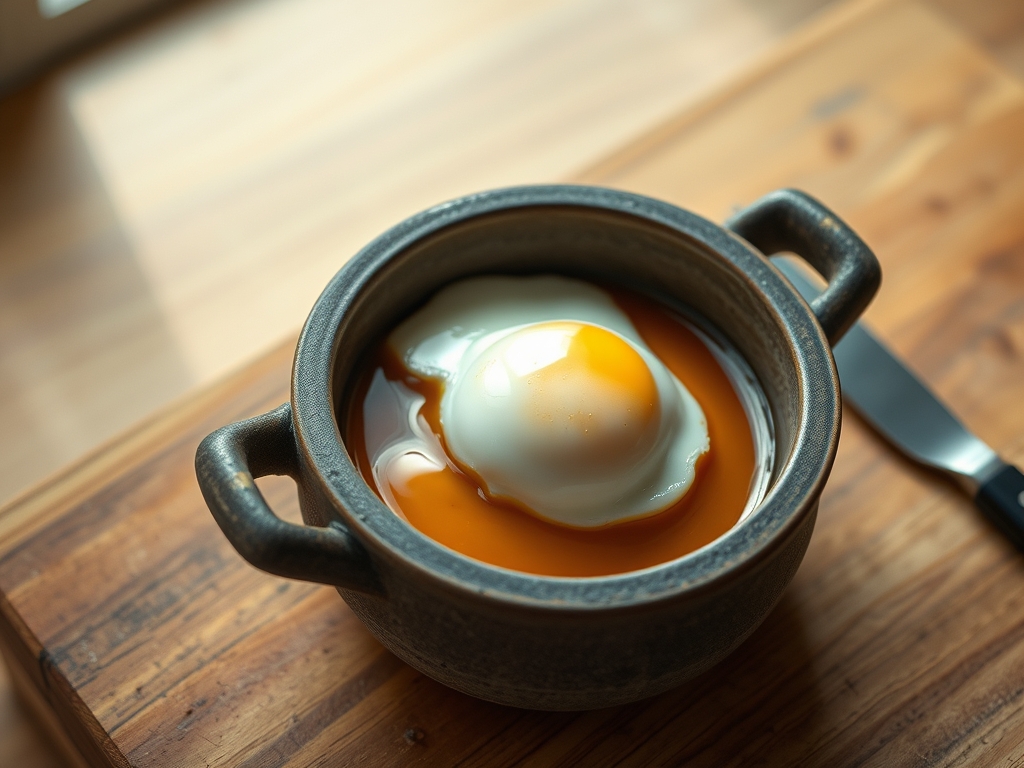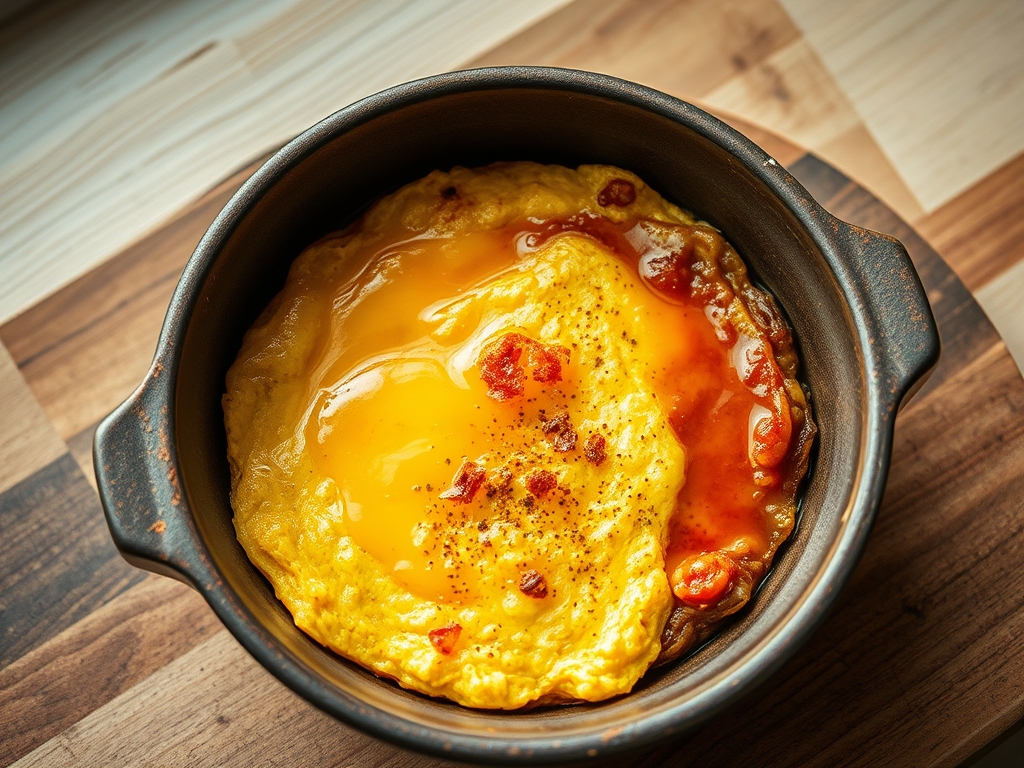
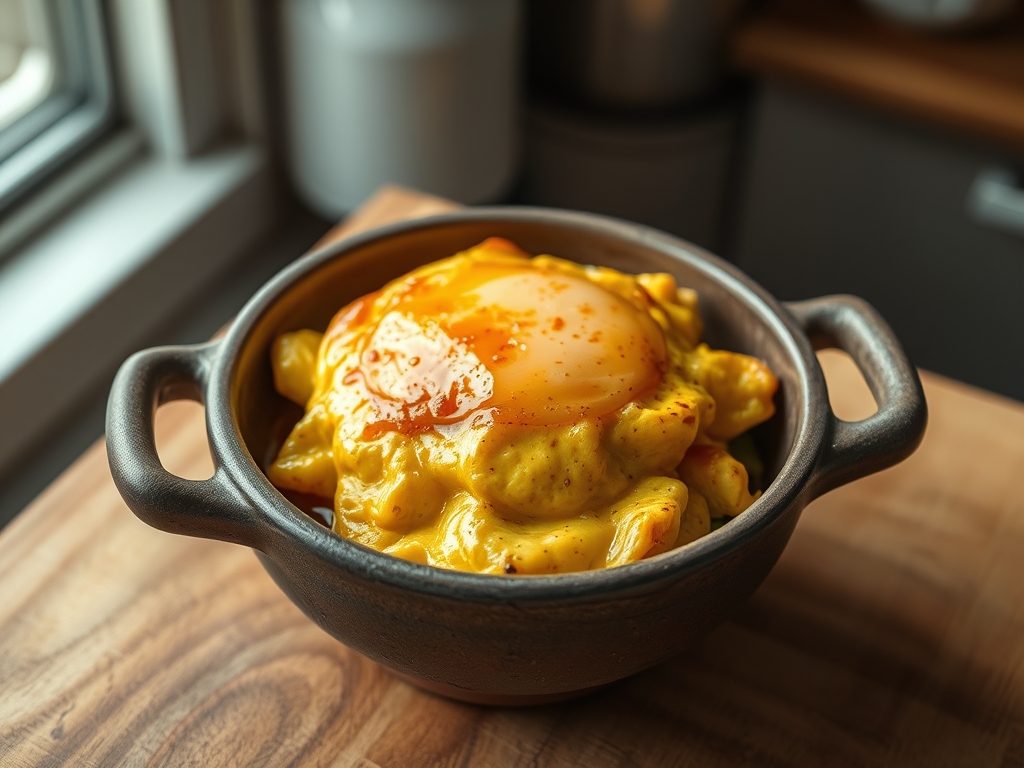
Forget everything you know about the rubbery, yellow sponges served at continental breakfast buffets. We are entering the realm of fluid dynamics and thermal equilibrium. This is not just breakfast; this is a high-stakes engineering project where the primary objective is the suspension of lipids within a delicate protein lattice. To master the art of the soft curd, one must respect Scrambled Egg Physics. We are manipulating the coagulation of ovalbumin and mucin proteins to create a texture that is more akin to a savory custard than a solid mass.
Imagine a texture so viscous and velvety that it barely holds its shape on the fork. This requires a precise understanding of how heat transfers through a metal substrate into a liquid emulsion. If you apply too much energy too quickly, the protein strands snap shut like a biological mousetrap, squeezing out moisture and leaving you with a weeping, tough mess. We are here to prevent that structural failure. We are here to build a masterpiece of edible infrastructure.
THE DATA MATRIX
| Metric | Specification |
|---|---|
| Prep Time | 5 Minutes |
| Execution Time | 4 Minutes |
| Yield | 2 Servings |
| Complexity | 7 / 10 |
| Estimated Cost per Serving | $1.45 USD |
THE GATHERS
Ingredient Protocol:
- 4 Large Pasture-Raised Eggs (approx. 200g / 7 oz)
- 30ml / 2 tbsp Heavy Cream (36% milkfat)
- 28g / 2 tbsp Unsalted European Butter (high butterfat content)
- 2g / 0.5 tsp Fine Sea Salt
- 1g / 0.25 tsp White Pepper (to maintain visual purity)
- 5g / 1 tbsp Fresh Chives (minced for a piquant finish)
Section A: Ingredient Quality Audit:
If your eggs are past their prime, the chalazae will weaken and the whites will become watery, leading to a structural collapse in the pan. To fix this, use a fine-mesh sieve to drain off the excess "thin white" before whisking. If you only have access to low-fat milk instead of heavy cream, you must compensate for the missing lipids by whisking in an extra 5g of cold, cubed butter during the final stages of cooking to infuse the curd with the necessary richness.
THE MASTERCLASS
1. The Emulsification Phase
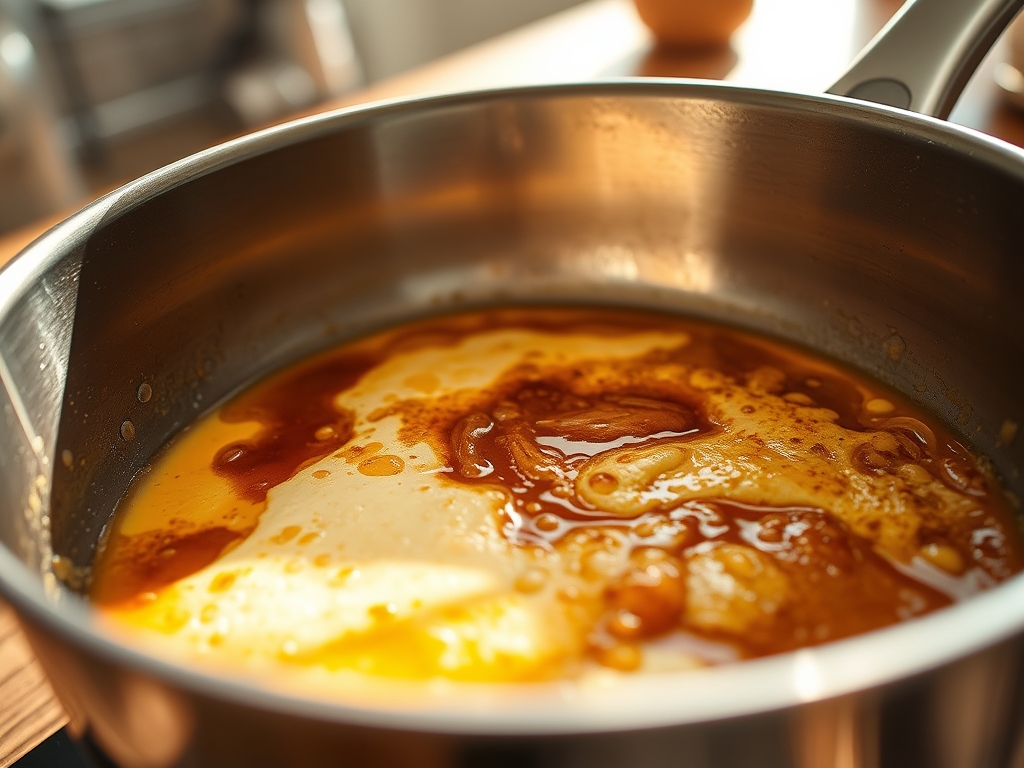
Crack your eggs into a stainless steel mixing bowl and add the cream and salt. Use a balloon whisk to aerate the mixture until no streaks of albumen remain. The goal is a homogenous, pale yellow liquid with a consistent viscosity.
Pro Tip: Use a digital scale to ensure your egg-to-dairy ratio is exact. Precision in the raw state prevents unpredictable behavior once the mixture hits the thermal surface. Salt acts as a stabilizer here; it denatures the proteins slightly before cooking, which prevents them from bonding too tightly.
2. Thermal Priming
Place a heavy-bottomed saucier or non-stick skillet over medium-low heat. Add the butter and wait for it to render into a liquid state. Do not allow it to brown; we are looking for a gentle foam, not a Maillard reaction.
Pro Tip: A saucier is superior to a flat frying pan because its curved walls allow for continuous movement of the curds, preventing "dead zones" where the egg might overcook. Use an infrared thermometer to ensure the pan surface is between 140 and 150 degrees Fahrenheit.
3. Kinetic Agitation
Pour the egg mixture into the center of the pan. Immediately begin stirring with a high-heat silicone spatula or a bench scraper if using a flat griddle. Use small, circular motions to create tiny, delicate curds.
Pro Tip: This is the core of Scrambled Egg Physics. Constant agitation breaks down the protein bonds as they form, resulting in a "small curd" texture. If you stop moving the spatula, you will create large, flat sheets of egg, which destroys the custard-like mouthfeel we are targeting.
4. The Residual Heat Transition
When the eggs look 80 percent cooked—appearing like a thick, wet porridge—remove the pan from the heat entirely. Continue stirring for another 30 seconds. The residual energy stored in the pan's metal core will finish the job.
Pro Tip: Professional chefs know that eggs are "done in the pan" when they still look "undone to the eye." By the time the plate reaches the table, the internal temperature will have equalized, resulting in the perfect soft-set finish.
Section B: Prep & Timing Fault-Lines:
The most common human error is "The Walking Away Syndrome." If you leave the stove to toast bread, you have already lost. The window between "perfectly set" and "over-coagulated" is approximately 15 seconds. To mitigate this, ensure all garnishes and plating surfaces are ready before the eggs ever touch the heat. If you overshoot the temperature, immediately stir in a teaspoon of cold heavy cream to "kill" the heat and stop the cooking process instantly.
THE VISUAL SPECTRUM
Section C: Thermal & Visual Troubleshooting:
Look closely at the Masterclass photo above. Notice the absence of browning. If your eggs show any brown or golden spots, your pan temperature was too high, causing a premature Maillard reaction that toughens the protein. If the eggs appear dull or matte, you likely lacked sufficient fats; a healthy sheen indicates a successful emulsion of butter and yolk. For uneven color, ensure you are whisking more vigorously in the prep stage. A "streaky" egg is a sign of poor mechanical integration.
THE DEEP DIVE
Macro Nutrition Profile:
A standard two-egg serving with cream and butter provides approximately 320 calories. You are looking at 14g of high-biological-value protein, 28g of healthy fats, and less than 2g of carbohydrates. This is a nutrient-dense powerhouse designed for sustained cognitive function.
Dietary Swaps (Vegan/Keto/GF):
- Keto: This recipe is natively Keto-compliant. Increase the butter for higher fat macros.
- GF: Naturally gluten-free. Ensure your spices are certified.
- Vegan: Replace eggs with a mung-bean-based substitute and use a high-quality vegan butter made from cashew or coconut oil to maintain the lipid profile.
Meal Prep & Reheating Science:
Soft scrambled eggs are notoriously difficult to reheat because the microwave vibrates water molecules, causing the protein lattice to tighten and leak moisture. To maintain molecular structure, reheat in a double boiler (bain-marie) over gentle steam, stirring constantly to redistribute the heat without shocking the proteins.
THE KITCHEN TABLE
Why do my eggs leak water on the plate?
This is syneresis. The protein strands have tightened too much due to high heat, squeezing out the liquid. To prevent this, lower your flame and remove the eggs from the heat while they still look slightly wet.
Can I use a whisk in the pan?
Only if you are using a stainless steel saucier. A whisk creates even smaller curds for a "mousse" texture. Avoid using metal whisks on non-stick surfaces to prevent PTFE contamination in your infrastructure.
Does the salt type really matter?
Yes. Fine sea salt dissolves faster in the raw egg mixture than kosher salt. Rapid dissolution ensures the proteins are evenly seasoned and denatured before they hit the heat, leading to a more uniform curd structure.
Why add cream instead of water?
Water creates steam, which puffs the eggs up but leaves them dry. Cream provides fats that coat the protein strands, acting as a lubricant that prevents them from bonding too tightly, ensuring a creamy, viscous result.