Forget every rubbery, flavorless chicken breast that has ever insulted your palate during a misguided attempt at healthy eating. We are currently conducting a forensic investigation into the physics of protein denaturation. Traditional poaching is a chaotic thermal assault where cold meat meets boiling water; it results in a tightened, hydrophobic mess that rejects moisture. The cold start method is the sophisticated antidote. By placing the protein in room-temperature liquid and gradually scaling the heat, we manage the transition of myofibrillar proteins with surgical precision. This is not just cooking; it is an exercise in structural integrity. The Poached Chicken Data confirms that a slow ramp-up prevents the aggressive contraction of muscle fibers, keeping the intracellular juices trapped where they belong. We are aiming for a texture that is velvety and almost translucent in its purity. This audit will transform your kitchen into a high-output laboratory where the final product is consistently succulent, perfectly seasoned, and scientifically superior to any high-heat alternative.
THE DATA MATRIX
| Metric | Specification |
|---|---|
| Prep Time | 10 Minutes |
| Execution Time | 25-30 Minutes |
| Yield | 4 Servings |
| Complexity (1-10) | 3 |
| Estimated Cost per Serving | $3.50 |
THE GATHERS
Ingredient Protocol:
- 2 Large Chicken Breasts (approx. 500g / 1.1 lbs)
- Filtered Water or Bone Broth (1L / 4.2 cups)
- Kosher Salt (15g / 1 tbsp)
- Whole Black Peppercorns (5g / 1 tsp)
- Fresh Aromatics: Thyme, Garlic, Ginger (30g / 2 tbsp)
- Dry White Wine (optional for acidity) (60ml / 0.25 cup)
Section A: Ingredient Quality Audit:
The primary failure point in poultry procurement is the "woody breast" phenomenon. This is a metabolic abnormality in mass-produced birds that results in hard, fibrous tissue. If your raw material feels unnaturally firm or displays white striping, no amount of thermal finesse will save it. Technical fix: source air-chilled, organic poultry to ensure the cellular structure is compliant. If you are stuck with sub-par protein, a preliminary 30-minute brine in a 5 percent salt solution will help to infuse moisture and partially break down the toughest fibers before you even apply heat.
THE MASTERCLASS
1. Submersion and Seasoning
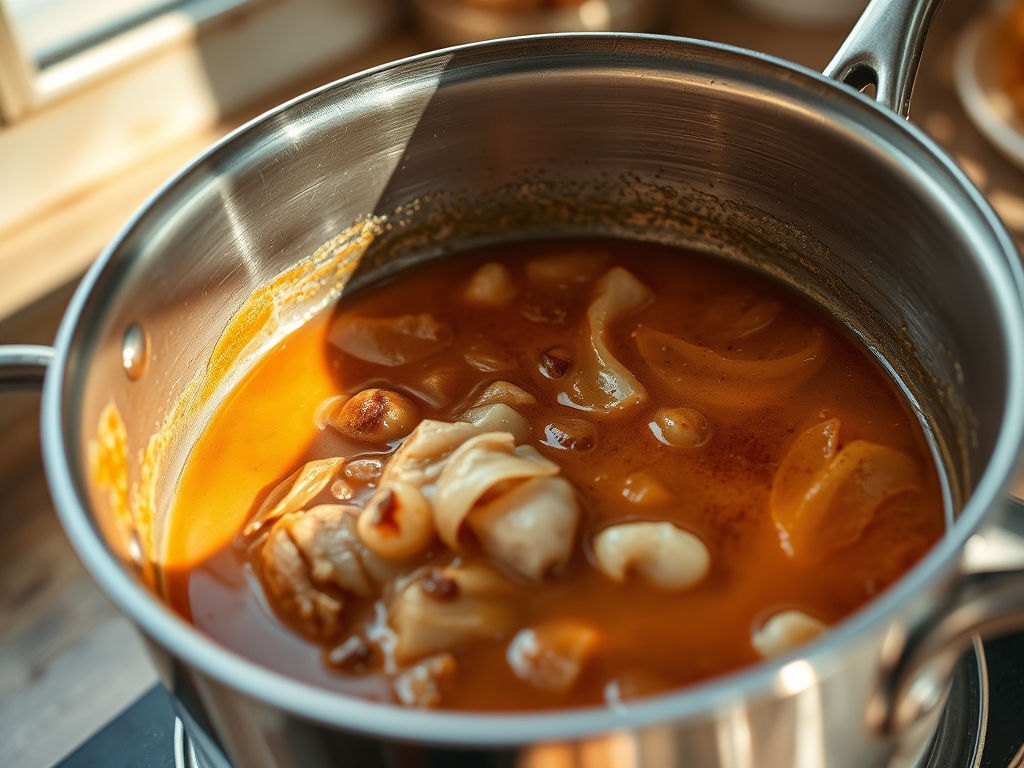
Place the chicken breasts in a heavy-bottomed saucier or a wide Dutch oven. Cover them with your liquid of choice until they are submerged by at least two centimeters. Add your salt, peppercorns, and aromatics now. Starting with cold liquid allows the flavors to infuse into the meat as the temperature rises, rather than just coating the exterior.
Pro Tip: Use a digital scale to measure your salt. Volumetric measurements are notoriously unreliable. Precise salinity ensures that osmosis works in your favor, pulling seasoning into the deep interior of the muscle.
2. Controlled Thermal Ascent
Place the vessel over medium-low heat. Do not rush this process. You are looking for a gradual climb toward the "shimmer" stage. We are avoiding a rolling boil at all costs. As the liquid warms, use a bench scraper to move any aromatics that might be sticking to the bottom, ensuring even heat distribution.
Pro Tip: The science here involves the gentle unfolding of proteins. If you hit 100 degrees Celsius too fast, the proteins snap shut like a trap, squeezing out the water. Slow heating allows the collagen to begin softening without the muscle fibers panicking.
3. The Poaching Threshold
Once the liquid reaches a bare simmer (approximately 80 degrees Celsius), reduce the heat to the lowest setting. You should see only the occasional bubble breaking the surface. This is the "sweet spot" for gentle denaturation. Cover the pot with a tight-fitting lid to trap the steam and maintain a constant internal environment.
Pro Tip: Use an instant-read probe thermometer to monitor the liquid. Maintaining a consistent 75 to 80 degrees Celsius is the hallmark of a professional-grade poach. This temperature is high enough to kill pathogens but low enough to preserve the viscous quality of the natural juices.
4. The Carry-over Finish
When the internal temperature of the chicken reaches 71 degrees Celsius (160 degrees Fahrenheit), remove the pot from the heat entirely. Let the chicken rest in the poaching liquid for five to ten minutes. This allows the temperature to equalize and the muscle fibers to relax, reabsorbing any liquid that was displaced during the heating phase.
Pro Tip: This is the most ignored step in culinary infrastructure. Resting in the liquid prevents the surface from drying out and ensures the final texture is uniform from the edge to the core.
Section B: Prep & Timing Fault-Lines:
The most common human error is the "set it and forget it" fallacy. If the liquid reaches a boil, you have effectively turned your kitchen into a rubber factory. If you see vigorous bubbles, immediately add a splash of cold water or a few ice cubes to drop the temperature. Another timing error is cutting the meat too soon. If you slice into the protein immediately after removal, the internal pressure will force the juices out, leaving you with a dry, disappointing result.
THE VISUAL SPECTRUM
Section C: Thermal & Visual Troubleshooting:
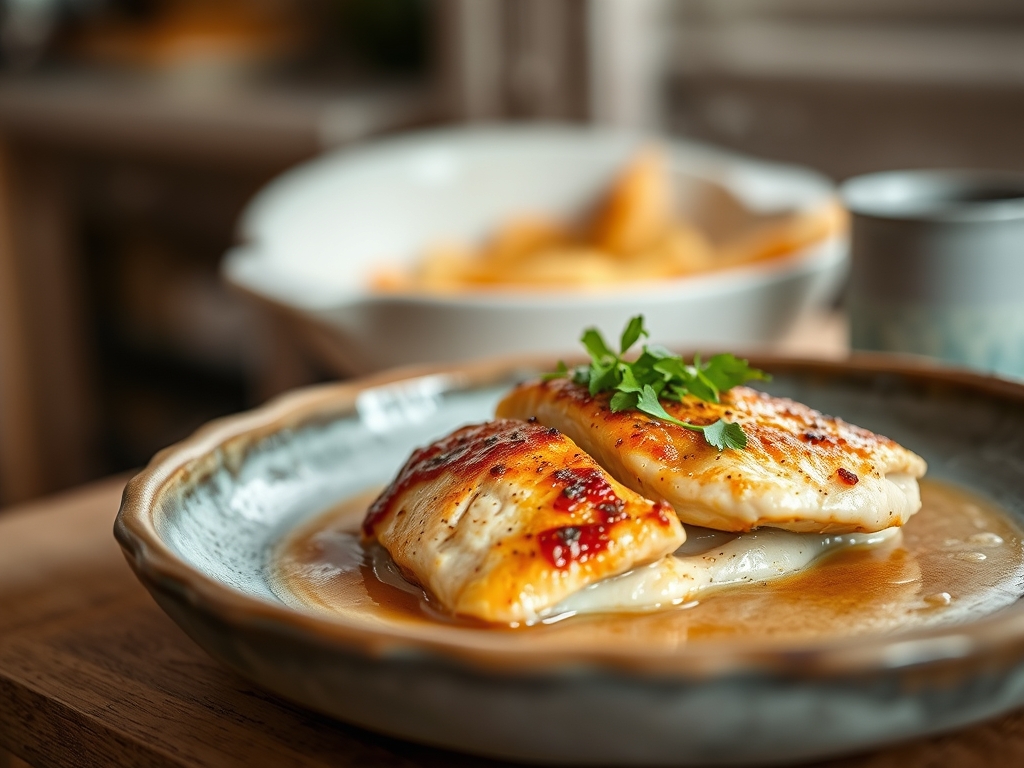
In the Masterclass photo above, observe the pearlescent sheen on the sliced surface. This is the visual cue for success. If the meat looks chalky or opaque, it is overcooked. If the center looks pink or gelatinous, the thermal core did not reach the safety threshold. Dull colors in the aromatics suggest they were added too late or the liquid was too cold for too long. To fix a "dull" presentation, finish the sliced chicken with a piquant herb oil or a splash of the poaching liquid to render a glossy, appetizing finish.
THE DEEP DIVE
Macro Nutrition Profile:
Poached chicken is the gold standard for lean protein. A 150g serving typically contains 45g of protein, 3g of fat, and 0g of carbohydrates. Because we are not using fats for searing, the caloric density remains low while the nutrient bioavailability remains high.
Dietary Swaps:
- Vegan: Substitute the chicken with extra-firm tofu or thick cauliflower steaks. The cold-start method works exceptionally well for tofu, allowing it to absorb the infuse aromatics without becoming mushy.
- Keto/GF: This method is inherently keto and gluten-free. To increase fat content for keto, replace half the water with heavy cream or coconut milk to create a viscous, rich poaching medium.
Meal Prep & Reheating Science:
To maintain the molecular structure during reheating, do not use a microwave. Instead, warm the chicken gently in a small amount of the reserved poaching liquid over low heat. This prevents the proteins from tightening up a second time, which is the primary cause of "leftover chicken syndrome."
THE KITCHEN TABLE
Why is my poached chicken still tough?
You likely allowed the water to reach a rolling boil. High heat causes muscle fibers to contract violently. Next time, monitor the temperature with a probe and keep the liquid under 82 degrees Celsius for the duration.
Can I use the poaching liquid afterward?
Absolutely. That liquid is now a fortified "quick stock" filled with chicken essence and aromatic oils. Strain it through a fine-mesh sieve and use it as a base for soups or to deglaze a pan for a quick sauce.
How do I get more flavor into the meat?
Increase the salinity of your starting liquid and add more piquant aromatics like lemongrass or star anise. The cold start method relies on the liquid being highly seasoned so that flavor moves into the meat via osmosis.
Is it safe to start chicken in cold water?
Yes. As long as the chicken reaches an internal temperature of 74 degrees Celsius (165 degrees Fahrenheit) eventually, the starting temperature of the water does not pose a safety risk in a standard home or professional kitchen environment.