Listen to the sound of a structural collapse. It is the rhythmic, wet slapping of a high-hydration dough against the side of a stainless steel mixing bowl. This is the sound of Brioche Enrichment; a high-stakes chemical gamble where we force a massive volume of lipid solids into a fragile gluten matrix. Most amateur bakers treat butter as a mere flavoring agent. They are wrong. In the world of elite patisserie, butter is a structural disruptor that must be tamed through sheer mechanical force and thermal precision. When done correctly, the result is a crumb so light it feels like spun gold and a crust that shatters with a piquant, buttery resonance. We are not just baking bread; we are engineering an edible cloud. We are balancing the scales between the elasticity of wheat proteins and the shortening power of milk fats. If you crave that signature yellow interior and a crumb that tears like silk, you must respect the science of the emulsification. Let us begin the audit.
THE DATA MATRIX
| Metric | Specification |
|---|---|
| Prep Time | 45 Minutes (Active) |
| Execution Time | 18 to 24 Hours (Includes Cold Ferment) |
| Yield | 2 Large Loaves (900g each) |
| Complexity (1-10) | 8.5 (Advanced Emulsification) |
| Estimated Cost per Serving | $0.85 USD |
THE GATHERS
Ingredient Protocol:
- 500g / 4 cups Bread Flour (High protein content is non-negotiable)
- 10g / 2 tsp Fine Sea Salt
- 50g / 1/4 cup Granulated Sugar
- 10g / 1 tbsp Instant Yeast
- 300g / 6 Large Eggs (Cold)
- 250g / 1 cup Unsalted European-Style Butter (82 percent butterfat minimum)
- 30ml / 2 tbsp Whole Milk (For the initial hydration)
Section A: Ingredient Quality Audit:
The primary failure point in Brioche Enrichment is the quality of the lipids. Standard supermarket butter often contains up to 18 percent water; this excess moisture will render your dough into a soup rather than a cohesive mass. Always source European-style butter with a higher fat-to-water ratio. If your flour has a protein content lower than 12.7 percent, the gluten strands will snap under the weight of the fat. To fix this, you can supplement with 10g of vital wheat gluten to provide the necessary tensile strength. If your eggs are room temperature, the friction from the mixer will overheat the dough and melt the butter prematurely. Always use eggs straight from the refrigerator to act as a thermal buffer.
THE MASTERCLASS
Step 1: The Dry Integration and Hydration
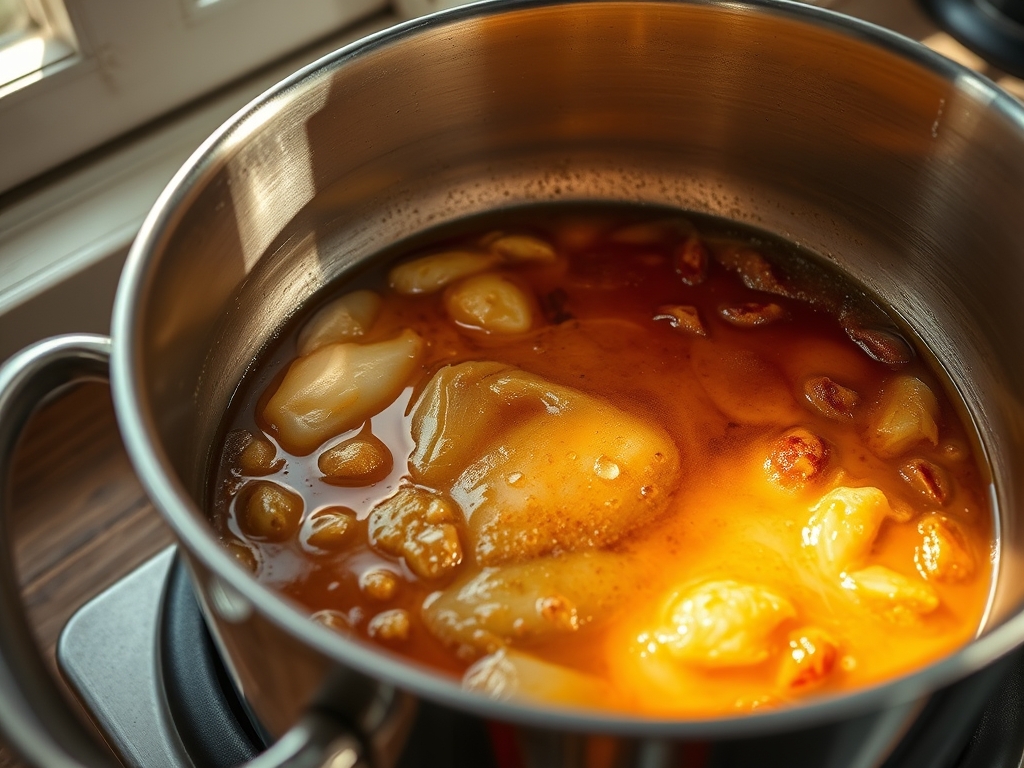
Combine your flour, sugar, salt, and yeast in the bowl of a heavy-duty stand mixer. Add the cold eggs and milk. Using the dough hook attachment, mix on low speed until a shaggy, cohesive mass forms and no dry flour remains. This stage is about hydrating the proteins before the fat interference begins.
Pro Tip: Use a digital scale for every measurement. Volumetric cups are the enemy of consistency in high-fat doughs. Even a 5 percent variance in flour weight can prevent the dough from clearing the sides of the bowl.
Step 2: Developing the Primary Gluten Shield
Increase the mixer speed to medium. You must knead the dough until it achieves a full "windowpane" effect before adding a single gram of butter. This creates the structural scaffolding required to hold the fat. The dough should be elastic and pull away cleanly from the bowl.
Pro Tip: Use a bench scraper to occasionally scrape down the sides. The mechanical action of the mixer generates heat; if the dough exceeds 77 degrees Fahrenheit (25 Celsius), stop and refrigerate the bowl for ten minutes.
Step 3: The Lipid Injection Phase
This is the critical Brioche Enrichment phase. With the mixer running, add the butter one tablespoon at a time. The butter should be "pliable" but still cool to the touch. Do not add the next piece until the previous one is fully incorporated. The dough will look like it is falling apart; stay the course.
Pro Tip: If the dough begins to look greasy or viscous, your butter is melting. Professional bakers often use an infrared thermometer to monitor dough temperature during this phase to ensure the emulsion remains stable.
Step 4: The Cold Ferment Strategy
Once all the butter is incorporated and the dough is smooth and shiny, transfer it to a lidded container. Let it sit at room temperature for one hour, then move it to the refrigerator for at least 12 hours. This chills the butter, making the dough easy to handle and allowing the yeast to produce complex organic acids.
Pro Tip: A cold ferment is the secret to a professional finish. It allows the flavors to infuse deeply into the crumb and ensures the dough is firm enough to shape without sticking to your hands.
Section B: Prep & Timing Fault-Lines:
The most common human error is impatience during the butter integration. If you dump the butter in all at once, you will coat the flour particles in fat, preventing them from bonding. This results in a cake-like texture rather than a bread-like tear. Another fault-line is the proofing temperature. If you proof the shaped loaves in a spot that is too warm (above 85 degrees Fahrenheit), the butter will leak out of the dough and pool at the bottom of the pan. This destroys the lamination and results in a greasy, heavy product.
THE VISUAL SPECTRUM
Section C: Thermal & Visual Troubleshooting:
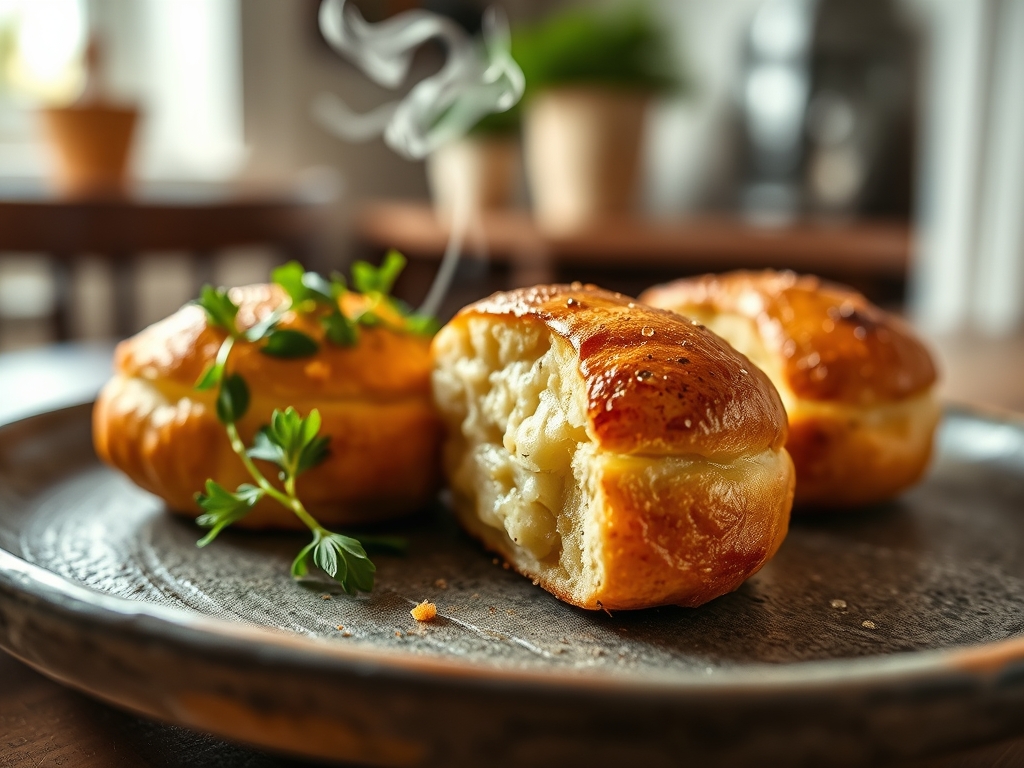
Referencing the Masterclass photo, a perfect brioche should exhibit a deep, mahogany crust with a high-gloss sheen. This is achieved through a double egg wash. If your crust is pale, you likely under-proofed the dough or your oven temperature was too low. If the bread has "shredded" or burst at the sides, your gluten was too tight and you did not score the top deeply enough with a sharp blade. The interior should be a uniform, pale gold. If you see large air pockets or "tunnels," this indicates an uneven distribution of yeast or improper degassing during the shaping phase. The visual cue for a finished bake is a "hollow" sound when tapped on the bottom and an internal temperature of 190 degrees Fahrenheit.
THE DEEP DIVE
Macro Nutrition Profile:
Brioche is a calorie-dense luxury. A single 100g serving typically contains 350-400 calories, with approximately 18g of fat, 45g of carbohydrates, and 8g of protein. The high egg content provides a significant amount of Vitamin A and Choline.
Dietary Swaps:
For a vegan alternative, replace the butter with a high-quality plant-based block (ensure it has a high saturated fat content like coconut or cocoa butter) and use aquafaba in place of eggs. For a Gluten-Free version, you must use a blend containing xanthan gum and psyllium husk to replicate the missing protein lattice, though the texture will be more dense.
Meal Prep & Reheating Science:
To maintain the molecular structure, store brioche at room temperature in a paper bag for up to two days. For long-term storage, slice and freeze. To reheat, use a toaster or a low-heat oven. Avoid the microwave; it agitates the water molecules and causes the starch to retrograde rapidly, resulting in a rubbery texture once it cools.
THE KITCHEN TABLE
Why is my brioche so heavy and dense?
You likely added the butter before the gluten was fully developed. Without a strong protein network, the fat collapses the air cells. Ensure you achieve a translucent windowpane test before the Brioche Enrichment phase begins.
Can I knead this dough by hand?
It is possible but physically exhausting. The heat from your hands tends to melt the butter, which breaks the emulsion. If you must work by hand, do so in a very cold kitchen and use a metal bench scraper.
Why did my butter leak out during baking?
This is a sign of over-proofing in a warm environment. If the dough gets too hot, the butter liquefies and separates from the flour. Keep your proofing area around 75 to 78 degrees Fahrenheit for the best results.
How do I get that ultra-shiny professional crust?
The secret is a double-coat of egg wash. Apply the first coat immediately after shaping, and the second coat right before the loaves enter the oven. Add a pinch of salt to the egg wash to liquefy the chalazae.