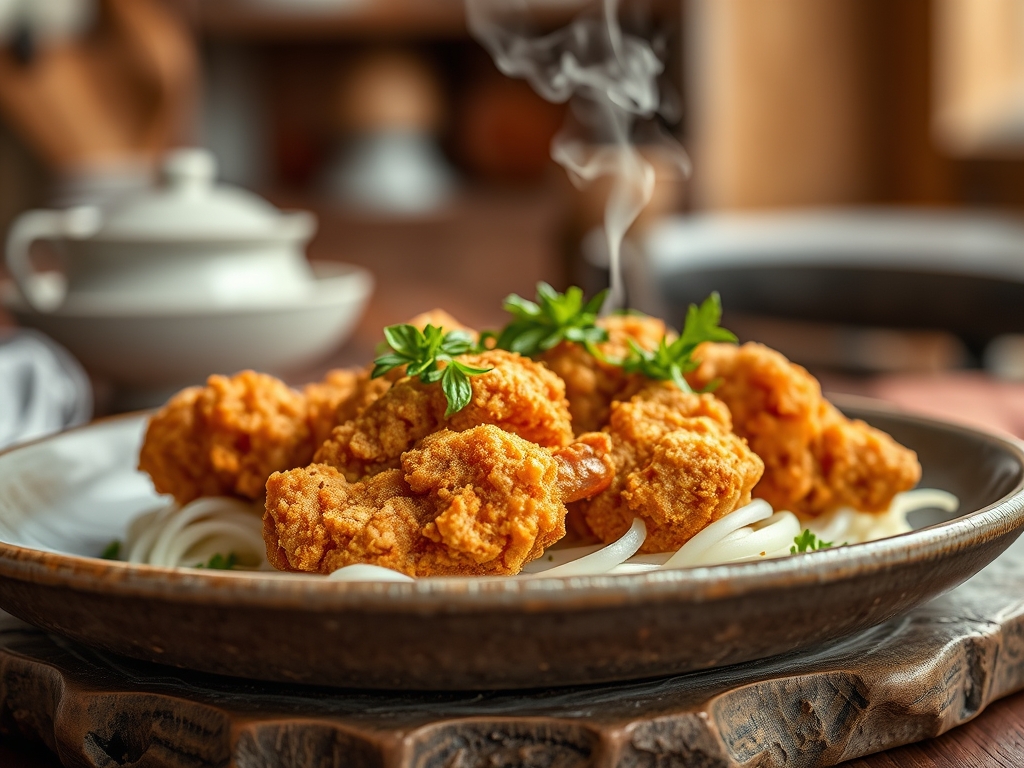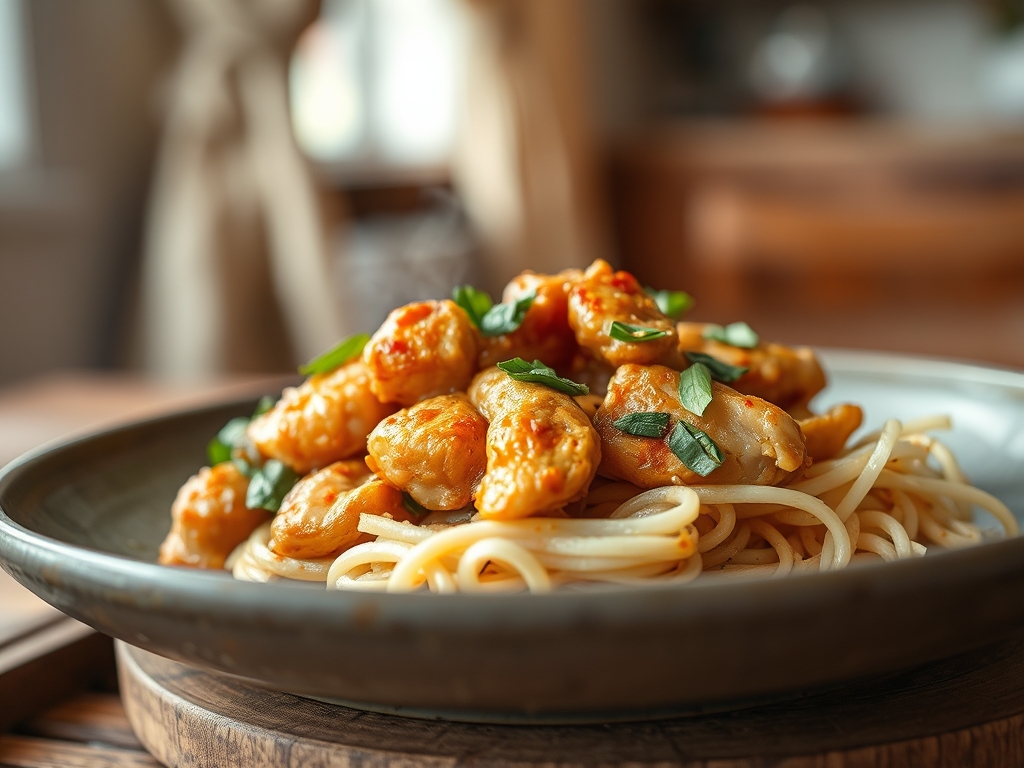
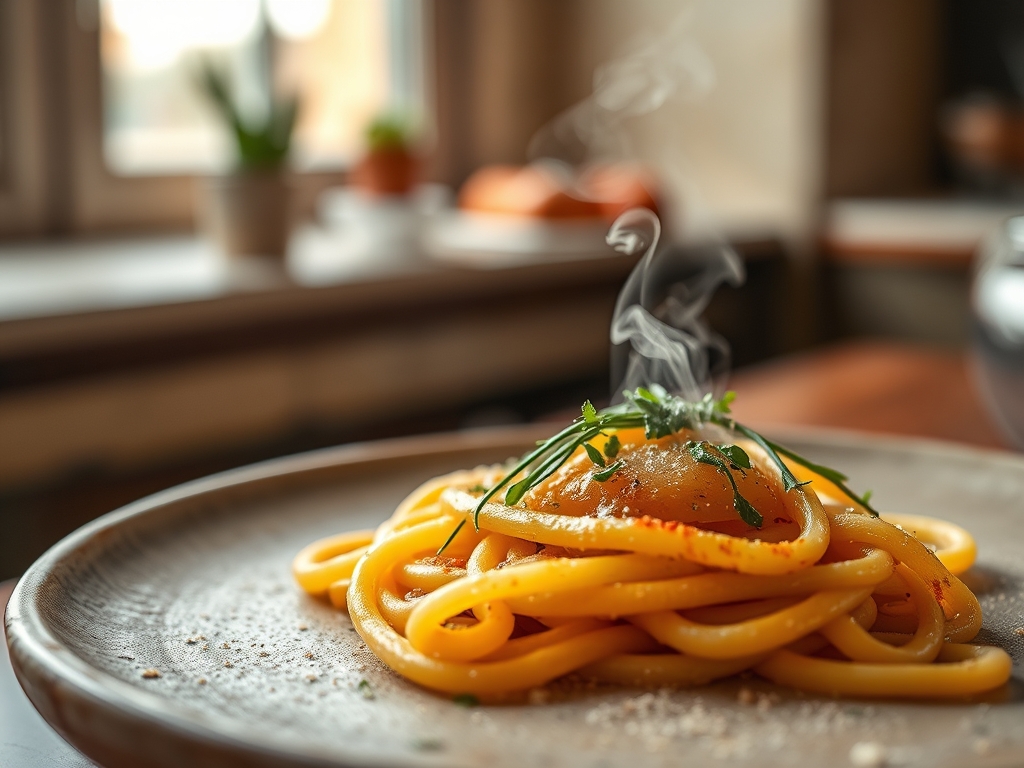
Forget the romanticized imagery of an Italian grandmother dusting flour in a sunlit kitchen for a moment. We are here to discuss the high stakes world of Pasta Dough Mechanics; a rigorous discipline where the difference between a silken masterpiece and a rubbery disaster is measured in microns and millibar pressures. When you press your palms into a mound of durum semolina, you are not just making dinner. You are initiating a complex biochemical transformation. You are hydrating proteins to forge a gluten matrix that must be both elastic and plastic. The friction of your hands generates heat, which begins to denature the surface proteins, while the ambient humidity dictates whether your dough will be a supple ally or a crumbly adversary. This is an audit of structural integrity. We are looking for that perfect "al dente" snap, a result of starch granules swelling within a tightly woven protein net. If you fail to respect the physics of the knead, your sauce will slide off a slick, under-developed surface. Let us get to work.
THE DATA MATRIX
| Metric | Specification |
|---|---|
| Prep Time | 20 Minutes |
| Execution Time | 45 Minutes (Excluding Rest) |
| Yield | 4 Standard Servings |
| Complexity (1-10) | 7 (Manual Dexterity Required) |
| Estimated Cost per Serving | $0.85 USD |
THE GATHERS
Ingredient Protocol:
- 400g / 3.25 cups Semola Rimacinata (Double-milled durum flour)
- 200ml / 0.85 cups Warm filtered water (Approximately 38 degrees Celsius)
- 5g / 1 tsp Fine sea salt
- 15ml / 1 tbsp Extra virgin olive oil (High polyphenol count preferred)
Section A: Ingredient Quality Audit:
The primary failure point in Pasta Dough Mechanics is often the "ash content" and granulation of the flour. If you are using standard All-Purpose flour, your gluten network will lack the tensile strength required for hand-rolled shapes like orecchiette or pici. The fix? Source Semola Rimacinata. It has a higher protein content and a gritty texture that facilitates better sauce adhesion. If your dough feels excessively brittle, your water may have high mineral "hardness," which interferes with protein hydration. Use filtered water to ensure a clean molecular bond. If the dough lacks a golden hue, your flour may be oxidized; fresh milling is the gold standard for vibrant, amber results.
THE MASTERCLASS
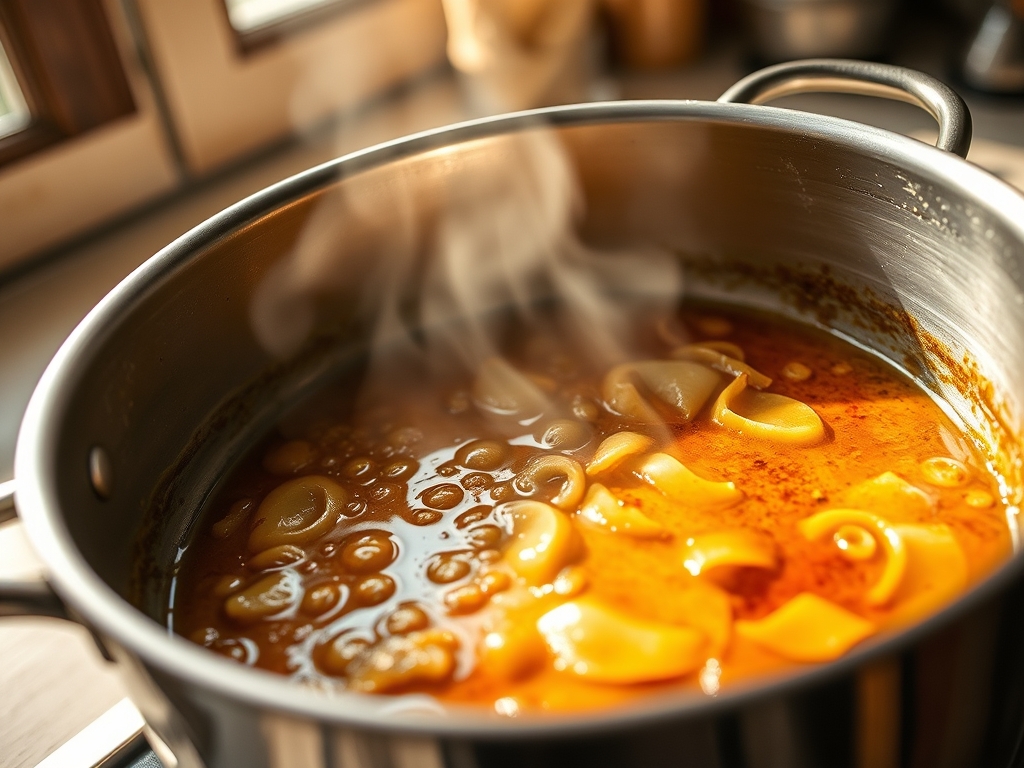
1. The Well Formation and Hydration Phase
Clear your workstation and create a wide crater with the semolina. Pour your warm water into the center. Use a fork to slowly whisk the inner walls of the flour into the liquid, creating a viscous slurry. Do not breach the outer wall prematurely, or you will lose your hydration control.
Pro Tip: Use a digital scale to measure your water by weight rather than volume. Water density changes with temperature; weighing ensures the hydration ratio remains a constant 50 percent, which is the "sweet spot" for durum-based Pasta Dough Mechanics.
2. The Bench Scraper Integration
Once the center is a thick paste, use a stainless steel bench scraper to fold the remaining dry flour over the wet core. Chop the mixture together until it resembles shaggy "crumbs." This prevents the heat from your hands from prematurely melting any fats if you were using an egg-based dough, though here it ensures even distribution of moisture.
Pro Tip: A bench scraper is superior to hands in this phase because it prevents "hot spots" in the dough. It keeps the flour aerated and prevents the formation of dry, unhydrated pockets that lead to white spots in the finished pasta.
3. The Kinetic Knead
This is where the structural audit happens. Push the dough away from you with the heel of your hand, fold it back, rotate 90 degrees, and repeat. You must do this for at least 10 minutes. You are looking to render the shaggy mass into a smooth, matte sphere.
Pro Tip: The science here is "alignment." Kneading aligns the long-chain proteins. If you stop too early, the dough will "snap back" when rolled. Use the "poke test": if the indentation fills back slowly, the gluten network is sufficiently developed.
4. The Autolyse Rest
Wrap the dough tightly in plastic film. Let it sit at room temperature for at least 30 minutes. This is not a suggestion; it is a biochemical necessity. The water needs time to fully infuse into the center of the starch granules, relaxing the gluten you just agitated.
Pro Tip: During the rest, enzymes called proteases begin to break down some of the gluten bonds just enough to make the dough extensible. Without this, your hand-rolled shapes will be tough and chewy rather than tender.
5. The Structural Shaping
Cut a small portion of dough, keeping the rest covered to prevent a "skin" from forming. Roll it into a long rope about 1cm thick. Use your thumb or a butter knife to drag and flip the dough into your desired shape.
Pro Tip: If the dough feels too "springy," it hasn't rested long enough. If it is too sticky, dust your wooden board with a light coating of semolina to aerate the surface and prevent tearing.
Section B: Prep & Timing Fault-Lines:
Temperature is the silent killer. If your kitchen is over 25 degrees Celsius, the dough may become too soft and lose its "bite." Conversely, a cold draft can cause the surface to dehydrate and crack. Always rest your dough in a "neutral" zone. Timing is also critical; if you leave the dough to rest for more than two hours without refrigeration, the enzymatic activity can over-soften the structure, leading to a "mushy" mouthfeel upon boiling.
THE VISUAL SPECTRUM
Section C: Thermal & Visual Troubleshooting:
Referencing the Masterclass photo, your dough should exhibit a uniform, pale straw color with no visible white flecks of dry flour. If you see "marbling," your kneading was insufficient. If the surface looks dull or "chalky," the dough has dehydrated; a quick mist of water can infuse the surface with necessary moisture. If your pasta turns greyish after sitting, it is reacting to oxygen; keep it covered. For the best visual result, ensure your boiling water is "salty as the sea" to lock in the amber hue during the short 2 to 3 minute cook time.
THE DEEP DIVE
Macro Nutrition Profile:
Per serving, this semolina pasta provides approximately 350 calories, 12g of protein, 70g of carbohydrates, and 2g of fat. It is a high-energy fuel source with a lower glycemic index than refined white flour pasta.
Dietary Swaps:
- Vegan: This recipe is naturally vegan.
- Keto: Substitute semolina with a blend of almond flour, lupin flour, and xanthan gum (though the Pasta Dough Mechanics will shift from gluten-based to hydrocolloid-based).
- Gluten-Free: Use a high-quality GF flour blend with extra binders like psyllium husk to mimic the elasticity of durum.
Meal Prep & Reheating Science:
To maintain molecular structure, flash-freeze hand-rolled pasta on a tray before bagging. When reheating, do not microwave. Instead, deglaze a pan with a little pasta water and sauce, then toss the noodles in briefly to re-emulsify the fats and starches.
THE KITCHEN TABLE
Why is my pasta dough tough?
You likely over-worked the dough or failed to let it rest. The autolyse phase is essential for relaxing gluten. Without it, the proteins remain "clenched," resulting in a rubbery texture that resists the bite.
Can I use a food processor?
Yes, for the initial integration. However, the high-speed blades can shear gluten strands rather than stretching them. Always finish with a manual knead to ensure the protein chains are properly aligned for maximum structural integrity.
How do I prevent pasta from sticking?
Ensure your hydration is not exceeding 50 percent. Use a wooden work surface, which absorbs excess surface moisture, and toss finished shapes in a light dusting of coarse semolina rather than fine flour to create a physical barrier.
Why did my pasta fall apart in the water?
This indicates a failure in the gluten matrix. Either the flour had insufficient protein or you did not knead it long enough to develop the necessary bonds. The starch granules washed away because they weren't "trapped" by protein.