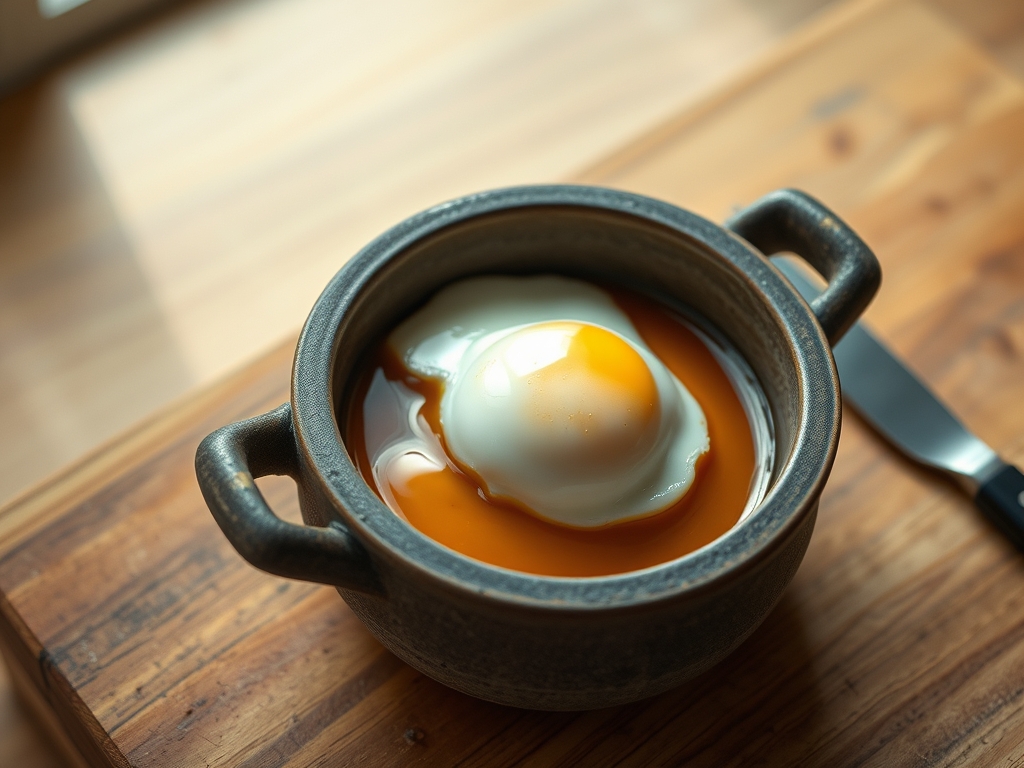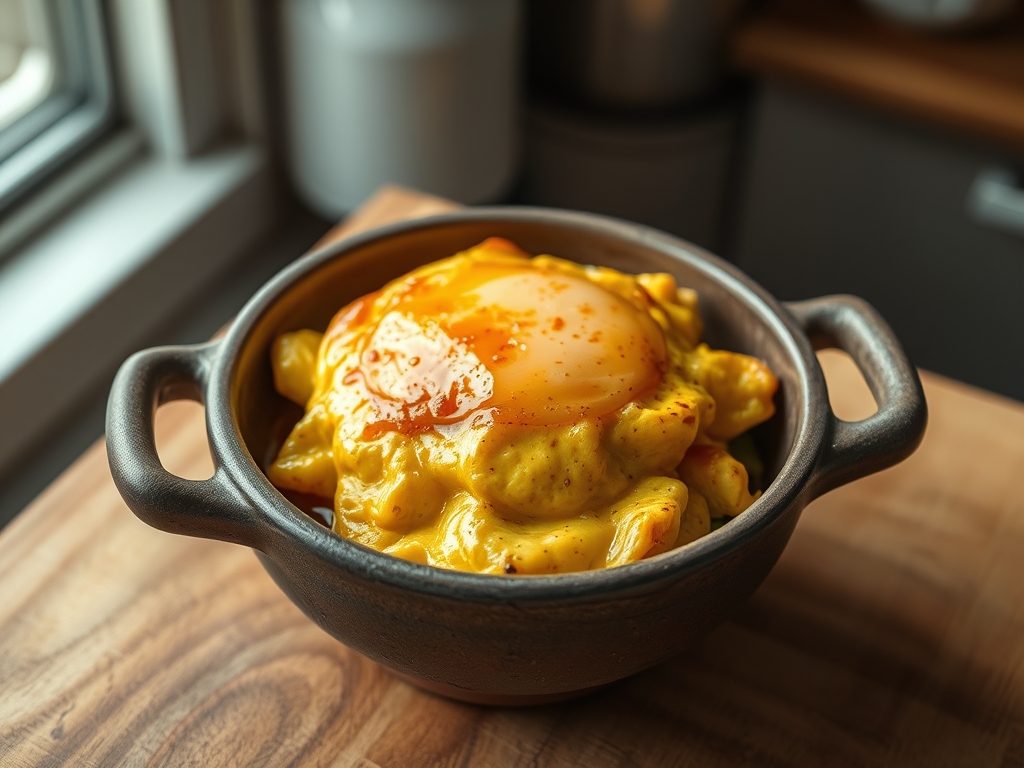
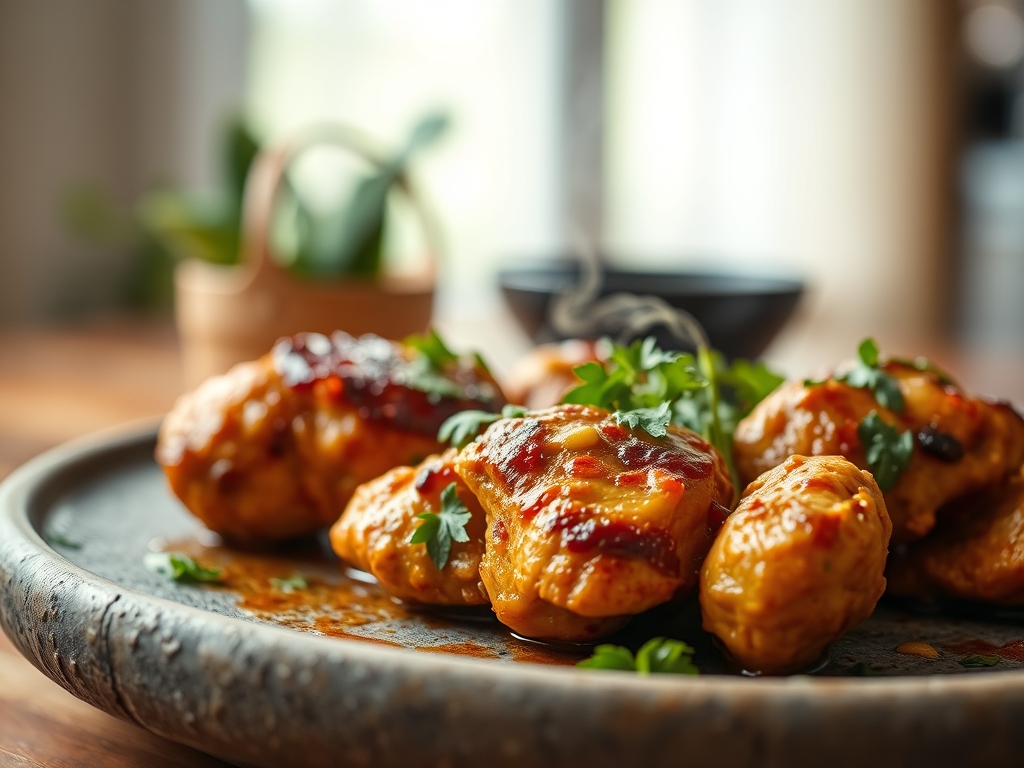
Stop settling for flaccid, uninspired poultry that lacks the structural integrity of a world class dish. We are here to perform a forensic analysis of flavor, specifically the chemical warfare known as Chicken Tikka Marination. This is not just a recipe; it is a technical audit of how lactic acid and proteolytic enzymes dismantle muscle fibers to create a texture so succulent it borders on the scandalous. When you introduce chicken to a high fat yogurt base, you are initiating a controlled degradation. The acidity weakens the collagen, while the calcium activates indigenous enzymes that further tenderize the protein from the inside out. We are aiming for that iconic, piquant profile where the heat of Kashmiri chili meets the cooling embrace of dairy. The goal is a charred exterior that yields to a butter soft interior, achieving a level of moisture retention that defies the dry heat of a tandoor or a conventional broiler. Prepare your palate for a high velocity collision of spice and science.
THE DATA MATRIX
| Metric | Specification |
|---|---|
| Prep Time | 25 Minutes |
| Execution Time | 15 Minutes |
| Yield | 4 Servings |
| Complexity | 4 / 10 |
| Estimated Cost per Serving | $3.50 |
THE GATHERS
Ingredient Protocol:
- 800g / 1.75 lbs Boneless Chicken Thighs (cubed into 1.5 inch pieces)
- 250ml / 1 cup Greek Yogurt (full fat, strained)
- 30ml / 2 tbsp Ginger Garlic Paste (freshly pulverized)
- 15ml / 1 tbsp Kashmiri Red Chili Powder
- 5ml / 1 tsp Garam Masala (high volatility blend)
- 5ml / 1 tsp Turmeric Powder
- 10ml / 2 tsp Kasuri Methi (dried fenugreek leaves, crushed)
- 30ml / 2 tbsp Mustard Oil (cold pressed for pungency)
- 15ml / 1 tbsp Lemon Juice (freshly squeezed)
- 10g / 2 tsp Sea Salt
Section A: Ingredient Quality Audit:
If your yogurt is watery, your marinade will fail to adhere, resulting in a thin, weeping mess rather than a viscous coating. Fix: Strain regular yogurt through cheesecloth for two hours to reach the desired density. If your spices look dull or gray, their essential oils have oxidized. Fix: Briefly toast whole spices in a saucier before grinding to reactivate the aromatic compounds. Using chicken breast instead of thighs? You must reduce the cooking time by 20 percent to prevent the protein from becoming fibrous and chalky.
THE MASTERCLASS
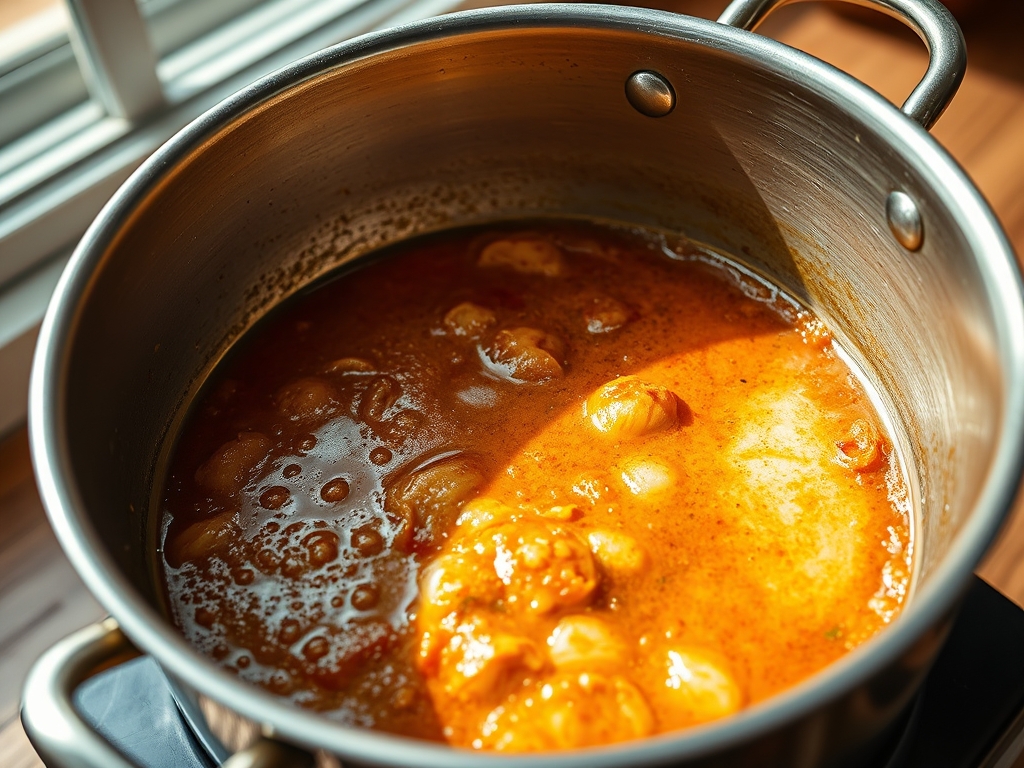
1. The Acidic Pre-Wash
Place your cubed chicken in a stainless steel mixing bowl and toss with lemon juice and salt. Allow this to sit for 10 minutes while you prepare the secondary marinade. This initial exposure to low pH levels begins the denaturation process immediately.
Pro Tip: Use a digital scale to measure your salt precisely; 1.5 percent salt by weight is the golden ratio for optimal moisture retention via osmosis.
2. Emulsifying the Spice Matrix
In a separate bowl, whisk the yogurt, mustard oil, and all dry spices until the mixture is completely homogenous and a vibrant, deep crimson color. You want to infuse the fat soluble spice compounds into the mustard oil for maximum flavor delivery.
Pro Tip: Use a small balloon whisk to ensure the ginger garlic paste is fully integrated, preventing pungent clumps from ruining the mouthfeel.
3. The Molecular Integration
Combine the chicken with the spiced yogurt mixture. Use your hands or a silicon spatula to ensure every square millimeter of the protein is coated. Massage the marinade into the meat to encourage the enzymes to penetrate deep into the tissue.
Pro Tip: A bench scraper is excellent for cleaning your workstation after this step to ensure no cross contamination of raw poultry juices occurs.
4. The Cold Cure
Cover the bowl with airtight film and refrigerate for at least 4 hours, though 12 hours is the sweet spot for structural breakdown. The cold temperature slows down bacterial growth while allowing the lactic acid to work its magic on the connective tissues.
Pro Tip: Do not exceed 24 hours in the marinade; the acid will eventually turn the meat mushy as the protein structure collapses entirely.
5. The Thermal Execution
Thread the chicken onto metal skewers and blast them under a high heat broiler or over a charcoal flame. You are looking for the Maillard reaction to create dark, charred spots on the edges while the center remains juicy.
Pro Tip: Use an instant read thermometer to pull the chicken at 165 degrees Fahrenheit (74 Celsius) to ensure safety without sacrificing the delicate texture.
Section B: Prep & Timing Fault-Lines:
The most common failure is the "Thermal Shock" error. If you move chicken directly from a 38 degree refrigerator to a 500 degree grill, the exterior will incinerate before the interior reaches safety. Solution: Let the marinated meat sit at room temperature for 20 minutes before cooking. Another fault line is overcrowding the pan or skewer. If the pieces touch too closely, they will steam rather than sear, robbing you of that essential charred crust.
THE VISUAL SPECTRUM
Section C: Thermal & Visual Troubleshooting:
Referencing the Masterclass photo, your Chicken Tikka Marination should result in a matte, opaque coating that clings to the meat even after cooking. If the color is pale yellow rather than vibrant orange red, your chili to turmeric ratio is off; increase the Kashmiri chili for that signature hue. If the meat looks "wet" or glossy after cooking, the yogurt did not have enough fat content to render properly. If you see grey patches, your heat source was insufficient to trigger the Maillard reaction. Aim for those blackened "leopard spots" on the edges; they provide the bitter contrast necessary to balance the creamy, acidic marinade.
THE DEEP DIVE
Macro Nutrition Profile:
A standard serving provides approximately 35g of protein, 12g of fat (primarily from the yogurt and mustard oil), and 4g of carbohydrates. It is a high density, muscle building fuel source with a moderate caloric footprint.
Dietary Swaps:
- Vegan: Substitute chicken with extra firm tofu or seitan. Use a coconut milk yogurt or cashew cream base to maintain the fat content.
- Keto: This recipe is naturally keto compliant. Ensure your yogurt has no added sugars.
- GF: Naturally gluten free. Verify that your Garam Masala blend has no flour based anti caking agents.
Meal Prep & Reheating Science:
To maintain the molecular structure during reheating, avoid the microwave. The high frequency waves agitate water molecules, causing the chicken to steam from the inside and become rubbery. Instead, use an air fryer at 350 degrees for 4 minutes. This reactivates the fats in the marinade and restores the exterior crispness without overcooking the core.
THE KITCHEN TABLE
Why is my chicken tikka dry even with yogurt?
You likely overcooked it or used chicken breast without adjusting the timing. Yogurt tenderizes, but it cannot stop evaporation if the internal temperature exceeds 170 degrees Fahrenheit. Always use a digital probe to monitor the thermal progress.
Can I use Greek yogurt instead of regular?
Yes, Greek yogurt is actually preferred. Its lower water content and higher protein density create a thicker, more viscous marinade that adheres better to the meat during the high heat cooking process.
What does mustard oil actually do?
Mustard oil contains allyl isothiocyanate, which provides a unique, nasal clearing pungency. It also has a high smoke point, making it ideal for the intense heat required to achieve the perfect Tikka char.
Is the lemon juice step really necessary?
Absolutely. The lemon juice acts as a primary "denaturant." It begins breaking down the surface proteins immediately, allowing the secondary yogurt marinade to penetrate deeper and more effectively into the muscle fibers.
How do I get that bright red color without dyes?
The secret is Kashmiri Chili Powder. It is prized for its vibrant pigment rather than extreme capsaicin heat. If you lack it, a mix of paprika and a touch of cayenne will suffice.