Imagine a landscape where protein fibers are not merely cooked but are systematically dismantled and rebuilt through the mechanism of Chicken Curry Saturation. We are not just making dinner; we are conducting a high-stakes audit of osmotic pressure and thermal kinetics. The air in the kitchen should be heavy with the scent of toasted coriander and the sharp, piquant sting of fresh ginger. This is the moment where the mundane chicken thigh undergoes a molecular promotion. We are aiming for a saturation point where the curry base does not simply coat the meat but infiltrates the cellular structure of every fiber. This requires a precise balance of fat, acid, and heat. If you fail to achieve total Chicken Curry Saturation, you are merely eating boiled poultry in a tinted broth. Success, however, means a dish where the sauce and the protein have achieved a singular, viscous identity. It is loud, it is fragrant, and it is scientifically superior to anything you have ordered from a takeout menu.
THE DATA MATRIX
| Metric | Specification |
|---|---|
| Prep Time | 25 mins |
| Execution Time | 45 mins |
| Yield | 4 Servings |
| Complexity | 6 / 10 |
| Estimated Cost per Serving | $3.75 USD |
THE GATHERS
Ingredient Protocol:
- 800g / 1.75 lbs Boneless Skinless Chicken Thighs (Uniformly cubed)
- 30ml / 2 tbsp Neutral High-Smoke Point Oil (Grapeseed or Avocado)
- 200g / 1 large Yellow Onion (Finely diced)
- 15g / 3 cloves Garlic (Microplaned)
- 15g / 1 inch Fresh Ginger (Grated)
- 30g / 2 tbsp Tomato Paste (Double concentrated)
- 15g / 1 tbsp Curry Powder (Madras style preferred)
- 5g / 1 tsp Turmeric Powder
- 400ml / 14 oz Full-Fat Coconut Milk
- 250ml / 1 cup Chicken Bone Broth
- 15ml / 1 tbsp Fish Sauce (For umami depth)
- 5g / 1 tsp Sea Salt (Adjust to taste)
- 10g / 0.5 cup Fresh Cilantro (Roughly chopped)
Section A: Ingredient Quality Audit:
If your spices have been sitting in the cabinet since the previous administration, they are inert dust. To fix this, bloom them in hot oil for 60 seconds to wake up the fat-soluble compounds. If your chicken feels "woody" or excessively watery, it is likely poor-quality factory farming. Counteract this by dry-brining the pieces with salt for 20 minutes before cooking to tighten the protein structure. If your coconut milk has separated into a hard wax and gray water, do not discard it; simply aerate the mixture with a whisk or immersion blender before adding it to the pot to ensure a stable emulsion.
THE MASTERCLASS
1. The Maillard Initiation
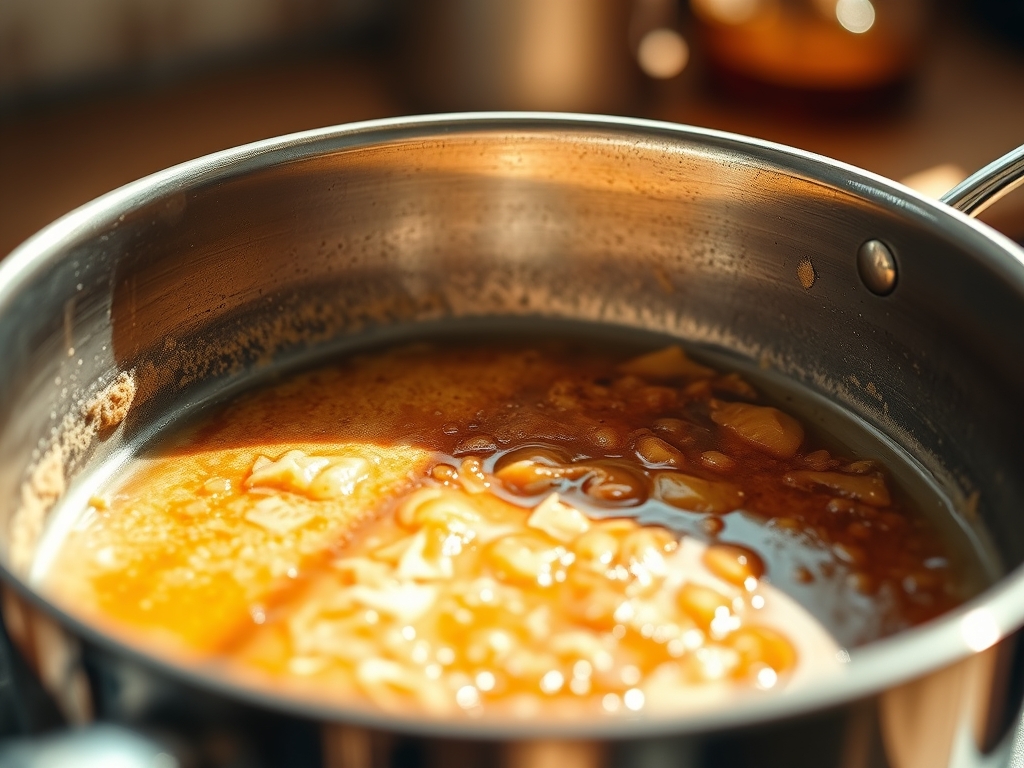
Pat the chicken pieces bone-dry with paper towels. Heat your heavy-bottomed saucier over medium-high heat until the oil shimmers. Sear the chicken in batches, ensuring you do not crowd the pan. We are looking for a deep, golden-brown crust.
Pro Tip: Use a bench scraper to move the chicken efficiently from the cutting board to the pan. Browning creates the flavor foundation; if the pan is too cold, the chicken will steam in its own juices rather than render fat and develop a crust.
2. Aromatics and Base Construction
Remove the chicken and lower the heat. Add the onions, scraping up the brown bits (fond) from the bottom of the pan. Once translucent, add the garlic and ginger. This is where the infrastructure of the flavor is built.
Pro Tip: Use a digital scale to measure your aromatics. Consistency is the hallmark of a professional kitchen. The moisture from the onions will naturally deglaze the pan, incorporating those caramelized proteins back into the sauce.
3. The Spice Bloom and Saturation
Add the tomato paste and spices. Stir constantly for two minutes until the paste turns a dark brick red. Re-introduce the chicken and toss to coat every single piece. This is the primary phase of Chicken Curry Saturation.
Pro Tip: Spices are hydrophobic. By frying them in the residual fat before adding liquid, you unlock the essential oils. A high-quality silicone spatula is essential here to ensure no spice paste is left scorching on the corners of the pan.
4. Liquid Integration and Reduction
Pour in the coconut milk and bone broth. Bring to a gentle simmer, not a rolling boil. The goal is to reduce the liquid until it becomes a viscous velvet that clings to the meat.
Pro Tip: Use a thermometer to ensure the liquid stays around 190 degrees Fahrenheit. High heat will break the coconut milk emulsion, leading to a greasy, separated sauce. Slow reduction allows the sauce to infuse the meat deeply.
Section B: Prep & Timing Fault-Lines:
The most common error is rushing the onion caramelization. If you undercook the onions, the sauce will be grainy and sharp rather than sweet and smooth. If the chicken is overcooked, the fibers will become stringy and resist saturation. Always pull the chicken when it hits an internal temperature of 165 degrees Fahrenheit. If your sauce is too thin, do not add flour; instead, increase the surface area by simmering uncovered in a wider pan to accelerate evaporation.
THE VISUAL SPECTRUM
Section C: Thermal & Visual Troubleshooting:
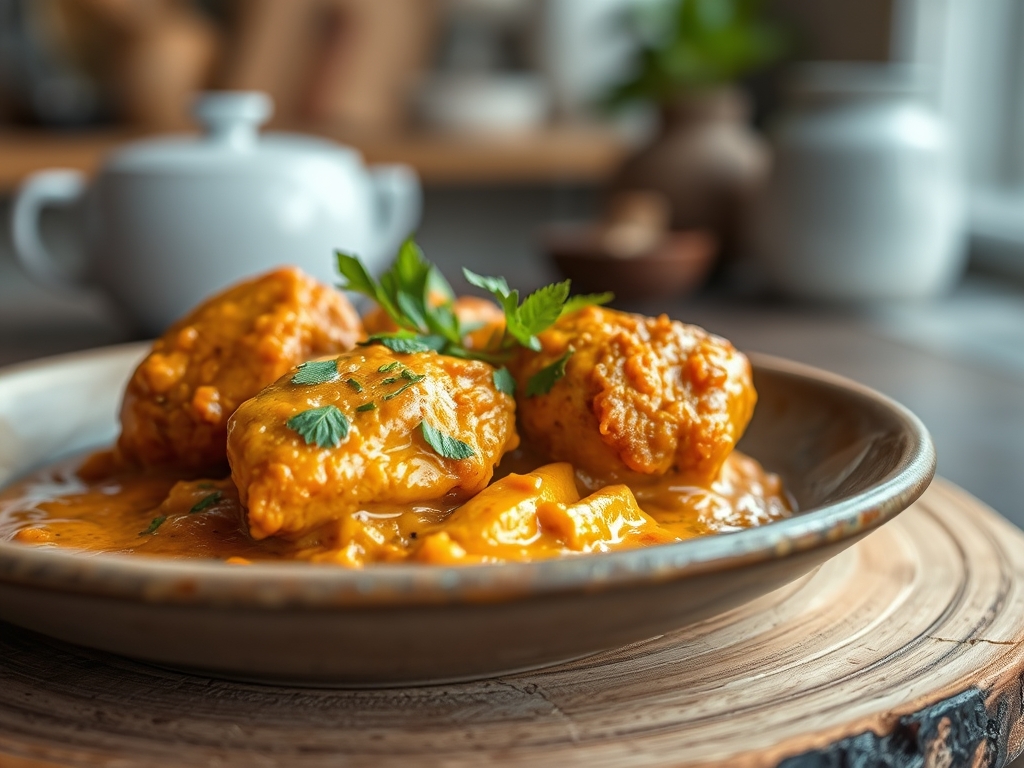
Referencing the Masterclass photo, your final product should exhibit a vibrant, sunset-orange hue, not a dull yellow. If the color is muted, your turmeric is old or you skimped on the tomato paste. The sauce should have a "sheen" but not a layer of floating oil. If the oil has separated, whisk in a tablespoon of warm water to re-emulsify. The chicken should look plump and glistening; if it looks matte or dry, it has been over-reduced. Ensure the cilantro is added at the very last second to provide a sharp green contrast against the warm tones of the curry.
THE DEEP DIVE
Macro Nutrition Profile:
A standard serving contains approximately 450 calories, 32g of protein, 12g of carbohydrates, and 30g of healthy fats. The high fat content from the coconut milk is essential for the delivery of fat-soluble vitamins found in the spices.
Dietary Swaps:
- Vegan: Replace chicken with firm pressed tofu or chickpeas and use vegetable bouillon.
- Keto: This recipe is naturally keto-friendly; serve over cauliflower rice.
- GF: Ensure your fish sauce is certified gluten-free.
Meal Prep & Reheating Science:
Curry is notoriously better the next day. As the dish cools, the spices continue to undergo molecular diffusion into the meat. To reheat, avoid the microwave, which can cause the chicken to become rubbery. Instead, use a small saucepan over low heat and add a splash of water to restore the viscous texture of the sauce.
THE KITCHEN TABLE
Why is my curry sauce watery?
You likely skipped the reduction phase or used light coconut milk. Light versions lack the fat solids necessary for a thick emulsion. Simmer uncovered for ten additional minutes to drive off excess moisture and concentrate the flavor.
Can I use chicken breast instead?
You can, but the risk of dryness is high. Breasts lack the connective tissue that breaks down into gelatin. If using breast meat, reduce the simmering time by half to prevent the protein from becoming "chalky" and tough.
How do I make it spicier without ruining the flavor?
Avoid adding more dry powder. Instead, use a fresh Thai bird's eye chili or a teaspoon of sambal oelek during the aromatic phase. This provides a clean, sharp heat that complements the creamy coconut base.
What if I don't have fish sauce?
Substitute with an equal amount of soy sauce or a pinch of extra salt and a dash of Worcestershire sauce. The goal is to provide a fermented, salty backbone that balances the sweetness of the coconut milk.