The kitchen is not a sanctuary; it is a high-velocity laboratory where thermodynamics meets hunger. When you are operating at the edge of human endurance after a ten-hour shift, the only metric that matters is Chicken Stir Fry Speed. We are talking about the visceral roar of a carbon steel wok and the instant vaporization of moisture as protein hits a surface heated to five hundred degrees. This is not a slow-simmered Sunday affair. This is a kinetic audit of how quickly we can transform raw, fibrous muscle into a lacquered, umami-dense masterpiece. To achieve this, you must understand the physics of the sear. We are hunting for the Maillard reaction at a localized level, ensuring every millimeter of chicken breast is caramelized before the interior can overcook and turn into sawdust. The air should smell of toasted sesame and scorched soy. If your smoke alarm isn't considering a formal protest, you probably aren't moving fast enough. Strap in for a technical breakdown of the fastest, most efficient protein delivery system in your culinary arsenal.
THE DATA MATRIX
| Metric | Specification |
|---|---|
| Prep Time | 10 Minutes |
| Execution Time | 5 Minutes |
| Yield | 2 Servings |
| Complexity (1-10) | 4 |
| Estimated Cost per Serving | $4.50 USD |
THE GATHERS
Ingredient Protocol:
- 450g / 1 lb Chicken Breast (Sliced into 5mm strips)
- 30ml / 2 tbsp High-Smoke Point Oil (Grapeseed or Avocado)
- 45ml / 3 tbsp Low-Sodium Soy Sauce
- 15ml / 1 tbsp Toasted Sesame Oil
- 10g / 2 tsp Cornstarch (The velvet agent)
- 5g / 1 tsp Fresh Ginger (Grated)
- 2 Cloves Garlic (Microplaned)
- 15ml / 1 tbsp Rice Vinegar (To deglaze)
- 1 Bunch Scallions (Bias-cut for aesthetics)
Section A: Ingredient Quality Audit:
Sub-par raw materials are the primary cause of mechanical failure in high-speed cooking. If your chicken feels "woody" or excessively wet, it has been injected with a saline solution that will leach out in the pan, boiling your meat instead of searing it. The fix: Pat the protein bone-dry with paper towels and use a digital scale to ensure your cornstarch ratio is exact. If your aromatics like ginger or garlic are shriveled, they will lack the essential oils needed to infuse the fat. Always use fresh rhizomes; if they are dry, rehydrate them in a teaspoon of water before hitting the heat to prevent immediate scorching.
THE MASTERCLASS
1. The Velvet Calibration
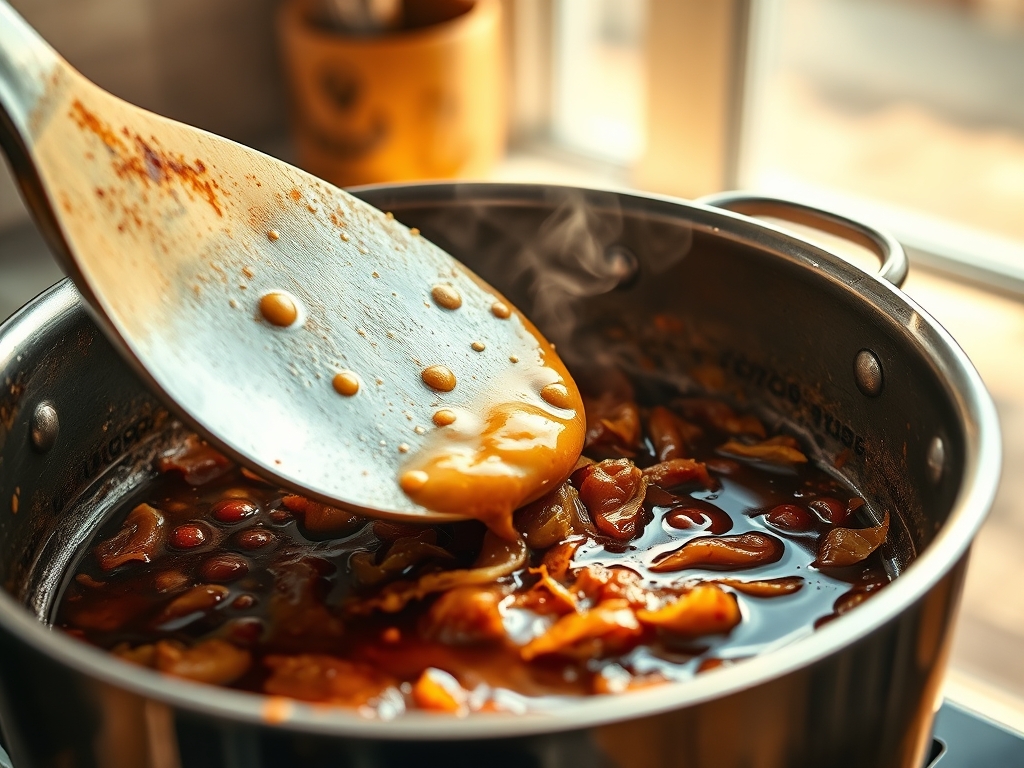
Toss your sliced chicken strips with cornstarch, soy sauce, and a splash of sesame oil in a stainless steel mixing bowl. This creates a protective barrier that keeps the interior succulent while providing a surface for the sauce to cling to.
Pro Tip: This is known as "velveting." Use a digital scale to ensure the cornstarch does not exceed 3% of the total meat weight; otherwise, the exterior becomes gummy rather than crisp. The starch acts as a physical buffer against the high-heat kinetic energy.
2. Thermal Priming
Place your heavy-bottomed skillet or wok over the highest possible flame. Add the high-smoke point oil and wait until you see the first wisps of blue smoke. This indicates the oil has reached the Leidenfrost point.
Pro Tip: Use an infrared thermometer to verify the surface temperature is at least 425 degrees Fahrenheit. A saucier with high sloped sides is excellent here if you lack a traditional wok, as it allows for better steam escape and mechanical tossing.
3. The Kinetic Sear
Add the chicken in a single layer. Do not crowd the pan. Let it sit undisturbed for sixty seconds to allow the proteins to render and brown. Use a bench scraper or a high-heat spatula to flip the strips rapidly once the first side is charred.
Pro Tip: Crowding the pan drops the surface temperature instantly, causing the meat to stew in its own juices. Work in batches if necessary to maintain the thermal mass of the pan.
4. The Aromatic Infusion
Push the chicken to the perimeter and drop the ginger and garlic into the center "well." Stir for exactly twenty seconds until the scent becomes piquant and pervasive.
Pro Tip: Garlic burns at a lower temperature than chicken. By introducing it at the 80% mark of the cook time, you capture the volatile aromatics without the bitterness of carbonization.
5. The Deglaze and Emulsify
Pour in the rice vinegar and the remaining soy sauce. The liquid will aggressively bubble and lift the fond (the browned bits) from the bottom of the pan. Toss everything together until the sauce becomes viscous and glossy.
Pro Tip: The cornstarch from the initial marinade will naturally thicken the liquid. This creates a self-emulsifying sauce that coats the protein perfectly without the need for additional thickeners.
Section B: Prep & Timing Fault-Lines:
The most common failure point is "The Hover." This occurs when a cook hesitates, allowing the pan to lose heat. If you find your chicken is grey rather than brown, your pan wasn't hot enough or you moved the meat too soon. Another fault-line is the "Aromatic Burn." If the garlic turns black, it is over. You must wipe the pan and restart, as that bitterness cannot be masked. Use a timer to track your Chicken Stir Fry Speed; if the meat is in the pan for longer than six minutes, it will lose its structural integrity and become tough.
THE VISUAL SPECTRUM
Section C: Thermal & Visual Troubleshooting:
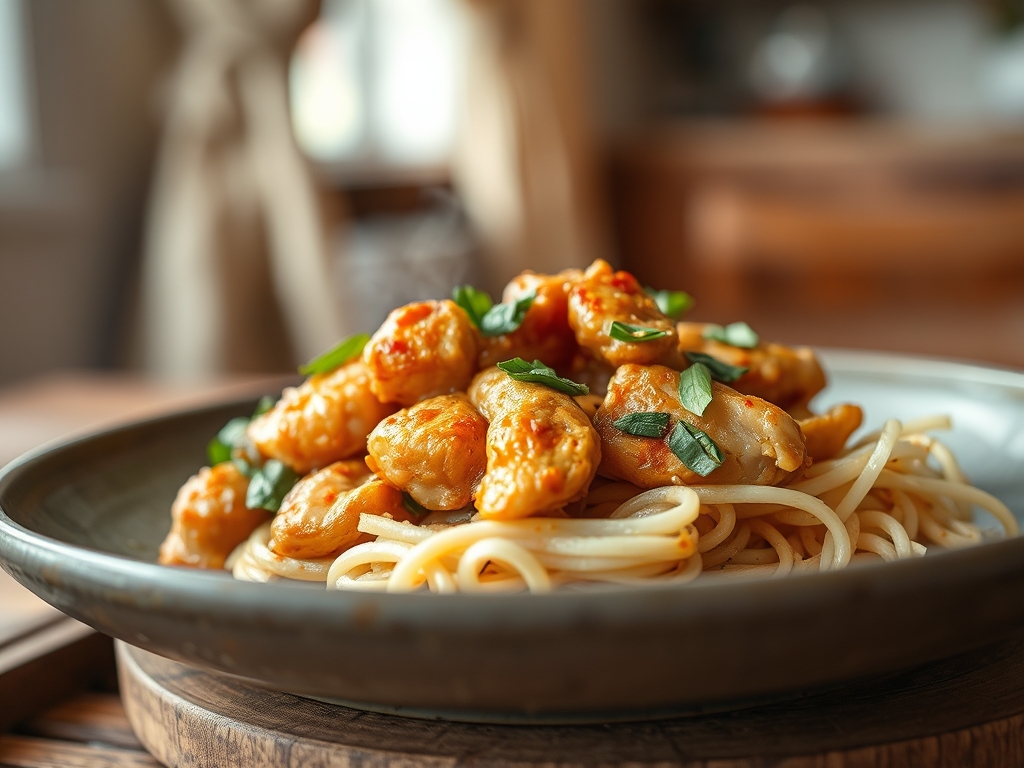
Examine the Masterclass photo. Notice the "lacquered" appearance of the chicken; this is the result of proper sugar-protein bonding. If your dish looks dull or "matte," you likely lacked enough sugar in the soy sauce or failed to reach the proper temperature for caramelization. If the scallions are limp and yellowish, they were added too early. They should be a vibrant, electric green, providing a structural contrast to the dark, rich meat. If you see "pooling" liquid at the bottom of your plate, the sauce did not properly aerate and reduce during the final toss. The goal is a tight, clinging glaze that stays on the chicken, not the ceramic.
THE DEEP DIVE
Macro Nutrition Profile
Per serving, this protocol delivers approximately 42g of Protein, 12g of Fat, and 8g of Carbohydrates. It is a high-density fuel source designed for rapid recovery. By controlling the oil volume, you keep the caloric load manageable while maximizing the satiety of the lean protein.
Dietary Swaps
- Vegan: Replace chicken with extra-firm pressed tofu or seitan strips. Ensure the tofu is pressed for at least 30 minutes to maintain the required Chicken Stir Fry Speed.
- Keto: Eliminate the cornstarch and use xanthan gum (in much smaller quantities) or simply reduce the sauce further to achieve viscosity.
- GF: Swap soy sauce for liquid aminos or tamari.
Meal Prep & Reheating Science
To maintain the molecular structure during reheating, avoid the microwave if possible. The microwave agitates water molecules, which can make the cornstarch coating soggy. Instead, flash-fry the leftovers in a hot pan for 90 seconds. This re-crisps the exterior while keeping the interior from reaching the "rubbery" phase of over-coagulated proteins.
THE KITCHEN TABLE
How do I get that restaurant-style shine?
The "shine" is a result of the cornstarch slurry emulsifying with the fat. Ensure you have a balanced ratio of liquid to starch. A final toss with a teaspoon of cold butter or extra sesame oil off-heat adds a professional gloss.
Why is my chicken always tough?
You are likely overcooking it. Chicken breast is lean and hits its peak at 165 degrees Fahrenheit. Because the strips are thin, they cook in minutes. Trust the high heat and the short duration to keep the fibers tender.
Can I use frozen chicken?
Technically yes, but it is a performance risk. Frozen chicken often contains more internal moisture. If you must use it, thaw it completely and press it between heavy towels to remove every drop of excess water before the sear.
What is the best pan for this?
Carbon steel is the gold standard for Chicken Stir Fry Speed. It responds instantly to temperature changes and develops a non-stick patina. If you use non-stick, be careful not to exceed the pan's rated temperature, as coatings can degrade.