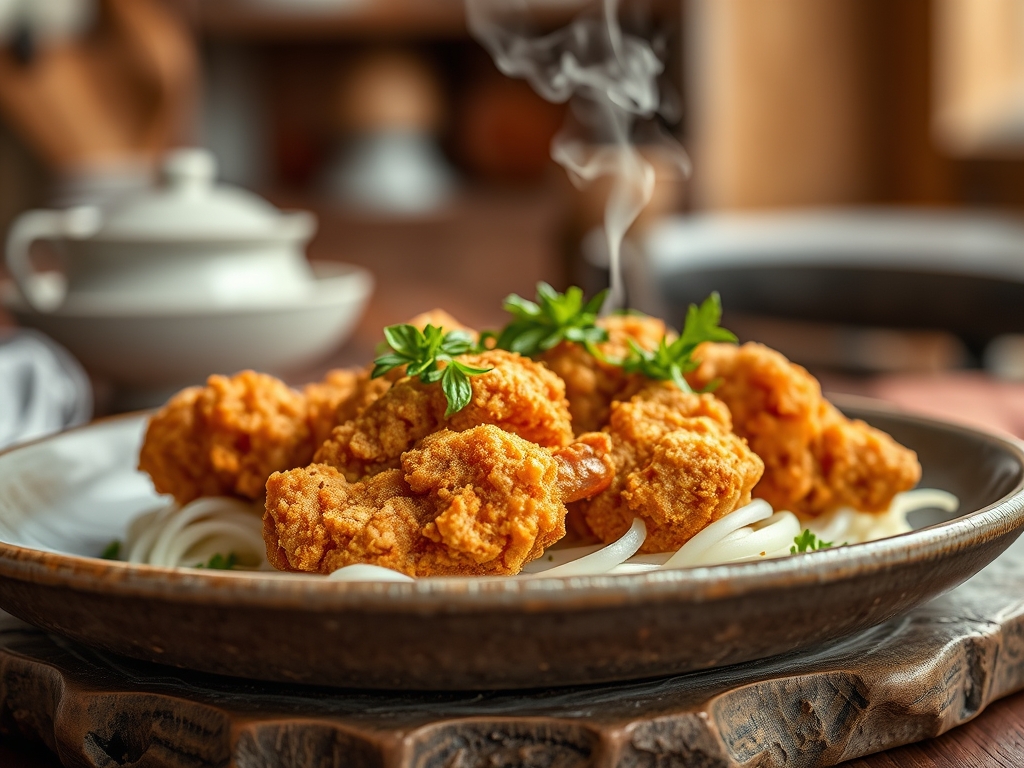
Listen to the sound of a kitchen operating at peak efficiency. It is the rhythmic thud of a heavy blade against a wooden block and the aggressive hiss of cold muscle hitting a shimmering layer of fat. We are not just making dinner; we are engineering a suspension. When you master Beef Stew Thickening, you transition from a mere hobbyist to a culinary architect. Most home cooks produce a watery, gray tragedy that lacks the structural integrity to coat a spoon. We demand more. We want a sauce that clings with intent. We want a liquid so rich it borders on the tectonic. This process begins with the Maillard reaction, where heat transforms proteins and sugars into a complex web of flavor compounds. But the soul of the dish lies in the viscosity. By manipulating starches and collagen, we create a velvet-textured medium that carries the piquant notes of red wine and aromatics directly to the palate. Prepare your station. We are about to build a masterpiece of edible infrastructure.
THE DATA MATRIX
| Metric | Specification |
|---|---|
| Prep Time | 45 Minutes |
| Execution Time | 4 Hours |
| Yield | 6-8 Servings |
| Complexity (1-10) | 7 |
| Estimated Cost per Serving | $4.50 – $6.00 |
THE GATHERS
Ingredient Protocol:
- 1.5kg / 3.3lbs Chuck Roast (cut into 5cm cubes)
- 45g / 3 tbsp All-Purpose Flour
- 60ml / 4 tbsp Neutral Oil or Rendered Beef Tallow
- 500ml / 2 cups Dry Red Wine (Cabernet or Merlot)
- 750ml / 3 cups Fortified Beef Bone Broth
- 30g / 2 tbsp Tomato Paste
- 400g / 3 large Carrots (oblique cut)
- 500g / 1lb Yukon Gold Potatoes (peeled and cubed)
- 200g / 2 medium Yellow Onions (large dice)
- 4 cloves Fresh Garlic (smashed)
- 15g / 1 tbsp Fresh Thyme and Rosemary
- 2 Bay Leaves
- Salt and Black Pepper to taste
Section A: Ingredient Quality Audit:
If your beef looks pale or wet, it has been injected with saline; pat it dry aggressively with paper towels or the steam will prevent browning. If your wine is "cooking wine" from a grocery shelf, discard it immediately. The high sodium content will ruin the balance. Use a bottle you would actually drink. If your carrots are limp, shock them in ice water for twenty minutes to restore cellular turgor before dicing. Sub-par bone broth is the most common failure point. If your store-bought broth doesn't gel when cold, it lacks the necessary gelatin. Fix this by whisking in 5g of unflavored gelatin powder before you begin the braise.
THE MASTERCLASS
1. The Sear and Fond Development
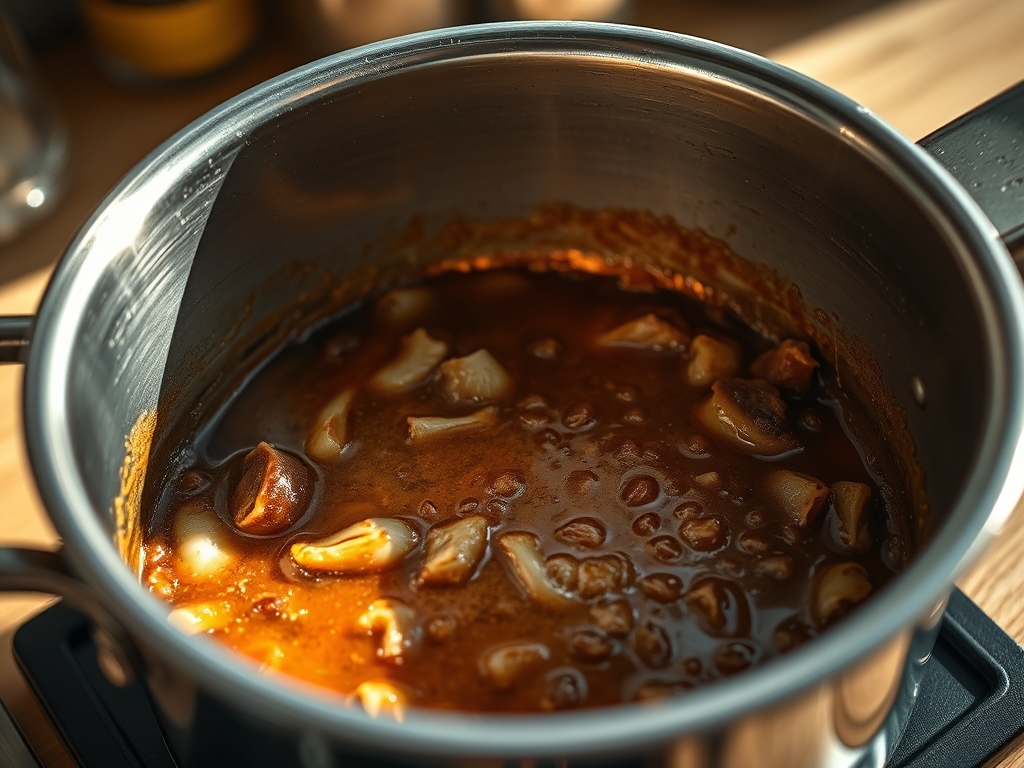
Season the beef aggressively. Heat your heavy-bottomed Dutch oven until the oil reaches its smoke point. Sear the beef in batches to avoid crowding the pan. If you crowd the meat, the temperature drops and the beef boils in its own juices. We need a dark, mahogany crust.
Pro Tip: Use a digital scale to ensure even portions and a high-heat silicone spatula to scrape the bottom. The science here is the Maillard reaction; those browned bits on the bottom are the foundation of your flavor profile.
2. The Aromatics and Deglaze
Remove the meat. Toss in your onions and carrots. Use the moisture from the vegetables to deglaze the pan, lifting the caramelized proteins. Add the tomato paste and cook until it turns a rusty brick color. This removes the metallic edge and intensifies the natural sugars.
Pro Tip: Use a bench scraper to quickly clear your cutting board of aromatics. Frying the tomato paste (pincage) is essential for a deep, complex sauce color and helps with Beef Stew Thickening by reducing the water content.
3. The Starch Integration
Dust the vegetables with your flour. Stir constantly for two minutes. You are creating a roux in situ. This coats the fat molecules and prevents the final sauce from breaking or becoming greasy. The flour must cook long enough to lose its raw taste but not so long that it loses its thickening power.
Pro Tip: A saucier or a flat-bottomed wooden spoon is the professional tool of choice here to ensure no flour pockets hide in the corners of the pot. This is the primary stage of Beef Stew Thickening.
4. Liquid Phasing
Slowly pour in the red wine while whisking. The liquid will thicken instantly; keep stirring until smooth. Add the beef broth and the seared meat. The liquid should just barely cover the solids. If you drown the ingredients, the flavors will be diluted and the suspension will be too thin.
Pro Tip: Use a fine-mesh whisk to ensure the flour and liquid emulsify perfectly. This prevents the "flour clumps" that plague amateur stews.
5. The Low and Slow Equilibrium
Bring the mixture to a bare simmer, then cover and move to a 150C / 300F oven. Do not boil it on the stovetop. A violent boil toughens the muscle fibers and breaks the starch bonds. In the oven, the heat is omnidirectional, allowing the collagen to slowly render into gelatin.
Pro Tip: Check the internal temperature with a probe thermometer. You are looking for the "sweet spot" where the connective tissue has fully liquefied, usually around 95C / 203F.
Section B: Prep & Timing Fault-Lines:
The biggest human error is impatience. If you pull the stew too early, the beef will be "rubbery" because the collagen hasn't converted. If the heat is too high, the sauce will break and the fat will separate into an oily slick. If your potatoes are disintegrating, you added them too early. Root vegetables should be added in the final 45 minutes of the four-hour braise to maintain their structural integrity while still absorbing the broth.
THE VISUAL SPECTRUM
Section C: Thermal & Visual Troubleshooting:
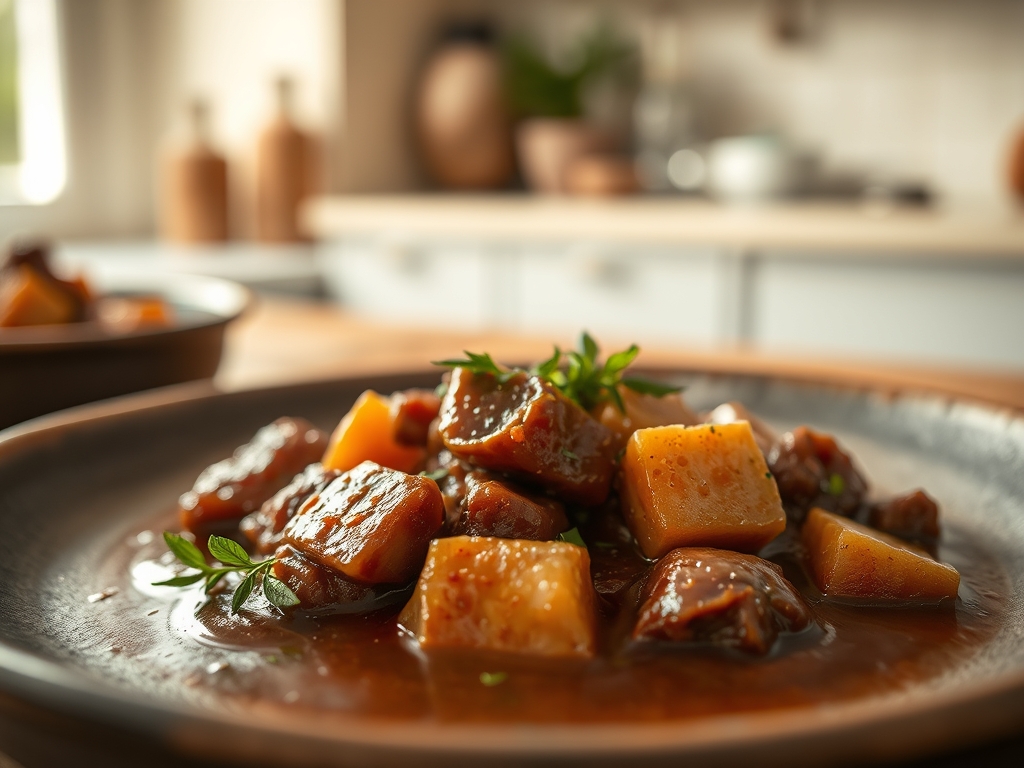
Look at the Masterclass photo above. Notice the deep, glossy sheen of the sauce. This is a sign of successful emulsification and high gelatin content. If your stew looks matte or dull, you likely under-browned the meat or omitted the tomato paste. If the sauce is "broken" (you see oil droplets on the surface), aerate the liquid by giving it a vigorous stir, or add a splash of cold water to re-emulsify the fats. If the color is too light, a teaspoon of instant espresso powder can deepen the hue without altering the primary flavor profile. The vegetables should have clean, sharp edges; if they look like mush, your simmer was too aggressive.
THE DEEP DIVE
Macro Nutrition Profile:
A standard serving contains approximately 450 calories, 35g of protein, 22g of carbohydrates, and 18g of fat. It is a nutrient-dense powerhouse, rich in bioavailable iron and zinc from the bovine source, and Vitamin A from the carrots.
Dietary Swaps:
- Vegan: Replace beef with king oyster mushrooms and use a vegetable demi-glace. Use cornstarch or a potato starch slurry for thickening.
- Keto: Omit the flour and potatoes. Use xanthan gum (0.5 tsp) for thickening and replace potatoes with cauliflower florets or daikon radish.
- GF: Use a 1:1 gluten-free flour blend or a cornstarch slurry at the very end of the cooking process.
Meal Prep & Reheating Science:
Beef stew is famously better the next day. As it cools, the flavors continue to infuse and the starch network stabilizes. When reheating, do not use a microwave; it creates localized hot spots that can denature the proteins. Reheat gently on the stovetop over low heat. If the sauce has become too thick (the "gelatin set"), add a tablespoon of water or broth to loosen the molecular structure without diluting the taste.
THE KITCHEN TABLE
Why is my stew meat still tough after two hours?
Collagen breakdown is a function of time and temperature. Two hours is often insufficient for large chuck cuts. Continue simmering at 150C until the meat yields easily to a fork. Patience is a mandatory ingredient.
Can I use cornstarch instead of flour?
Yes, but the texture differs. Flour provides a hearty, opaque thickness. Cornstarch creates a translucent, "shiny" sauce common in stir-fries. If using cornstarch, mix it with cold water first to avoid clumps.
What is the best wine for the deglaze?
Reach for a dry, high-tannin red like Cabernet Sauvignon. The tannins react with the beef proteins to soften the meat, while the acidity cuts through the richness of the rendered fat.
My sauce is too thin; how do I fix it fast?
Remove the lid and increase the heat to a rapid simmer to reduce the volume. Alternatively, mash one of the cooked potatoes into the liquid; the released starches will act as an immediate thickening agent.