Listen up, kitchen operatives. We are not here to merely cook; we are here to execute a high-stakes thermal intervention on a masterpiece of bovine biology. When we discuss Ribeye Steak Searing, we are navigating the volatile intersection of thermodynamics and lipid chemistry. Imagine the scent of vaporizing fat hitting a 500-degree surface. The sound is a violent, rhythmic hiss as moisture evaporates instantly from the surface cells. We are hunting for the Maillard reaction, that glorious chemical transformation where amino acids and reducing sugars rearrange into hundreds of flavor compounds. This is the audit of the century. You have a slab of heavily marbled muscle that requires precise heat management to transform tough connective tissue into a liquid gold nectar. If you fail to respect the internal temperature gradients, you end up with a gray, rubbery tragedy. If you succeed, you produce a crust so dark and savory it borders on the transcendental. Strap on your apron and calibrate your sensors. It is time to render.
THE DATA MATRIX
| Metric | Specification |
|---|---|
| Prep Time | 45 Minutes (Tempering) |
| Execution Time | 12 Minutes |
| Yield | 1 Serving |
| Complexity | 7/10 |
| Estimated Cost per Serving | $35.00 – $55.00 |
THE GATHERS
Ingredient Protocol:
- Prime Grade Ribeye (Bone-In preferred): 680g / 24oz
- Kosher Salt (Diamond Crystal): 15g / 1.5 tbsp
- Black Peppercorns (Freshly Cracked): 5g / 1 tsp
- Unsalted European Butter: 56g / 4 tbsp
- Fresh Rosemary Sprigs: 2 units / 2 sprigs
- Garlic Cloves (Smashed): 3 units / 3 cloves
- Neutral Oil (Avocado or Grapeseed): 30ml / 2 tbsp
Section A: Ingredient Quality Audit:
If your ribeye arrives with a "wet" sheen or a dull, brownish hue, your oxidation levels are critical. Sub-par raw materials lack the necessary intramuscular fat to survive high-intensity searing. If the marbling is sparse, the meat will toughen before the exterior browns. The fix? A dry-brine protocol. Apply salt 24 hours in advance to reorganize the protein structure and draw moisture back into the fibers. If your herbs are wilted, they will lack the essential oils needed to infuse the butter during the final basting phase. Always source "Prime" or high-end "Choice" cuts to ensure the lipid-to-lean ratio supports a high-heat environment.
THE MASTERCLASS
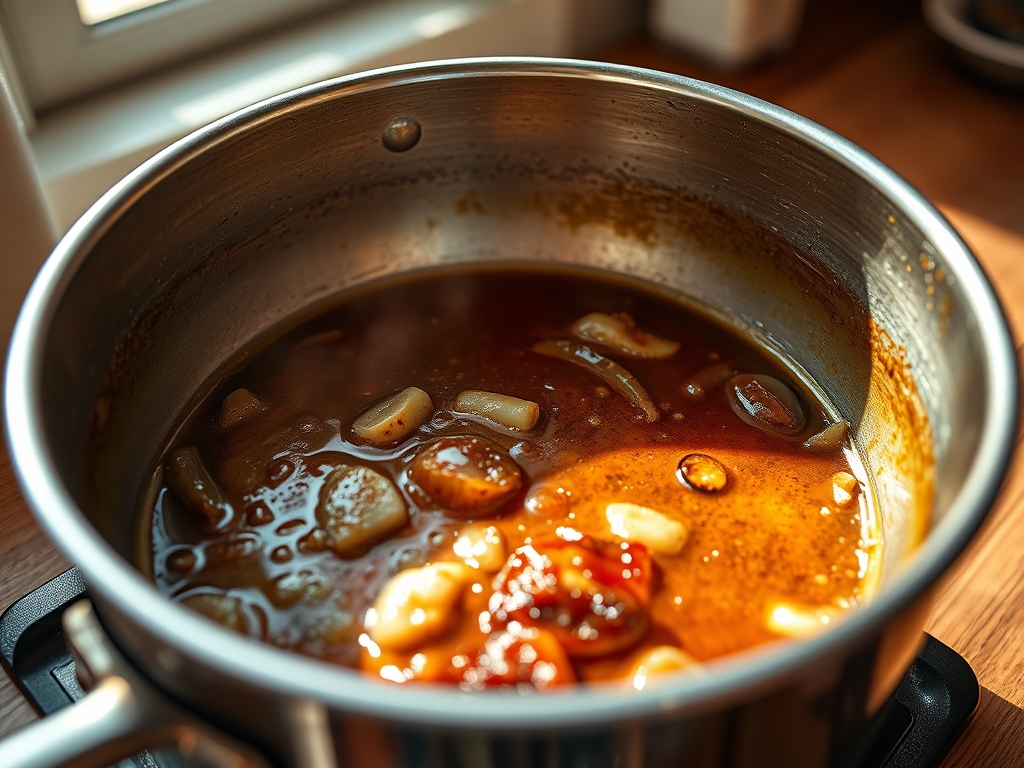
Step 1: The Thermal Tempering Phase
Remove the steak from refrigeration exactly 45 minutes before the sear. Use a digital scale to weigh out your salt, then coat all surfaces evenly. This allows the internal temperature to rise slightly, ensuring the center reaches the target window without the exterior becoming overcooked.
Pro Tip: This phase utilizes the principle of thermal equilibrium. A cold center acts as a heat sink, drawing energy away from the surface and preventing a uniform crust. Professional chefs use a bench scraper to move the meat without piercing the muscle fibers.
Step 2: Surface Dehydration
Use high-absorbency paper towels to pat the steak until the surface is bone-dry. Moisture is the enemy of the Maillard reaction. If there is water on the surface, the energy of the pan will be wasted on boiling that water rather than browning the proteins.
Pro Tip: Evaporative cooling can stall your sear. By removing surface moisture, you ensure the heat energy immediately triggers the render of surface fats. Use a saucier or small bowl to keep your oil ready for immediate application.
Step 3: High-Velocity Sear
Heat a heavy cast-iron skillet until the oil reaches its smoke point. Lay the steak away from you to avoid hot oil splatter. Press down firmly for the first 30 seconds to ensure maximum surface contact. Flip every 60 seconds to build an even crust without creating a "gray band" of overcooked meat beneath the surface.
Pro Tip: Frequent flipping is a modern culinary standard that creates a more even internal temperature gradient. Use a digital instant-read thermometer to track progress; do not rely on "the touch test," which is notoriously inaccurate for thick-cut ribeyes.
Step 4: The Aromatic Butter Baste
When the internal temperature hits 115 degrees Fahrenheit, reduce the heat and add the butter, garlic, and rosemary. Tilt the pan so the melted butter pools at the bottom. Use a large spoon to rapidly bathe the steak in the foaming, viscous fat.
Pro Tip: This is known as "Arrosage." The butter acts as a heat transfer medium that carries the piquant aromatics of the garlic and herbs into every crevice of the crust. This final stage adds a nutty, caramelized finish to the fat cap.
Step 5: The Molecular Rest
Transfer the steak to a wire rack set over a sheet tray. Do not tent it with foil, as this will trap steam and soften the crust you just worked so hard to build. Let the meat rest for at least 10 minutes.
Pro Tip: Resting allows the muscle fibers to relax and reabsorb the internal juices. If you cut it immediately, the viscous fluids will escape, leaving the meat dry. A digital scale can even show you the weight loss if you skip this crucial step.
Section B: Prep & Timing Fault-Lines:
The most common failure in Ribeye Steak Searing is "Pan Crowding." If you attempt to sear two large steaks in a small pan, the surface temperature will plummet. This results in gray, steamed meat rather than a charred masterpiece. Another timing error is adding the butter too early; the milk solids will burn and turn bitter before the steak is finished. Always wait until the final 2 minutes of cooking. If your internal temp is rising too fast, pull the pan off the heat entirely and finish the baste with residual energy.
THE VISUAL SPECTRUM
Section C: Thermal & Visual Troubleshooting:
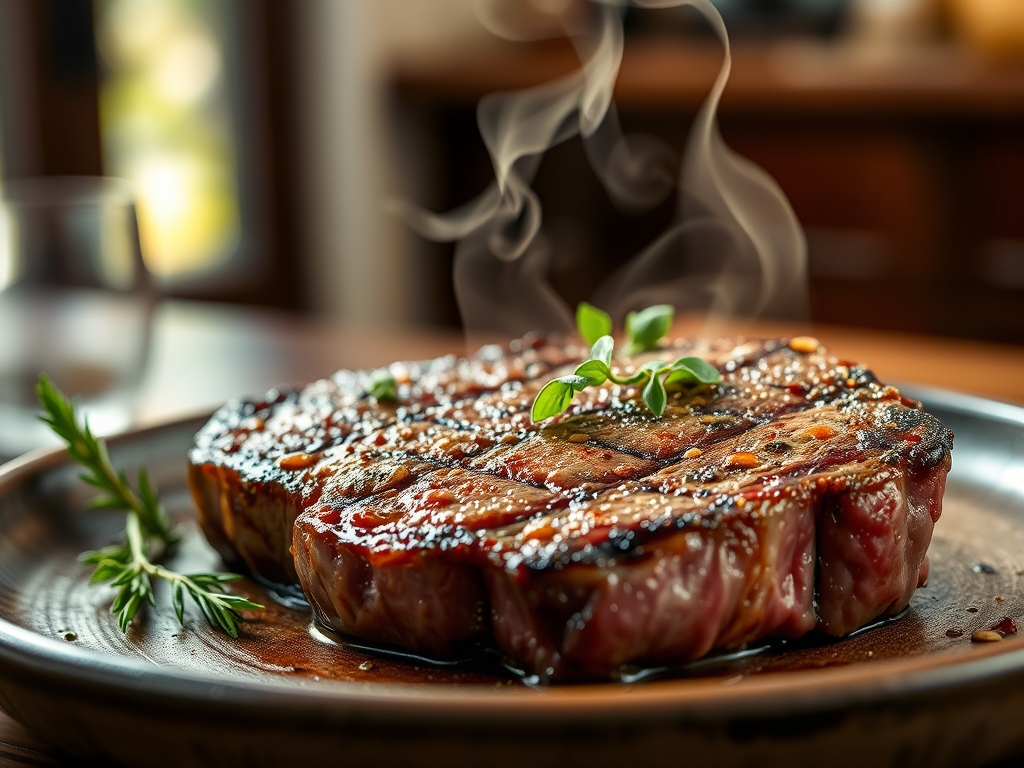
Look at the Masterclass photo above. Notice the deep, mahogany-colored crust that covers the entire surface; this is the visual hallmark of a successful sear. If your steak looks "spotted" or has large patches of gray, your pan was not flat or your oil distribution was uneven. If the fat cap on the edge is still white and rubbery, you failed to use tongs to hold the steak vertically against the pan to render that specific area. A dull, matte finish indicates a lack of basting. The final product should have a glistening, viscous sheen from the herb-infused butter coating.
THE DEEP DIVE
Macro Nutrition Profile
A standard 24oz bone-in ribeye is a powerhouse of energy. You are looking at approximately 1,400 calories, with 90g of protein and 110g of fat. While high in saturated fats, it provides essential micronutrients like Zinc, B12, and Iron. The render process reduces some of the surface fat, but the intramuscular marbling remains the primary caloric driver.
Dietary Swaps
- Keto: This dish is naturally the gold standard for ketogenic protocols. Increase the butter baste for higher fat ratios.
- Vegan: Substitute the ribeye with a thick-cut "steak" of Lion's Mane mushroom. Use vegan butter and focus on a long, slow render to achieve a similar savory profile.
- Gluten-Free: Naturally GF, provided your seasonings are pure.
Meal Prep & Reheating Science
To reheat without ruining the molecular structure, use a low-temperature oven (250F) until the internal temp reaches 110F. Then, flash-sear it in a hot pan for 30 seconds per side to re-crisp the exterior. Avoid the microwave at all costs; it vibrates water molecules, effectively steaming the meat from the inside out and turning it into leather.
THE KITCHEN TABLE
Why is my steak gray inside?
This is the "gray band" caused by high heat for too long without flipping. To fix this, flip the steak every 60 seconds. This keeps the surface hot while preventing the heat from penetrating too deeply and overcooking the interior.
Can I use Olive Oil for searing?
No. Extra Virgin Olive Oil has a low smoke point and will oxidize, creating bitter flavors and harmful compounds. Use Avocado or Grapeseed oil, which can withstand the 500-degree temperatures required for a professional render.
How do I know when the butter is ready?
The butter should be foaming and "silent." When it stops bubbling aggressively, the water has evaporated. This is the signal to start basting. If it turns dark brown too quickly, pull the pan off the heat immediately.
Does the bone really add flavor?
The bone acts as an insulator, slowing the cooking of the meat directly adjacent to it. This results in a more tender, succulent bite near the bone. It also prevents the meat from shrinking excessively during the high-heat sear.